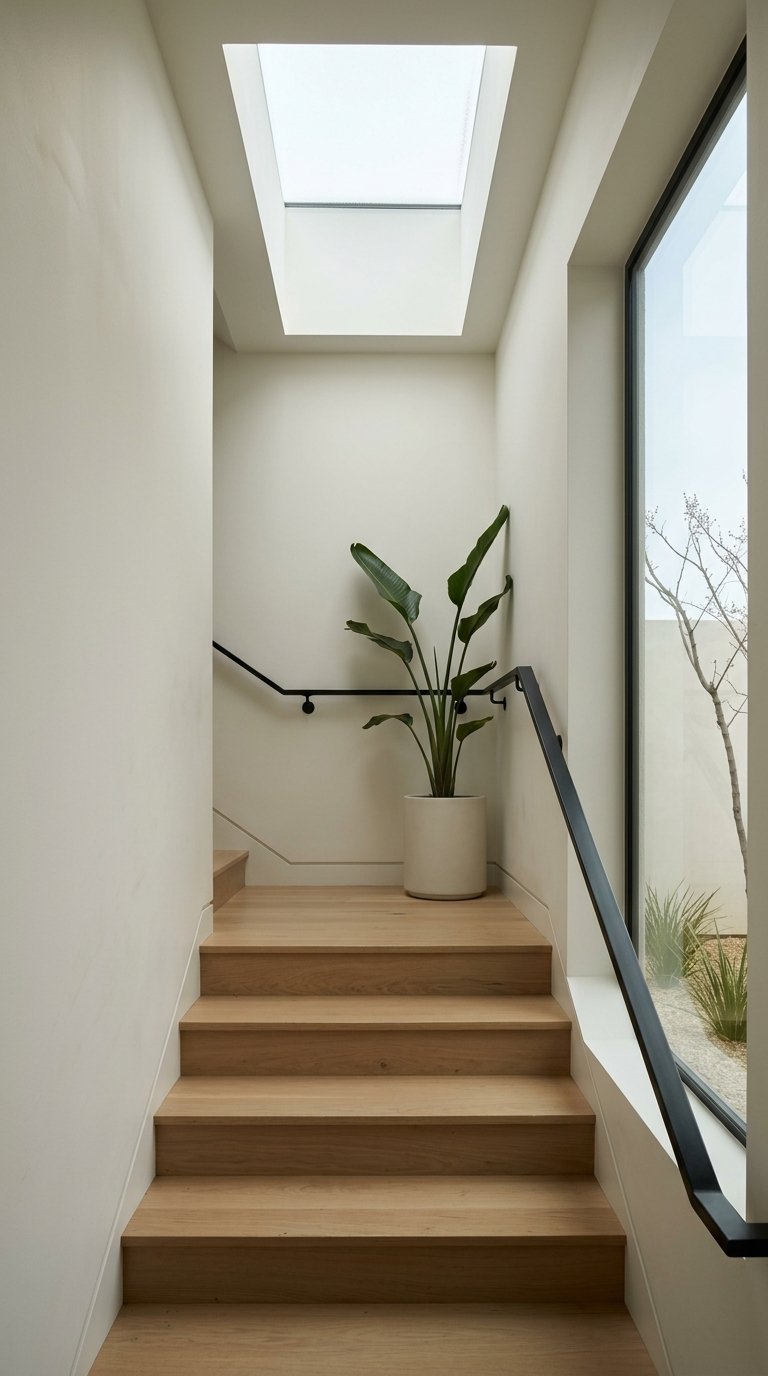
Selling a luxury home in Berkeley can feel simple on the surface and surprisingly nuanced once you look closer. You may hear that the market is strong, but that headline alone does not tell you how your specific home will be judged, priced, or compared. If you are preparing to sell in Berkeley Hills, Claremont, or another upper-tier pocket, you need a more precise read of the market. Here’s how to interpret the numbers and turn them into a smarter launch plan.
Berkeley Luxury Is Not One Market
Berkeley is best understood as several overlapping markets, not one single luxury market. The City of Berkeley’s 2025 economic dashboard points to stabilization rather than broad growth, and it reported 46 single-family sales in December 2025 with a median sale price of $1.265 million.
That matters because citywide medians can flatten important differences between neighborhoods, property types, and price points. For a higher-end seller, especially in the hills, broad Berkeley averages are only a starting point.
The local detached-home data also shows how much segmentation matters. Bay East’s Berkeley detached report focuses on detached single-family homes in Berkeley and Kensington, which makes it more useful for seller decisions than broader snapshots that may mix condos, townhomes, and single-family properties.
What Berkeley Seller Metrics Show
Days on Market Still Look Fast
Berkeley homes are still moving quickly by most standards. Redfin reports that Berkeley homes receive 6 offers on average and sell in about 15 days, with a March 2026 median sale price of $1.55 million.
That pace carries into the hills, but not evenly. Berkeley Hills posted a 15-day median time on market, while Claremont was slower at about 20.5 days. For sellers, that difference suggests buyer urgency is still present, but some luxury pockets require more patience and more exact positioning.
Over-Ask Sales Are Real, but Not Universal
One of the strongest signals in the detached market is the list-to-sale ratio. In April 2026, Berkeley detached closings averaged 128% of list price, which is a powerful over-ask indicator.
Still, you should not assume every luxury listing will follow that pattern. Berkeley Hills posted a 120.6% sale-to-list ratio in March 2026, while Claremont was about 7.9% above list. In the broader 94705 zip, March 2026 closings averaged 100% of list price.
The takeaway is straightforward: over-ask outcomes are possible, but they are highly sensitive to corridor, property type, pricing strategy, and presentation. A great result is not something you can simply declare. It has to be built.
Inventory Is Tight, but It Moves
Berkeley detached inventory remained limited in spring 2026. There were 66 active detached listings in April 2026, equal to about 1.3 months of supply.
That is still tight inventory, but it is not frozen inventory. The same report shows 51 active listings in March and 55 in February, which means the number of available homes has been shifting even within a relatively constrained market.
For luxury sellers, the upper-end activity is worth noting. Through April 2026, 35 Berkeley and Kensington detached sales closed between $2 million and $2.999 million, and 13 sold above $3 million. That means roughly 27% of year-to-date detached sales were above $2 million, giving you a useful picture of how active the local luxury tier really is.
Berkeley Hills vs Claremont
Berkeley Hills Looks More Consistently Competitive
If your home is in Berkeley Hills, the data points to a market that is still highly responsive when a property is well-positioned. Redfin identifies Berkeley Hills as the more competitive hill submarket, with 5 offers on average and a median 15 days on market.
Other market snapshots tell a similar story. In April 2026, Berkeley Hills had 32 homes for sale, and neighborhood-level data showed a median listing price of about $1.398 million and a median sold price of $1.775 million, along with roughly 20 median days on market.
For sellers, this suggests that buyers are still acting quickly in Berkeley Hills when a home comes to market with the right pricing, condition, and story. Competition remains available, but it tends to favor homes that feel complete and compelling from day one.
Claremont Sits Higher and Trades Thinner
Claremont is a different conversation. It operates at a much higher price point, with a reported median sale price of $3.4 million, but it also has fewer monthly sales, which makes the monthly numbers more sensitive to small sample size.
That thinness matters when you are pricing a luxury home. Redfin reported only 2 homes sold in the most recent month in Claremont, even though the area still showed about 7.9% over list and 20.5 days on market.
The broader 94705 corridor looked more balanced, with March 2026 closings averaging 100% of list and 29 days on market. For a Claremont seller, that means you should be careful about reading too much into one hot comp or one standout sale. Precision matters more when the market is thinner.
What This Means for Your Pricing Strategy
Luxury pricing in Berkeley should be hyper-local. A citywide median or even a broad Berkeley luxury headline is too blunt for a hill property with unique views, architecture, lot shape, or condition.
In Berkeley Hills, the data suggests a well-positioned home can still attract multiple offers and sell meaningfully above list. In Claremont, the higher price tier and smaller number of monthly sales make pricing discipline even more important.
That does not mean pricing low for attention at all costs. It means choosing a price that fits the actual buyer pool, the recent detached comps, and the level of finish your home presents today.
Why Preparation Matters So Much
In Berkeley’s luxury market, preparation is not a cosmetic extra. It is part of the pricing strategy because buyers respond not only to the home itself, but also to how clearly the home’s value is presented.
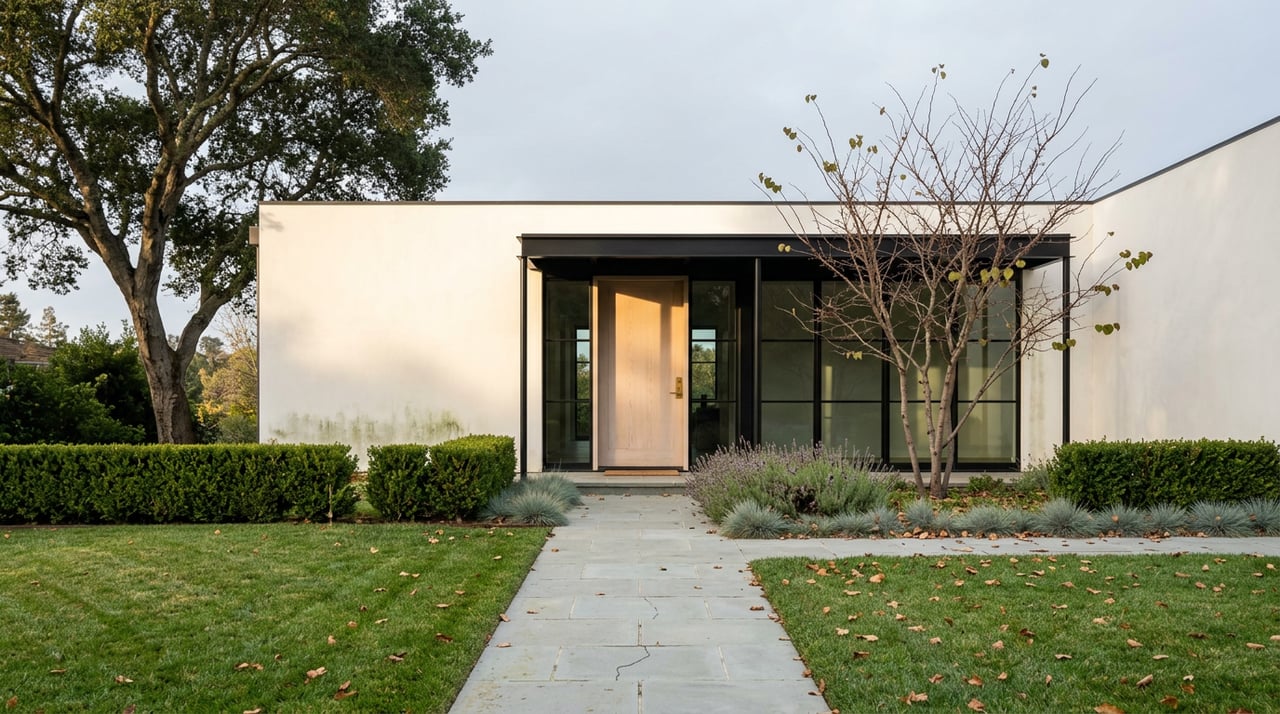
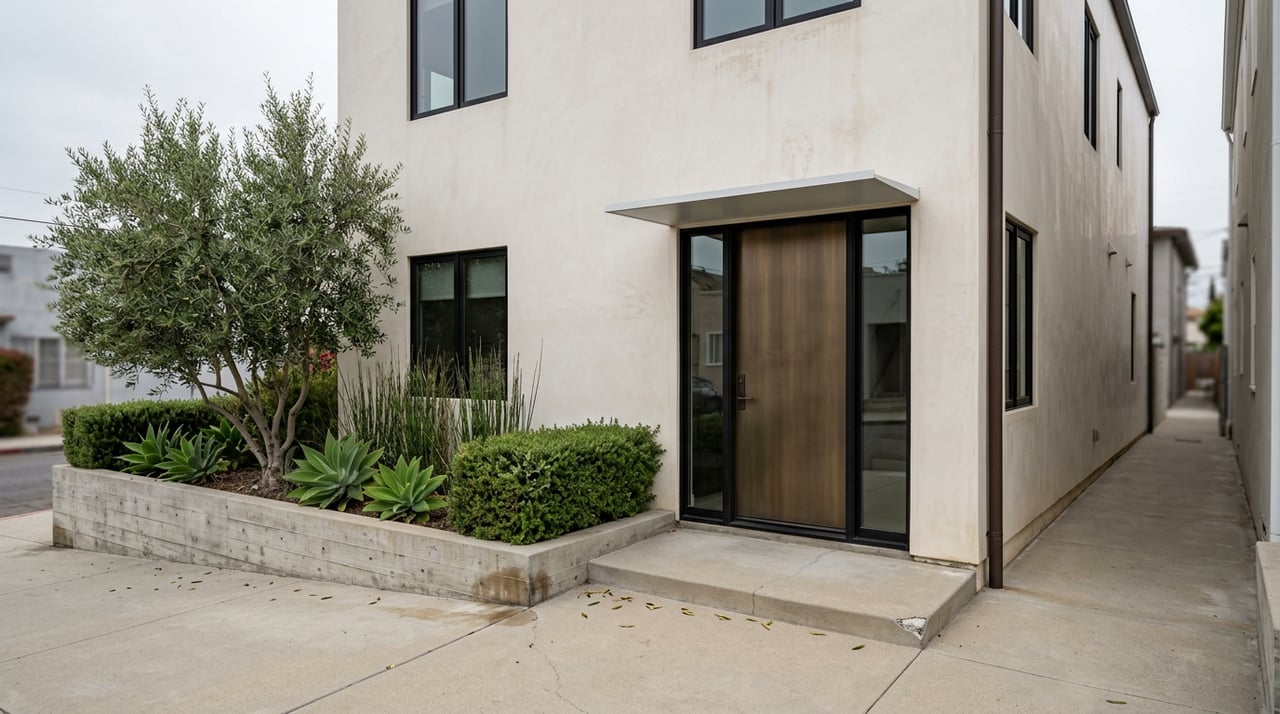
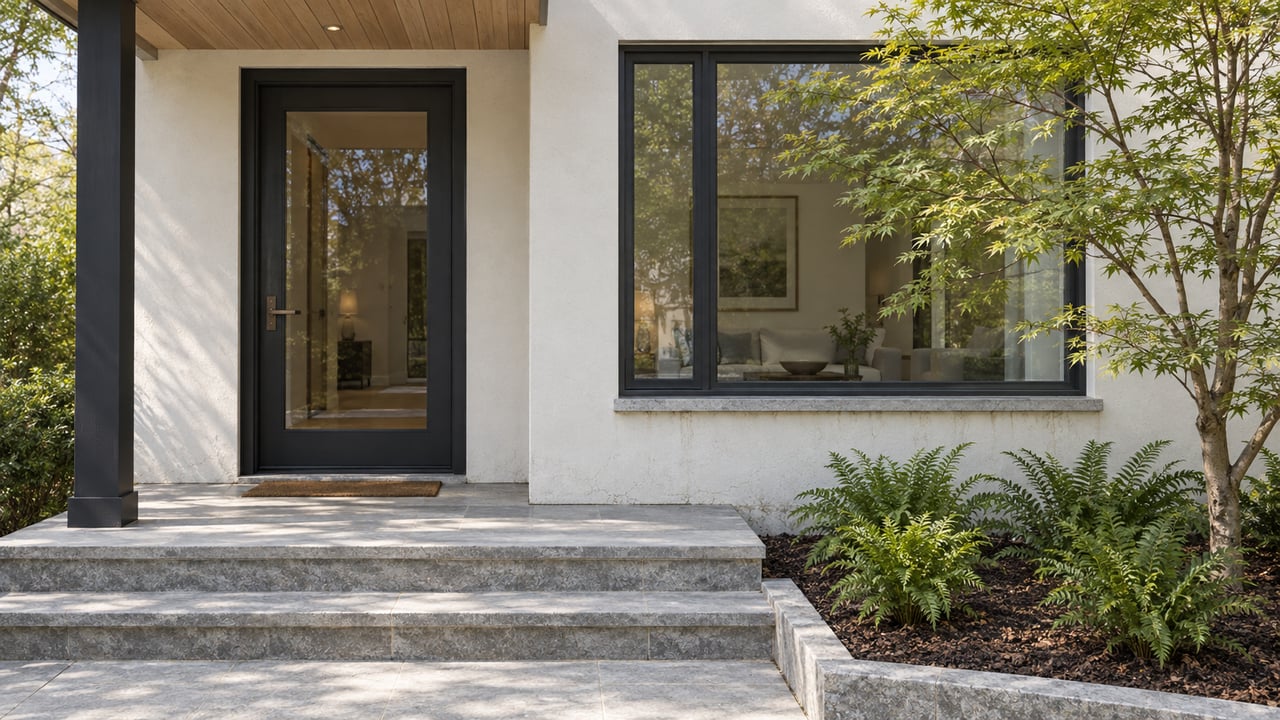
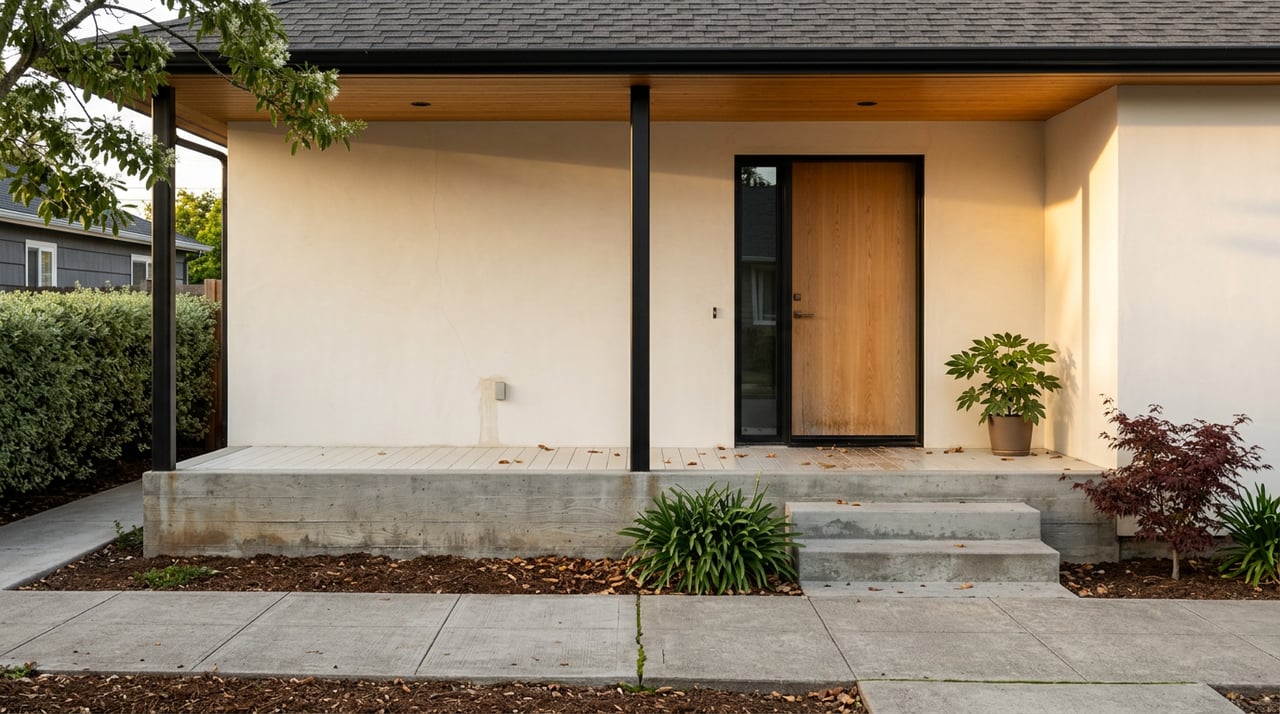
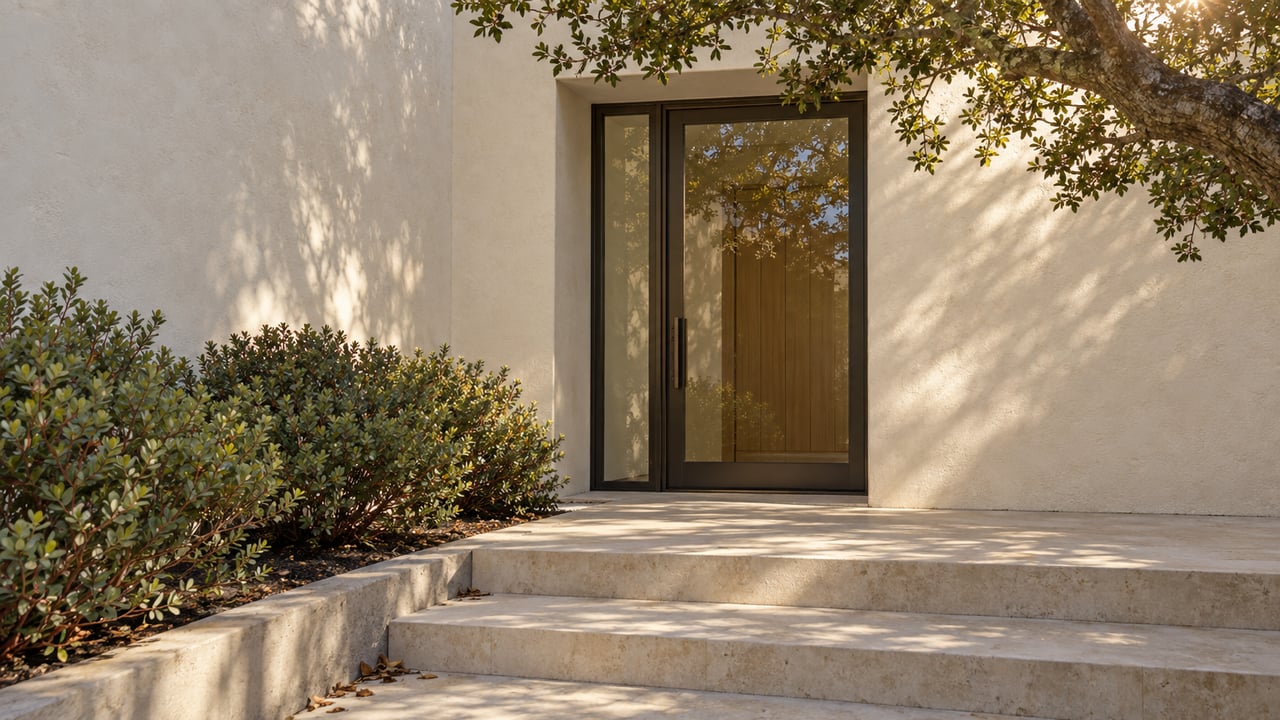
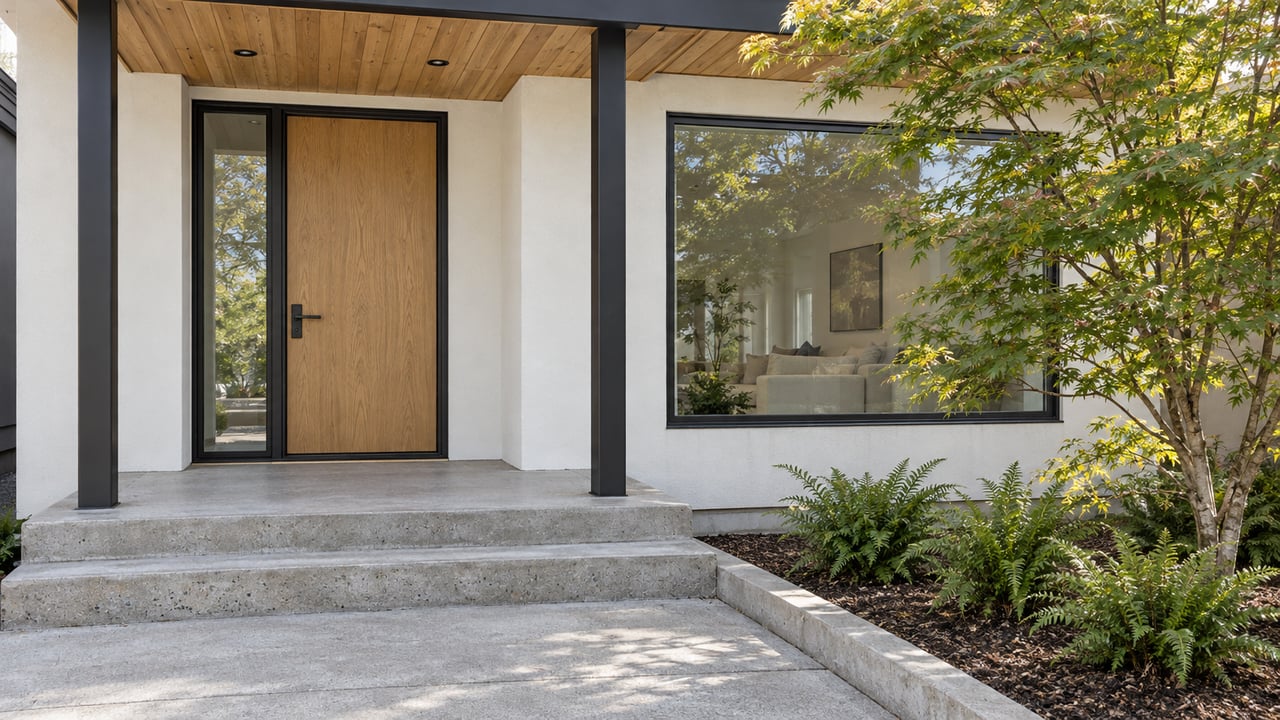
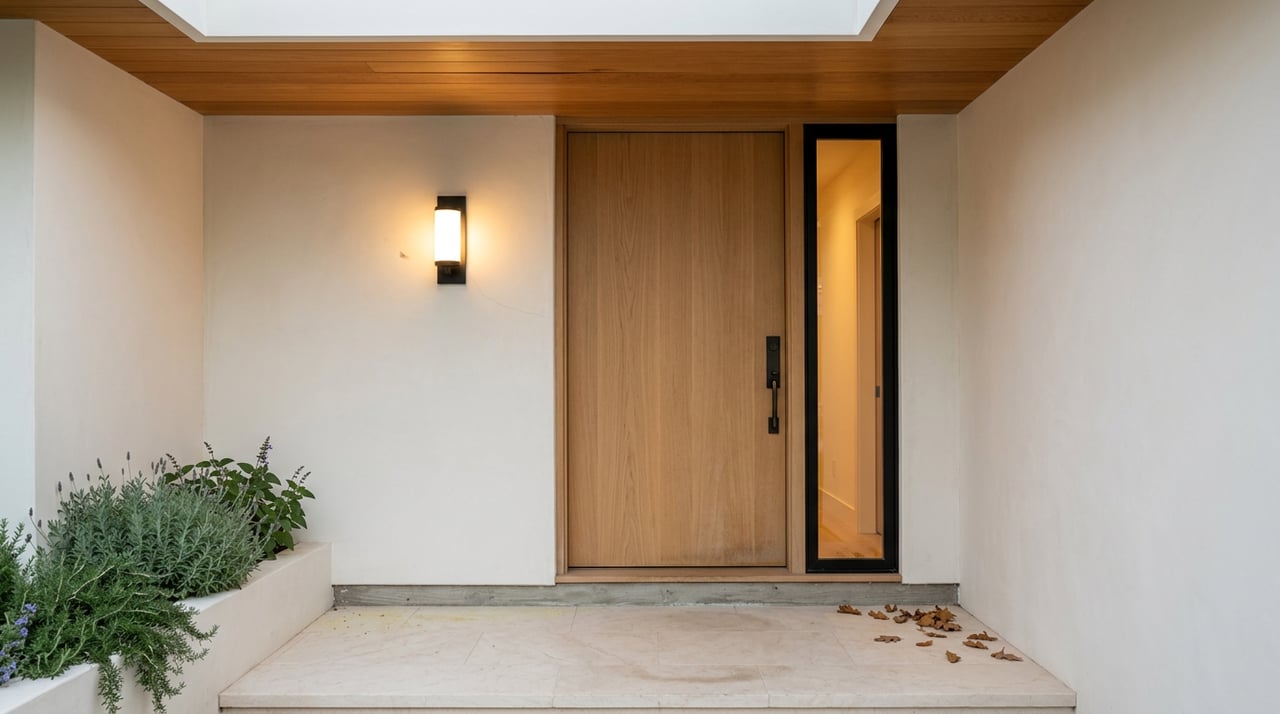
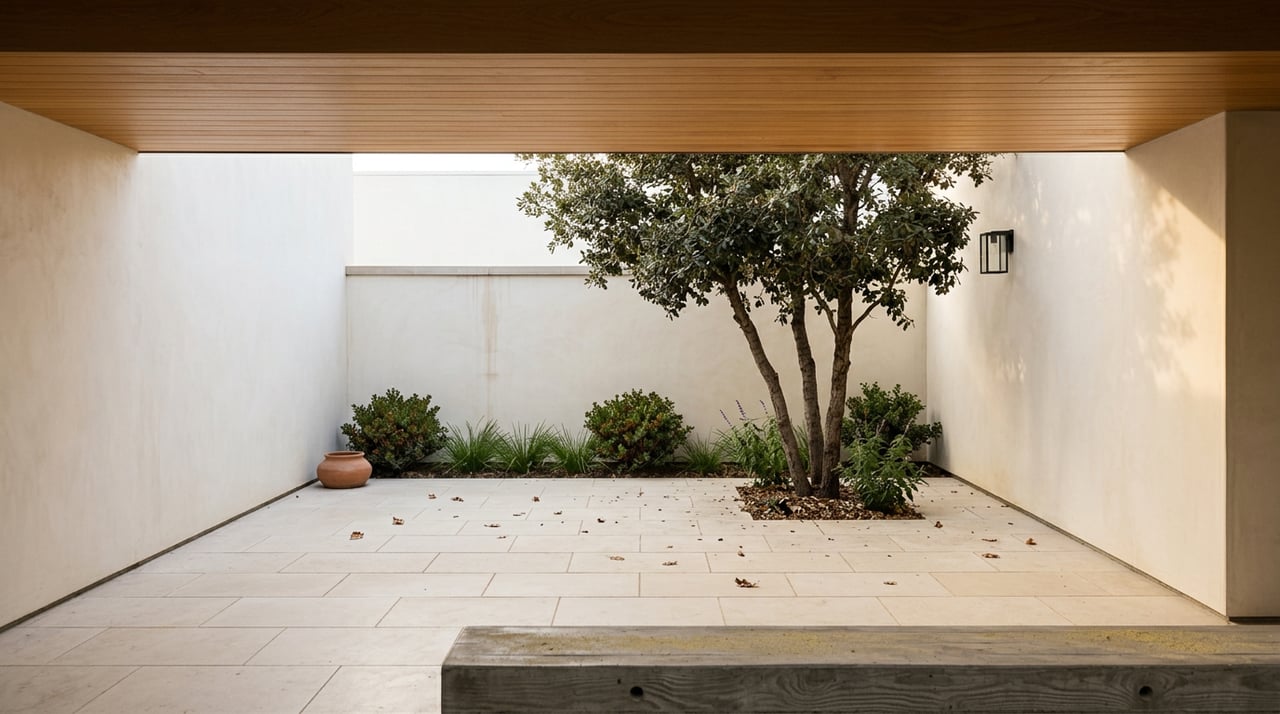
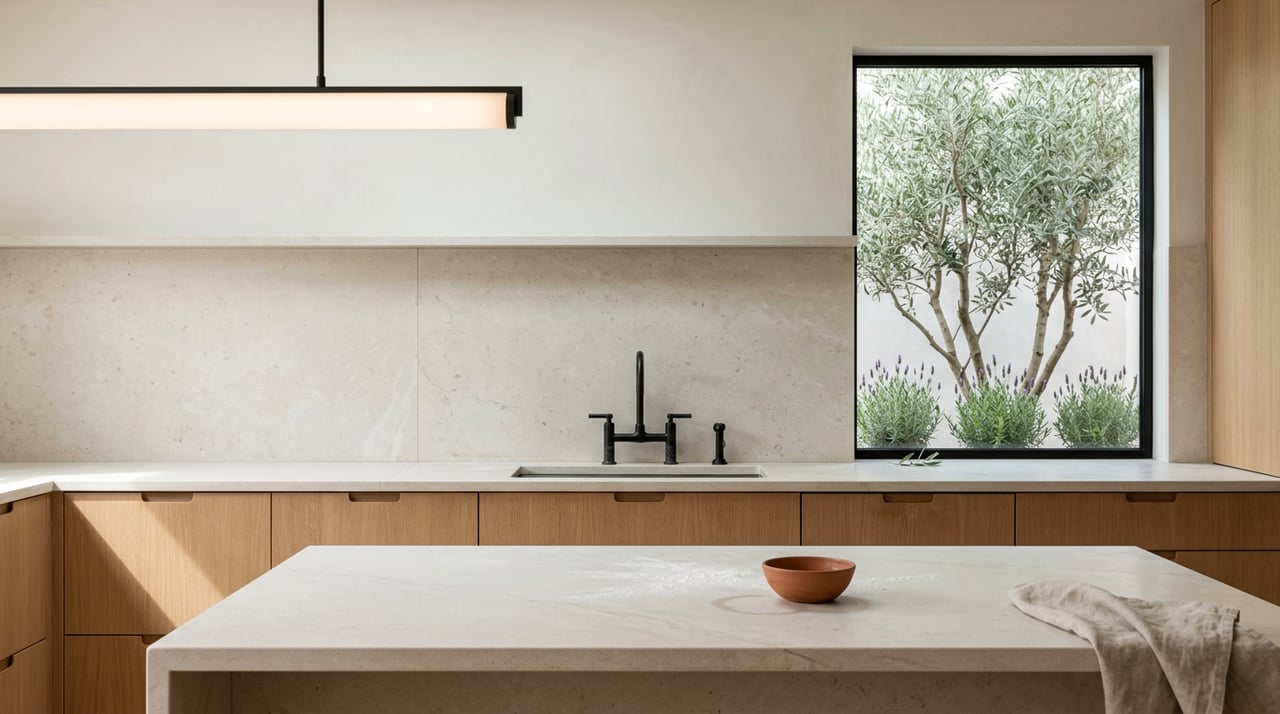
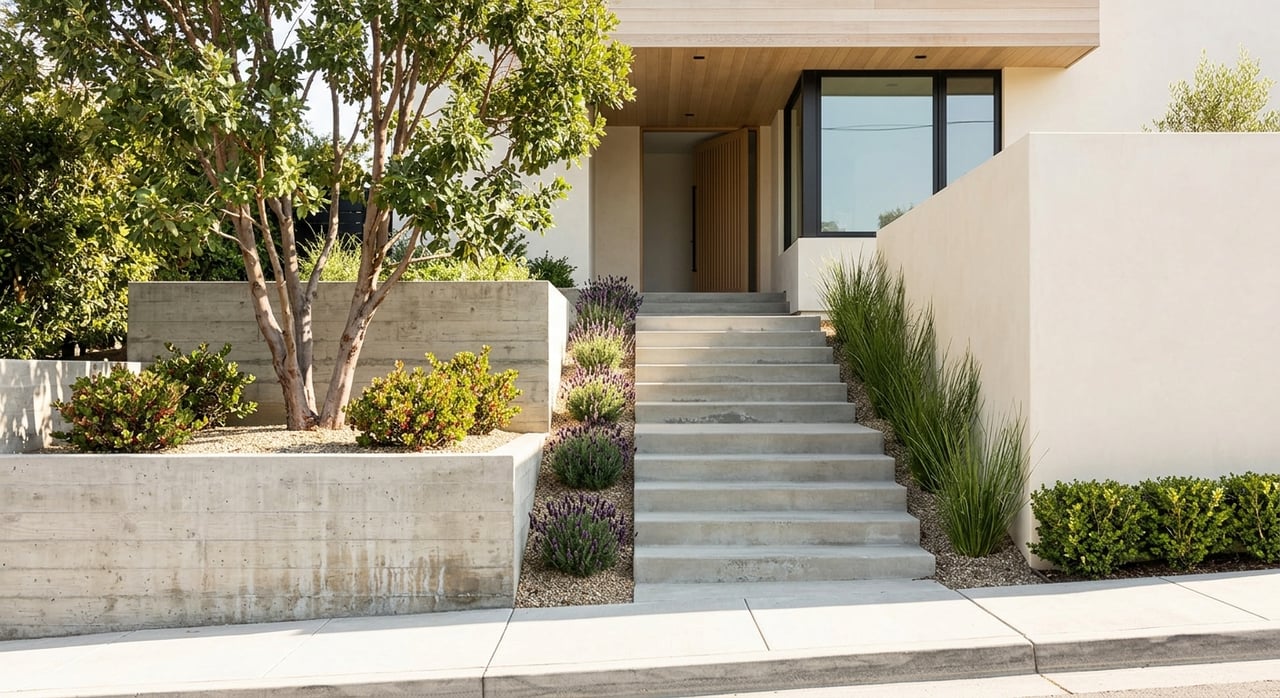
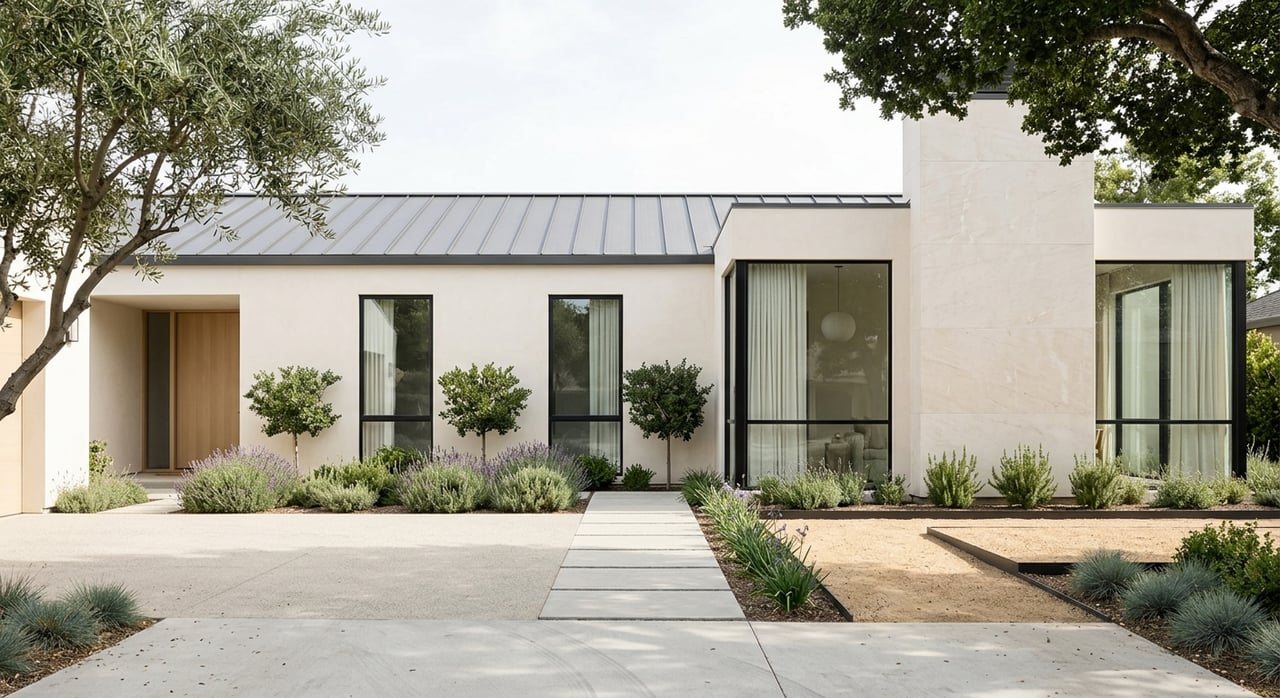
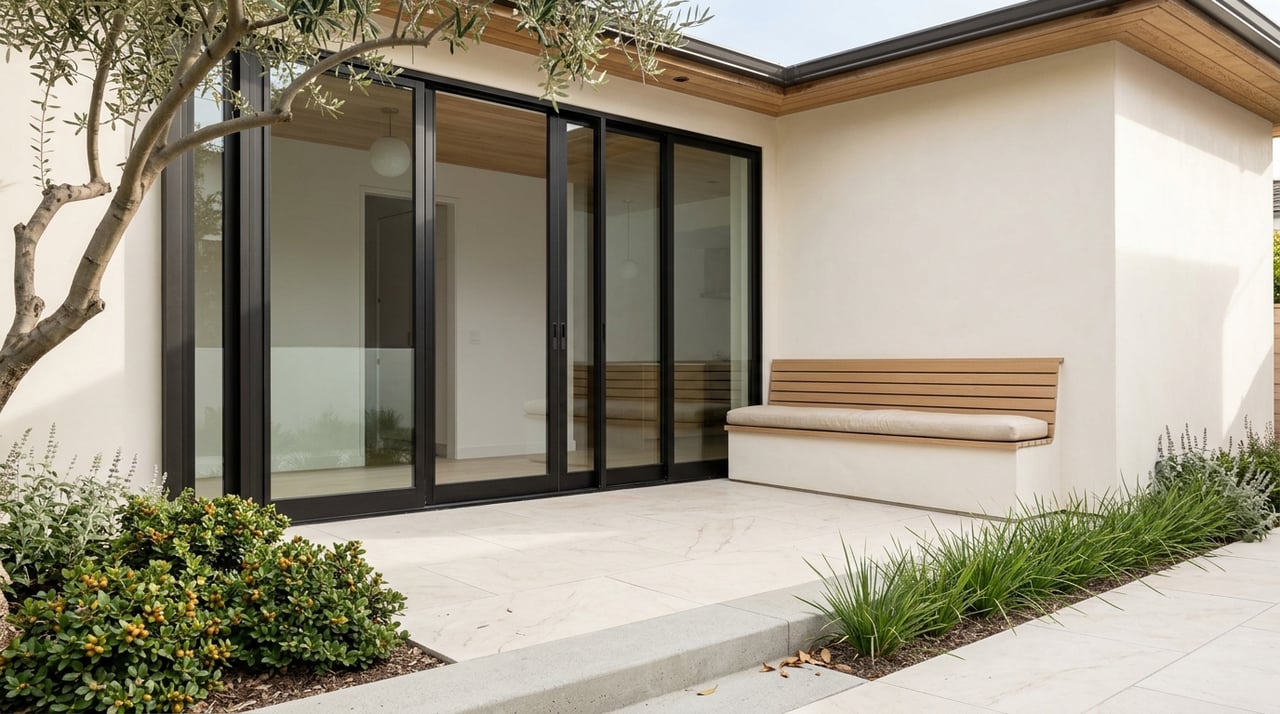
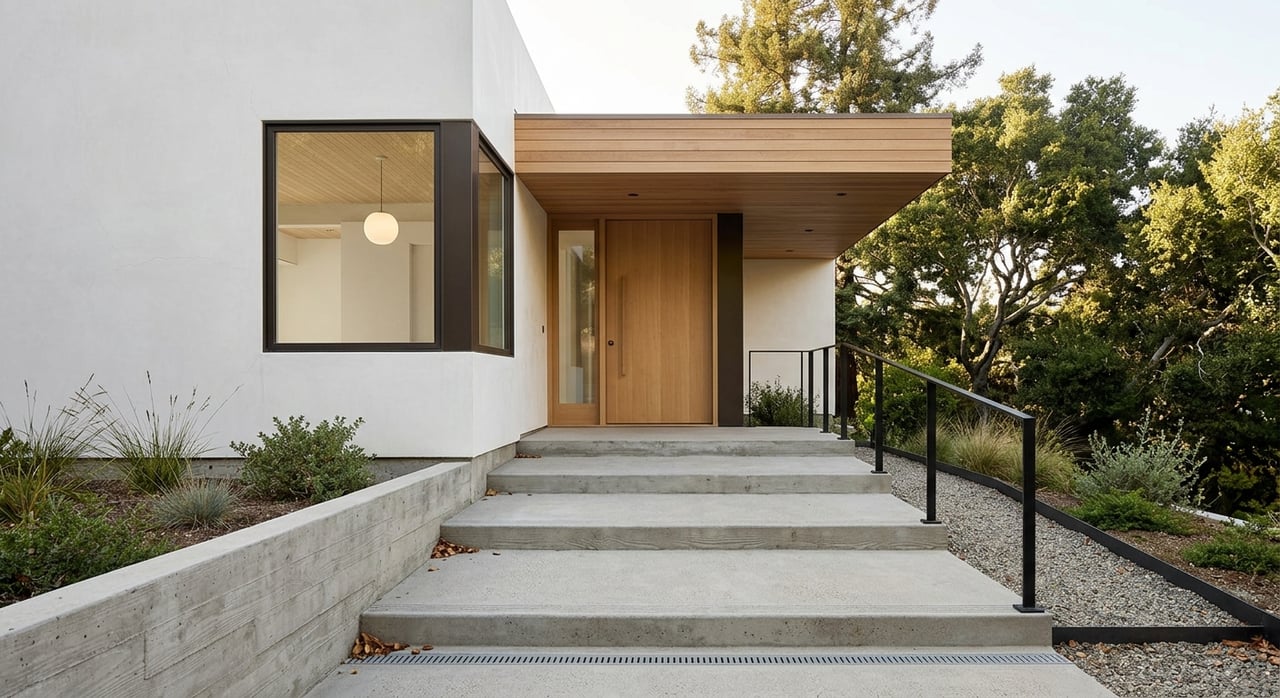
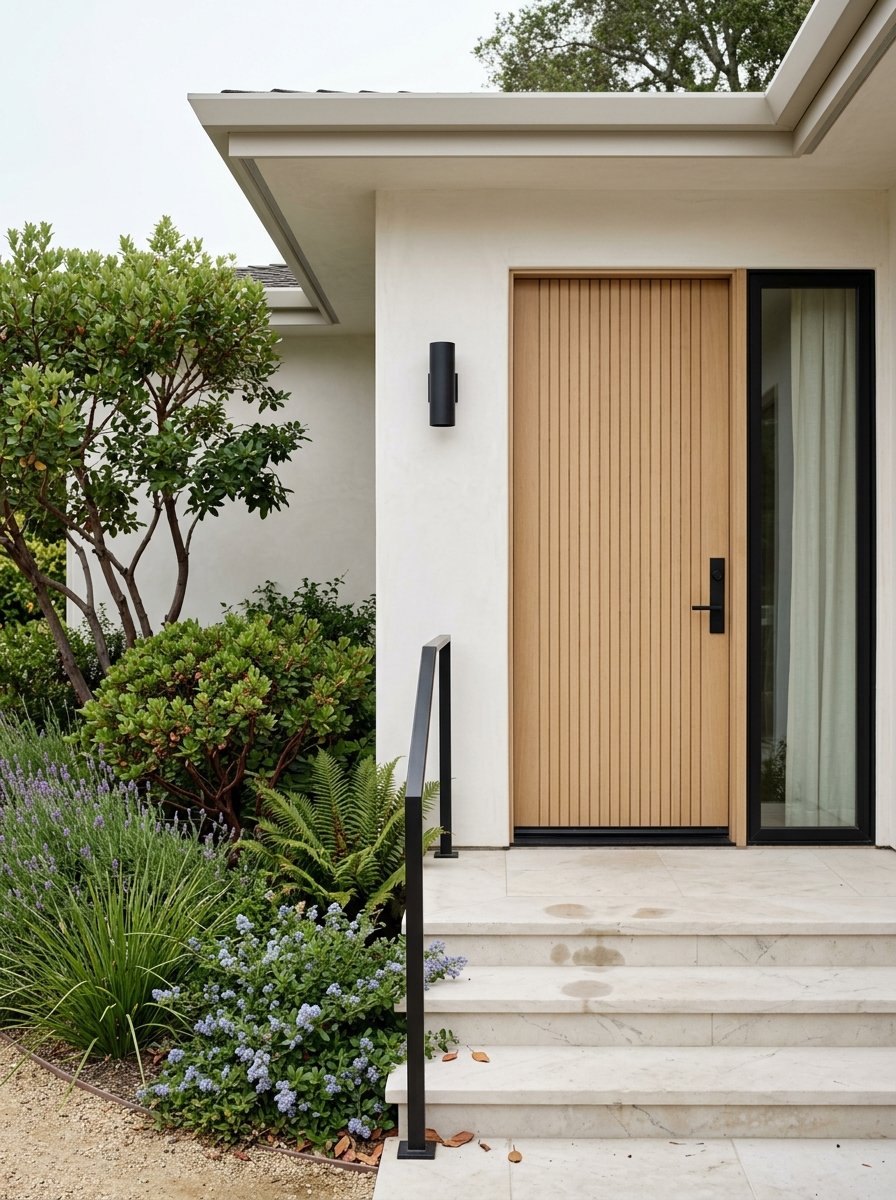
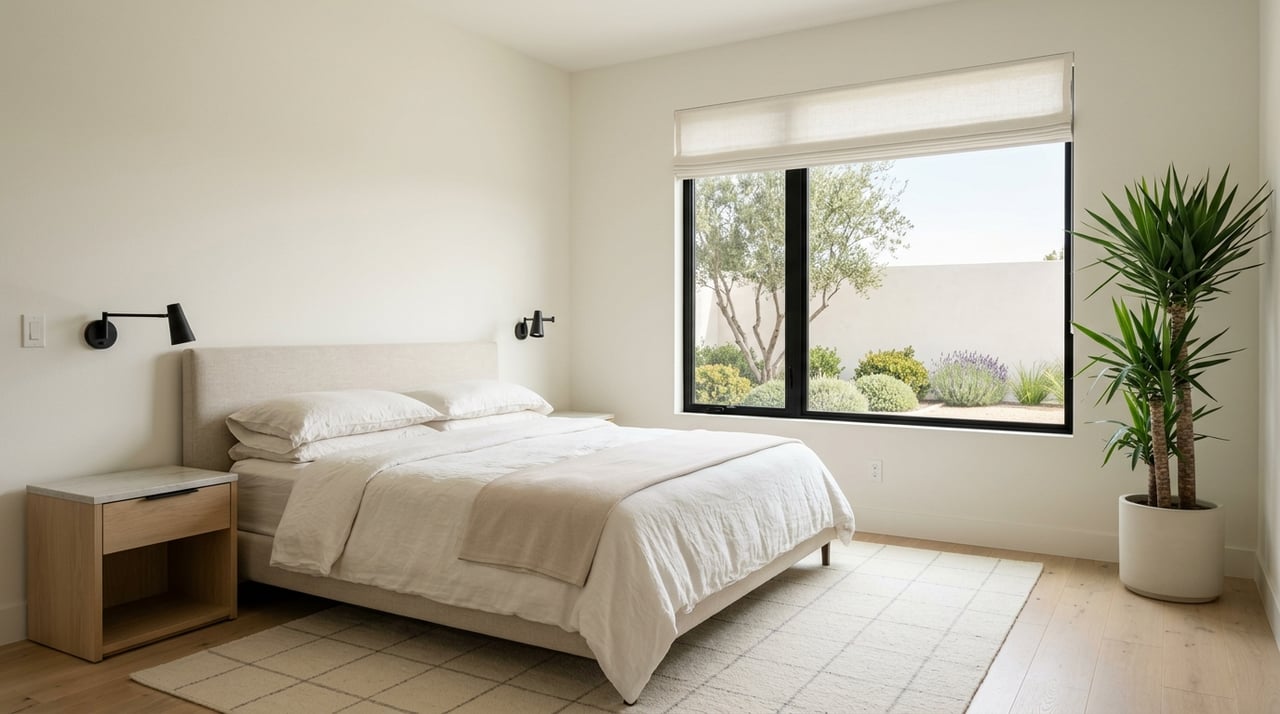
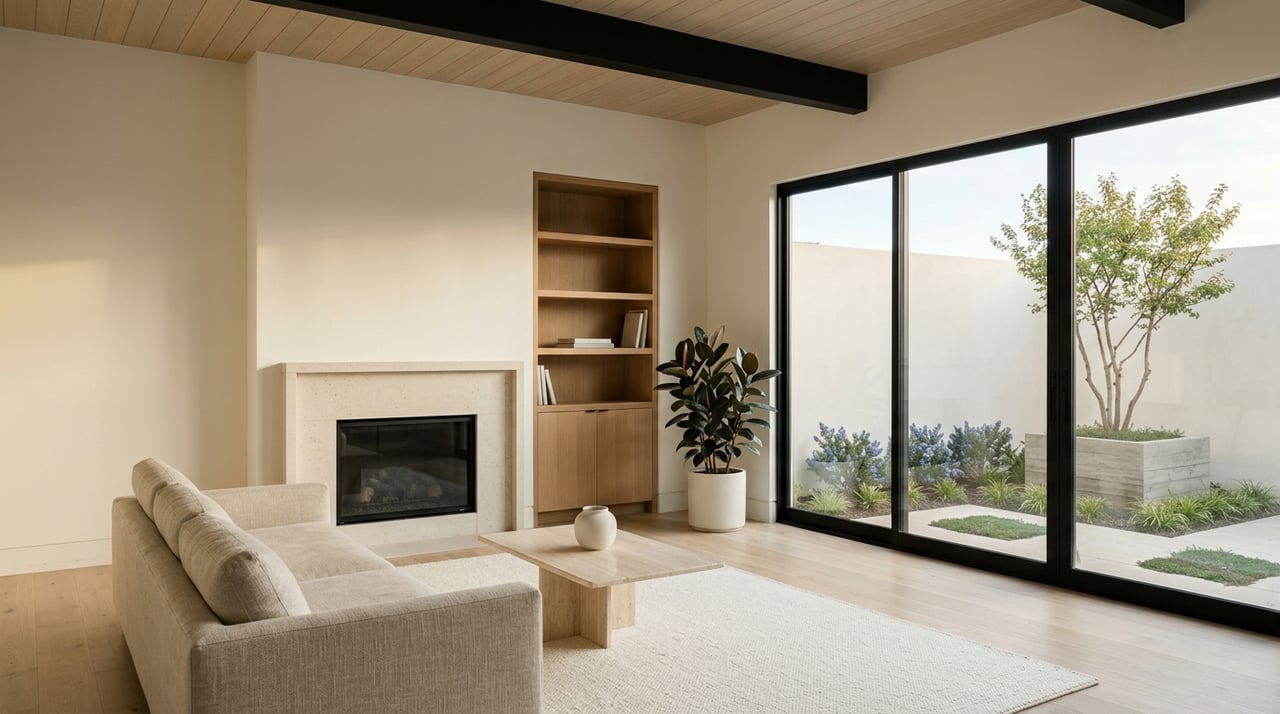
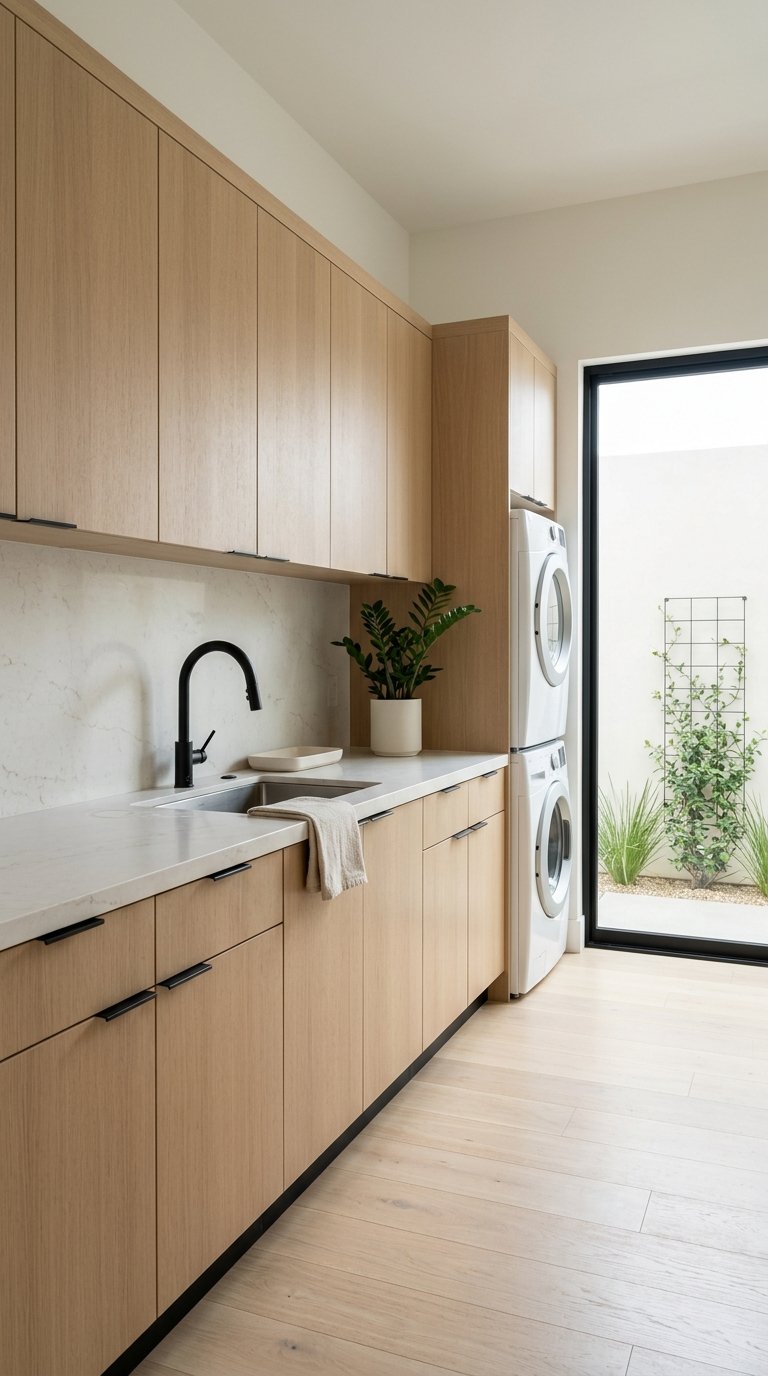
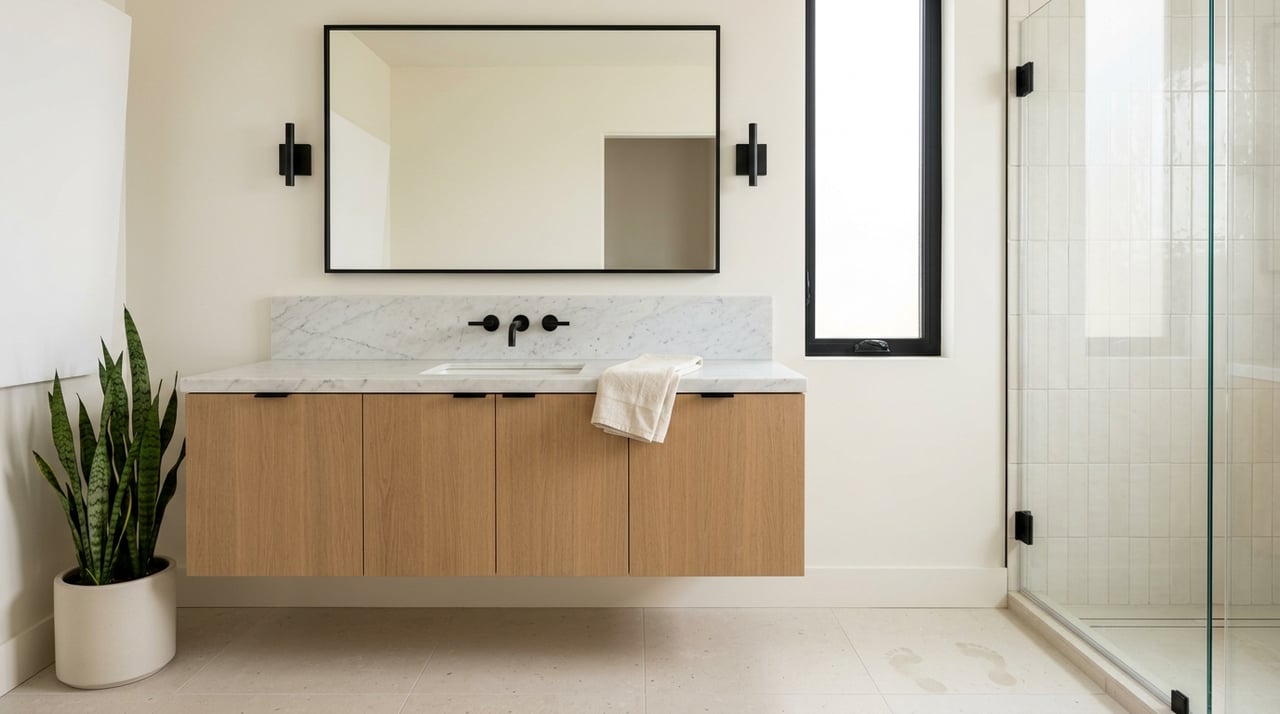
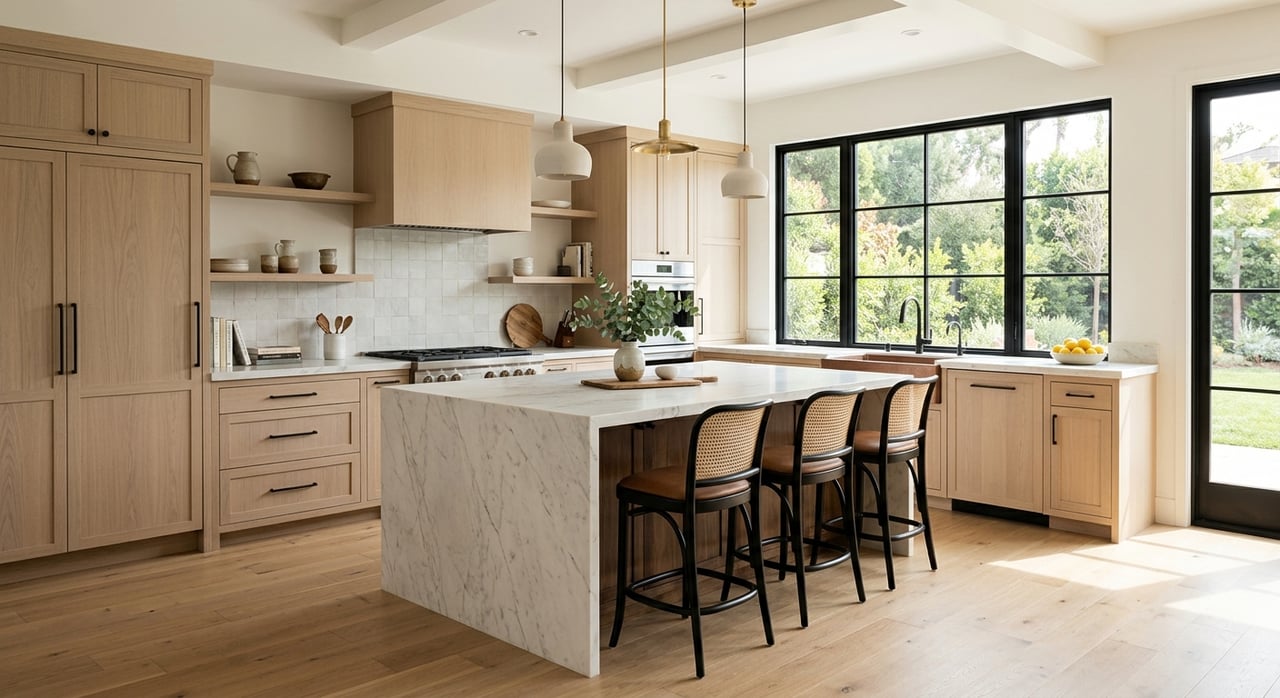
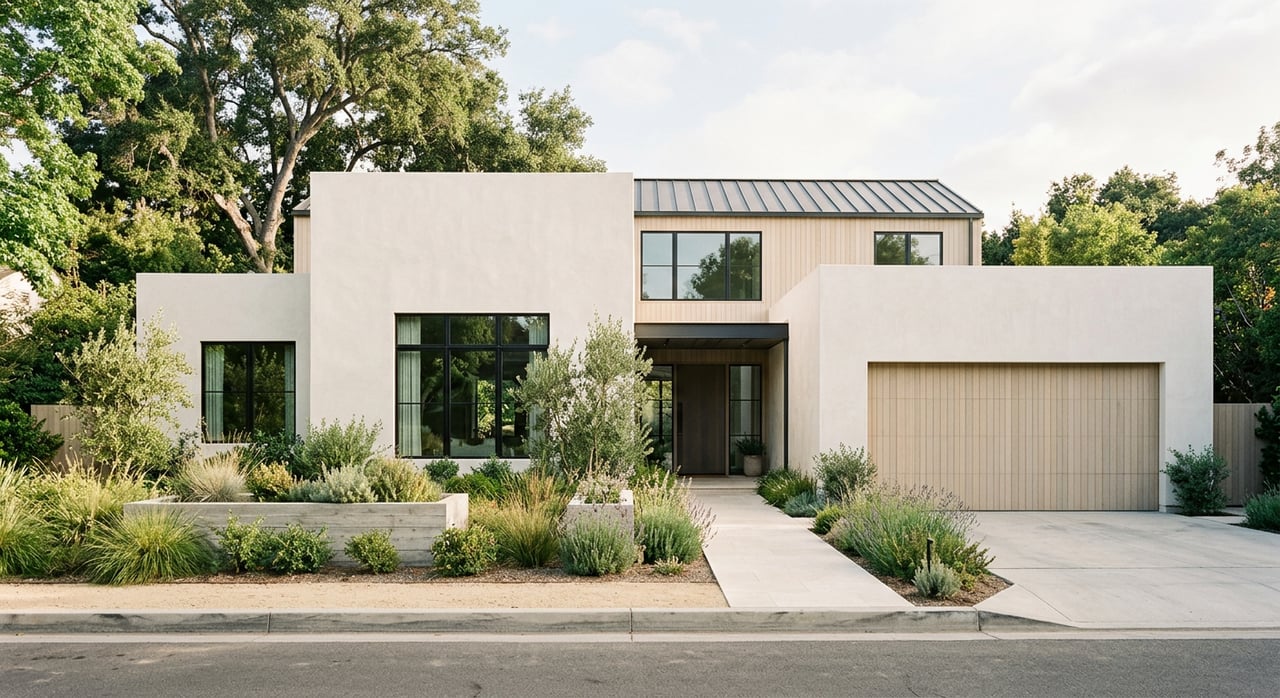
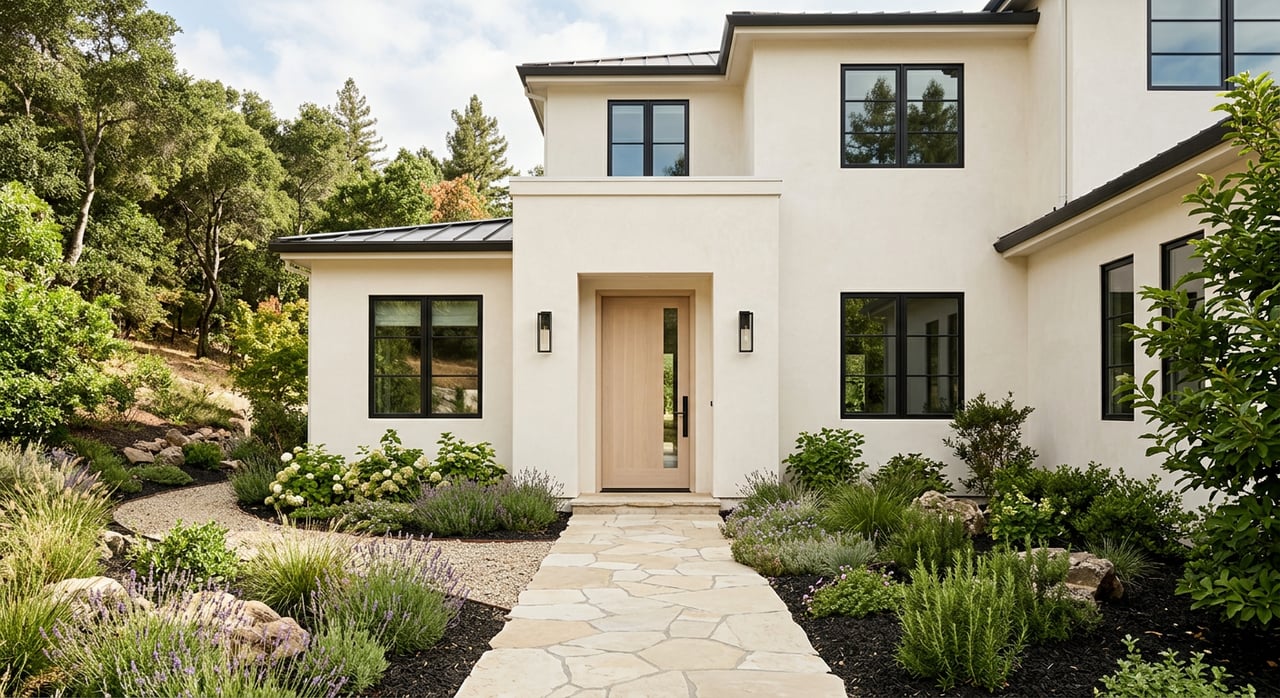
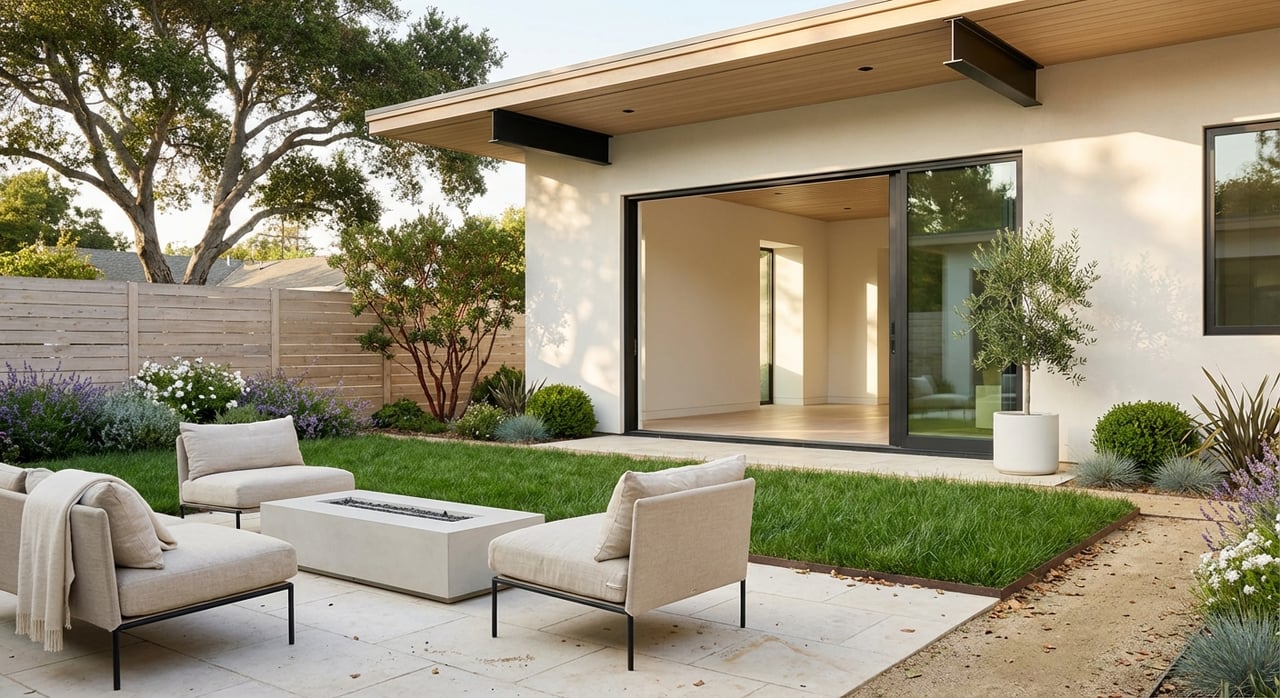
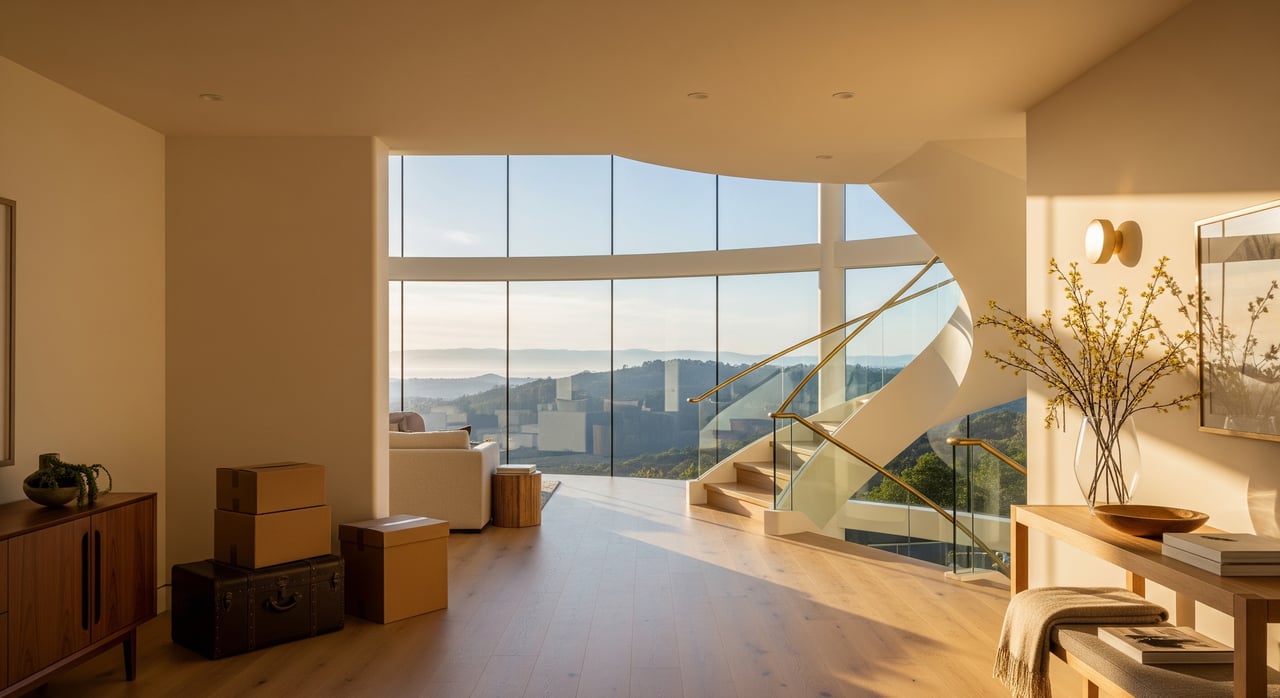
For design-forward homes and architecturally distinctive properties, that often means coordinating improvements before the listing goes live. Thoughtful staging, landscape refinement, photography, and visual storytelling can help buyers understand the home faster and compete more confidently.
That aligns with what the market data is showing. In a segmented market, homes that launch with clarity tend to have a better chance of capturing urgency than homes that ask buyers to imagine the finish line on their own.
Berkeley Compliance Should Start Early
If you are selling a 1 to 2 unit home in Berkeley, compliance needs to be built into your prep timeline from the start. The City of Berkeley requires a Home Energy Score assessment at the time of listing.
The score must be included in MLS property notes and in disclosure documents. It remains valid for five years, and non-compliance can trigger a $500 fee.
This is one of those details that is easy to push off when you are focused on repairs, paint, or staging. In practice, it is better to handle it early so it supports a smooth launch instead of creating last-minute friction.
Timing Your Launch in a Seasonal Market
Berkeley’s detached inventory has shown meaningful seasonal swings. Bay East’s monthly snapshots show 109 active listings and 2.3 months of supply in April 2025, dropping to just 15 active listings and 0.3 months of supply in December 2025, then rising back to 66 active listings and 1.3 months of supply in April 2026.
Days on market also shifted across those snapshots, ranging from 17 to 29 days. The clearest conclusion is not that every spring or winter behaves exactly the same, but that inventory and pace do move materially through the year.
For sellers, that makes pre-sale timing important. If you want to enter a stronger seasonal window, your repairs, staging, disclosures, compliance items, and pricing strategy should be in motion before the market window opens.
How to Read the Market Without Oversimplifying It
The Berkeley luxury market is strong, but it is not uniform. Berkeley Hills appears to remain the more consistently competitive hill submarket, while Claremont often demands tighter pricing and more careful comp analysis because it trades at a much higher level with fewer monthly sales.
That is why reading the market well is less about chasing a headline number and more about understanding where your property fits. The right strategy comes from matching your home’s location, condition, and presentation to the actual signals in its segment.
When you do that well, you give yourself a better chance to launch with confidence and capture the strongest available buyer response. If you are thinking about selling in Berkeley or the East Bay hills, Hope Broderick can help you shape a design-forward, data-aware plan built around your home and your timing.
FAQs
How fast are luxury homes selling in Berkeley?
- Berkeley homes sold in about 15 days on average in recent market data, and Berkeley Hills also showed a median of 15 days on market. Claremont was slower at about 20.5 days, which shows that timing can vary by submarket.
What does over-asking mean for a Berkeley home seller?
- It means some homes are closing above their list price, but the results vary by area and pricing strategy. Berkeley detached closings averaged 128% of list in April 2026, while the broader 94705 zip averaged 100% of list in March 2026.
How should a Berkeley Hills seller price a luxury home?
- A Berkeley Hills seller should rely on recent detached comps and current neighborhood competition rather than broad citywide medians. The market appears competitive there, but buyers still respond best to homes that are well prepared and strategically priced.
Why does a Claremont home seller need tighter pricing discipline?
- Claremont sits at a higher price point and has fewer monthly sales, which can make market signals less stable. That means one sale can skew the monthly picture, so careful comp selection matters more.
What compliance item does a Berkeley home seller need before listing?
- The City of Berkeley requires a Home Energy Score assessment for 1 to 2 unit homes at the time of listing. The score must appear in MLS property notes and disclosure documents, and non-compliance can lead to a $500 fee.
When should a Berkeley seller start pre-sale work?
- A Berkeley seller should start before the intended list date, especially if targeting a spring market window. Staging, repairs, photography, compliance, and pricing strategy are easier to manage when they are lined up early.