If you have ever driven the Berkeley Hills and wondered why one home hugs the slope in weathered shingles while another opens to the Bay through walls of glass, you are asking the right question. In Berkeley, hillside architecture is less about picking a style from a catalog and more about how a home responds to land, light, and daily life. Understanding that connection can help you read a property more clearly, whether you are buying, selling, or simply trying to understand what makes these homes so distinctive. Let’s dive in.
Why Berkeley Hills homes feel so distinct
The Berkeley Hills did not develop around a single look. Local records describe the area as shaped by Bay Area climate, steep topography, preservation ideals, and a long tradition of designing homes to fit the land rather than flatten it.
That is why the most memorable homes in the hills often feel site-specific first and stylistic second. A house here usually makes the most sense when you see how it handles grade changes, frames a canyon or Bay view, and creates usable outdoor space on a challenging lot.
What the hillside site changes
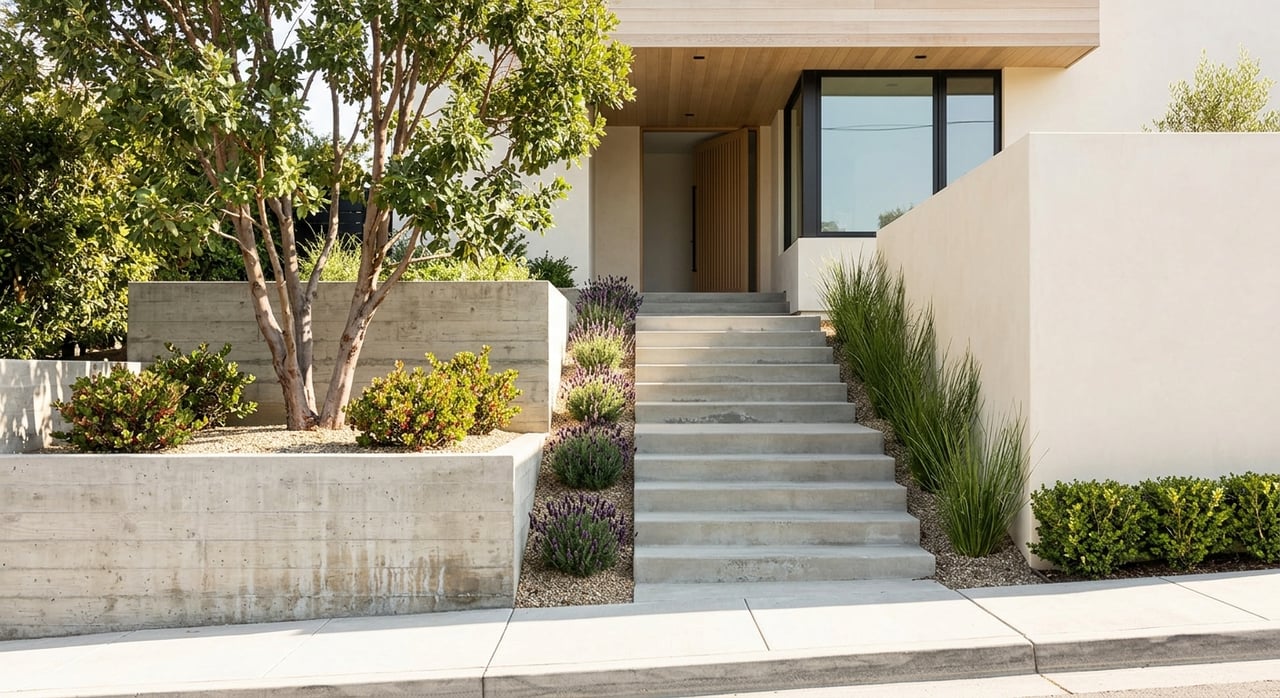
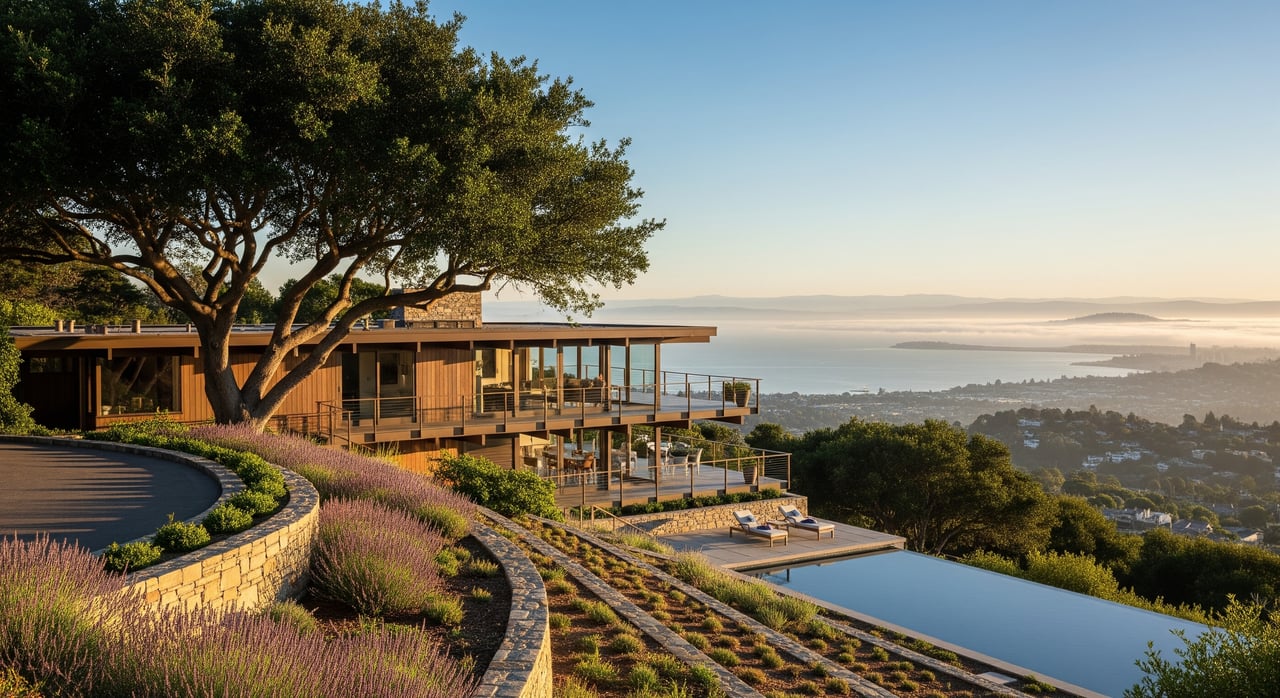
In the Berkeley Hills, steep streets, narrow roads, stairs, retaining walls, and terraces are part of the architecture. They are not unusual conditions to work around. They are part of the living experience and often part of the design story.
Many homes sit on irregular lots and use balconies, courtyards, decks, and large windows to capture air and views. In practical terms, that can mean your entry, garage, and main living spaces may sit on different levels, depending on how the house meets the street.
Why views shape the floor plan
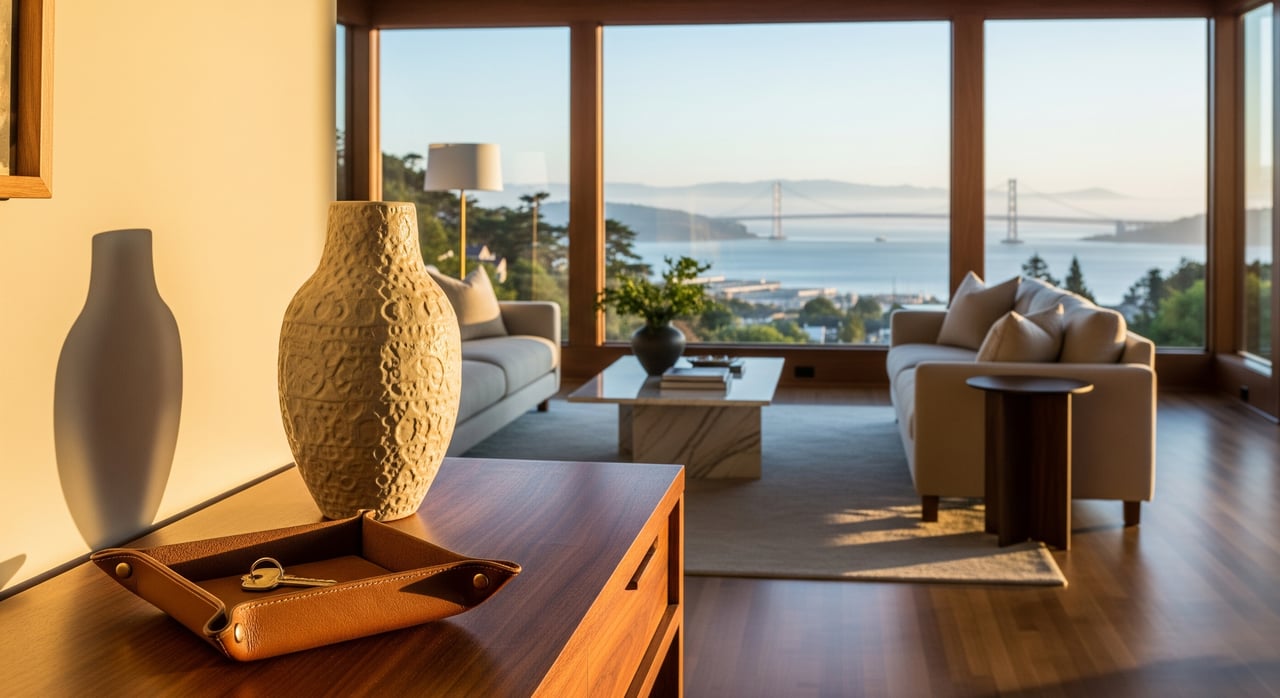
In many Berkeley Hills homes, the view side matters as much as the street-facing side. Windows, decks, and outdoor rooms often carry more design weight than the front facade because the real focus is what happens once you move through the house.
For buyers, that means a floor plan should be judged by how it lives on the lot, not just by square footage. For sellers, it means the home’s relationship to light, outlook, and terraces is often a major part of its appeal.
Key Berkeley Hills architectural styles
Craftsman, brown shingle, and Bay Tradition
In Berkeley, these labels often overlap. Local sources note that what Berkeley commonly calls brown shingle is tied to the First Bay Tradition, a regional approach shaped by climate, geography, and an informal California way of living.
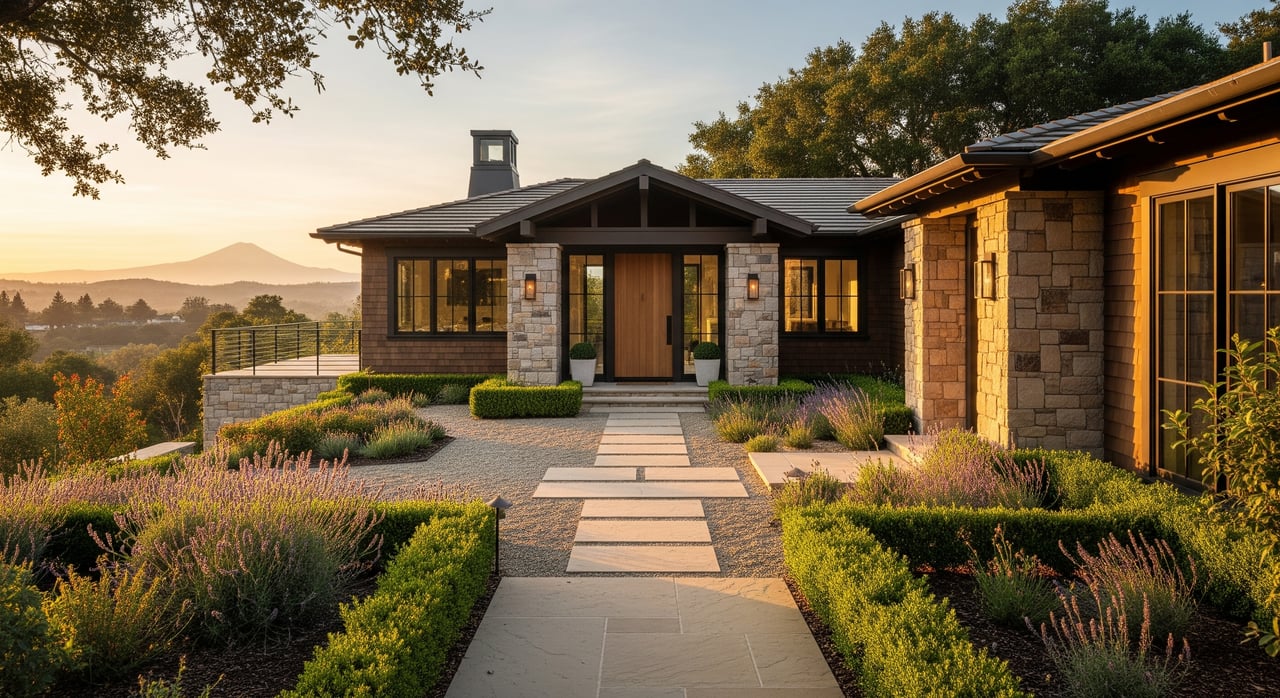
Craftsman homes typically include broad gables, stained woodwork, open interior flow for their era, and a close relationship to nature. In the hills, brown shingle and Bay Tradition homes often show tall, narrow profiles, asymmetrical plans, and prominent porches that help the structure settle into the slope.
How to recognize this style
Look for features such as:
- Wood shingle exteriors
- Deep porches or sheltered entries
- Built-ins and detailed woodwork
- Layered room sequences rather than one large open space
- A design that feels tucked into the landscape
These homes often feel warm, textured, and grounded. The tradeoff is that they may feel more intimate and segmented than later modern homes.
Mediterranean and Spanish Colonial Revival
After the 1923 Berkeley Fire, Revival styles became more common in Berkeley. In the hills, that often means stucco walls, red tile roofs, arches, balconies, and sheltered entries that feel calm and composed against sunny or windy hillside conditions.
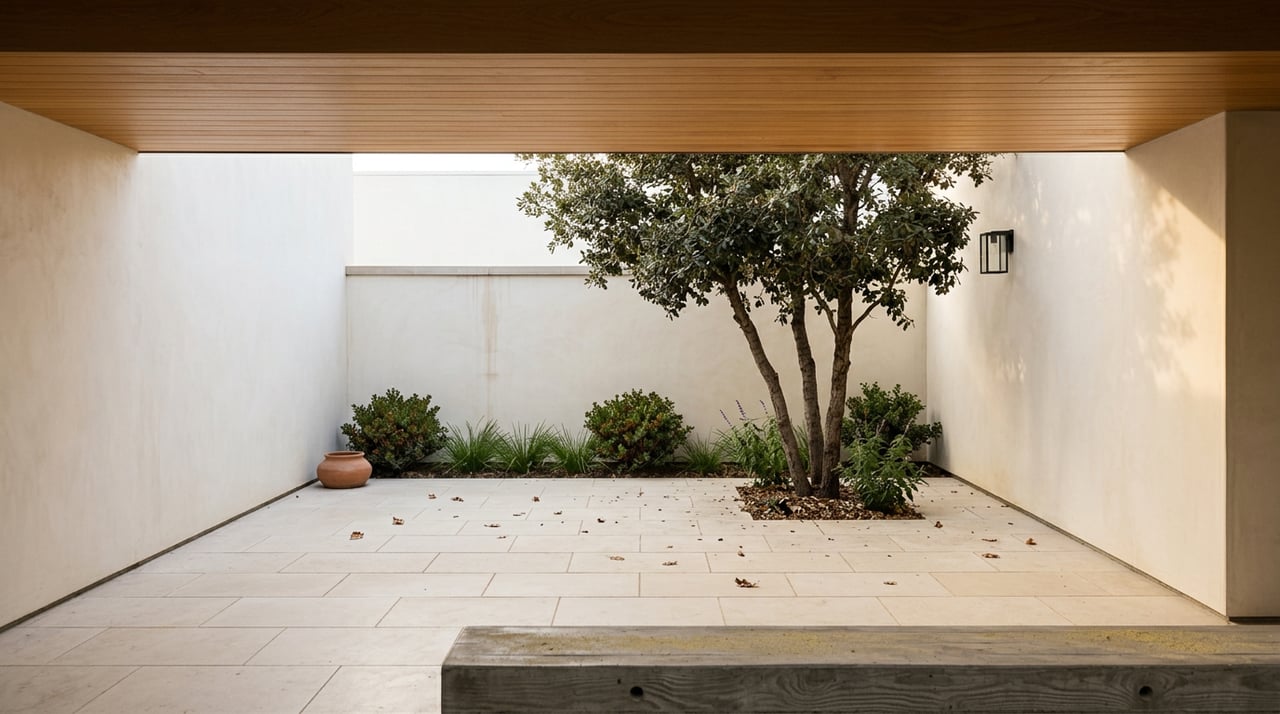
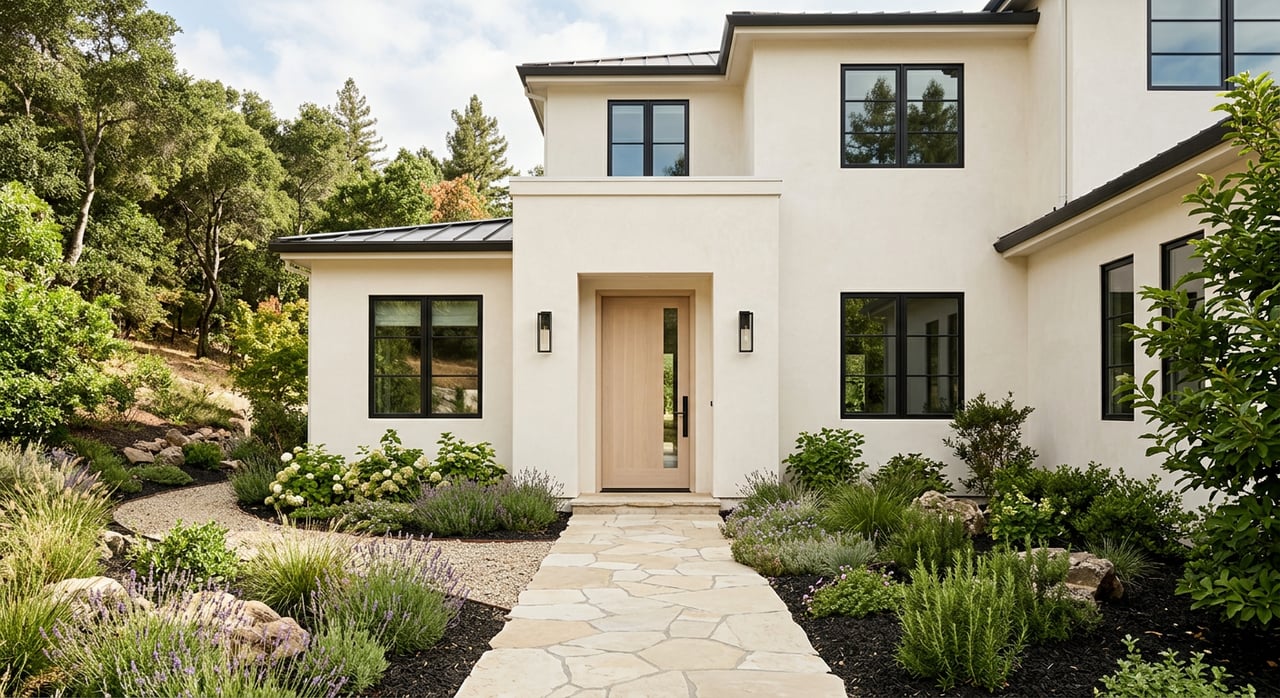
These homes can bring a more enclosed and courtyard-focused feeling than shingled houses. Rather than emphasizing wood texture, they often rely on plaster surfaces, deep openings, and outdoor spaces that feel protected and private.
How these homes tend to live
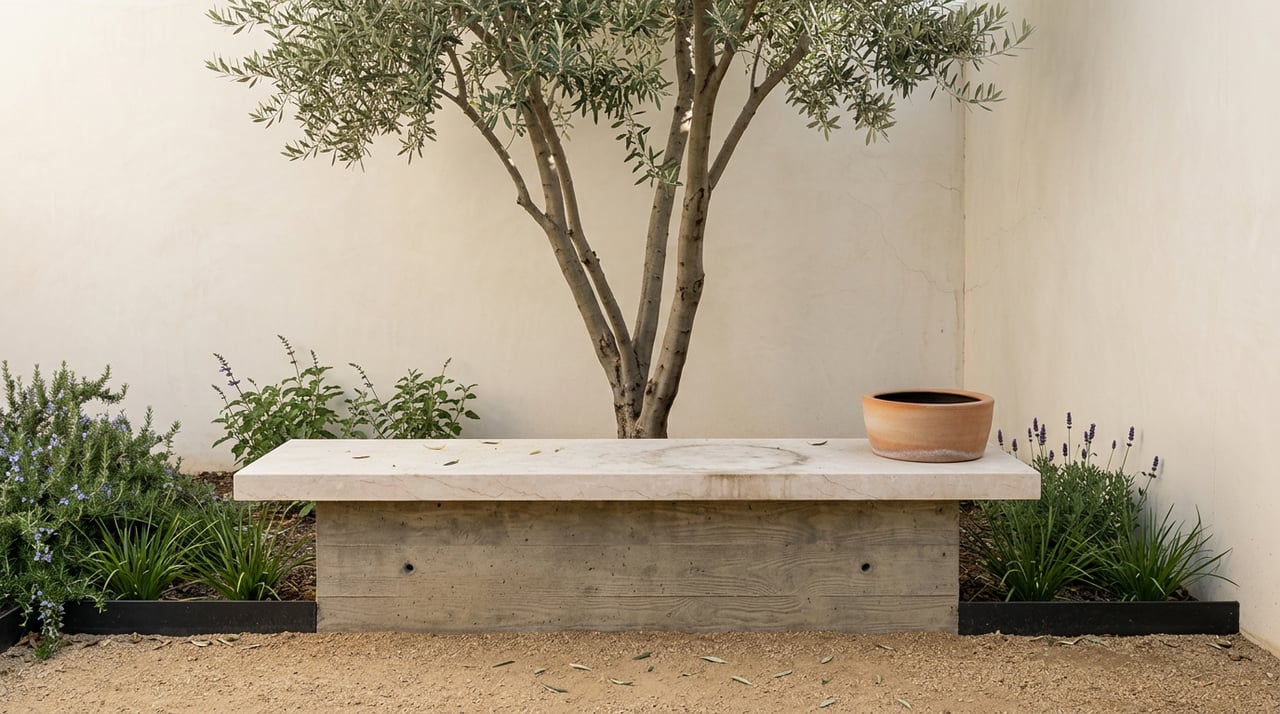
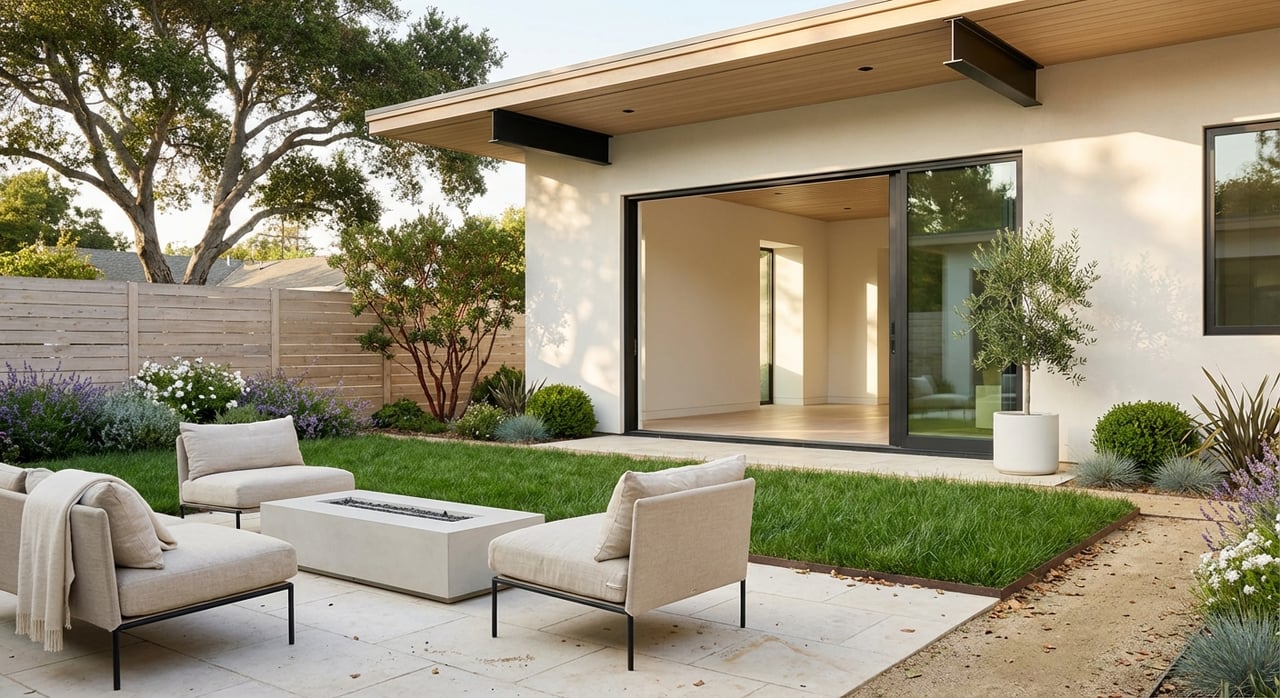
Mediterranean and Spanish Colonial Revival homes often work well for people who want strong indoor-outdoor living without a fully glassy, modern envelope. Courtyards, patios, and shaded terraces can create usable outdoor zones that feel comfortable through different parts of the day.
From a design standpoint, these homes often present a quieter street face and a more dramatic interior or garden experience. That can be especially appealing on hillside lots where wind, sun, and exposure vary from one side of the home to another.
Mid-century modern
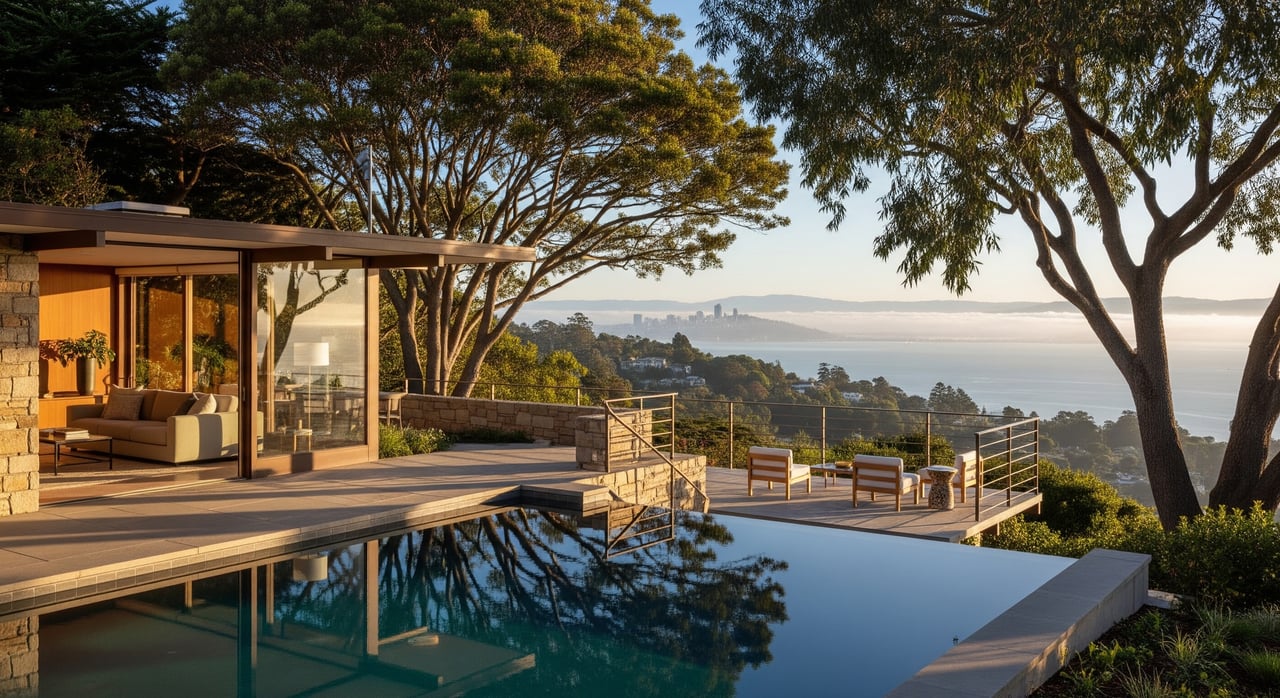
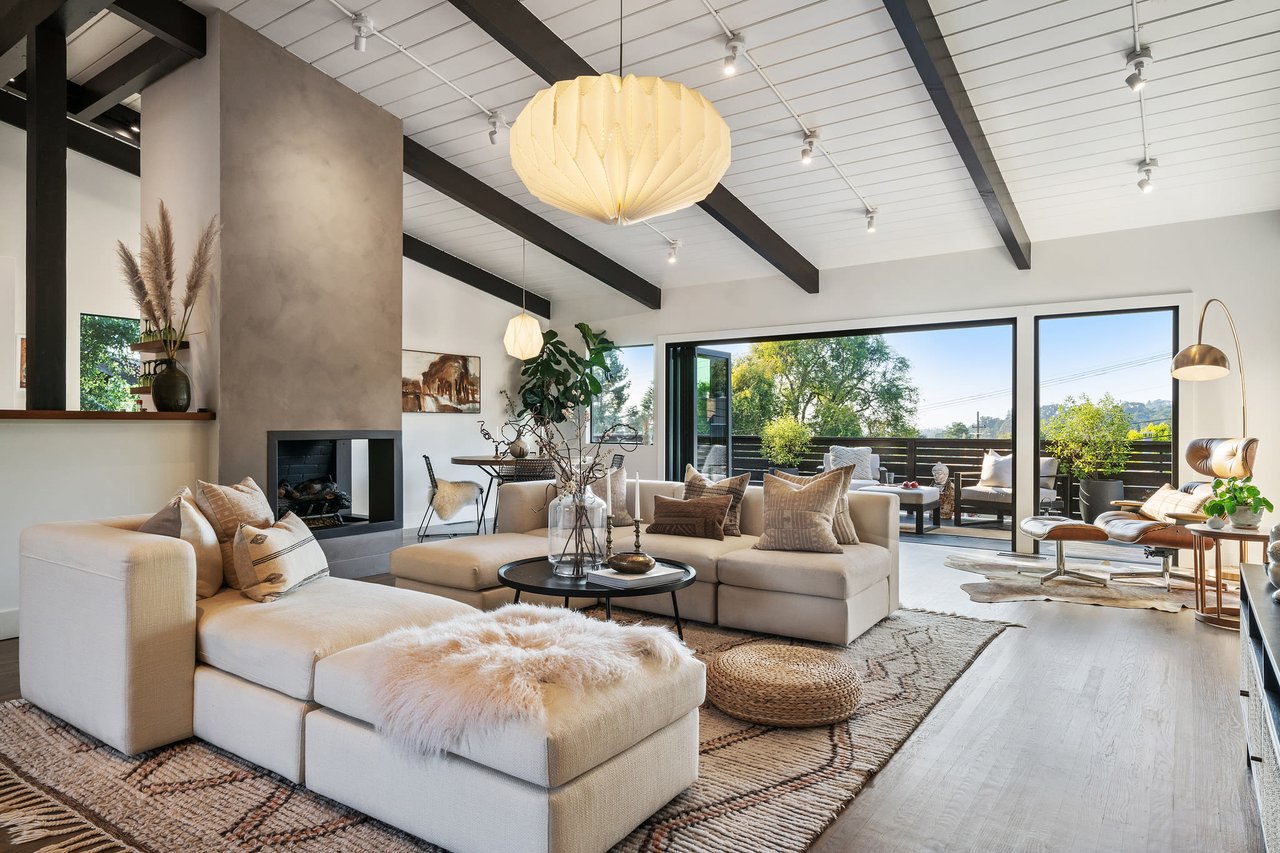
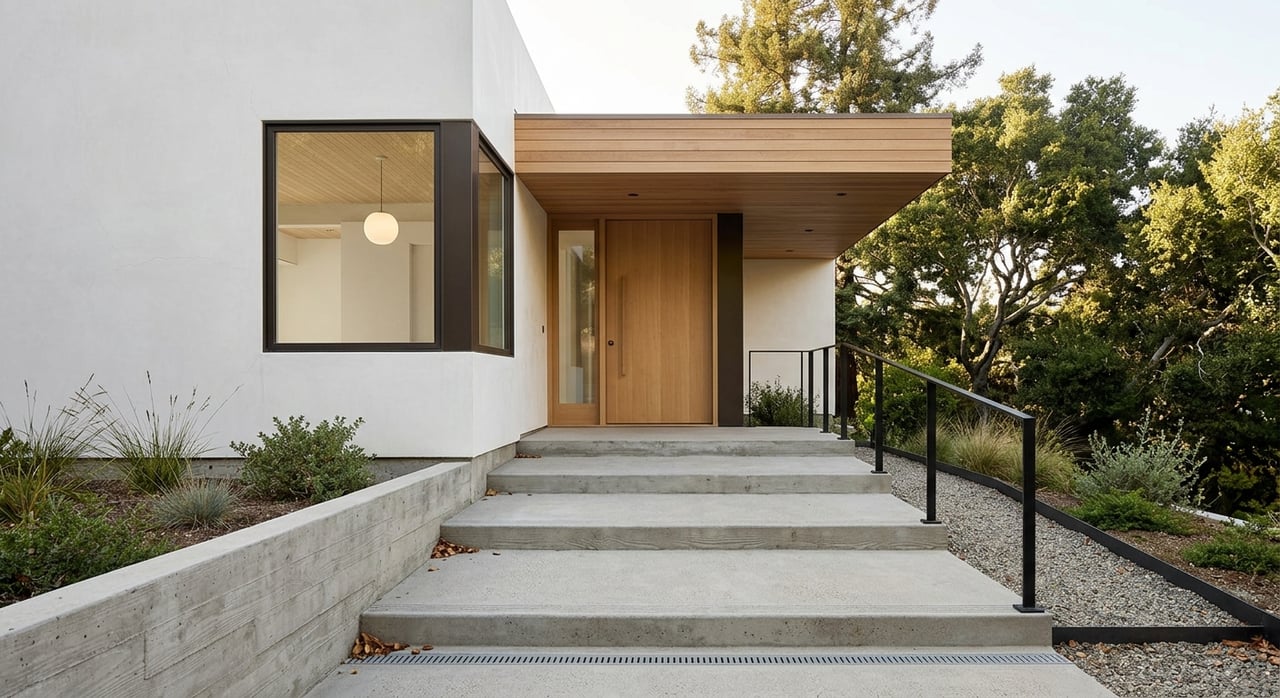
Mid-century modern homes in the Berkeley Hills usually put the landscape front and center. Instead of decorative detail, they tend to emphasize long lines, glass, open living and dining spaces, and a direct connection to the outdoors.
Berkeley Hills examples show how these homes often organize daily life around multiple view corridors and decks that extend living space outward. The result can feel airy, bright, and visually expansive.
What buyers should notice
Mid-century homes often offer strong light and sightlines, but they also ask you to think carefully about privacy and sun exposure. On a hill lot, a dramatic wall of glass may be beautiful, but how it sits on the site matters just as much as how it photographs.
If you are comparing homes, pay attention to how the main living level connects to outdoor space. In many cases, that relationship will shape your experience more than the style label itself.
Contemporary view homes
Contemporary view homes are not an official historic category. In Berkeley, they are better understood as a current hillside design strategy that continues the local pattern of orienting homes around the site.
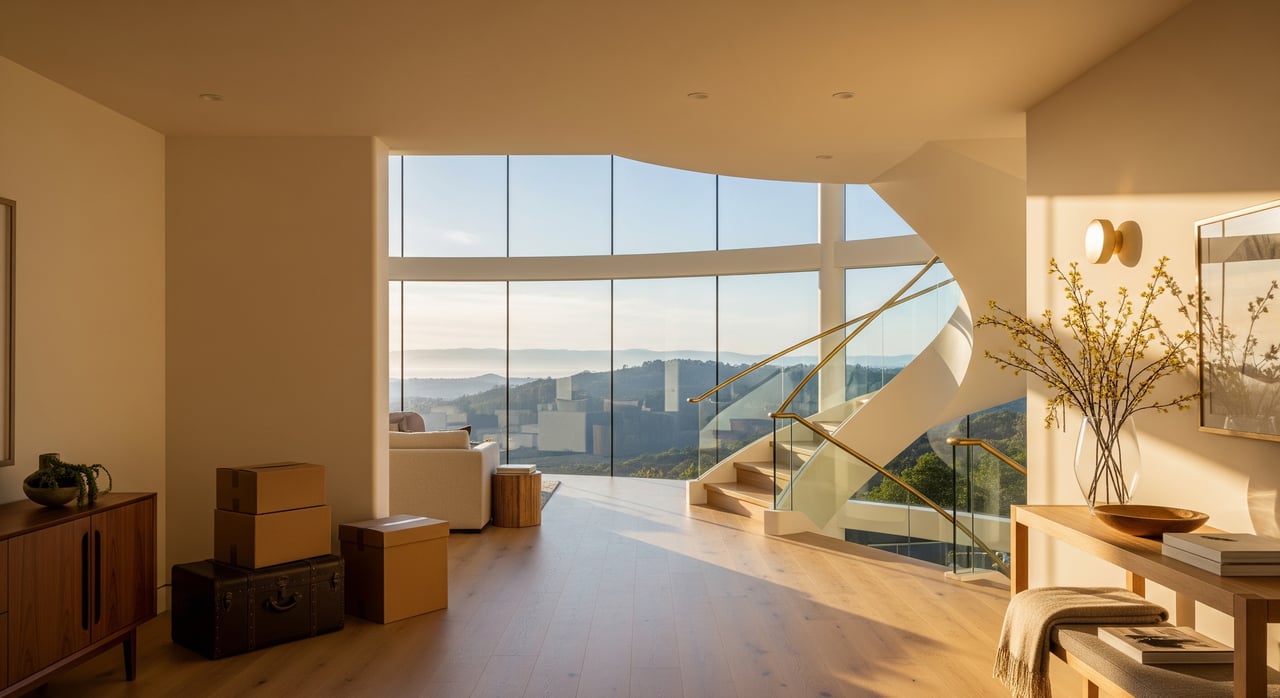
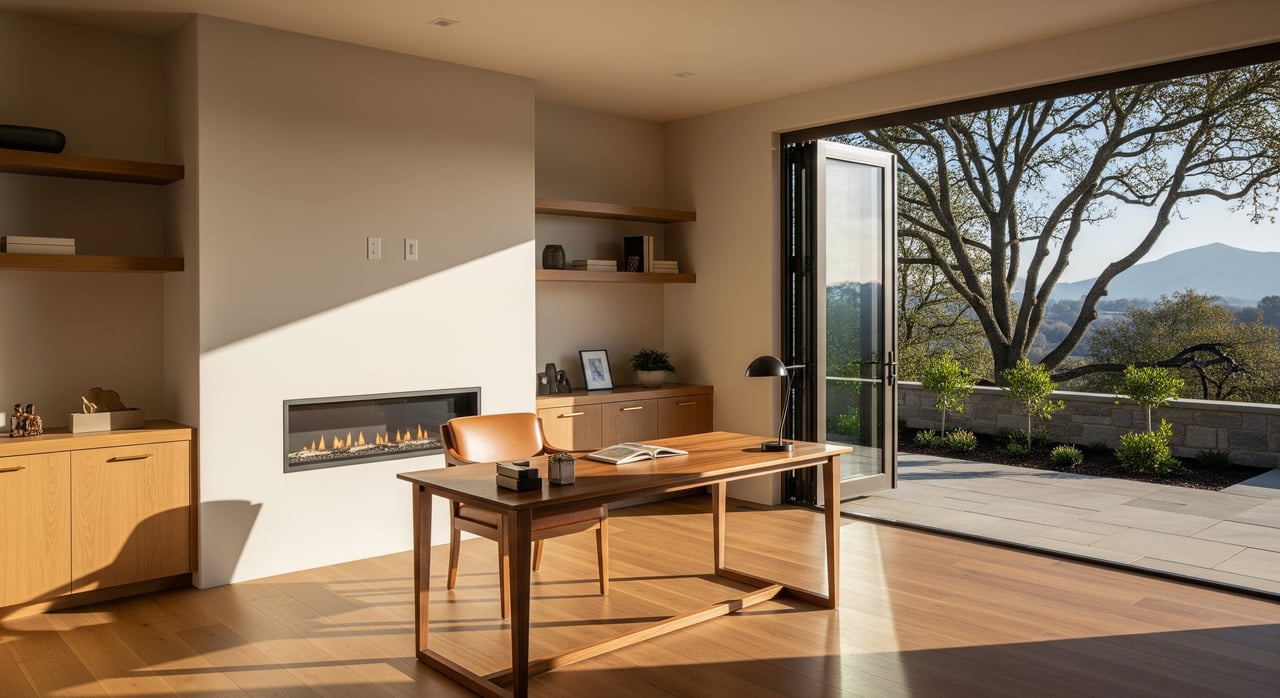
These homes often keep massing relatively simple, place primary rooms toward the view, and use decks or terraces as extensions of the interior. In that way, they follow the same hillside logic as older houses, even when the architecture looks very different.
Why they appeal to today’s buyers
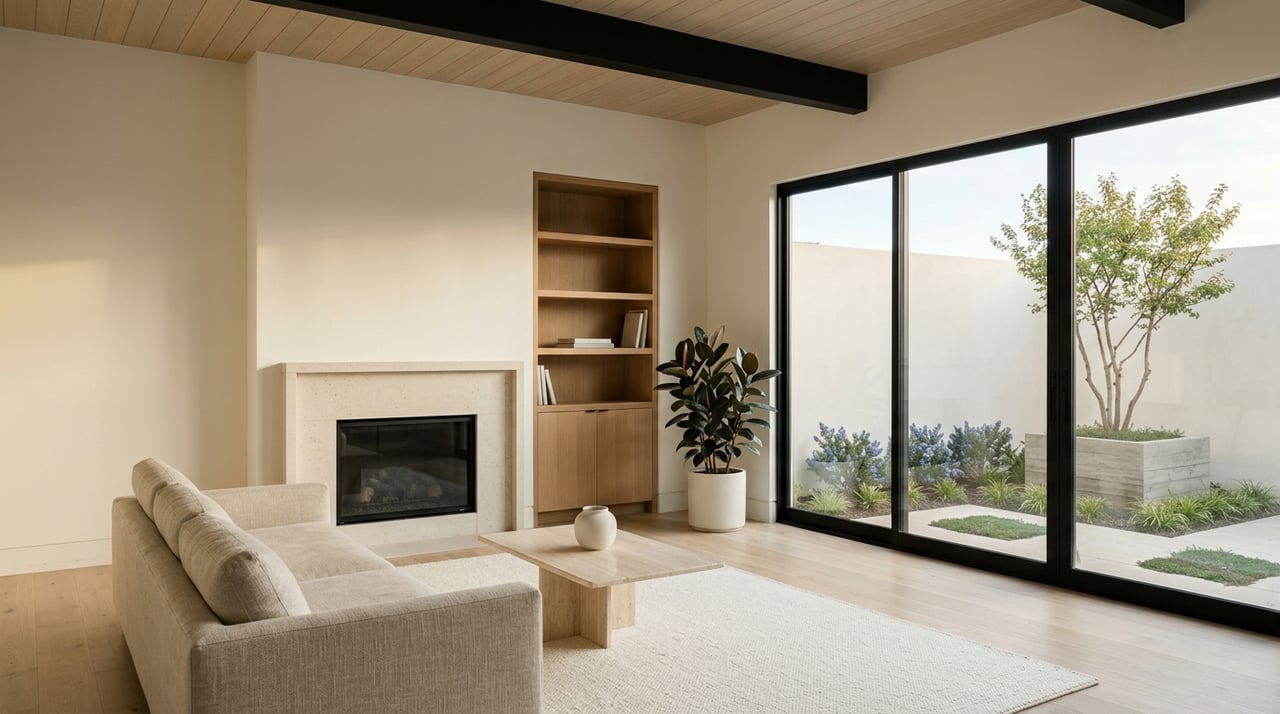
Contemporary homes often feel clean, open, and flexible. For many buyers, the draw is the combination of strong natural light, modern flow, and an easy connection between interior rooms and outdoor living areas.
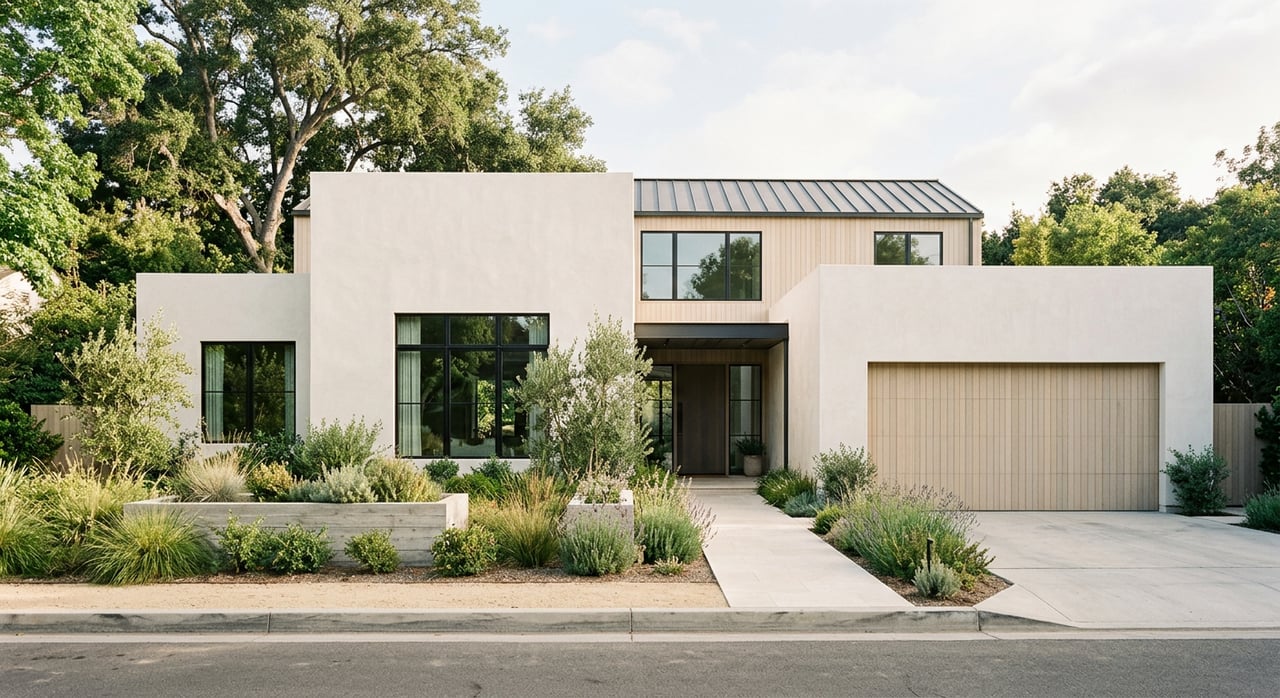
For sellers, presentation matters here. Because these homes often rely on volume, glazing, and visual calm, thoughtful staging and landscape editing can make the architecture read more clearly.
How style affects daily living
In the Berkeley Hills, style changes how a home feels day to day more than it changes the basics of square footage. A shingled Craftsman may feel layered and intimate, while a Mediterranean home may feel cooler and more sheltered, and a mid-century home may feel lighter and more open to the Bay.
Across all of them, the biggest question is often the same: how do the main living spaces connect to outdoor areas and views? That relationship tends to define the home’s lived experience.
Common hillside patterns to expect
A few features show up again and again in Berkeley Hills homes:
- Split-level entries and parking due to steep grade
- Terraced gardens and retaining walls integrated into the design
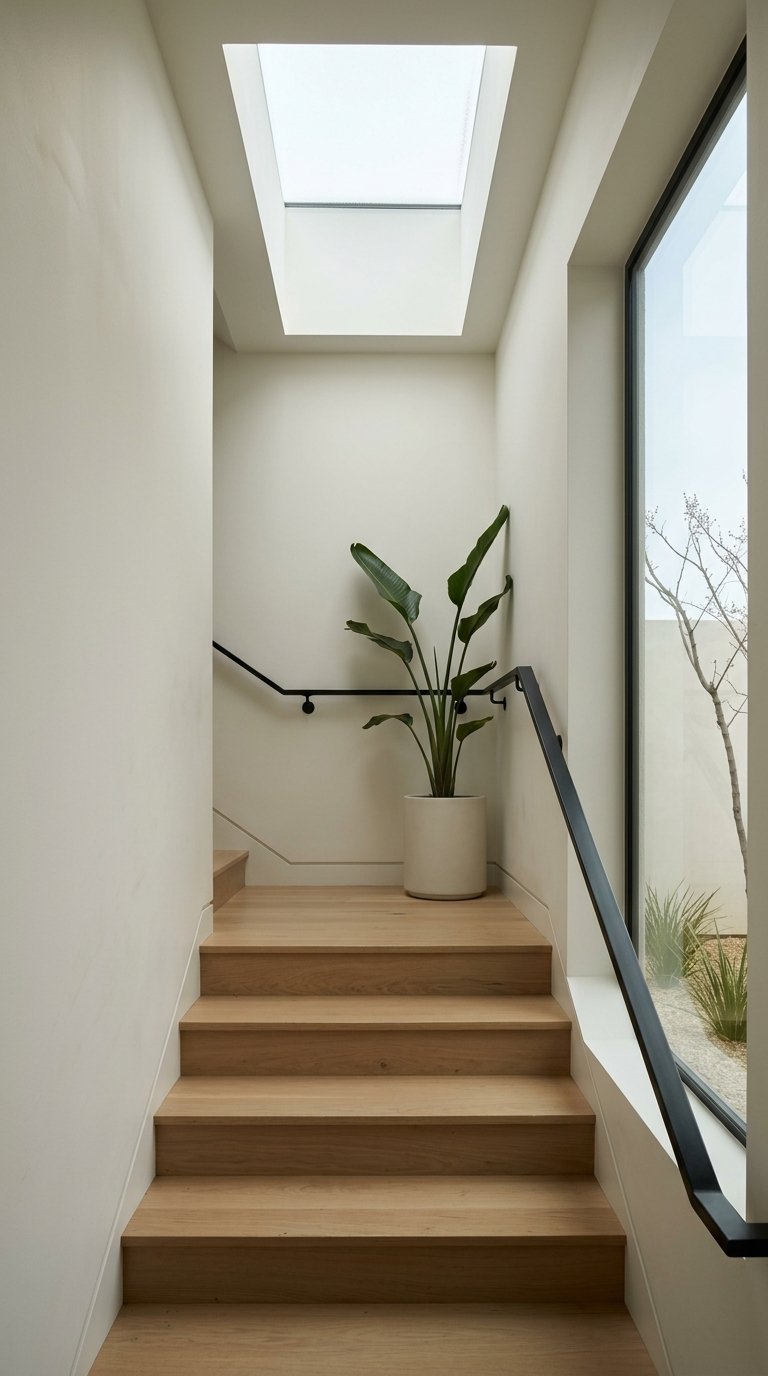
- Stair systems that are part utility and part architecture
- Balconies, decks, and courtyards that function like extra rooms
- View-facing windows that shape the home more than the front elevation
When you walk a property, these are often more important than a style label alone. A beautiful house still has to work for the way you actually move through it.
What buyers should pay attention to
If you are buying in the Berkeley Hills, start with the lot before the finishes. Ask how the home handles slope, where the main living level sits, how many stairs are part of daily life, and whether the outdoor spaces feel usable rather than simply scenic.
Then look at the architecture through that lens. A home may be Craftsman, Mediterranean, mid-century, or a hybrid, but the real value often lies in how well the design responds to light, outlook, and access.
Questions worth asking on a tour
Here are a few useful questions to keep in mind:
- How does the house meet the street?
- Where are the main entertaining spaces in relation to the view?
- Are decks, terraces, and stairs integrated well into the property?
- How much of daily living happens on one level versus several?
- Does the plan work with the slope or fight it?
Those answers can tell you more than a style description in a listing ever could.
What sellers should document and highlight
For sellers, Berkeley Hills buyers often respond to both authenticity and site responsiveness. Original shingles, windows, tile, stair systems, decks, and other architectural details can all help tell the home’s story.
It also helps to organize records for major alterations, permit history, and any wildfire-related upgrades. In a design-conscious, preservation-aware market like Berkeley, thoughtful documentation can support buyer confidence.
Why permits and preservation matter
Berkeley notes that a property may qualify as a landmark if it represents a notable architectural style or is the work of a master. For designated properties, exterior alterations require a Structural Alteration Permit before building permit consideration, and complete uncomplicated applications are typically processed in about 3 to 12 months.
That does not mean every hillside home has preservation restrictions, but it does mean style can carry practical implications. If you are planning work before listing or after purchase, it is smart to understand whether the property has any designation or review considerations.
HIllside rules and wildfire readiness
Some Berkeley building regulations apply specifically in hillside fire zones. The city states that buildings in those zones must use materials and construction methods resistant to wildfire.
Berkeley also notes that residents in Zones 2 and 3 can access home-hardening programs such as free metal mesh and gutter guards. The city’s GIS tools can also show creek setbacks, landslide zones, fire hazard severity zones, and evacuation-related data.
Why this matters in real life
For buyers, these details help you evaluate a property beyond its aesthetics. For sellers, they can become part of the home’s preparation story, especially when upgrades show care, code awareness, and long-term stewardship.
In the hills, architecture is never just visual. It is also about resilience, maintenance, and how the home performs on a very specific piece of land.
The real takeaway on Berkeley Hills architecture
The best way to understand Berkeley Hills architecture is to stop looking for rigid categories and start looking for fit. A house here succeeds when it responds gracefully to slope, light, vegetation, access, and view, regardless of whether it wears shingles, stucco, or steel-framed glass.
That is also why these homes are so compelling. They are not just beautiful objects. At their best, they are deeply personal solutions to the challenge and opportunity of hillside living.
If you are preparing to buy or sell a Berkeley Hills home, a design-savvy strategy can make those architectural strengths easier to see and easier to value. To explore your next move with local insight and thoughtful guidance, connect with Hope Broderick.
FAQs
How can you tell if a Berkeley Hills home is Craftsman, brown shingle, or a hybrid?
- In Berkeley, those labels often overlap. Look for wood shingles, porches, stained woodwork, asymmetrical plans, and a design that feels closely tied to the landscape rather than one pure textbook style.
Which Berkeley Hills home styles are best for indoor-outdoor living?
- Mid-century and contemporary homes often create the strongest visual flow to the outdoors, while Craftsman and Mediterranean homes can also offer excellent indoor-outdoor living through porches, terraces, balconies, and courtyards.
What matters most when evaluating a Berkeley Hills lot?
- Pay close attention to view orientation, the number of stairs, retaining walls, terraced outdoor areas, and whether the floor plan works naturally with the slope.
What should Berkeley Hills sellers document before listing a home?
- It is helpful to gather records for original architectural features, major alterations, permit history, decks and stair systems, and any wildfire-related upgrades or code-aware improvements.
Do Berkeley Hills architectural details affect permits?
- Yes, they can. Berkeley notes that some properties may qualify for landmark status, and designated properties require a Structural Alteration Permit for exterior changes before building permit review.
Do wildfire rules apply to all Berkeley Hills homes?
- Some building rules apply specifically in hillside fire zones, where Berkeley requires wildfire-resistant materials and construction methods. The city also provides mapping tools and certain home-hardening resources for eligible hill residents.