If you are getting ready to sell in Orinda, one question matters early: what will make your home feel polished, current, and easy for buyers to say yes to? In a market defined by high home values, older housing stock, and design-sensitive buyers, the way your home is prepared before it goes live can shape both first impressions and the path to closing. This guide walks you through what concierge listing prep usually looks like in Orinda, what projects tend to matter most, and how a thoughtful plan can create a smoother launch. Let’s dive in.
Why prep matters in Orinda
Orinda is a high-value, mostly single-family market where presentation carries real weight. According to Bay East community and market data, the city has 7,232 housing units, 96.3% of them are single-family detached, and the homeownership rate is 88.1%. Census figures in that same profile show a median value of owner-occupied homes of $1,804,400.
Recent detached-home numbers also support the case for a polished debut. In the Bay East Orinda detached-home report, February 2026 median sale price reached $2.4 million, with about 1.4 months of inventory and roughly 23 days on market. In a setting like this, buyers often notice condition, styling, and photo quality quickly.
That does not mean you need a full remodel. In most cases, concierge listing prep is a targeted sequence of improvements designed to reduce buyer friction, improve visual appeal, and help your home come to market with a clear, cohesive story.
What concierge listing prep means
At its core, concierge listing prep is a managed pre-sale process. Instead of handling painters, landscapers, stagers, cleaners, photographers, and timelines on your own, you work through a coordinated plan that prioritizes the changes most likely to improve buyer perception.
For Orinda homes, that often means aiming for a turnkey look without pushing beyond the home’s scale or architectural character. The city’s residential design review framework reinforces the value of context-sensitive improvements, which is one reason strategic refreshes often make more sense than dramatic overhauls.
The typical Orinda prep workflow
Start with a full walkthrough
The first step is a detailed assessment of the home. You want to identify visible repairs, deferred maintenance, disclosure-related concerns, and design opportunities before any work begins.
This phase also aligns with California transaction expectations. The California Department of Real Estate consumer guidance notes that seller disclosures cover physical condition, hazards, and defects, and that agents are responsible for a visual inspection of readily observable issues. In practical terms, that makes the initial walkthrough the right time to create a written scope and decide what should be repaired before photos and showings.
Build a design-focused plan
Once the condition assessment is done, the next step is deciding where your budget and time will have the strongest visual impact. In most Orinda homes, that means putting early attention on paint, flooring, lighting, furnishings, curb appeal, and the rooms buyers notice first.
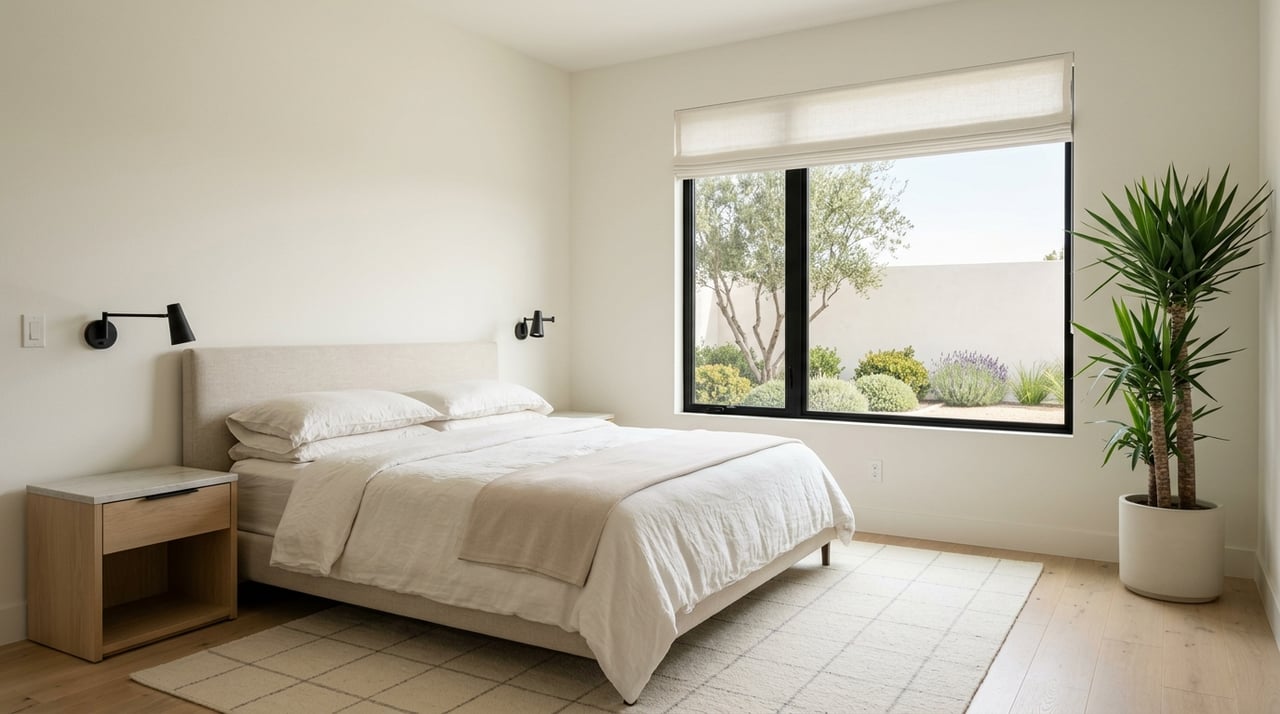
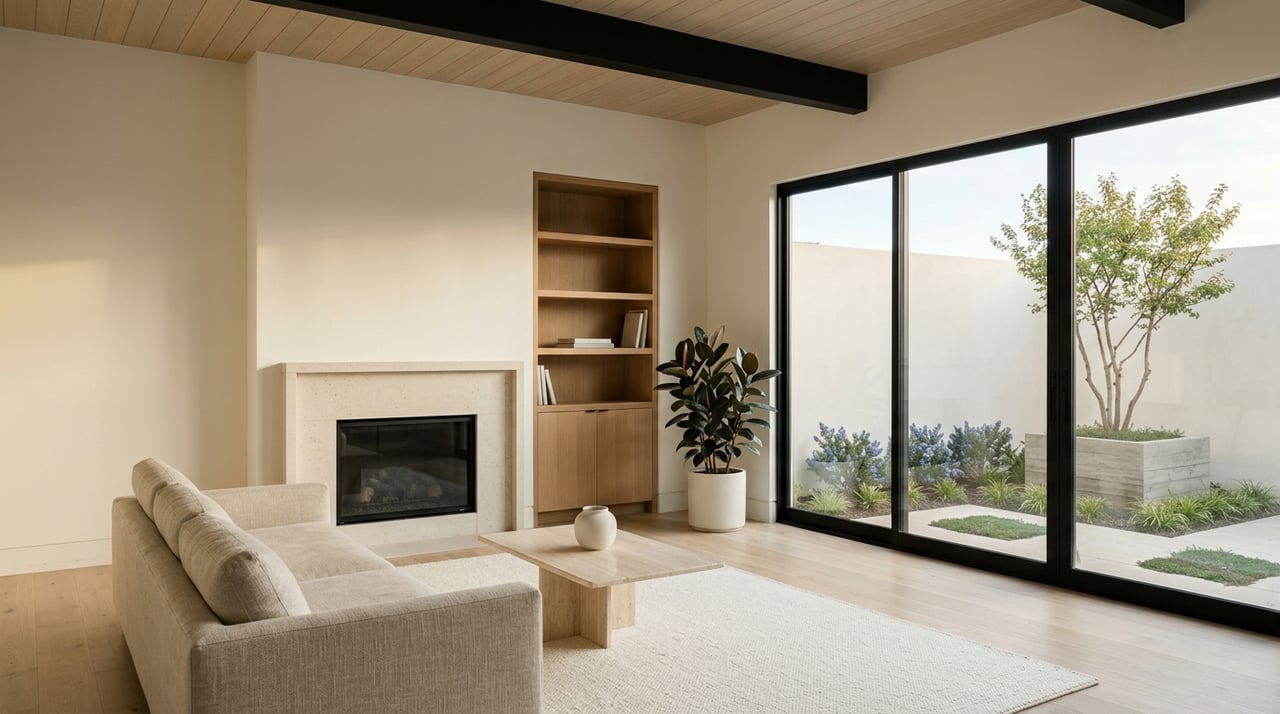
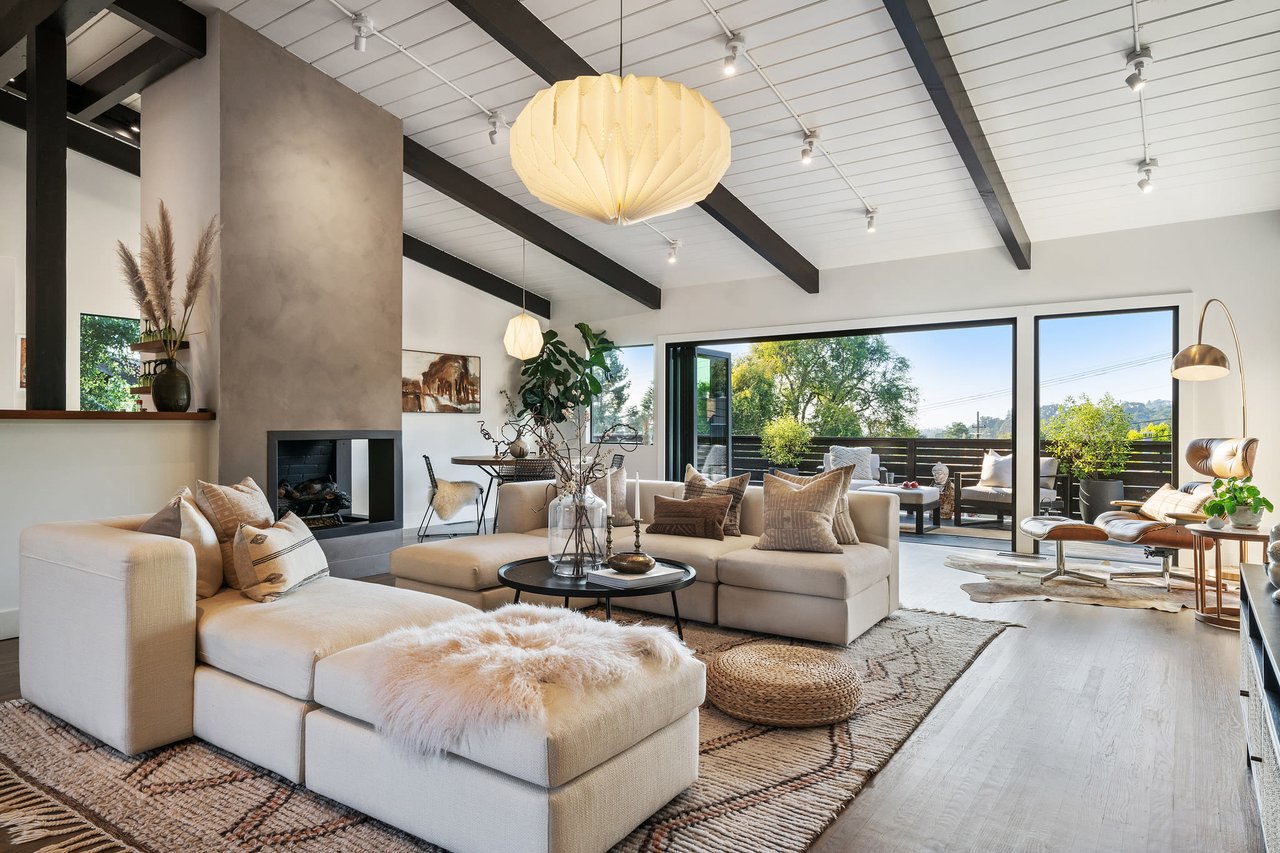
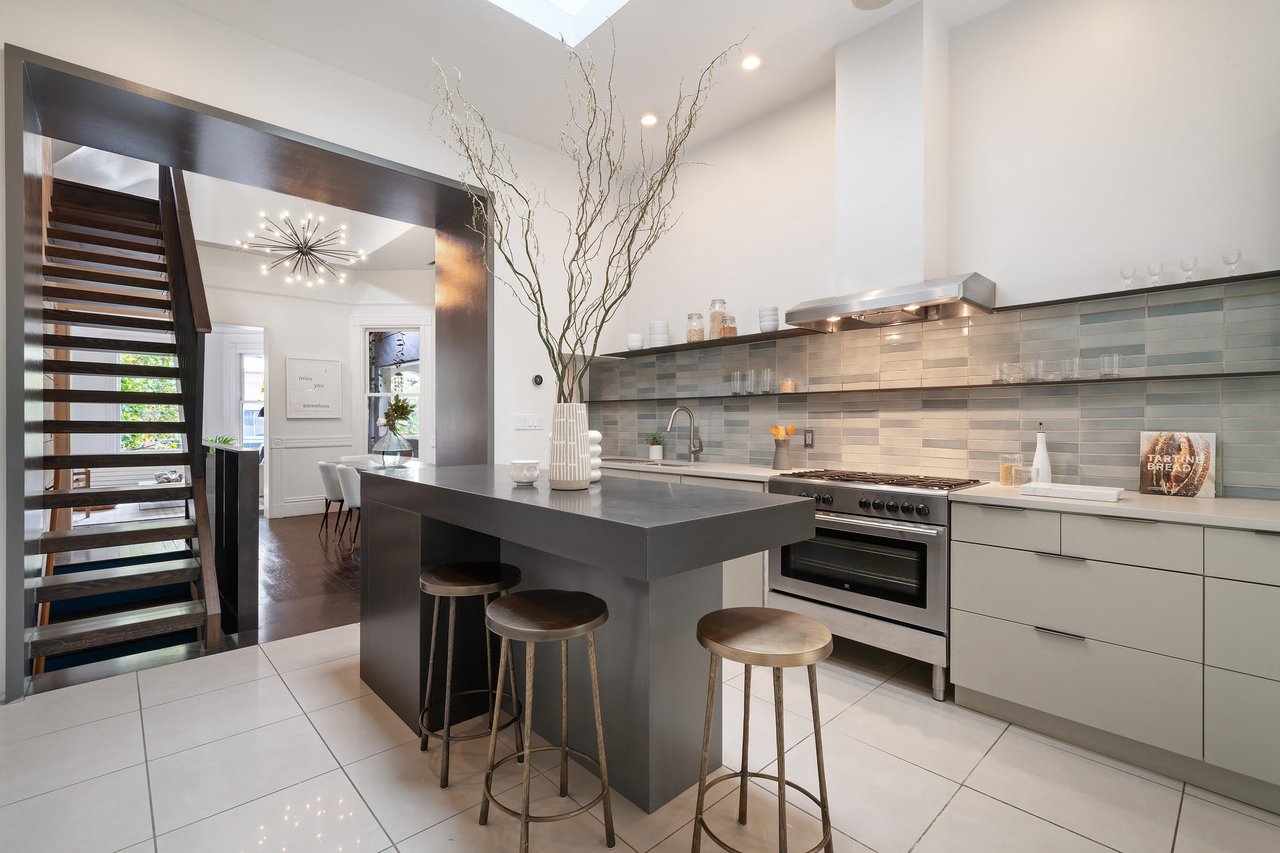
That approach is supported by the National Association of Realtors 2025 staging report, which found that 29% of agents saw a 1% to 10% increase in the dollar value offered after staging and 49% observed reduced time on market. The same report found that the living room, primary bedroom, and kitchen were the most important rooms to stage.
Coordinate vendors and timeline
This is where concierge prep becomes project management. Once the scope is set, the process usually involves scheduling trades in the right order, tracking costs, and making sure the home is camera-ready by the end of the timeline.
For Orinda sellers, this step matters because some work can trigger city review. The City of Orinda building permit information states that projects requiring a building permit also require Planning Department review unless exempt. Certain larger additions, second-story changes, narrow-lot projects, steep-slope work, or ridgeline projects can also require design review.
Stage after repairs are finished
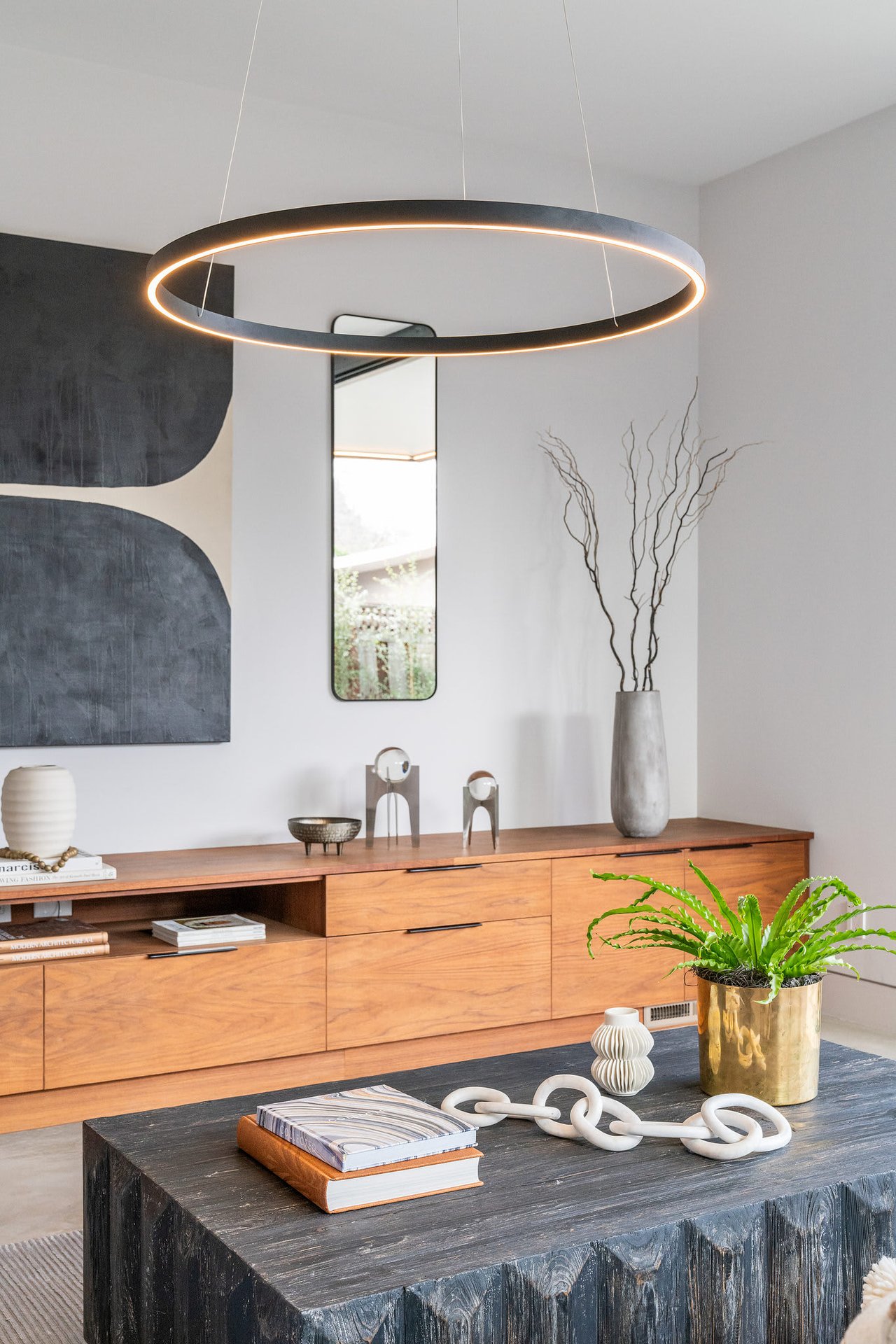
Staging works best when repair work is complete. Fresh paint, updated lighting, clean windows, repaired flooring, and tidy landscaping create the backdrop that makes furnishings and photography feel intentional.
That same NAR report notes that buyers’ agents rated photos, staging, videos, and virtual tours as important. In other words, your media day should come after the prep is done, not while trades are still moving through the property.
Launch with a clean presentation
The goal of concierge prep is not just to improve how the house looks in person. It is also to create a launch that feels complete from the first photo to the first showing.
When your home presents as move-in ready, buyers have fewer visual objections to process. That can make the property easier to understand, easier to tour, and easier to imagine as a finished product rather than a future project.
Why Orinda homes often benefit most
Older housing stock creates opportunity
Many Orinda homes were built decades ago, which means selective updates can go a long way. The city’s housing element states that about 86% of homes were 30 years old or older and about 53% were built before 1960. That age profile helps explain why dated finishes, aging systems, and deferred maintenance are common pre-market discussion points.
For you as a seller, that does not automatically mean major renovation. It means there is often clear value in addressing the visible issues that buyers are most likely to notice right away.
Ranch homes respond well to refreshes
Orinda’s architectural character also shapes what kinds of prep make sense. A Professional Builder feature on Wilder describes local housing patterns tied to California vernacular architecture, including the idea of a “Classic Orinda Ranch,” and notes that much of Orinda’s housing stock was built between the 1950s and 1970s.
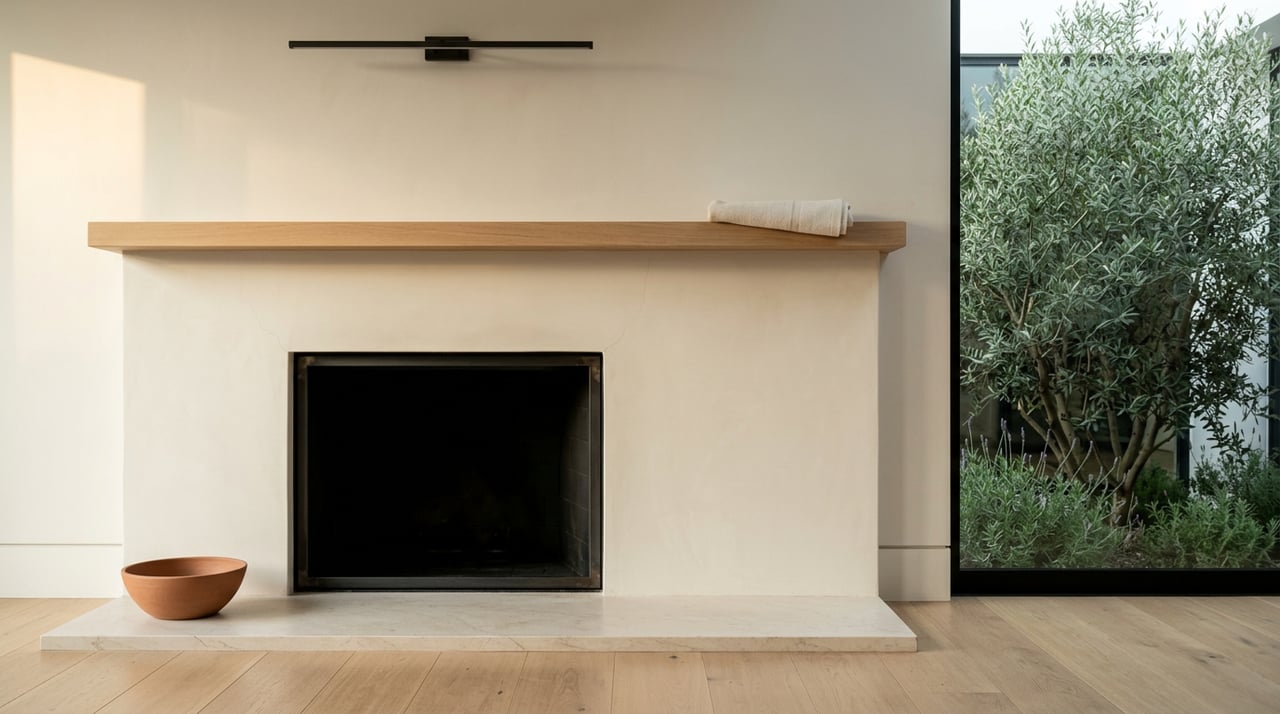
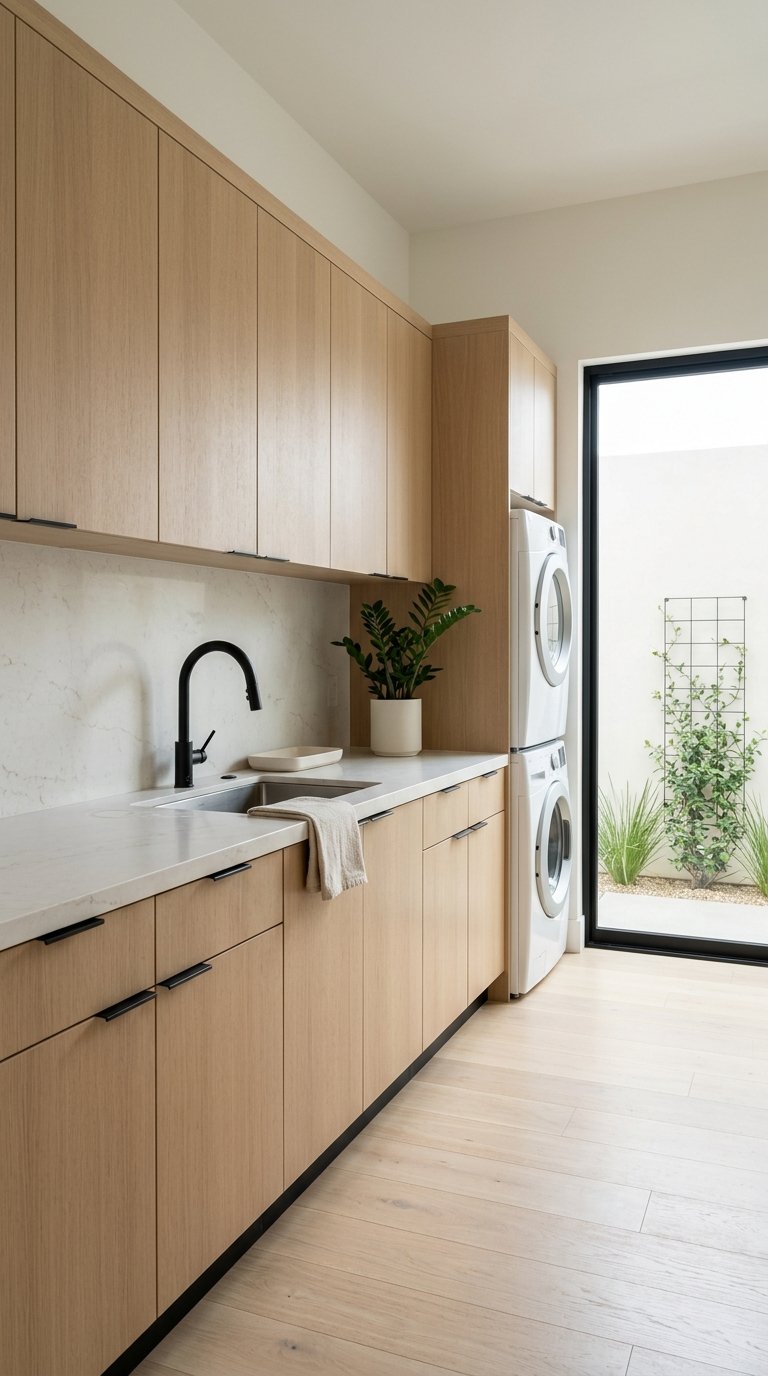
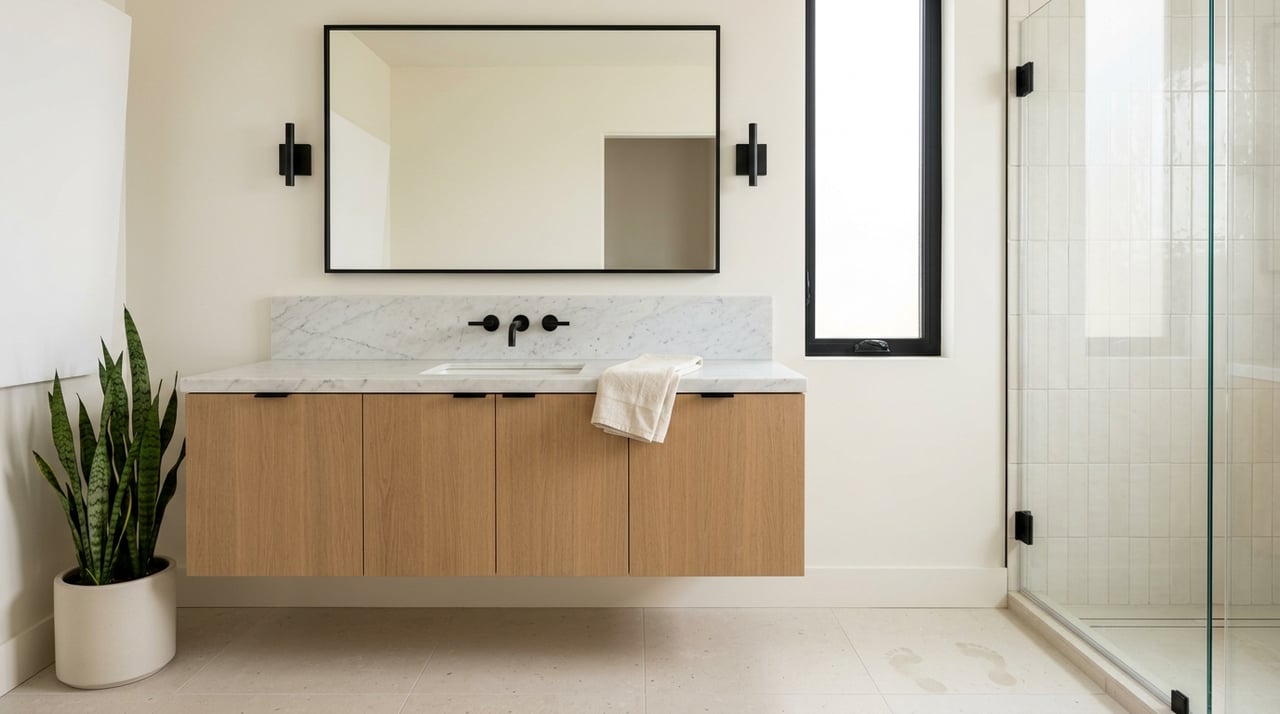
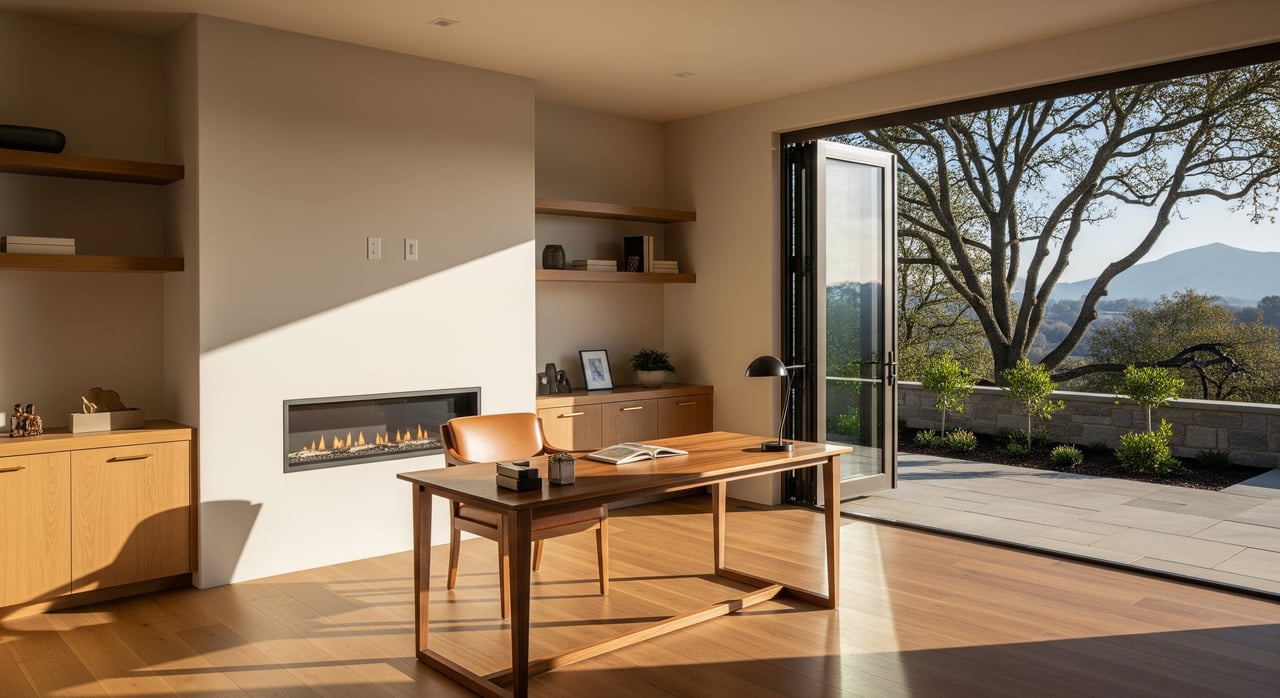
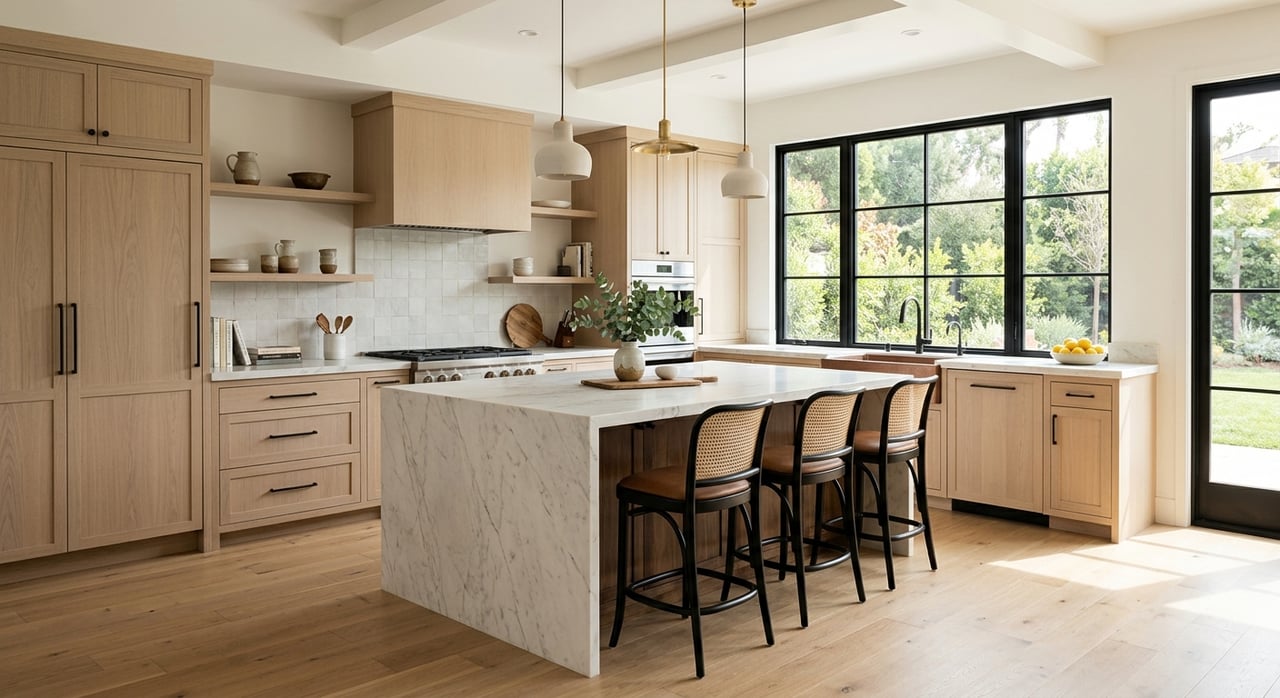
That is one reason ranch-style homes often benefit from relatively focused updates. Clean paint colors, improved lighting, refined hardware, refreshed kitchens and baths, and stronger indoor-outdoor flow can make the home feel current while still respecting its original character.
View homes need sightline editing
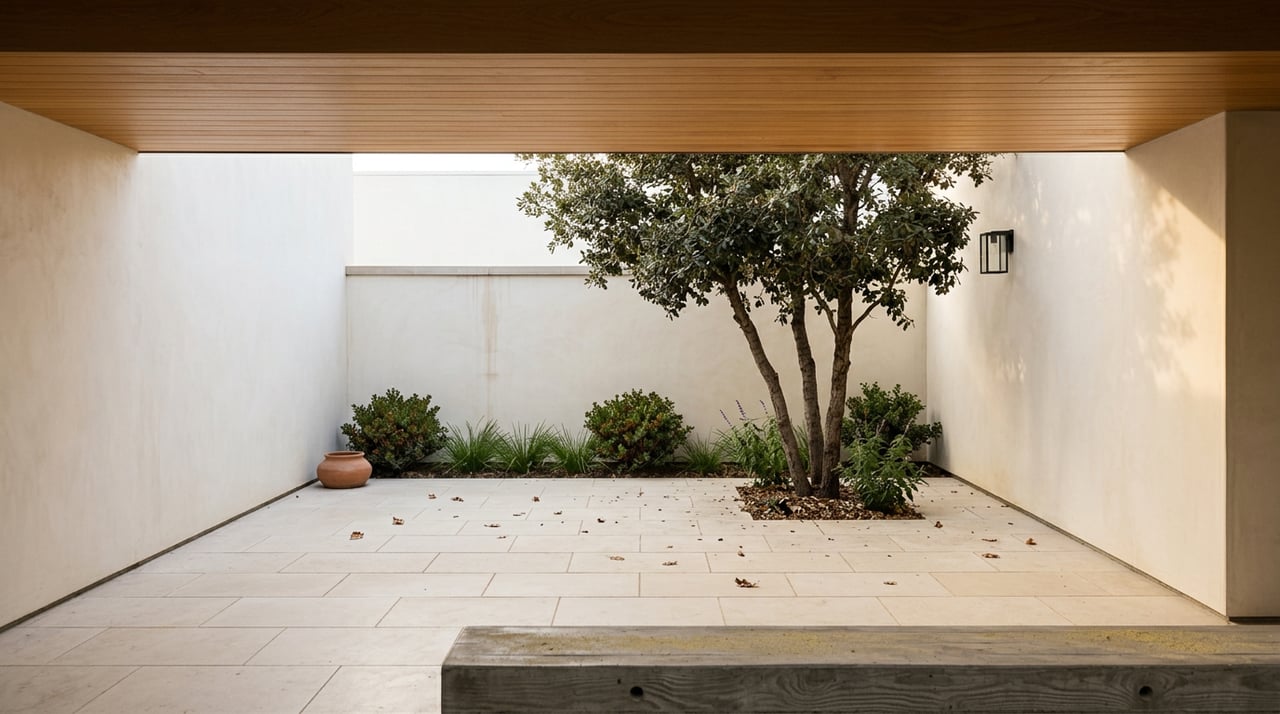
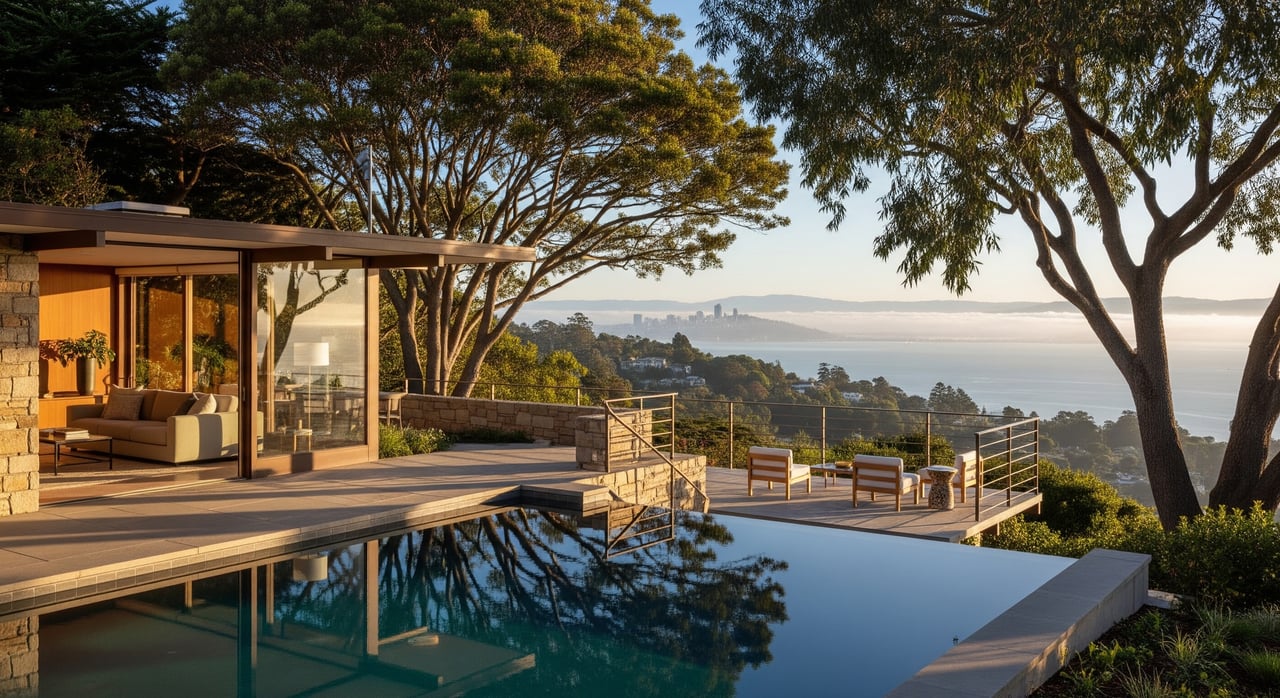
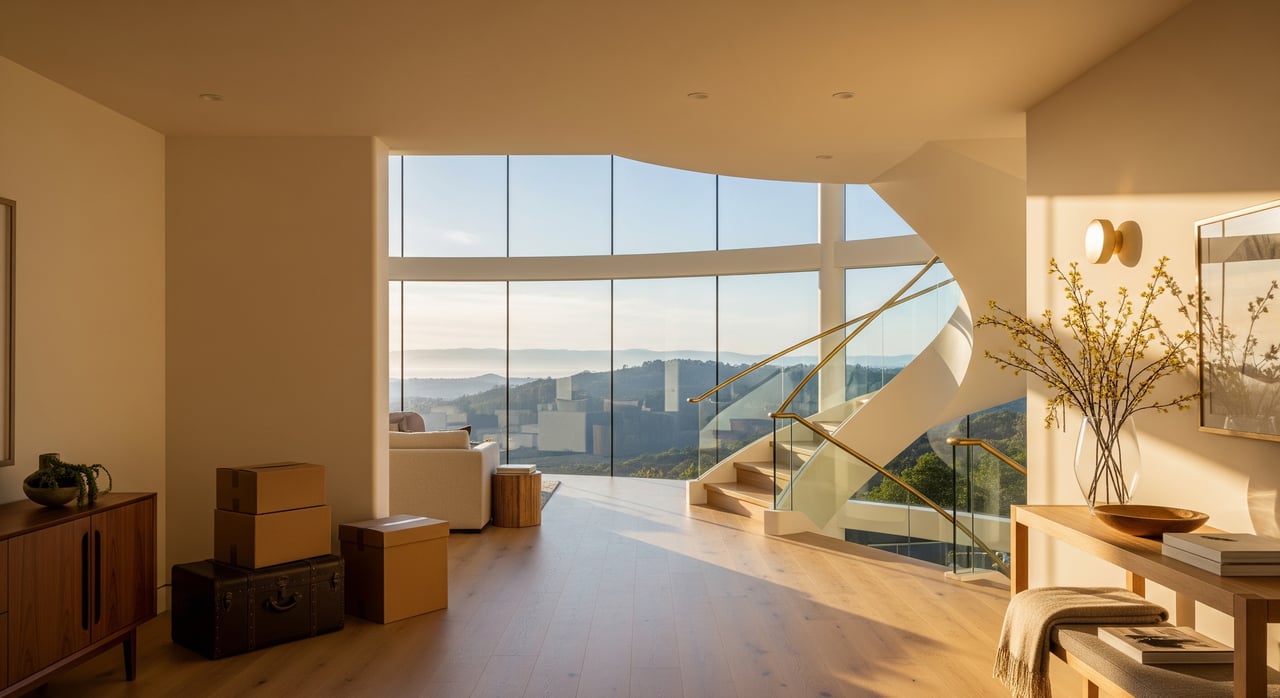
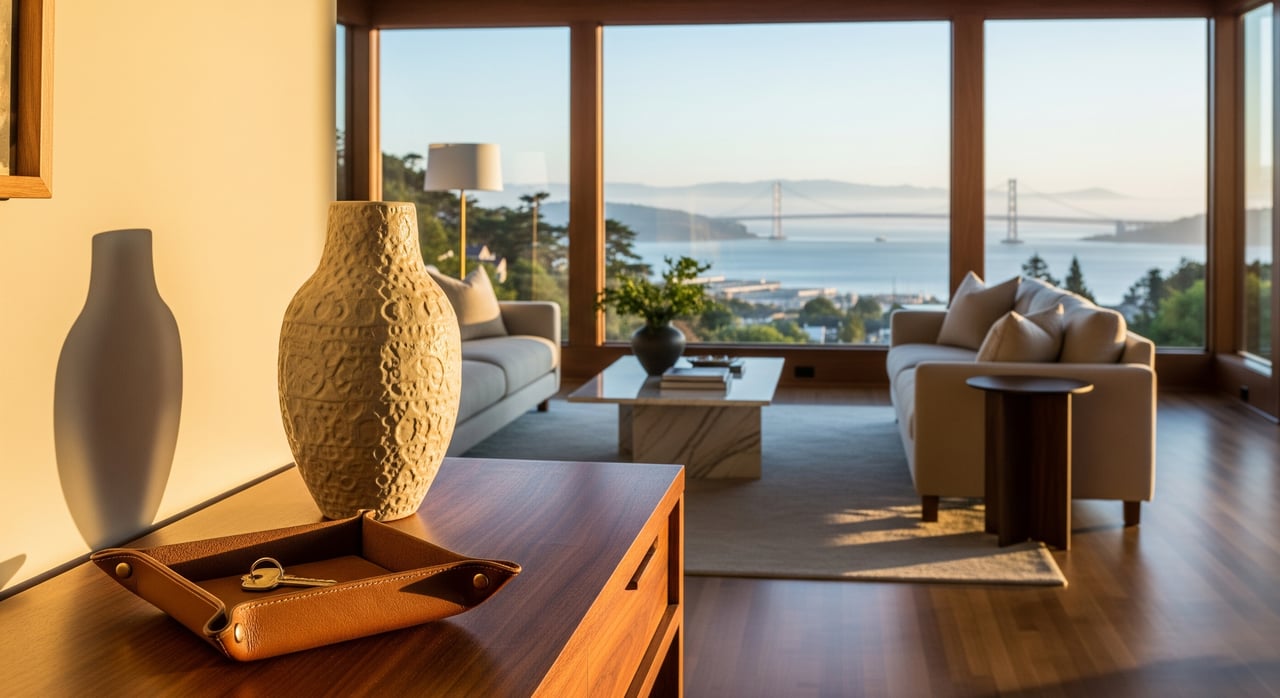
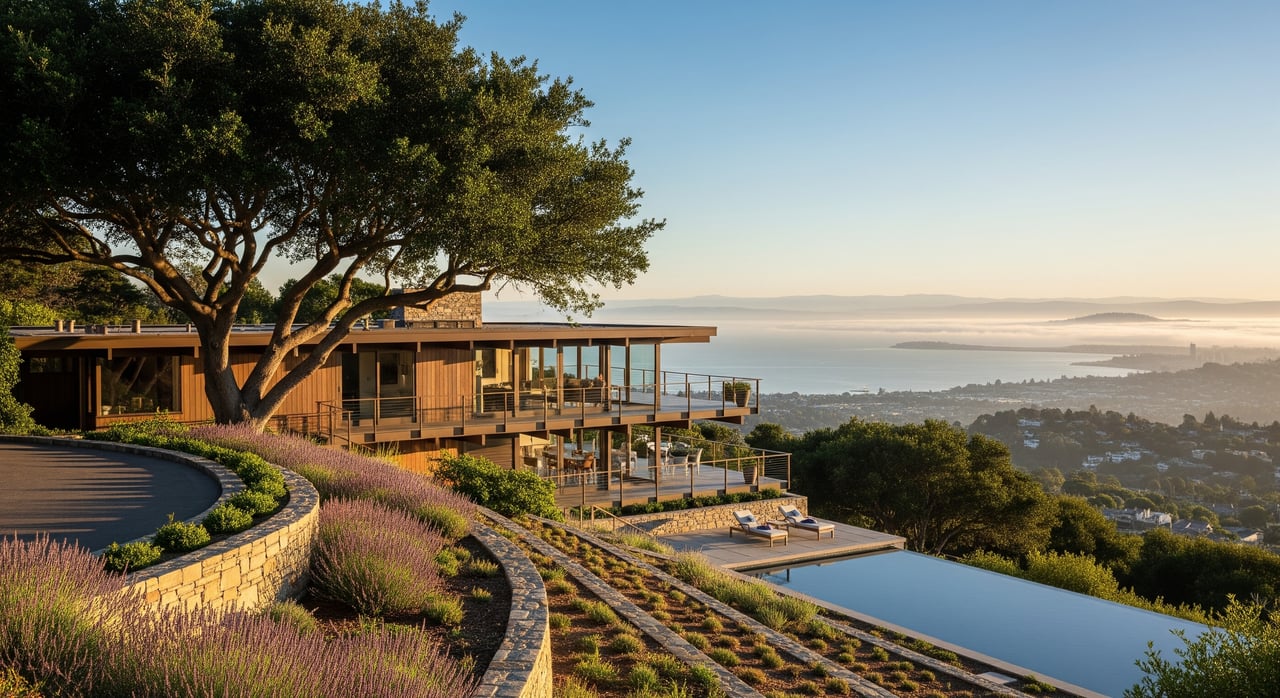
For hillside and view properties, prep often shifts outdoors as much as indoors. Homes with large windows, decks, and sloped lots benefit when views are emphasized and outdoor spaces read as usable extensions of the home.
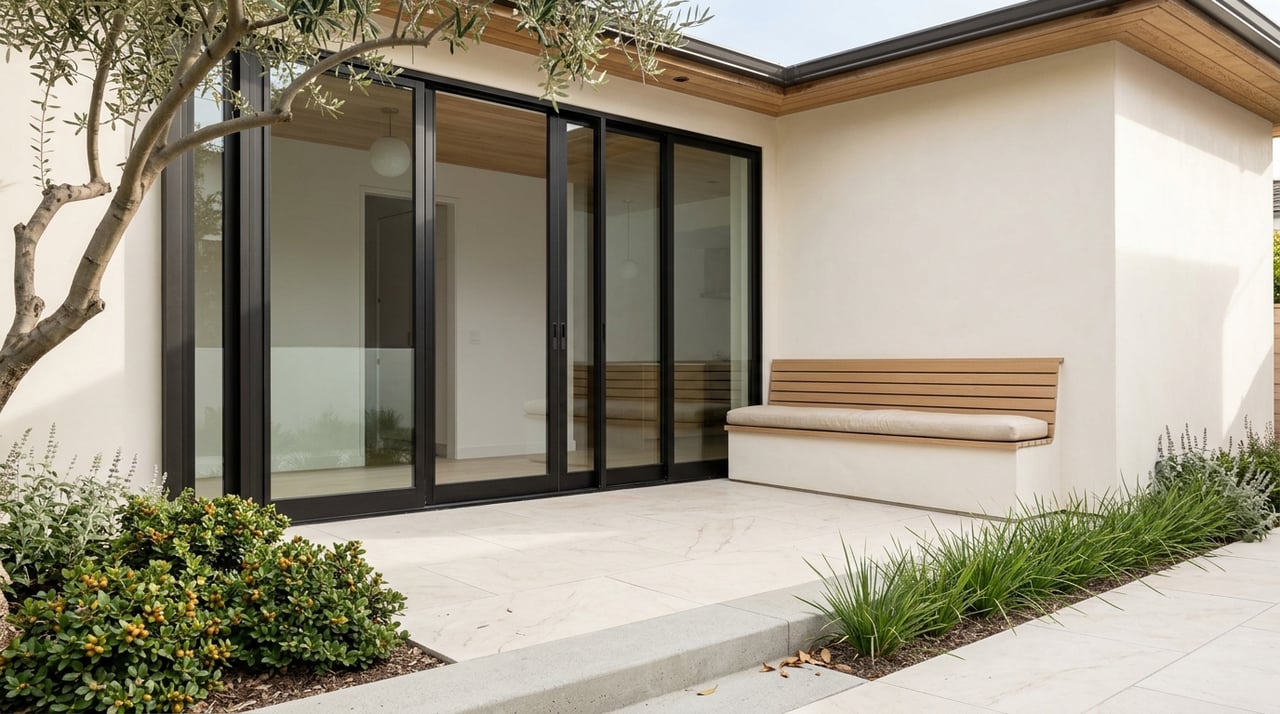
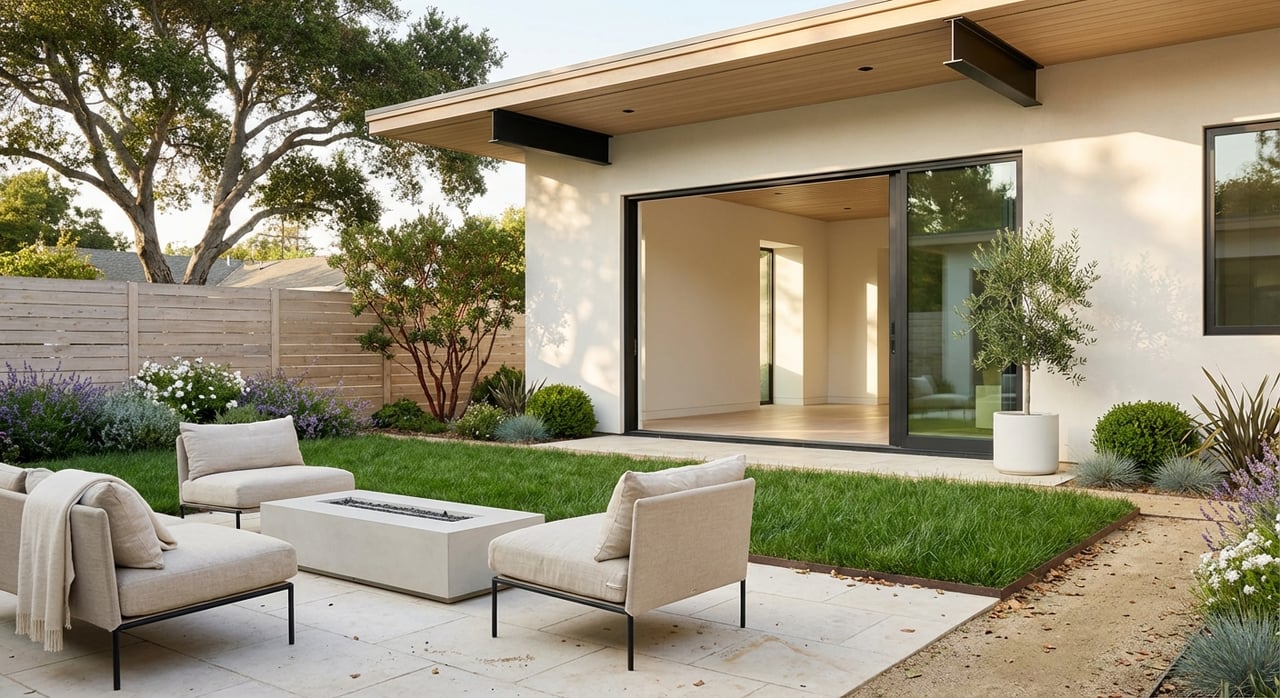
In practical terms, that can mean trimming landscaping that blocks outlooks, reducing visual clutter, refreshing deck surfaces, and making patios or rear yards feel purposeful. In a place like Orinda, sightlines and exterior presentation are often part of the product buyers are responding to.
The projects that usually matter most
Most sellers get the best results from improvements that are immediately visible and relatively efficient. Based on the research and current market norms, these are often the highest-priority items in Orinda:
- Decluttering and editing furniture
- Deep cleaning
- Interior paint touch-ups or full repainting
- Flooring repair or replacement
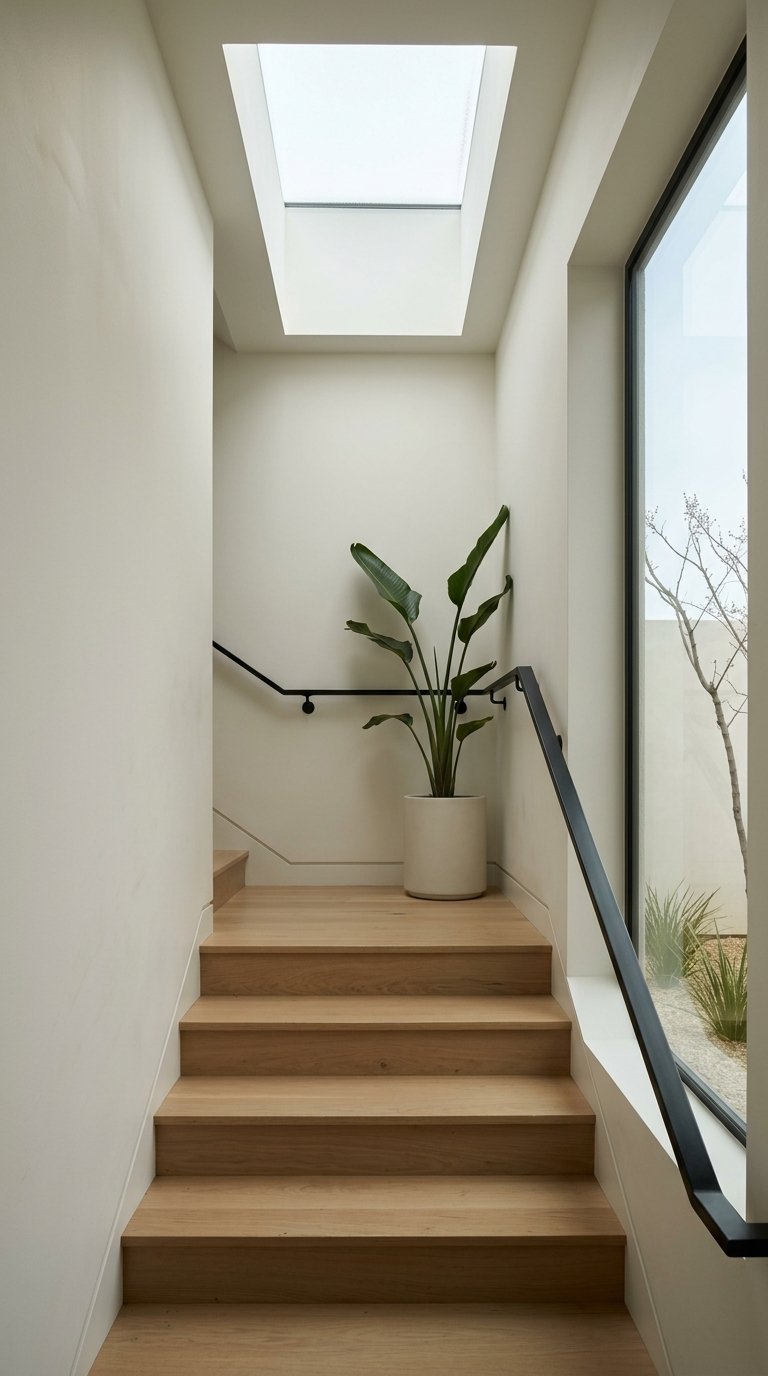
- Updated light fixtures
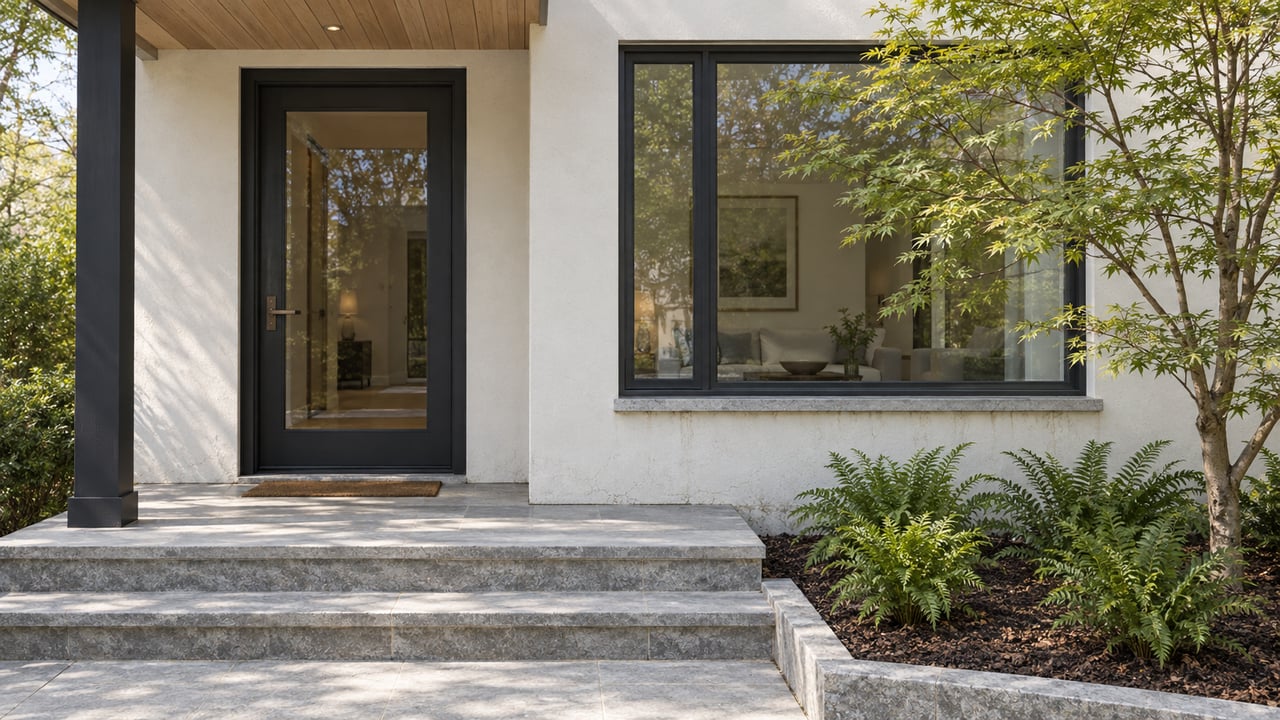
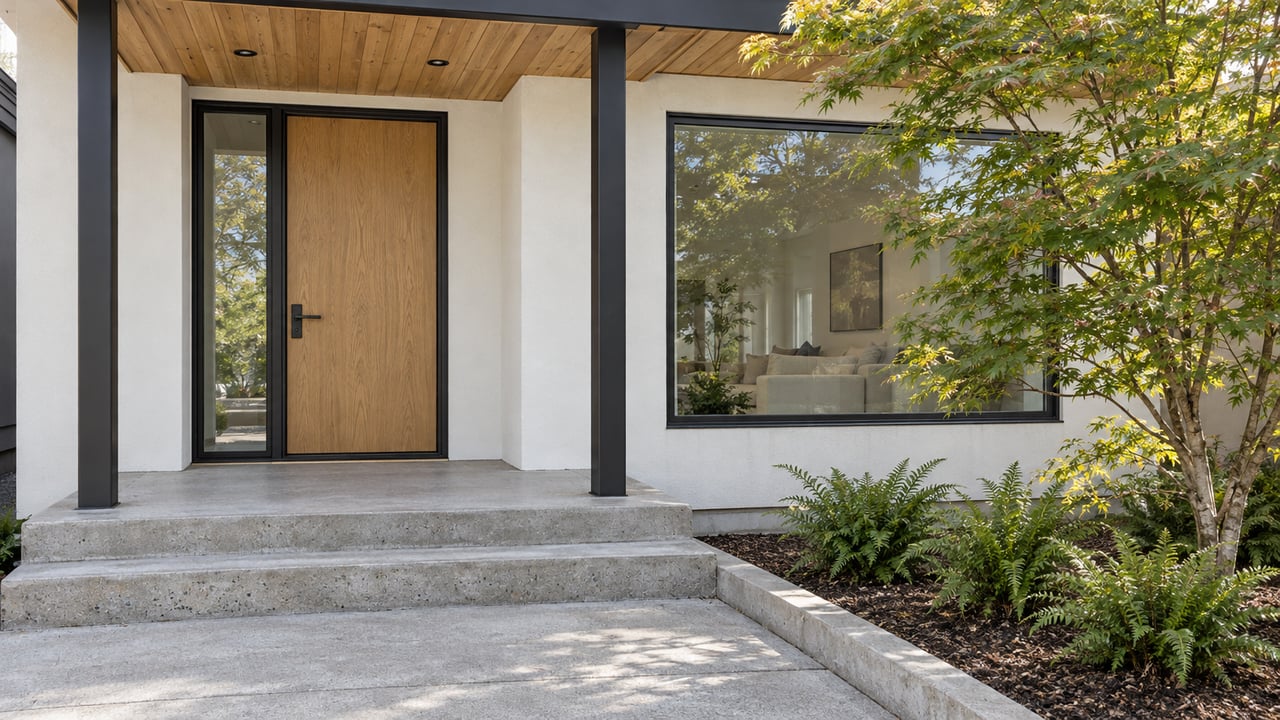
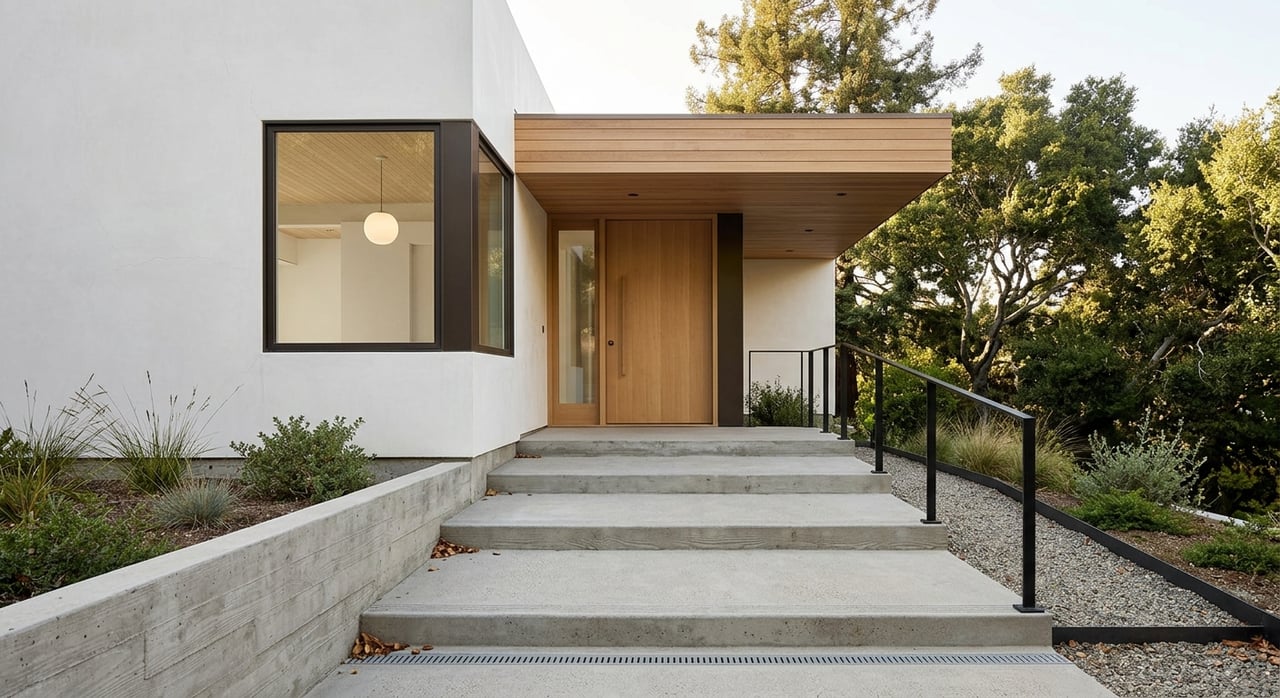
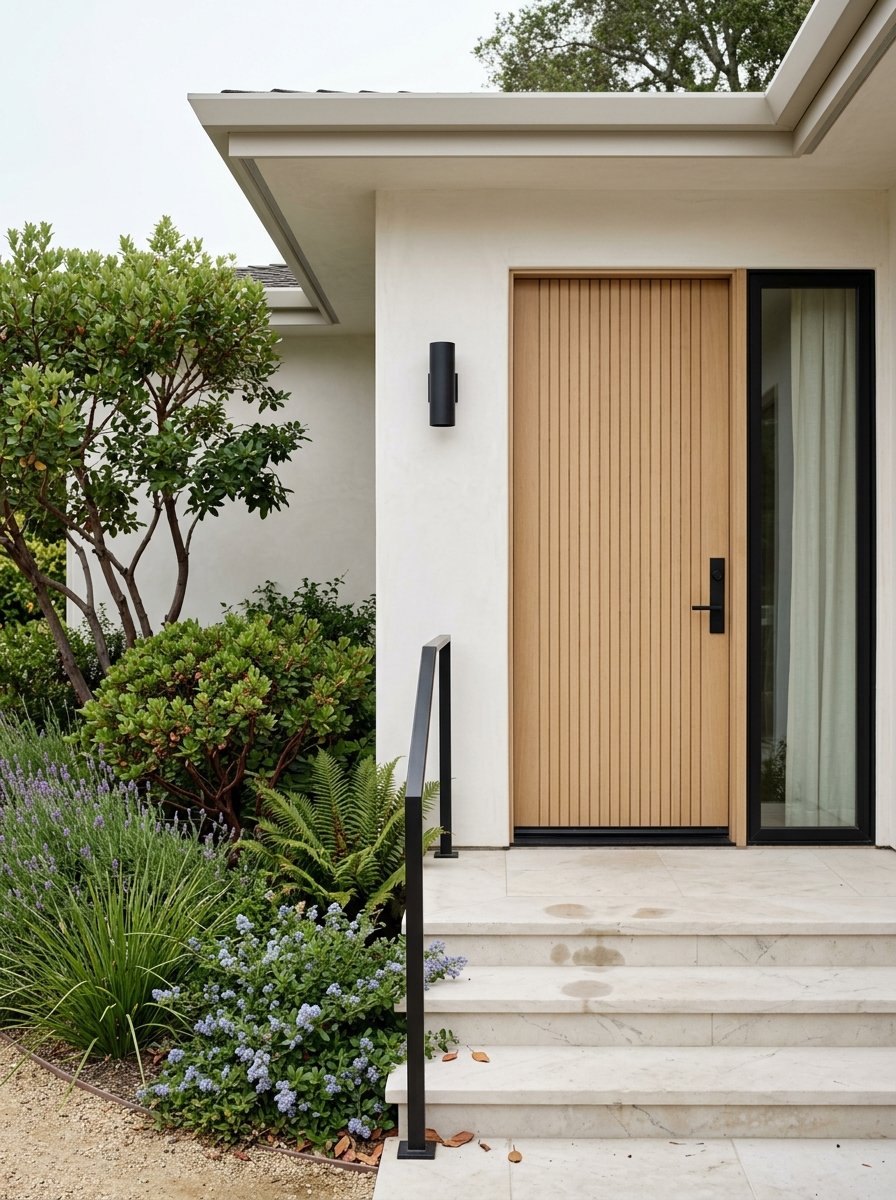
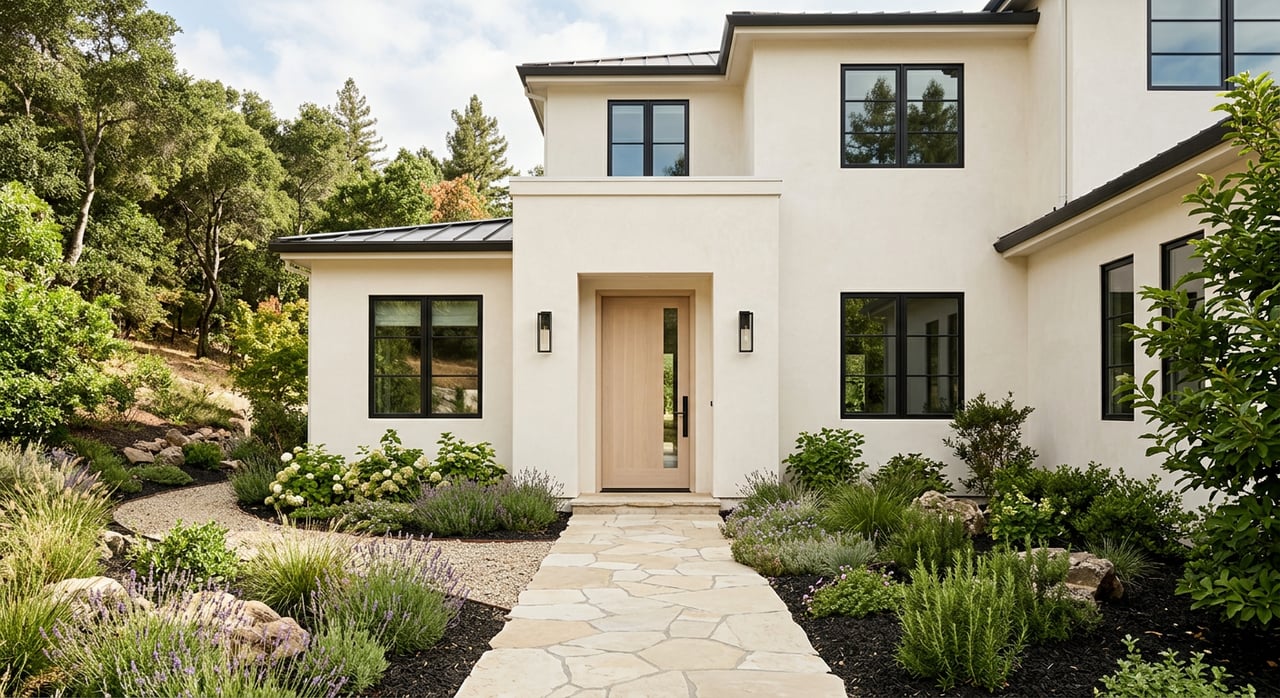
- Front door and hardware refreshes
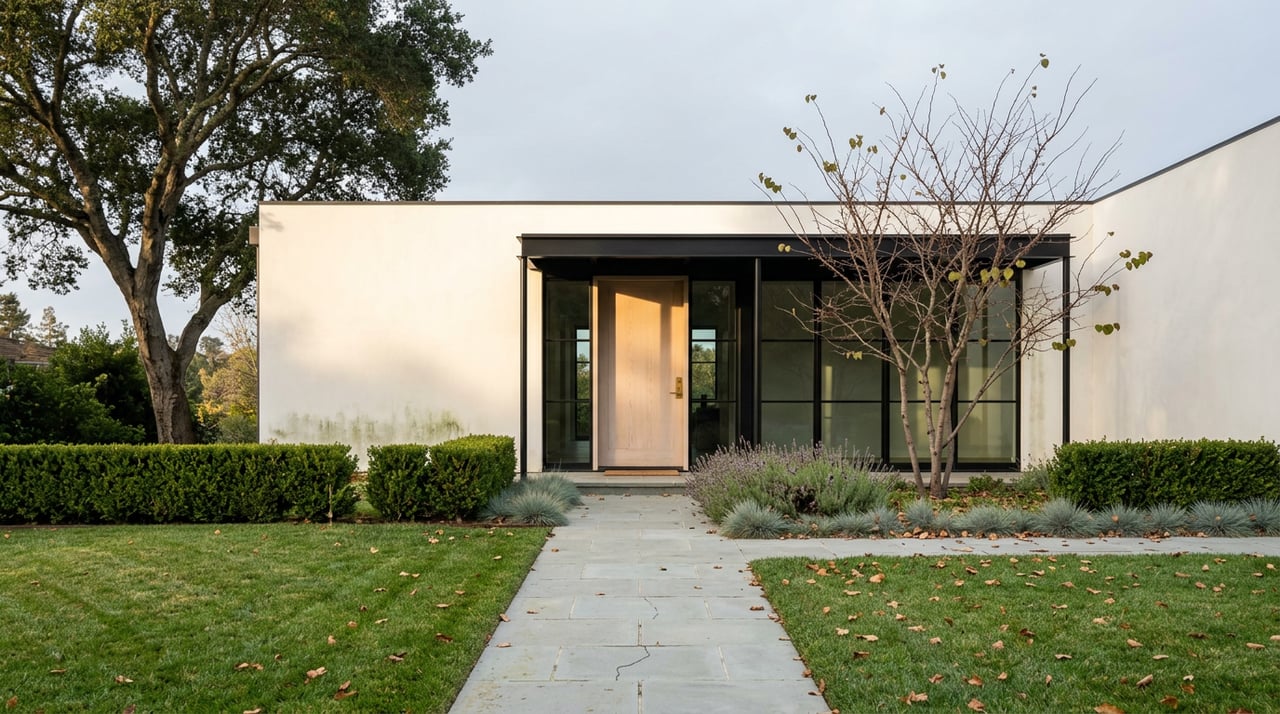
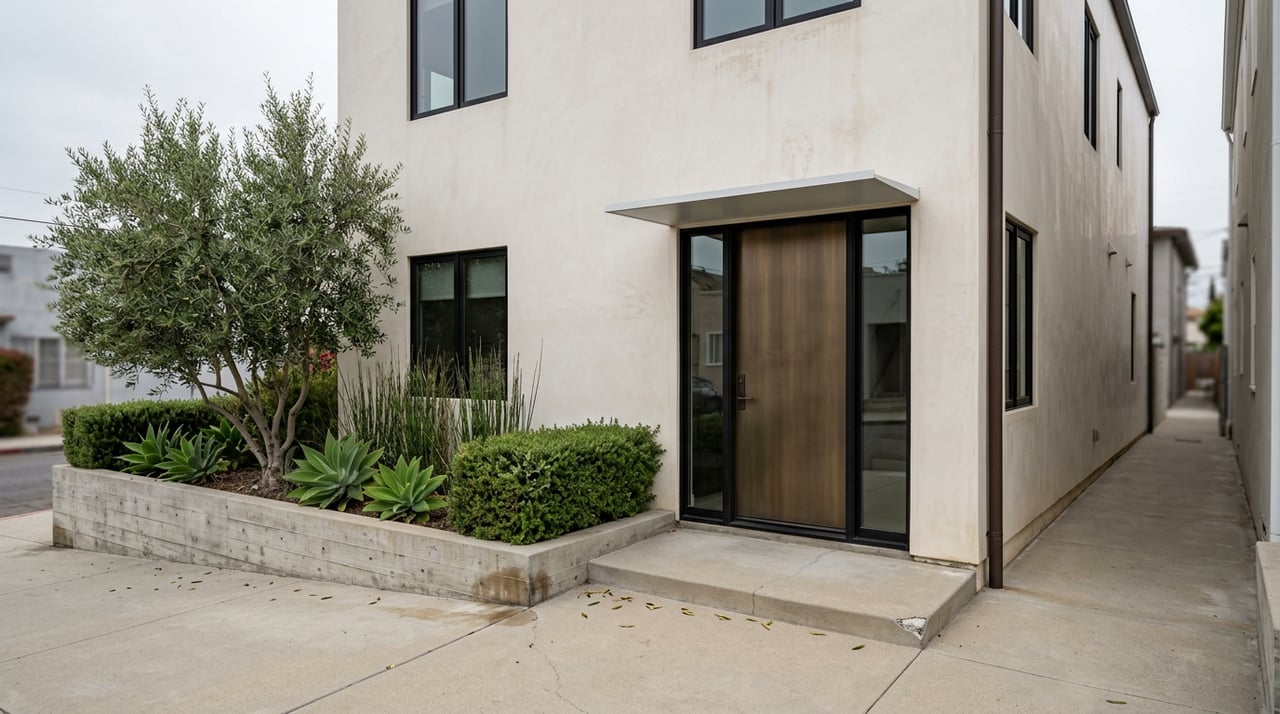
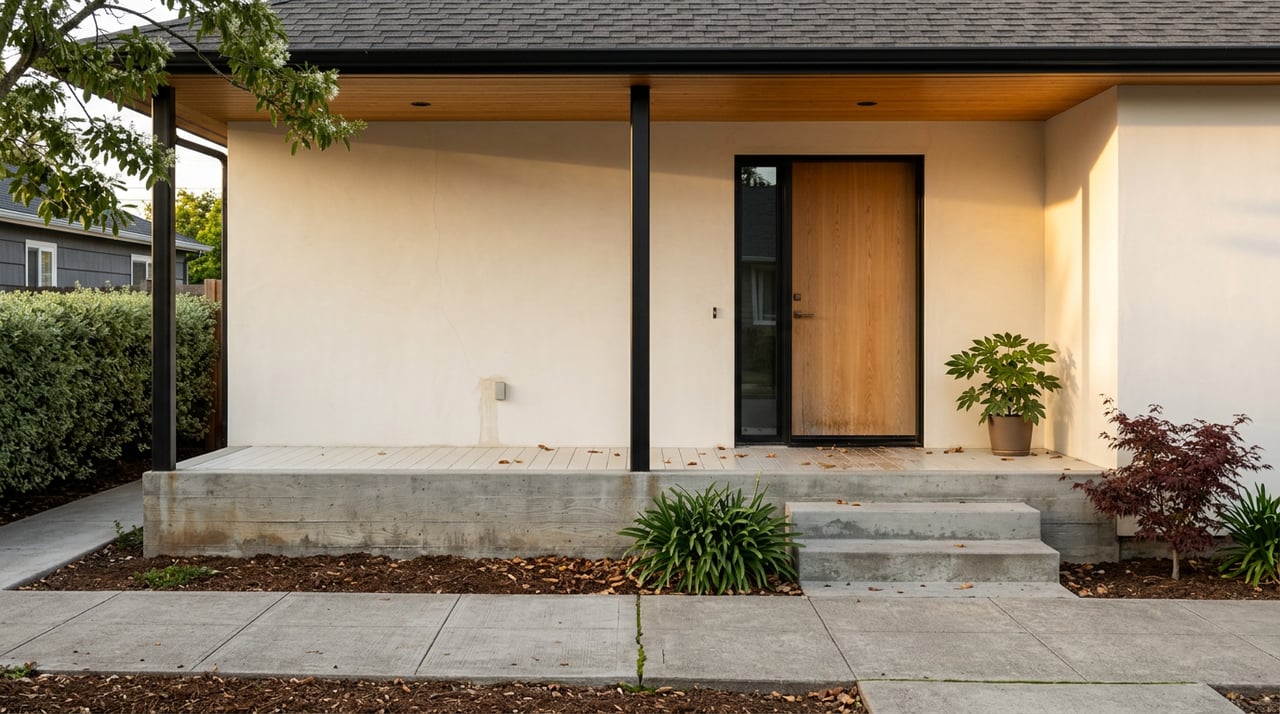
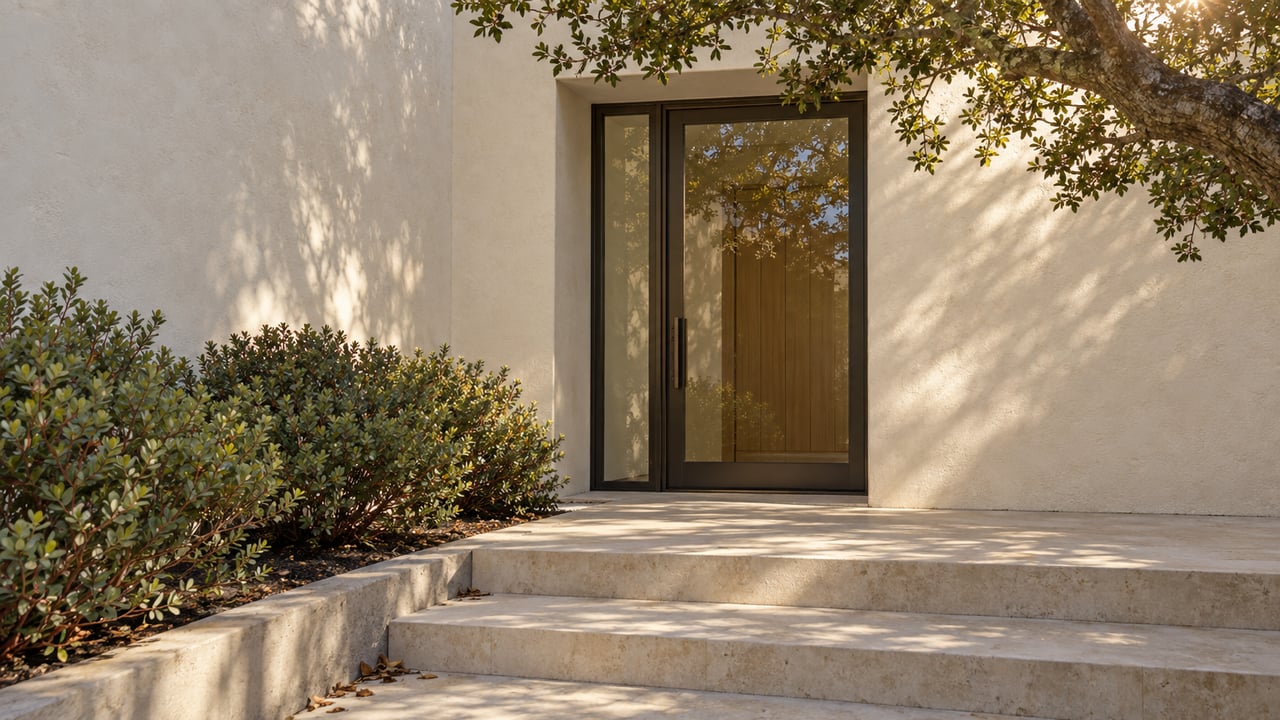
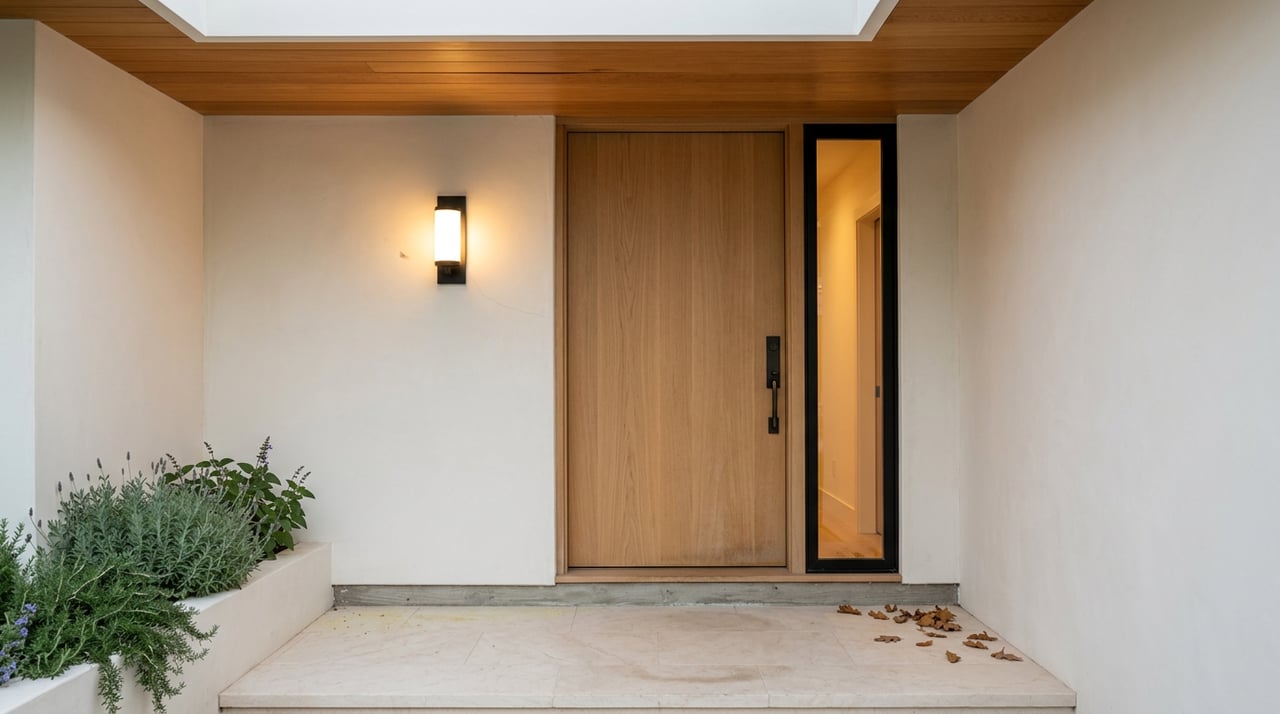
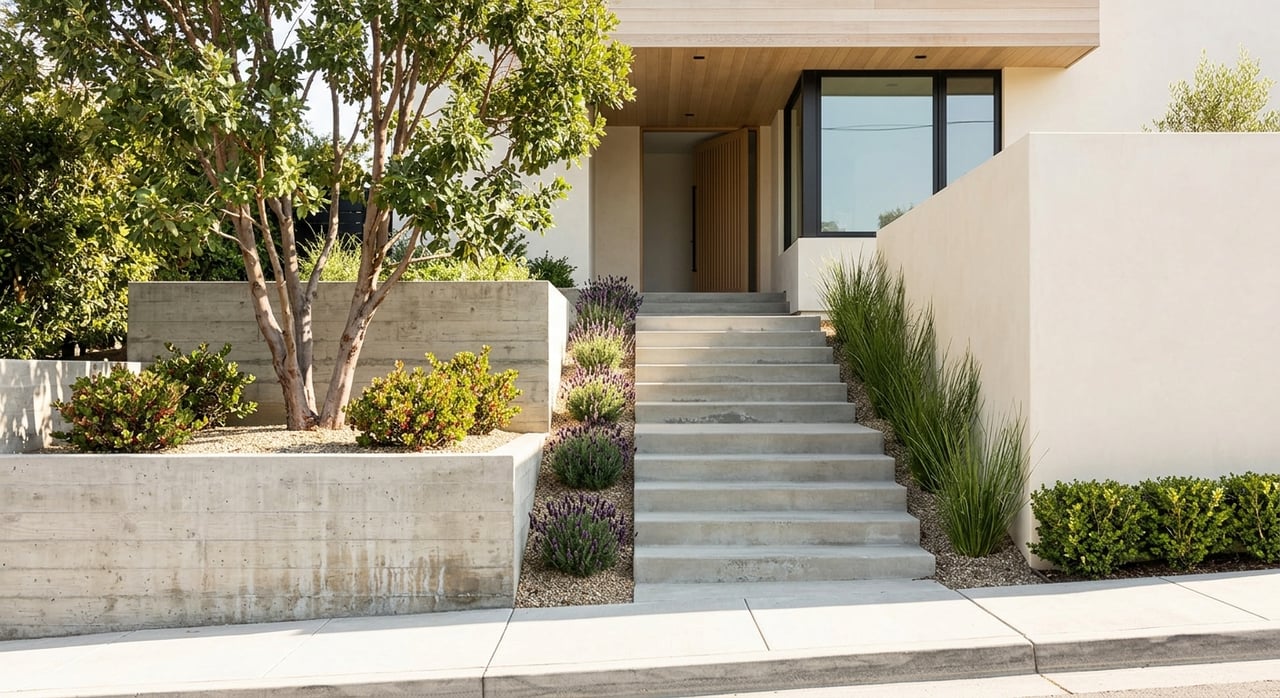
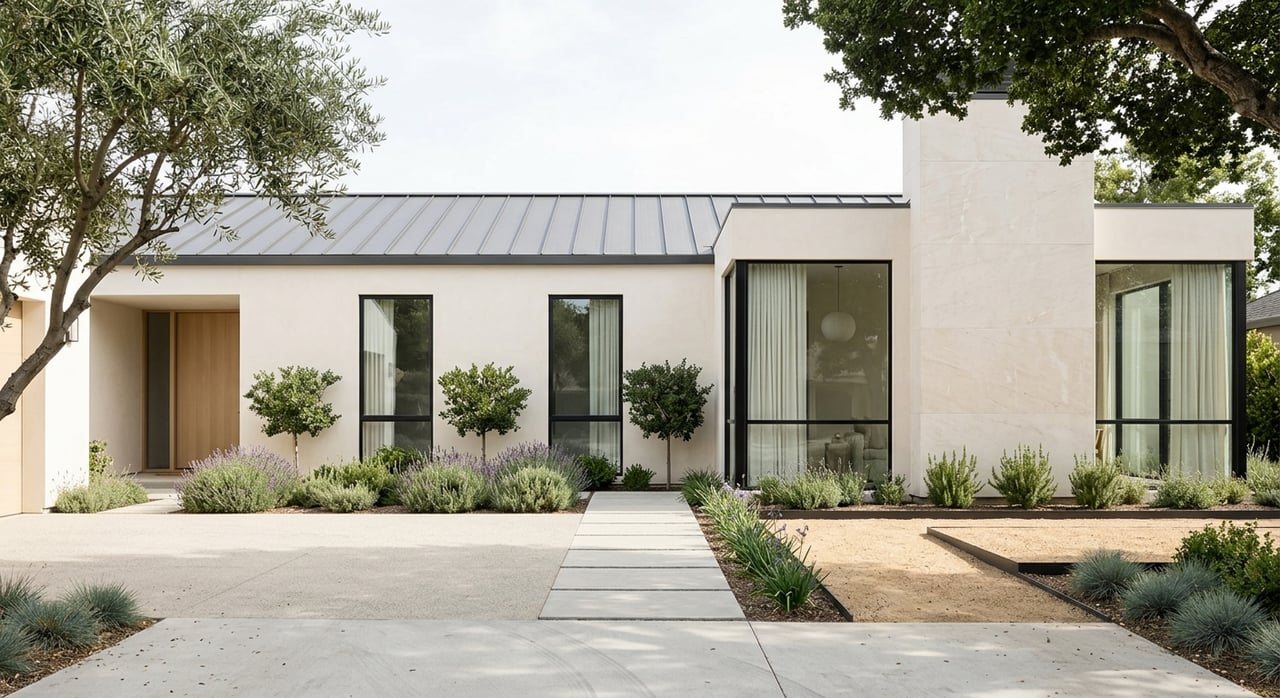
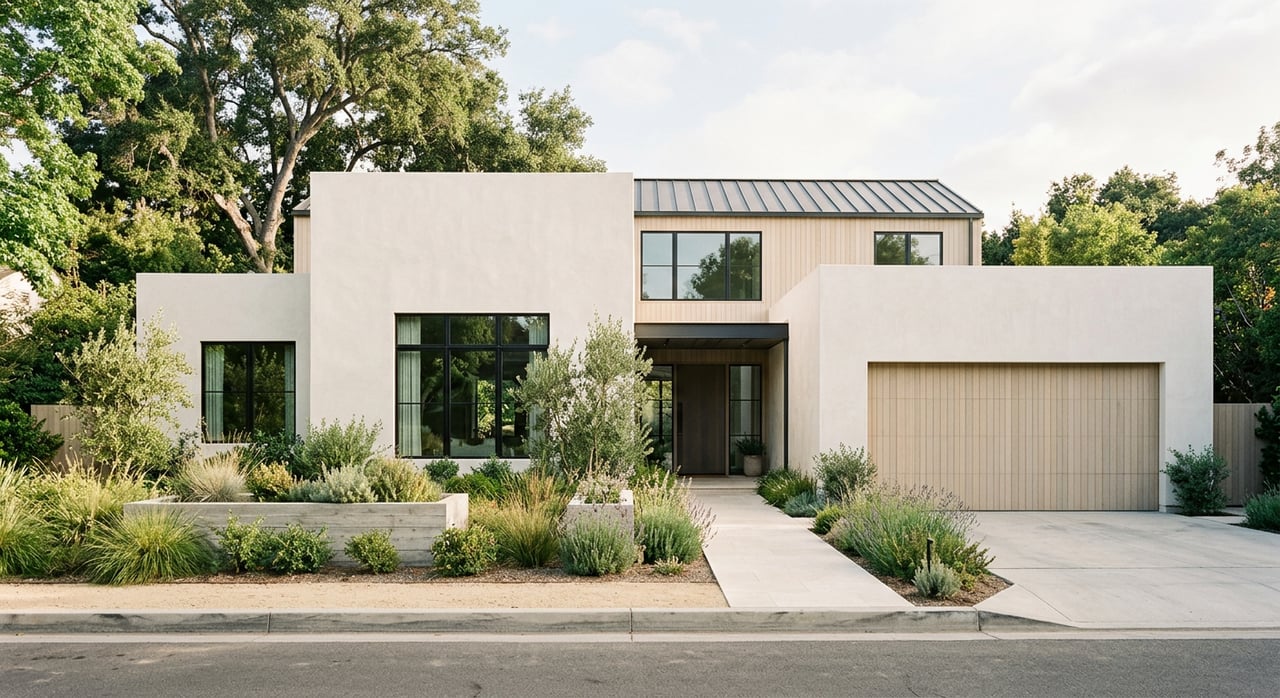
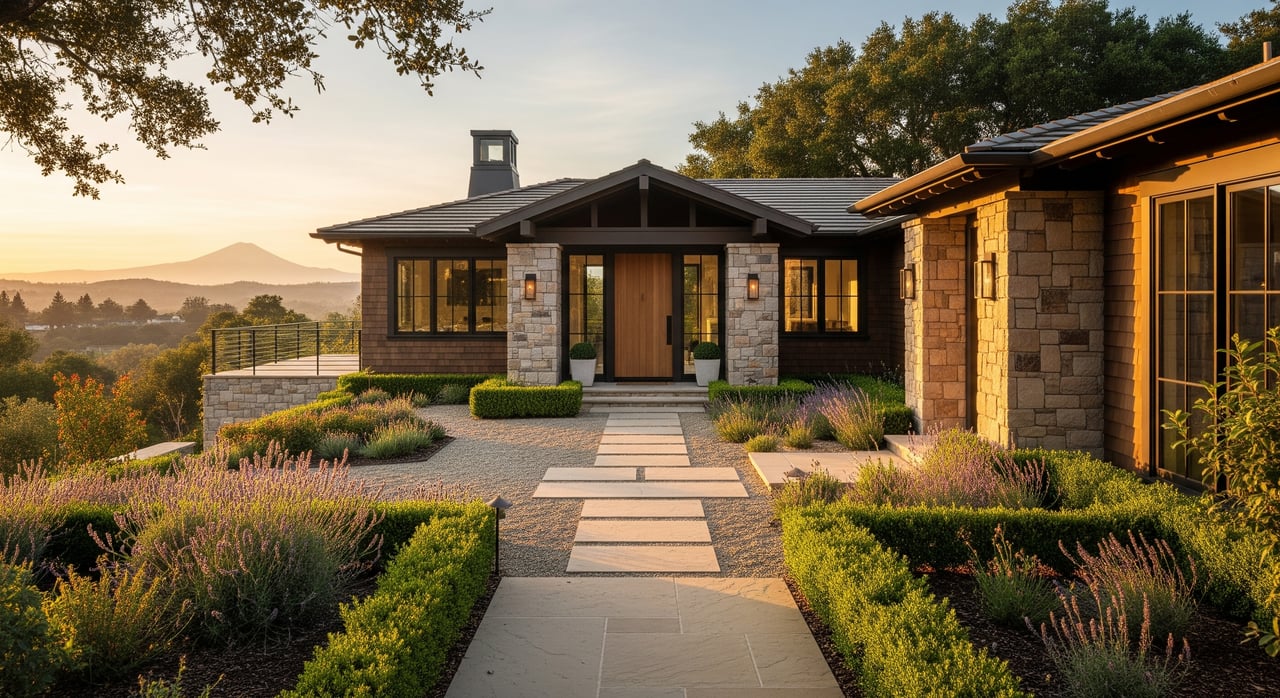
- Landscaping and curb appeal improvements
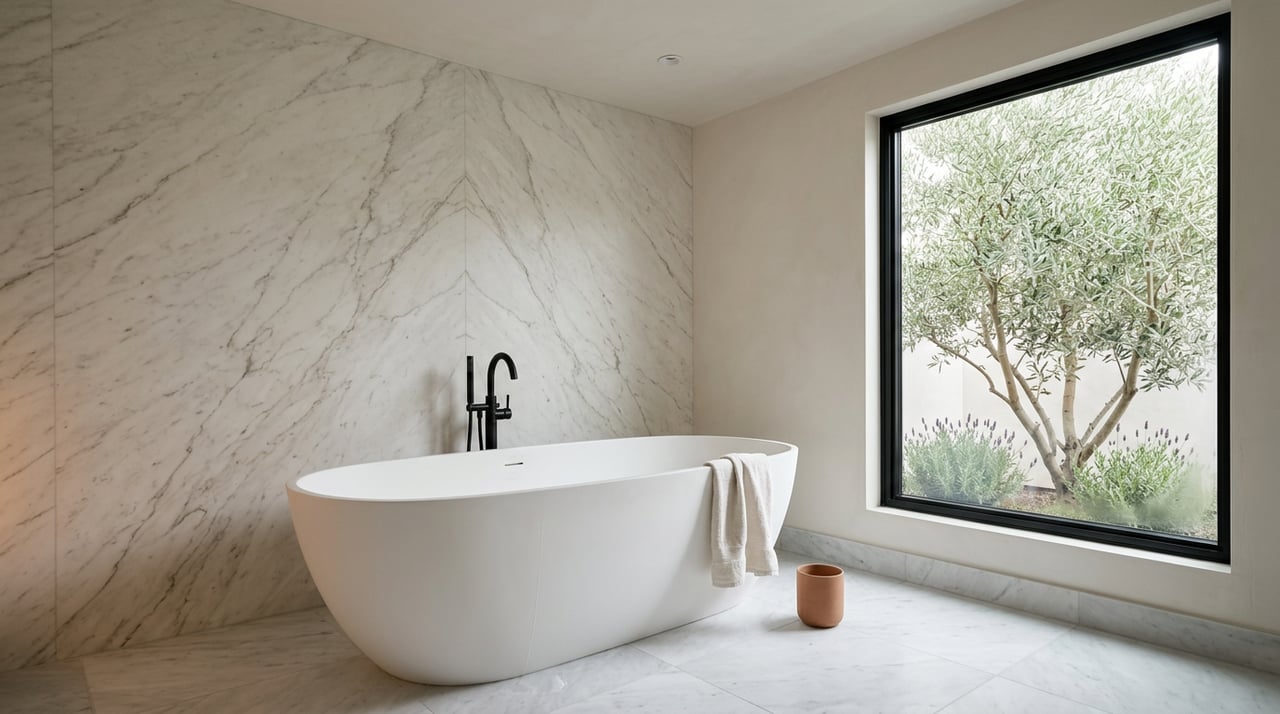
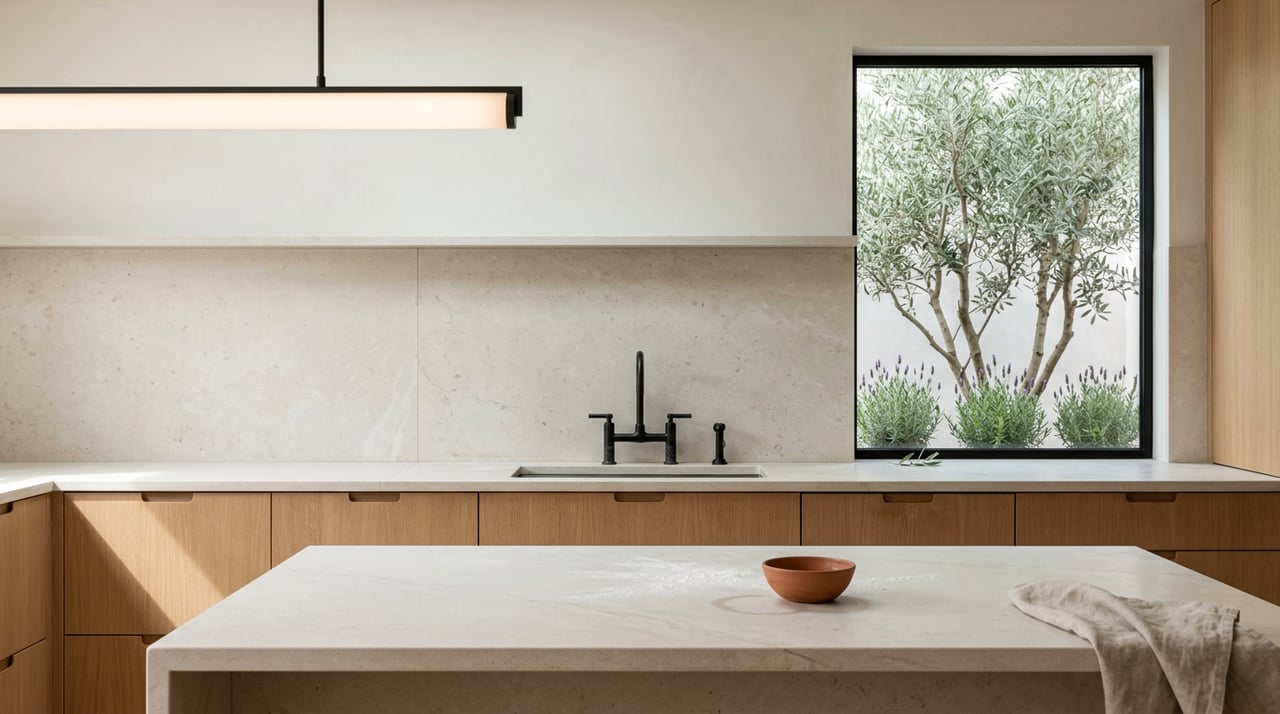
- Kitchen and bath cosmetic updates
- Staging key rooms
- Professional photography and video
These projects are usually more effective than spending heavily on upgrades buyers may not notice in photos or on a first tour. The goal is a home that feels well cared for, cohesive, and easy to understand.
Permits and pre-1978 homes
Not every prep item needs city approval, but some projects do. If your scope goes beyond cosmetic work, it is important to understand whether permits or planning review may be required before work begins.
The City of Orinda permit page also notes additional requirements for some larger jobs, including waste-management planning and at least 65% debris diversion when a project affects 1,000 square feet or is valued at $50,000 or more. If your prep plan starts to edge into permit-driven work, your timeline can expand quickly.
If your home was built before 1978, lead-safety rules also matter. The EPA’s lead renovation guidance explains that paid renovation, repair, or painting work that disturbs paint in pre-1978 housing must be completed by lead-safe certified contractors, and known lead-based paint hazards must be disclosed before the sale or lease of most pre-1978 housing.
How long prep usually takes
A realistic prep timeline is often measured in weeks, not days. According to a recent California home prep timing guide, cosmetic prep commonly takes about 2 to 4 weeks, moderate prep often runs 2 to 6 weeks, and permit-driven work can take 8 weeks or longer.
That range fits what many Orinda sellers experience. A lighter project with paint, landscaping, cleaning, staging, and photography may move quickly, while more complex scopes involving design review or permit review can take significantly longer.
How costs are often handled
Staging is usually modest relative to Orinda price points, but it should still be planned for. The NAR 2025 staging report found a median staging-service cost of $1,500, and the most common recommendations were decluttering, deep cleaning, and improving curb appeal.
Some sellers also use pay-at-closing models for approved pre-sale work. For example, Make Ready Home’s fund-at-closing structure describes a process in which approved prep costs are advanced upfront and repaid from sale proceeds at closing. Specific terms vary, but this model can help sellers complete the right work without paying all costs before the home hits the market.
What a well-prepped Orinda listing feels like
The best concierge listing prep does more than make your home look attractive. It removes distractions, supports disclosure clarity, and helps buyers experience the property as finished, cared for, and market-ready.
In Orinda, that often means a thoughtful mix of cosmetic updates, careful staging, strong exterior presentation, and a launch plan that respects both the home’s architecture and the realities of local permitting. When the preparation is well chosen, the result is not overdone. It simply feels effortless.
If you are thinking about selling and want a design-forward, hands-on plan for preparing your home, Hope Broderick offers thoughtful pre-sale coordination, staging strategy, and marketing support tailored to East Bay hill markets.
FAQs
What does concierge listing prep mean for an Orinda home?
- Concierge listing prep means coordinating targeted pre-sale improvements such as repairs, paint, landscaping, staging, and media so your Orinda home launches in a polished, buyer-ready condition.
Which prep items matter most before listing a home in Orinda?
- The most important items are usually decluttering, deep cleaning, curb appeal, staging, photography, and visible cosmetic repairs that improve first impressions in photos and showings.
Do Orinda home improvement projects need permits before listing?
- Some do. According to the City of Orinda, projects that require a building permit also require Planning Department review unless exempt, and certain larger or hillside-related projects may require design review.
What should sellers know about pre-1978 homes in Orinda?
- If your Orinda home was built before 1978 and prep work will disturb painted surfaces, lead-safe contractor rules and lead-hazard disclosure requirements may apply.
How long does it take to get a home market-ready in Orinda?
- Cosmetic prep often takes 2 to 4 weeks, moderate prep can take 2 to 6 weeks, and permit-driven work may take 8 weeks or longer.
Is staging worth it for an Orinda listing?
- Research from NAR suggests staging can help reduce time on market and may improve offers, especially in key spaces like the living room, primary bedroom, and kitchen.