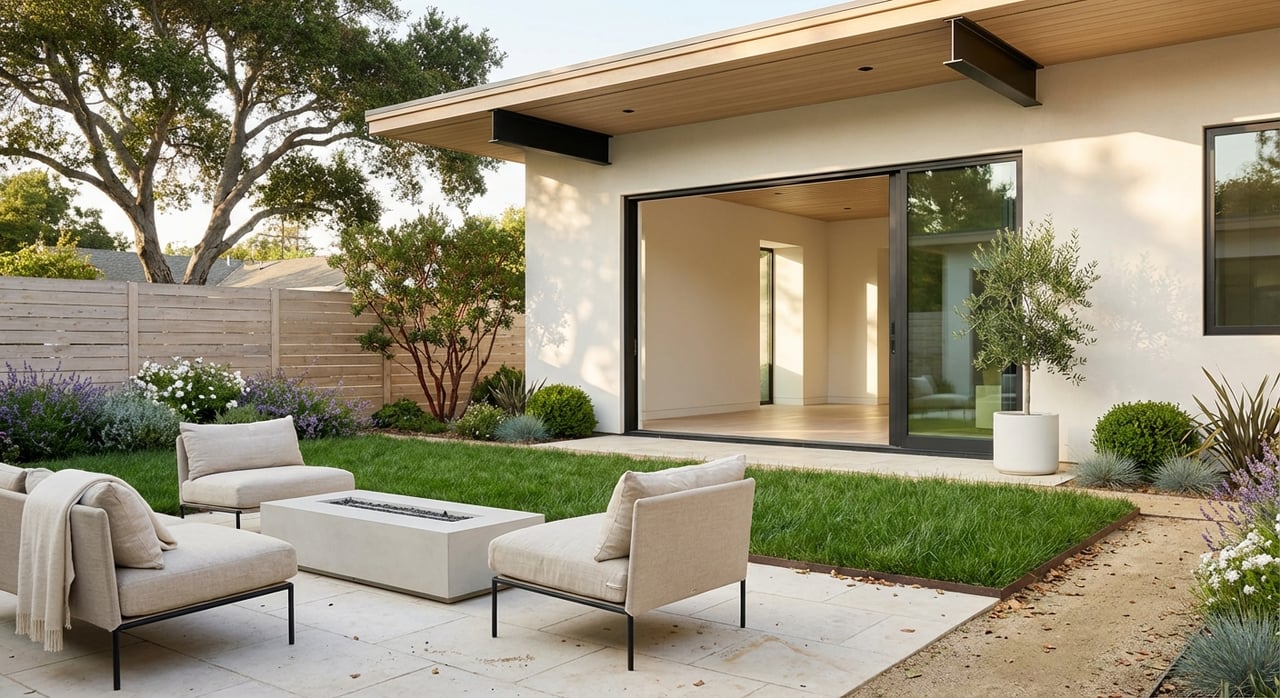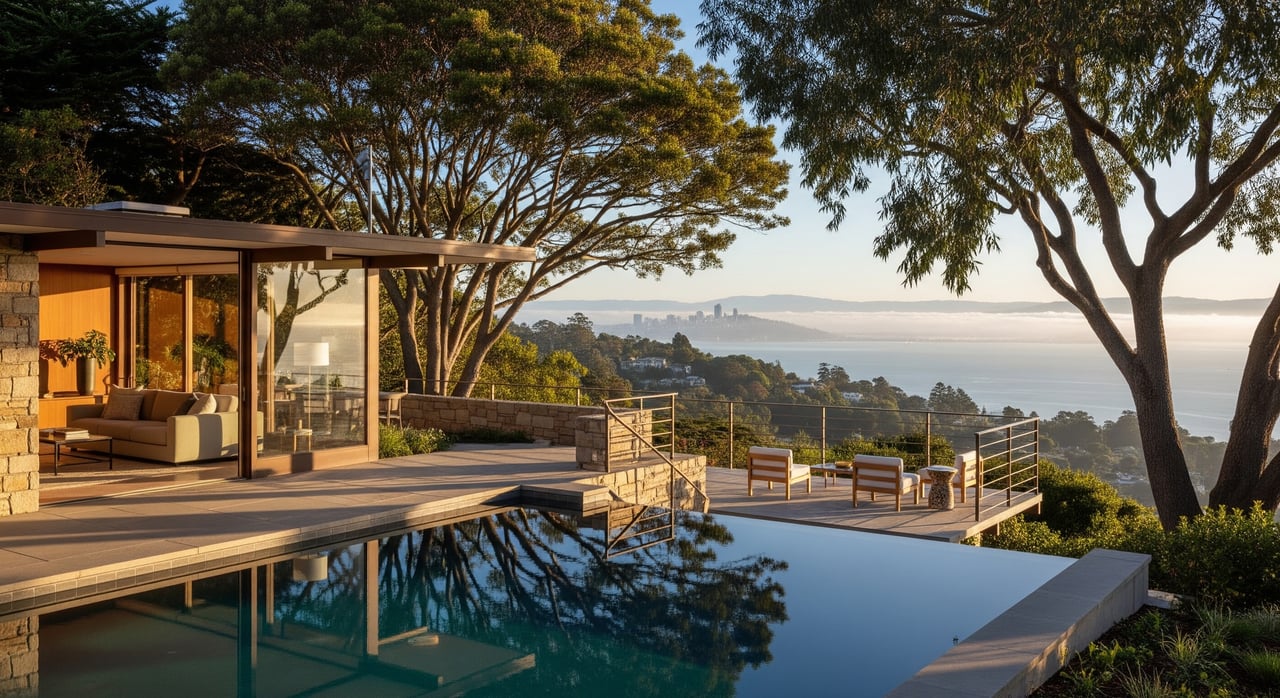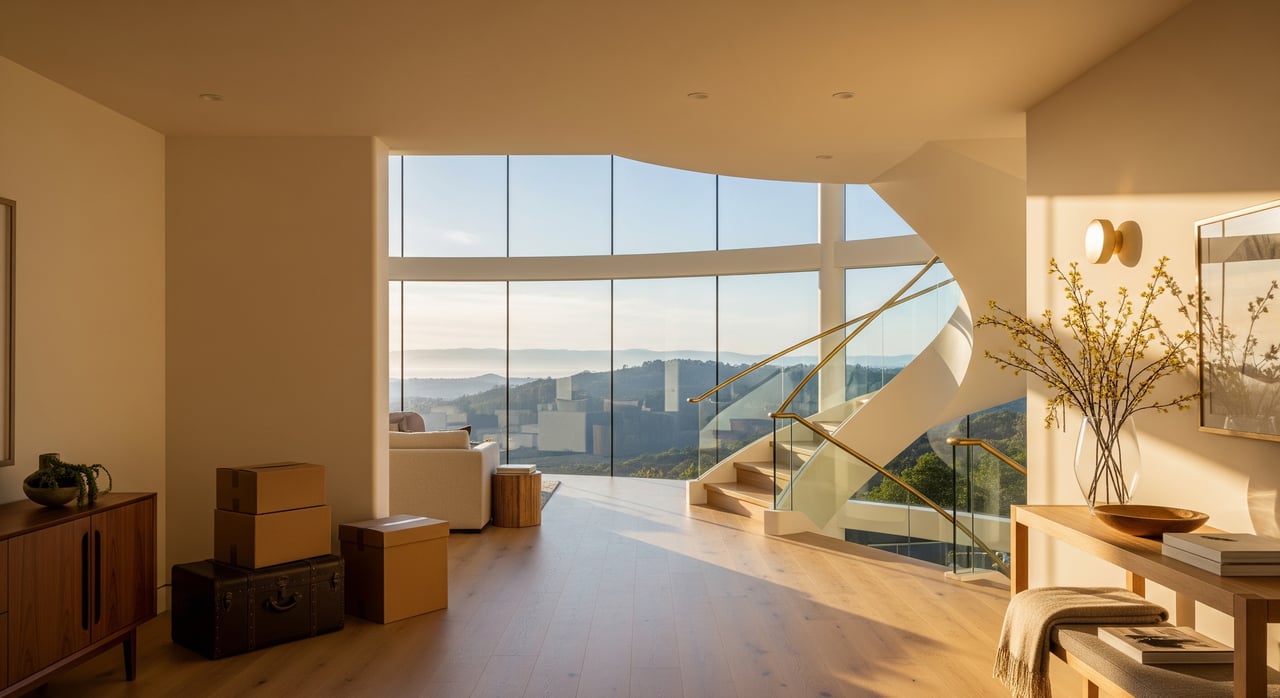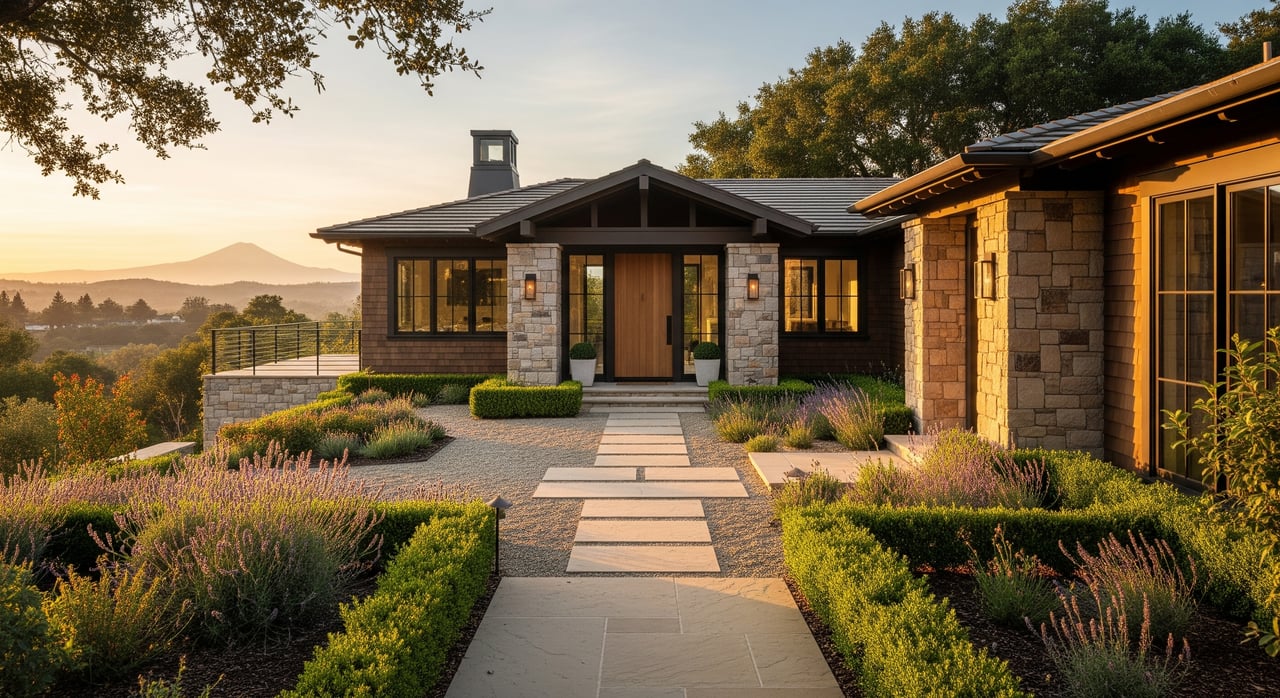
Are you drawn to a quiet hillside setting or a walkable downtown routine? In Lafayette, that choice is more than a style preference. It reflects two distinct ways the city has grown and planned for the future. If you are trying to decide where you will feel most at home, this guide will help you compare privacy, convenience, housing type, and daily lifestyle so you can search with more clarity. Let’s dive in.
Lafayette Has Two Distinct Living Patterns
Lafayette’s planning framework describes two different living environments. The city preserves hillside areas for a more semi-rural residential character, while downtown is where it concentrates walkability, services, and denser housing.
That difference matters when you start touring homes. You are not just comparing one neighborhood to another. You are often comparing two different built forms, each designed around a different kind of daily life.
What Hilltop Living Feels Like
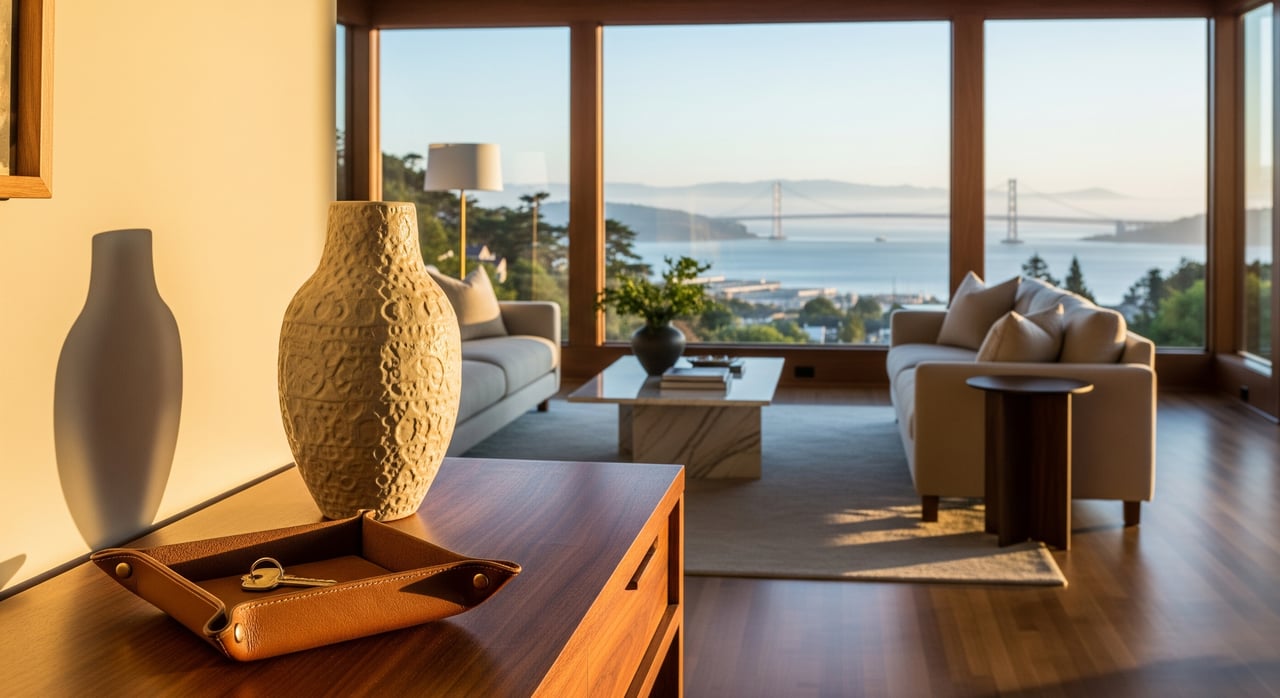
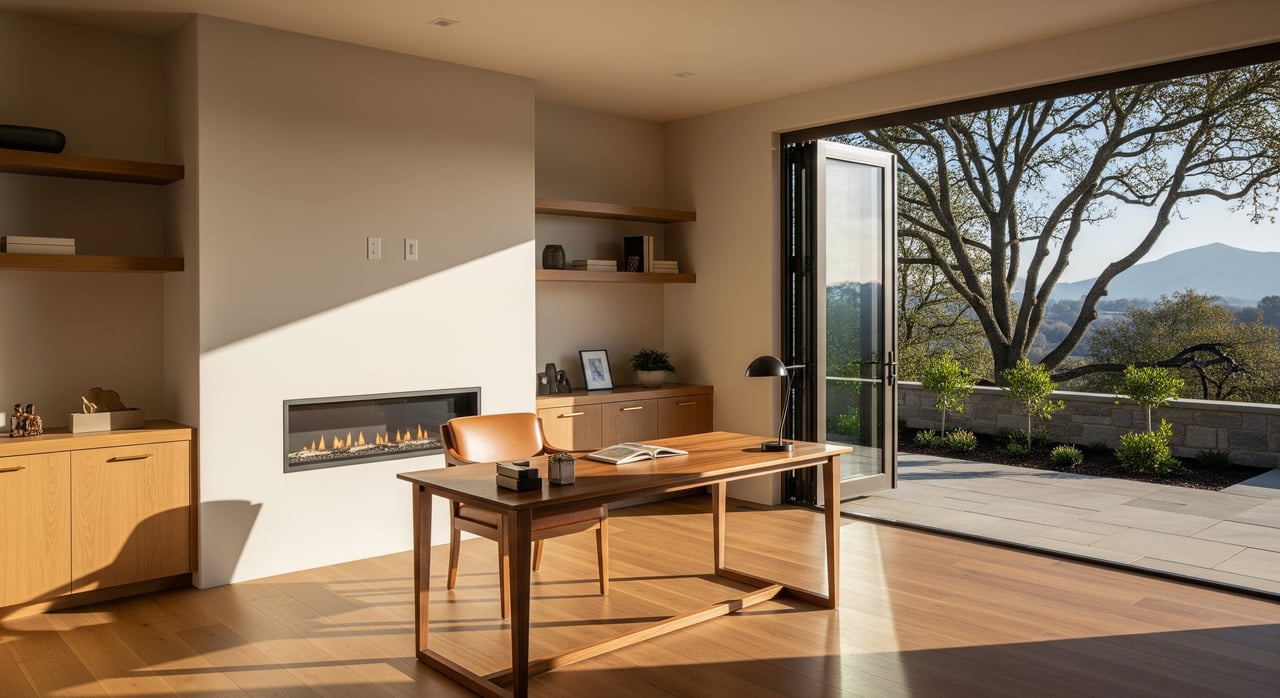
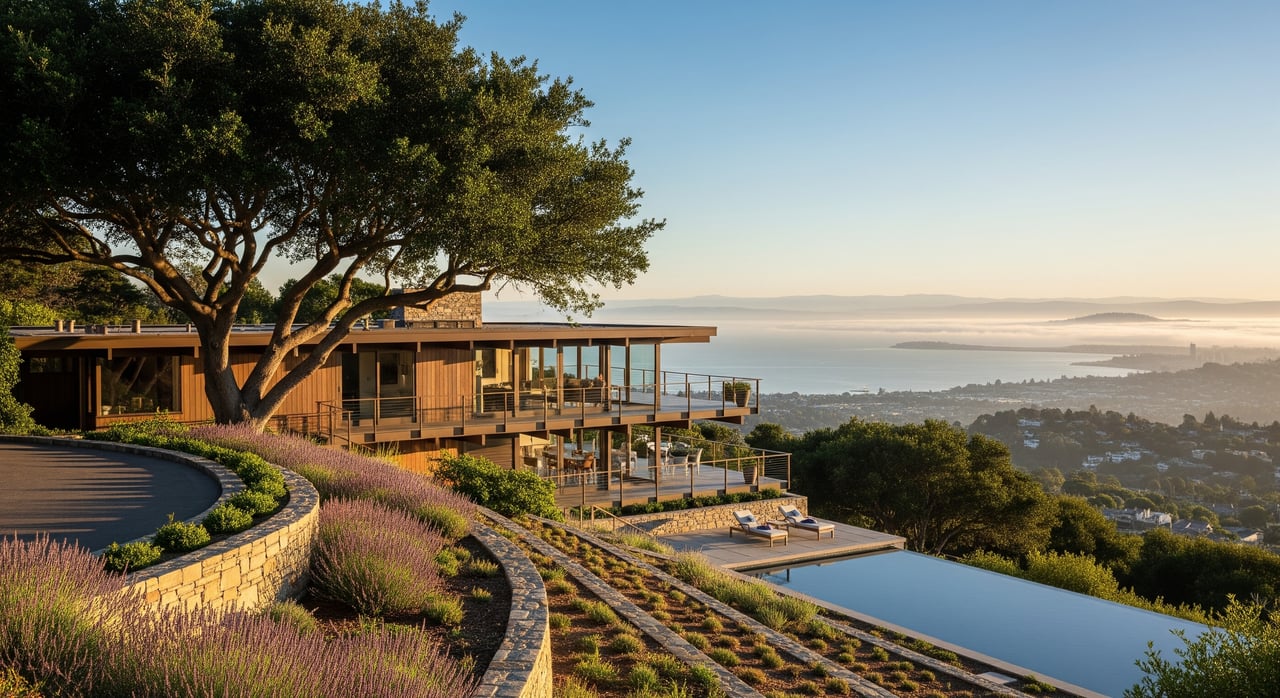
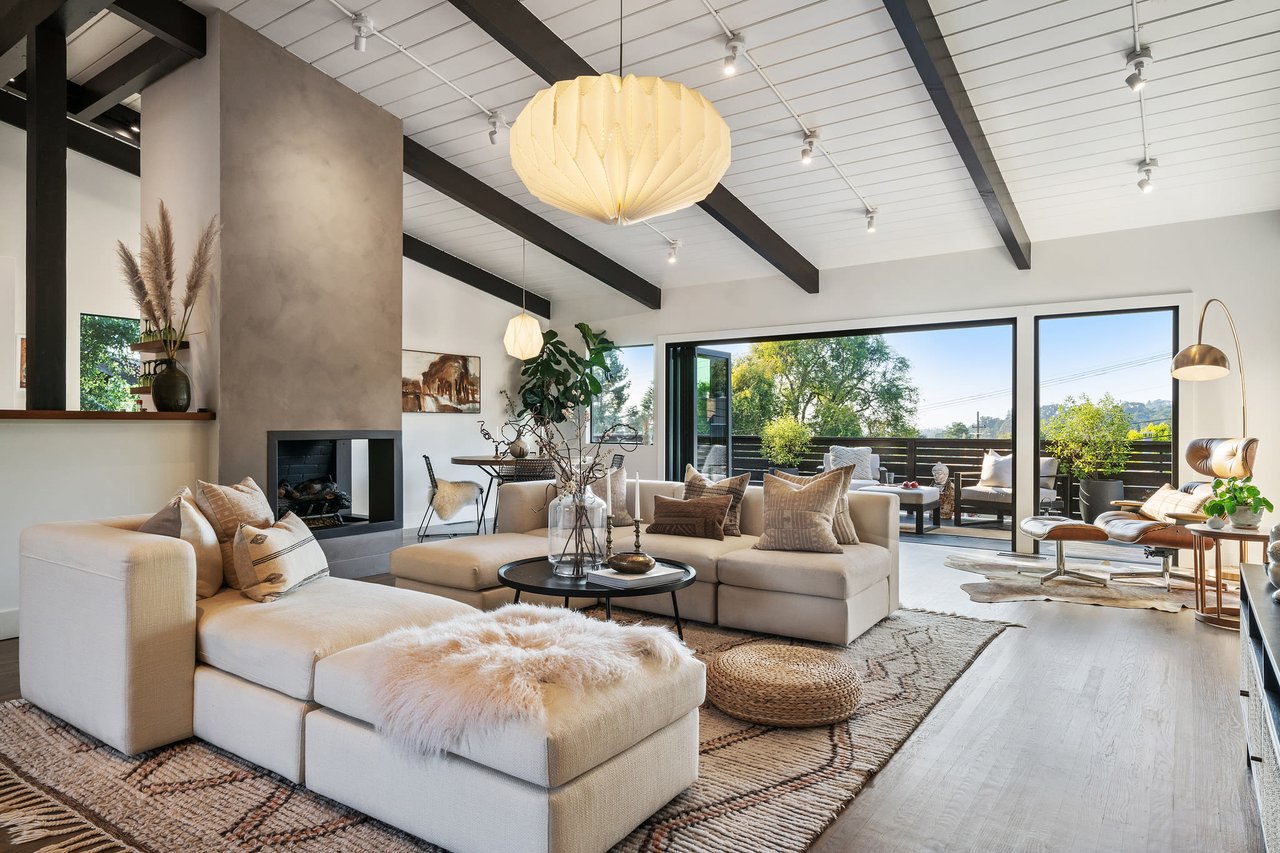
Hilltop living in Lafayette usually means more separation between homes, a greater connection to the landscape, and a quieter residential setting. The city’s hillside rules focus on protecting ridgelines, hillside areas, and rural residential character, which reinforces that lower-density feel.
If you picture home as a retreat, the hills may feel like a natural fit. The setting often supports privacy, topographic interest, and a stronger sense of escape, even while you remain connected to the rest of Lafayette.
Privacy And Space
For many buyers, the biggest draw of the hills is breathing room. Detached homes on larger and more private sites are more common in this pattern of development than in downtown.
That can shape your day in meaningful ways. You may enjoy a more tucked-away setting, fewer immediate neighbors, and a stronger visual connection to trees, slopes, and open sky.
Trails And Outdoor Access
If outdoor access is high on your list, the hills stand out. Lafayette has more than 16 miles of hiking trails, including neighborhood trails, the Lafayette-Moraga Trail, and trails at the Reservoir and in Briones.
The city also borders Briones Regional Park, which adds to the open-space feel. A city-maintained route, the Moraga Road to Reservoir Rim Trail, connects directly to the Lafayette Reservoir Rim Trail and follows hillside contours beneath oaks and bay laurels.
Reservoir Lifestyle Appeal
The Lafayette Reservoir is one of the area’s major lifestyle anchors. According to EBMUD, the recreation area is a year-round day-use park for hiking, jogging, fishing, boating, and picnicking.
The paved lakeside trail and the rim trail are two of its best-known features. For buyers who want nature woven into the rhythm of everyday life, that can be a meaningful advantage.
Tradeoffs To Expect In The Hills
The hills often offer privacy and scenery, but they can also mean more driving for errands and day-to-day stops. That tradeoff follows the city’s own planning split between a more secluded hillside pattern and a service-rich downtown core.
If you value retreat more than running every errand on foot, this may feel well worth it. But it is smart to weigh that choice early, before you narrow your search too far.
What Downtown Living Feels Like
Downtown Lafayette offers a more connected, walkable routine. The city’s downtown planning calls for housing near BART, grocery stores, civic uses, and a continuous system of pedestrian walkways.
This part of Lafayette is also where the city places most of its multifamily and mixed-use housing. If your ideal day includes coffee, errands, dining, and transit access within a compact area, downtown may match your lifestyle more closely.
Walkability And Daily Convenience
Downtown tends to support shorter daily routines. The Lafayette Chamber’s business guide shows a dense cluster of restaurants, cafes, gift shops, booksellers, bike shops, clothing stores, and other small businesses along Mt. Diablo Boulevard, Lafayette Circle, Plaza Way, Golden Gate Way, and nearby blocks.
That creates a different everyday rhythm than the hills. Instead of treating errands as separate car trips, you may be able to group more of your stops into one outing on foot.
Transit Access And BART
For commuters and car-light households, downtown has a clear edge. Lafayette BART is located at 3601 Deer Hill Road and offers connecting transit through County Connection, along with bike racks and BikeLink lockers.
The station also lists daily parking at $3.40 and monthly reserved parking at $105. If rail access matters to your weekly routine, being closer to downtown can make that part of life simpler.
Housing Mix And Newer Development
Downtown is where Lafayette concentrates much of its denser housing. The city says single-family homes make up most of Lafayette’s housing stock overall, while more than 1,700 multifamily homes are located in and around downtown.
The city’s housing element also identifies downtown as the area best suited for new housing because it is near BART, State Route 24, goods and services, and flatter land. In practical terms, that means your options downtown are more likely to include condos, apartments, and mixed-use residential formats.
Pedestrian Improvements Matter
Lafayette is also investing in a more walkable downtown network. The Aqueduct Pathway project is intended to create a safe, fully separated route through downtown and connect neighborhoods, downtown destinations, and regional transit, including the Lafayette-Moraga Regional Trail.
If you are looking for a lifestyle with less dependence on a car, infrastructure like this can make a real difference. It supports the kind of connected movement that many buyers now prioritize.
Hilltop Vs Downtown At A Glance
Here is the simplest way to compare the two:
| Feature | Hilltop Lafayette | Downtown Lafayette |
|---|---|---|
| Overall feel | More private and retreat-like | More connected and walkable |
| Housing pattern | More detached homes on private sites | More multifamily, condo, and mixed-use options |
| Outdoor access | Strong access to trails and open space | Better for errands and civic destinations |
| Transit access | Less central to BART routines | Closer to BART and connecting transit |
| Daily rhythm | More driving, more seclusion | Shorter trips, more pedestrian activity |
How To Choose The Right Fit
The best choice comes down to how you want your day to feel. Both parts of Lafayette offer strong appeal, but they support different priorities.
Choose the hills if you want:
- More privacy
- A quieter residential setting
- Easy access to trails and open space
- A home that feels more tucked into the landscape
Choose downtown if you want:
- Walkability for coffee, dining, and errands
- Closer access to Lafayette BART
- A denser housing mix with more multifamily options
- A more social, active daily routine
Think About Lifestyle Before Floor Plan
It is easy to focus first on square footage, finishes, or lot size. In Lafayette, it often helps to start with lifestyle instead.
Ask yourself where you want convenience to show up in your week. Do you want trail access and a more secluded setting, or do you want to walk to everyday destinations and spend less time in the car?
That answer can sharpen your search quickly. It can also help you evaluate homes more clearly, because you are comparing them through the lens of how you actually want to live.
Whether you are drawn to a hilltop retreat or a downtown address, the right fit usually comes from matching the home to your daily rhythm. If you want thoughtful guidance as you compare Lafayette’s different living patterns, Hope Broderick can help you find the setting that feels right for you.
FAQs
What is the main difference between hilltop and downtown living in Lafayette?
- Hilltop living in Lafayette generally offers more privacy, separation, and access to open space, while downtown living offers more walkability, services, and denser housing near BART.
Which part of Lafayette is closer to BART and daily errands?
- Downtown Lafayette is the better fit if you want closer access to BART, shops, dining, and other everyday destinations.
Which area of Lafayette is better for trails and outdoor access?
- Lafayette’s hills are better suited for buyers who want close access to trails, open space, the Reservoir, and nearby regional park areas.
Where is most of Lafayette’s multifamily housing located?
- The city says more than 1,700 multifamily homes are located in and around downtown Lafayette.
Is downtown Lafayette planned for more housing growth?
- Yes. Lafayette’s housing element identifies downtown as the area best suited for new housing because of its proximity to BART, State Route 24, goods and services, and flatter land.