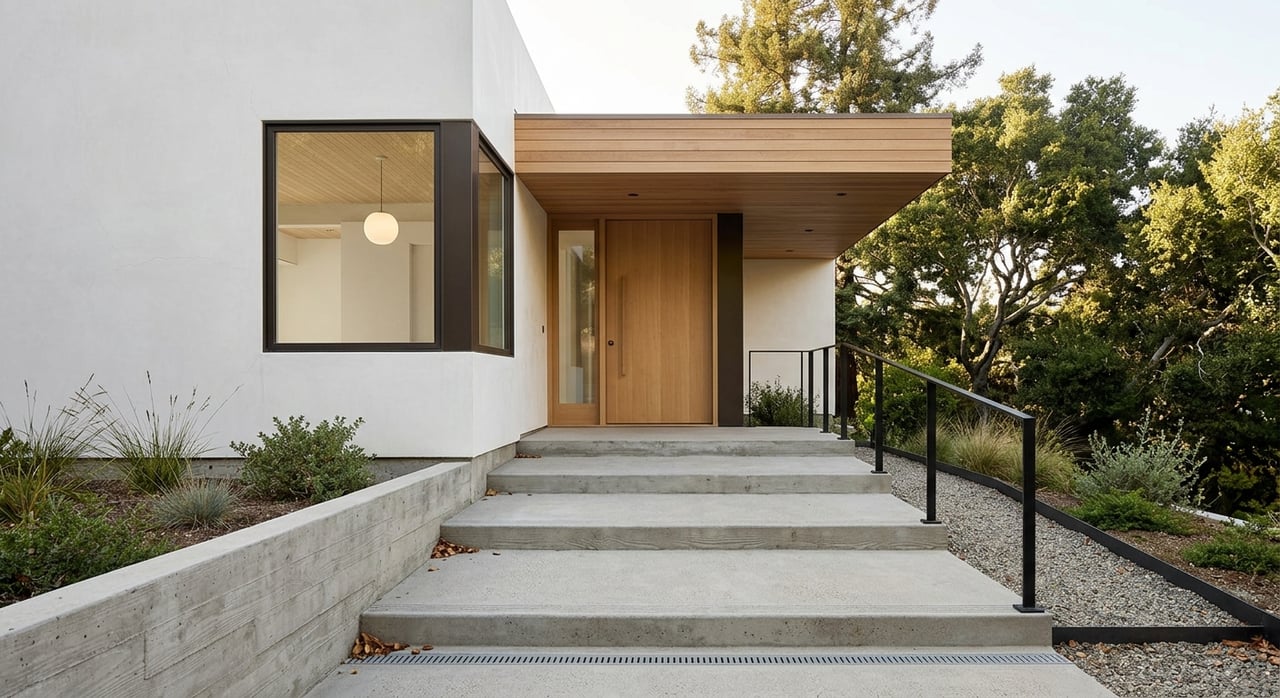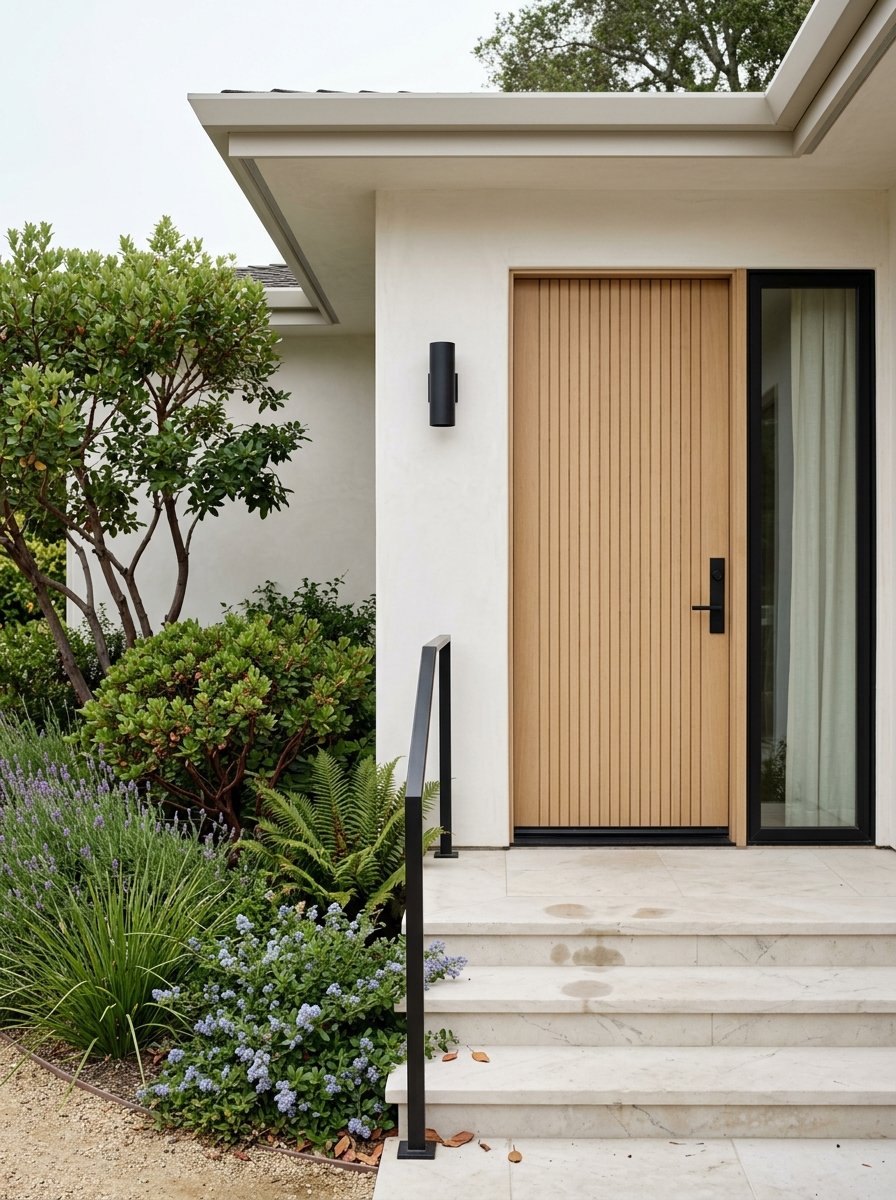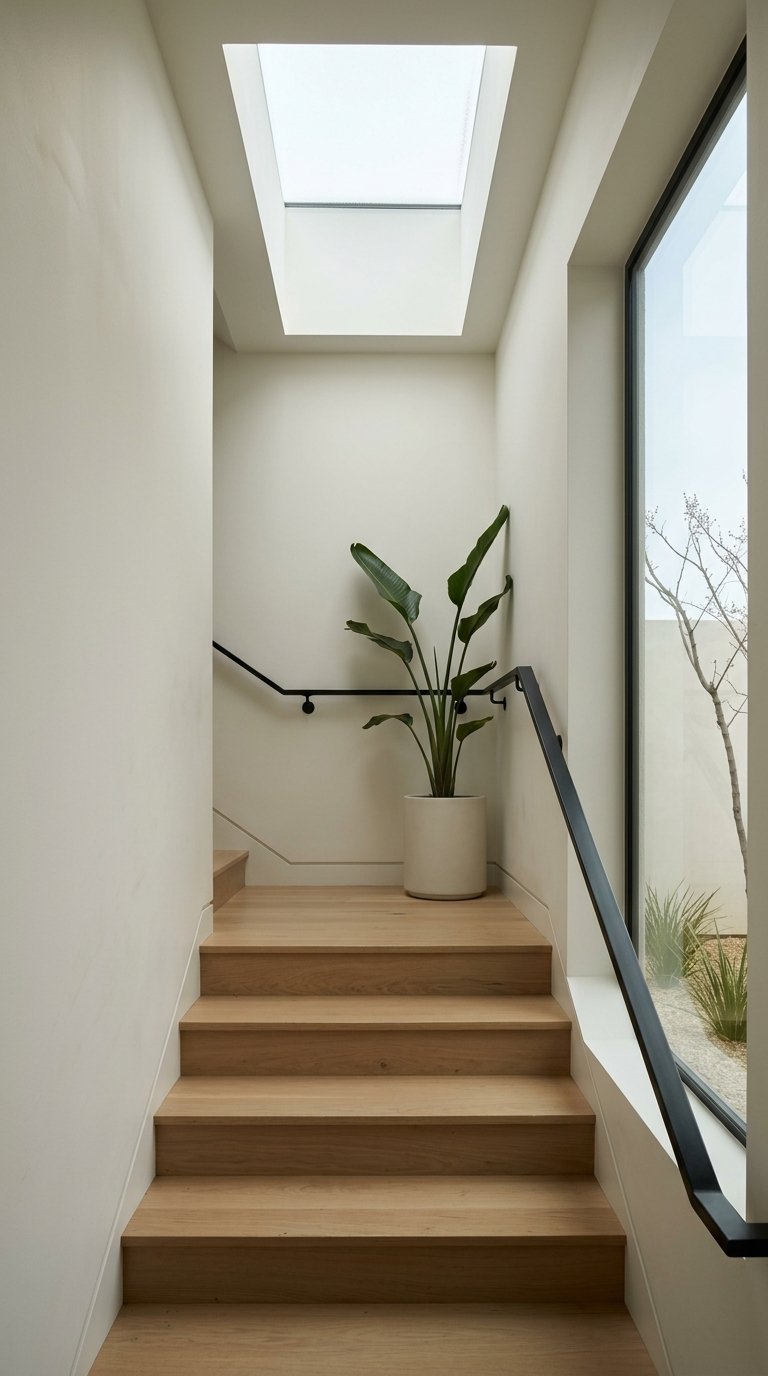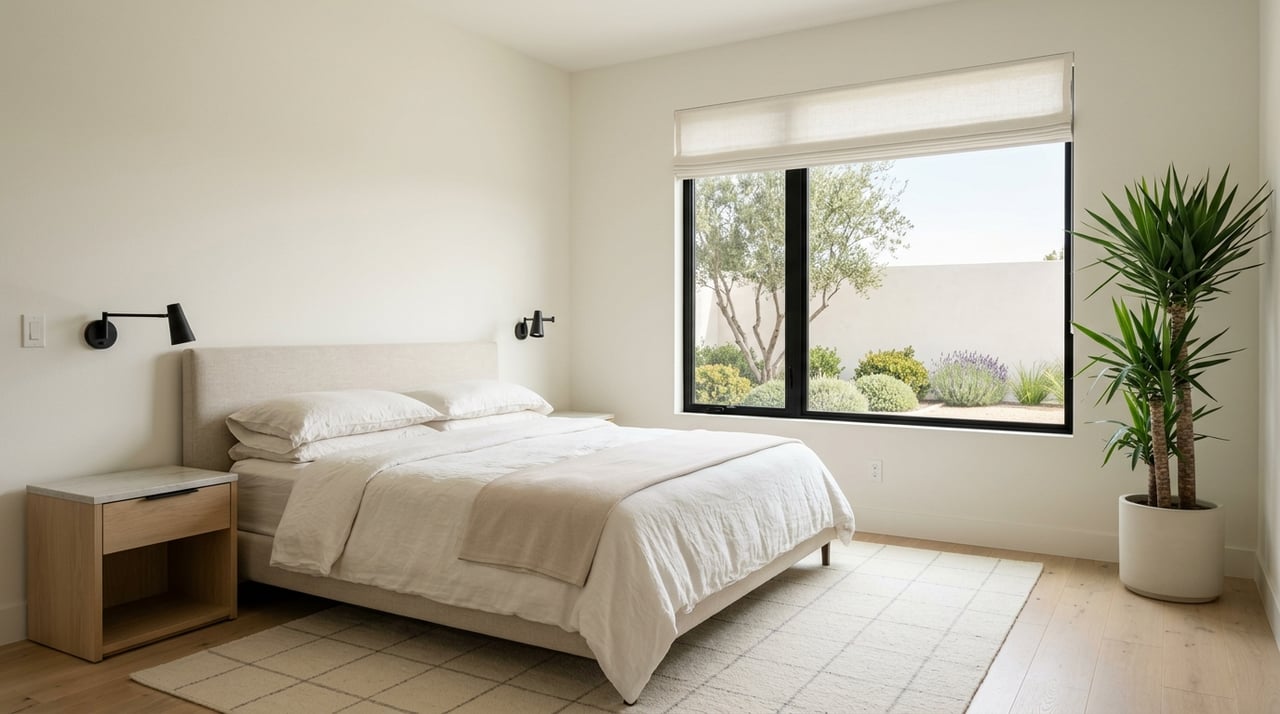
Why do two homes on the same Berkeley Hills street sell thousands apart? If you have ever compared listings and felt confused, you are not alone. Hillside properties trade on a specific mix of views, design, access, and risk that does not show up in a quick scroll. In this guide, you will learn the core value drivers in the Berkeley Hills and how to use them to set a smart price or make a confident offer. Let’s dive in.
The big value drivers
View quality and exposure
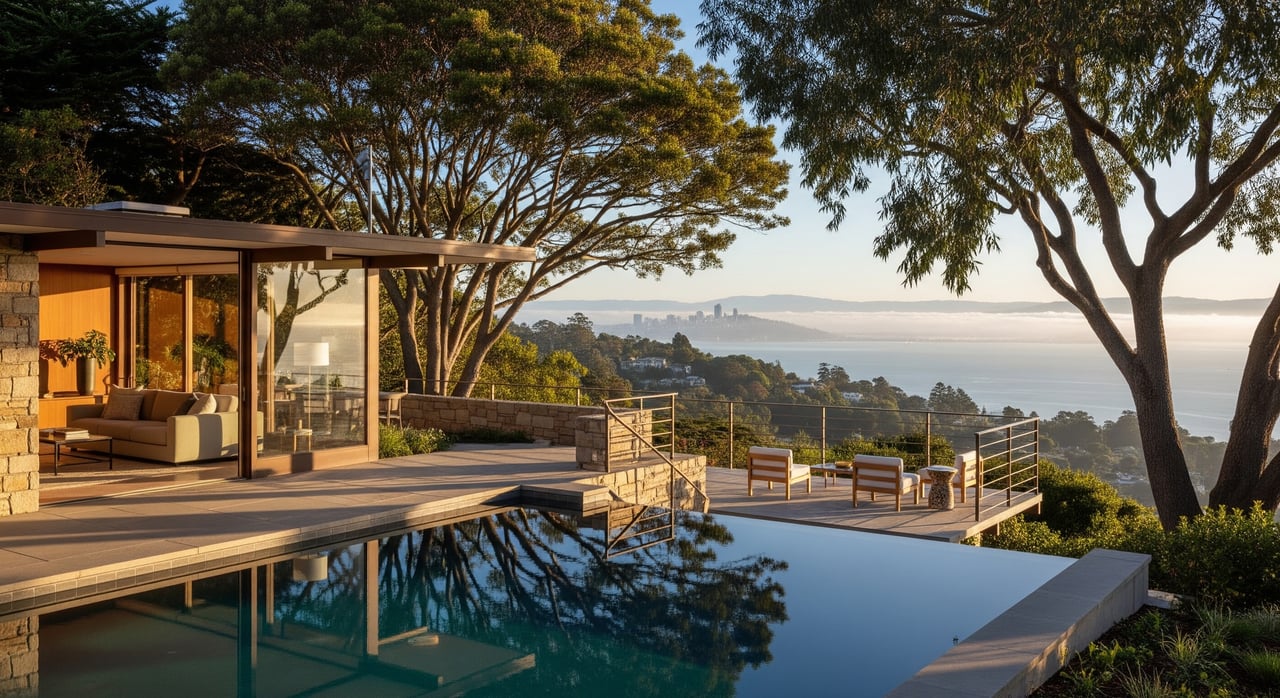
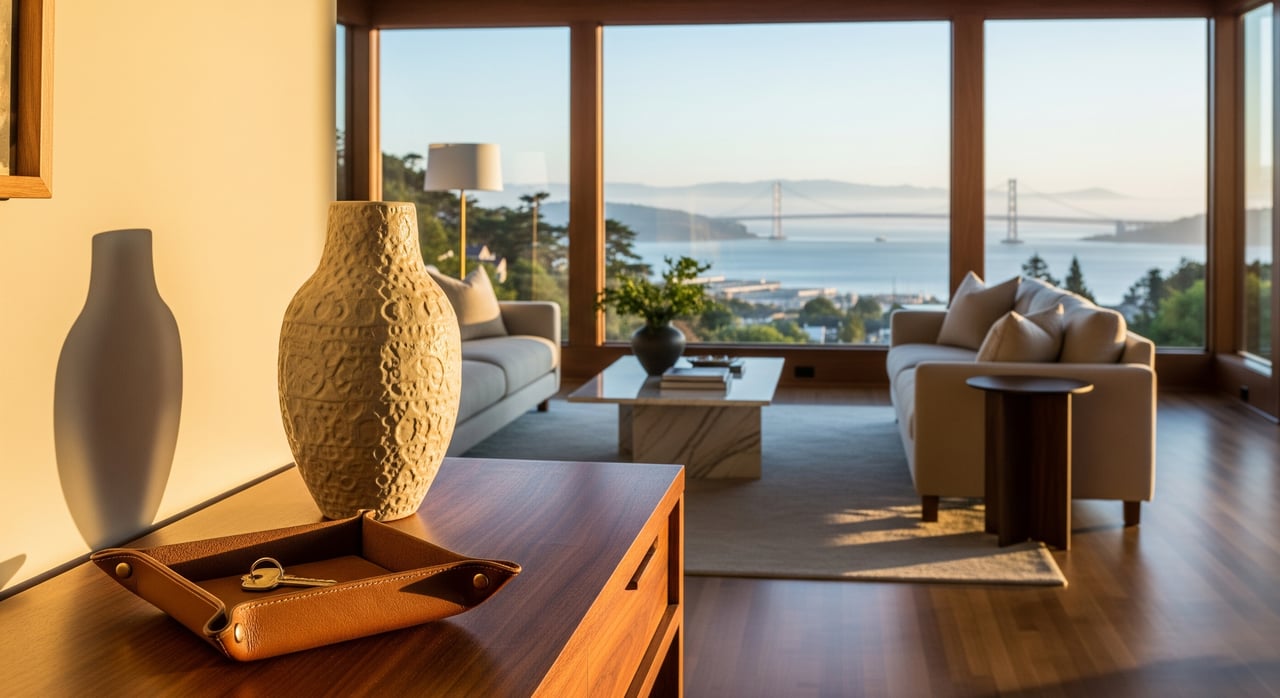
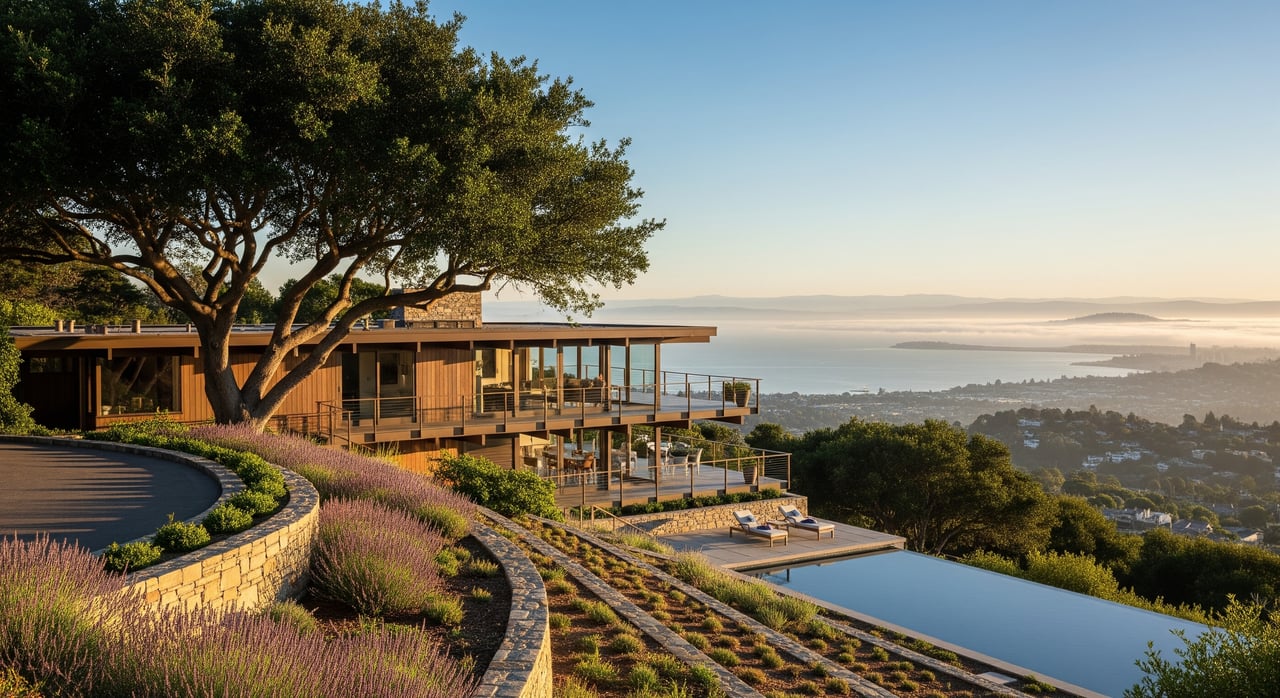
Bay, Golden Gate, and skyline vistas are among the most sought after in the Berkeley Hills. The angle and clarity of the view matter. A wide, unobstructed panorama with strong western exposure will usually command more interest than a narrow window view. The permanence of the view is also key. Tree growth and nearby construction can change sightlines, so buyers weigh what is likely to stay open.
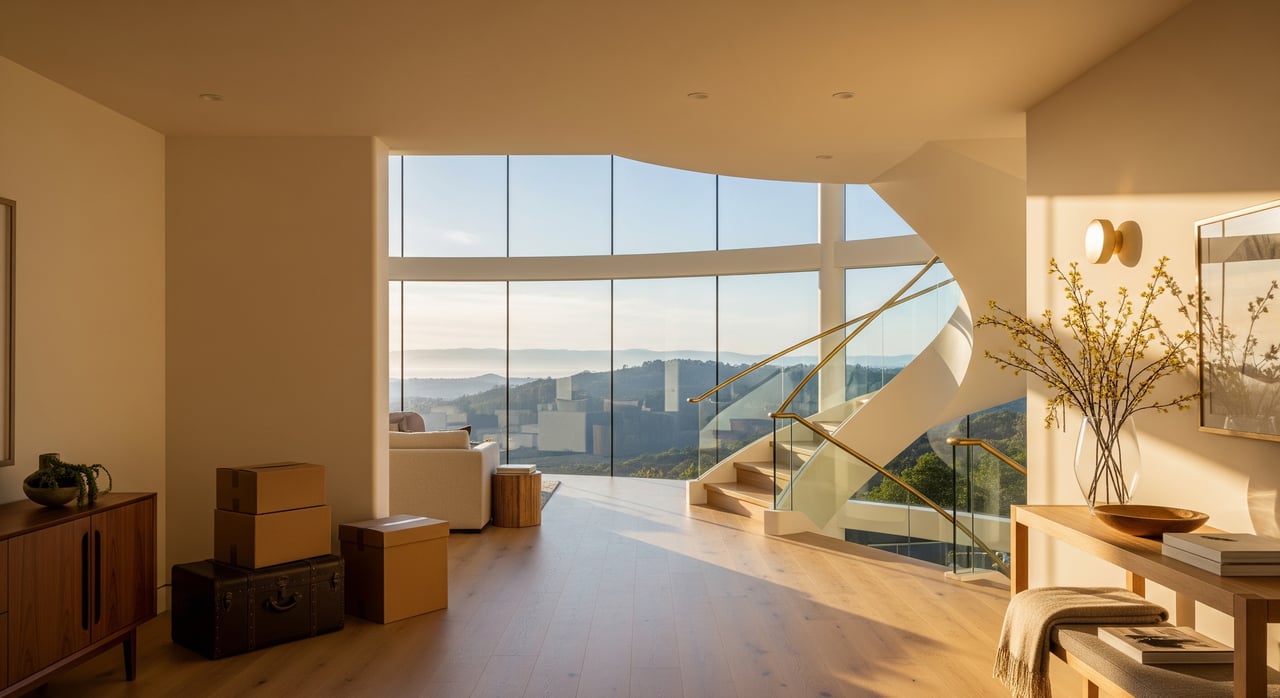
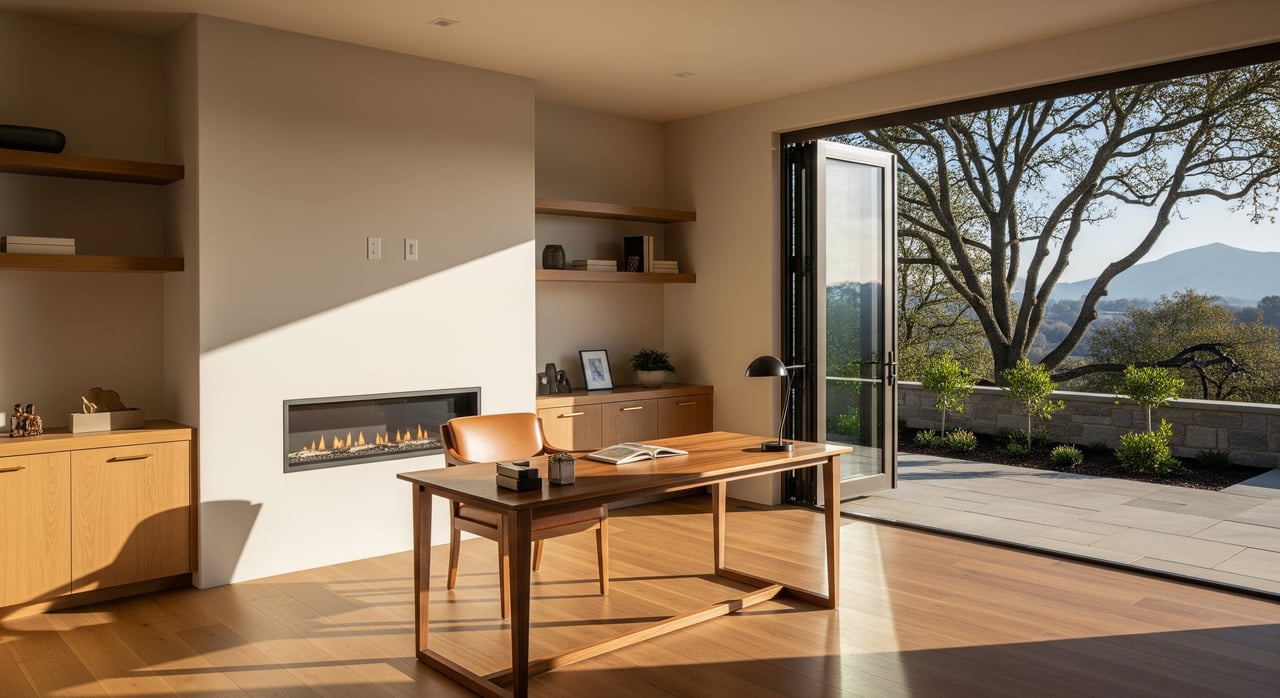
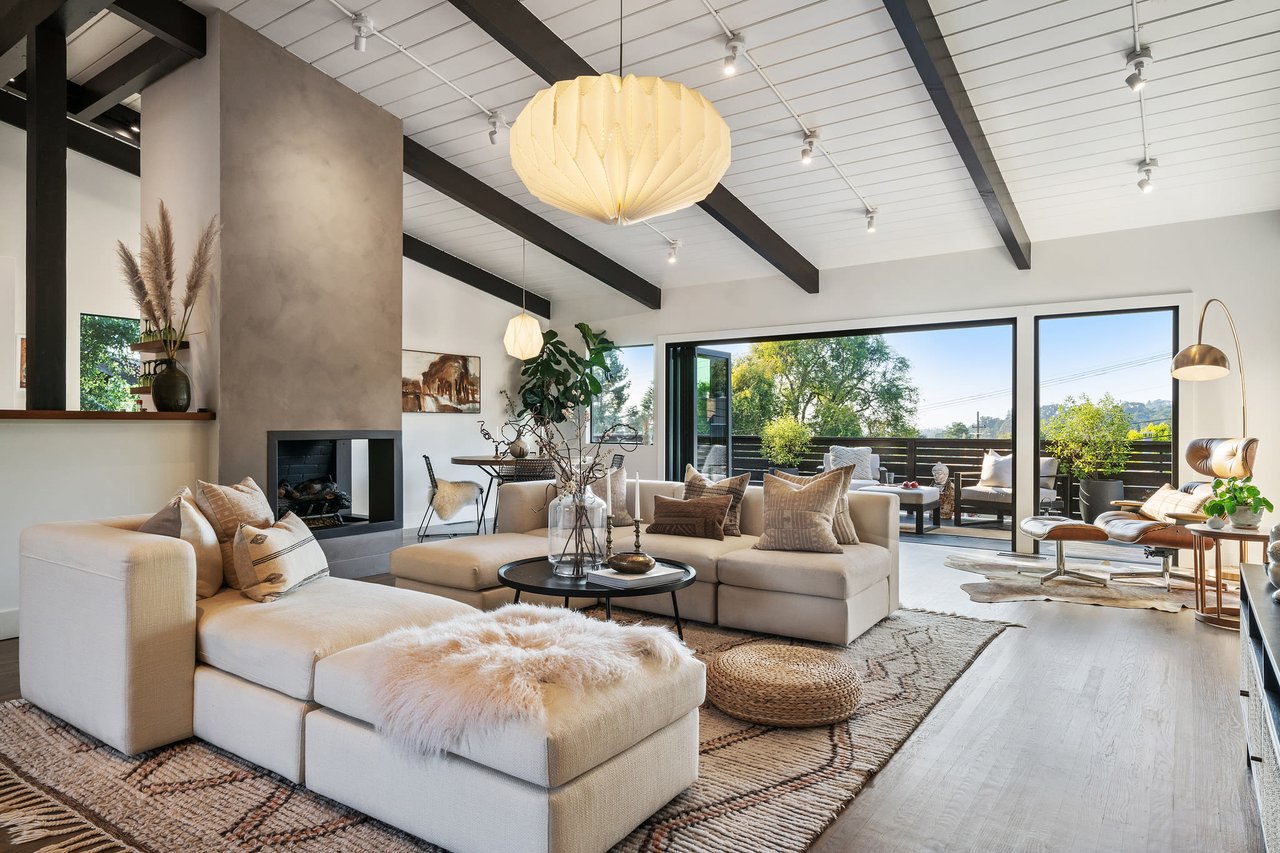
Views grow in value when paired with the right spaces. Expansive windows, well-oriented decks, and a terrace that faces the vista can create a daily living experience that buyers will pay for. Steeper ridge parcels often deliver the most dramatic outlooks, but the same topography can make access more challenging. That tradeoff shows up in final pricing.
Architecture, age, and condition
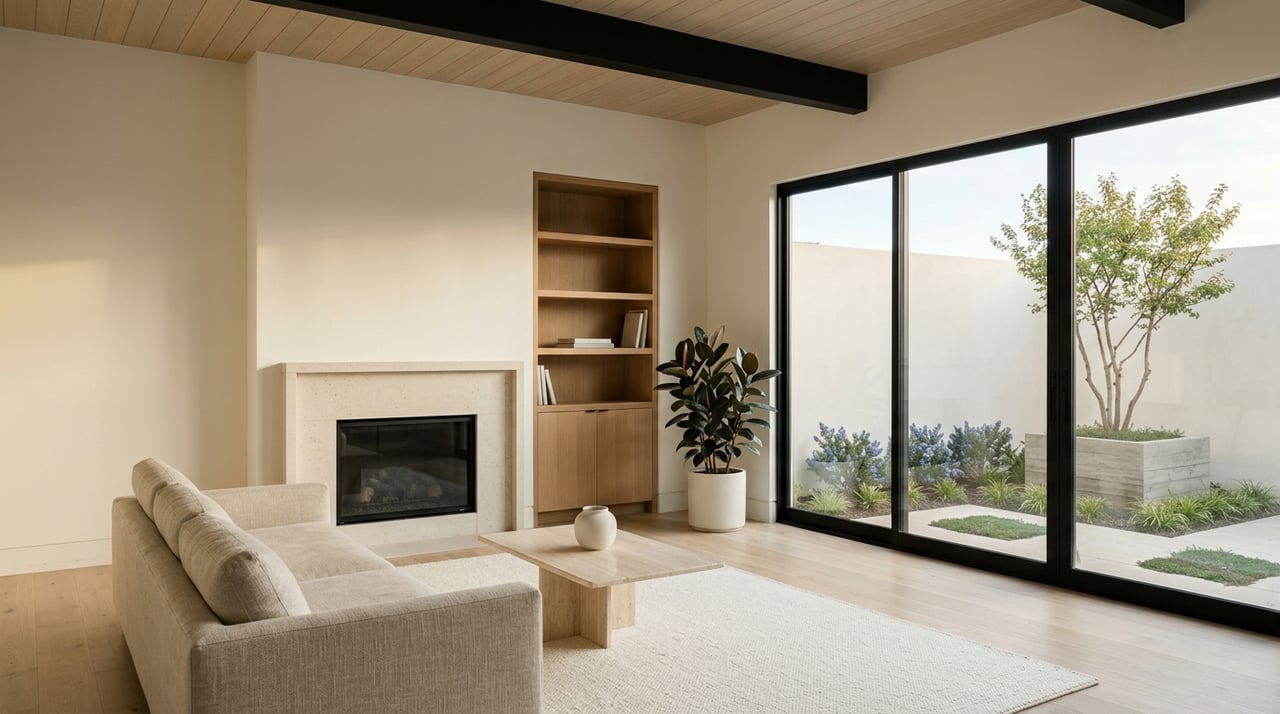
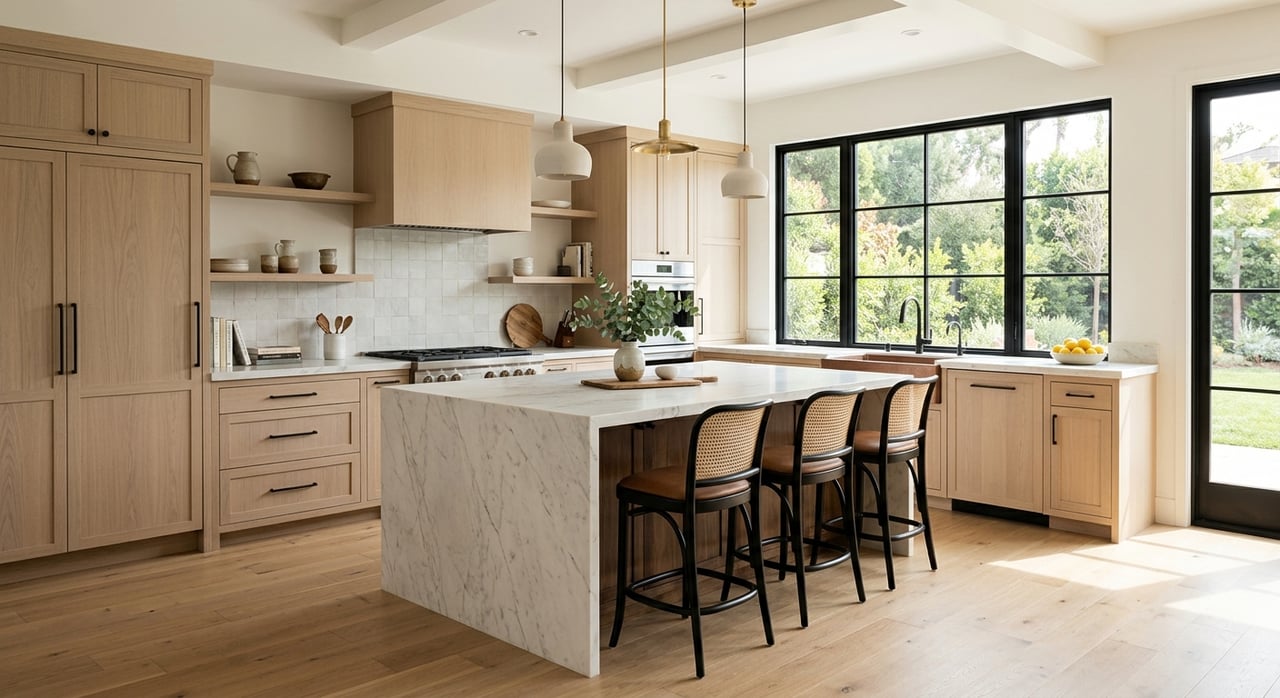
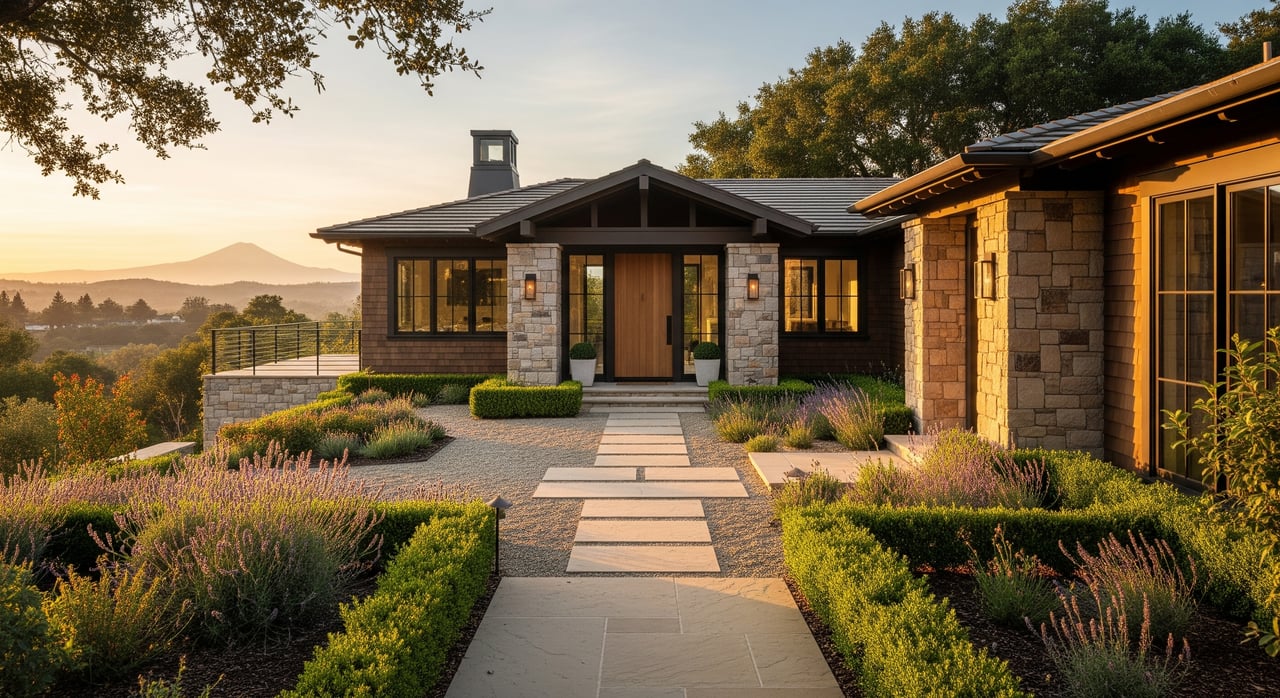
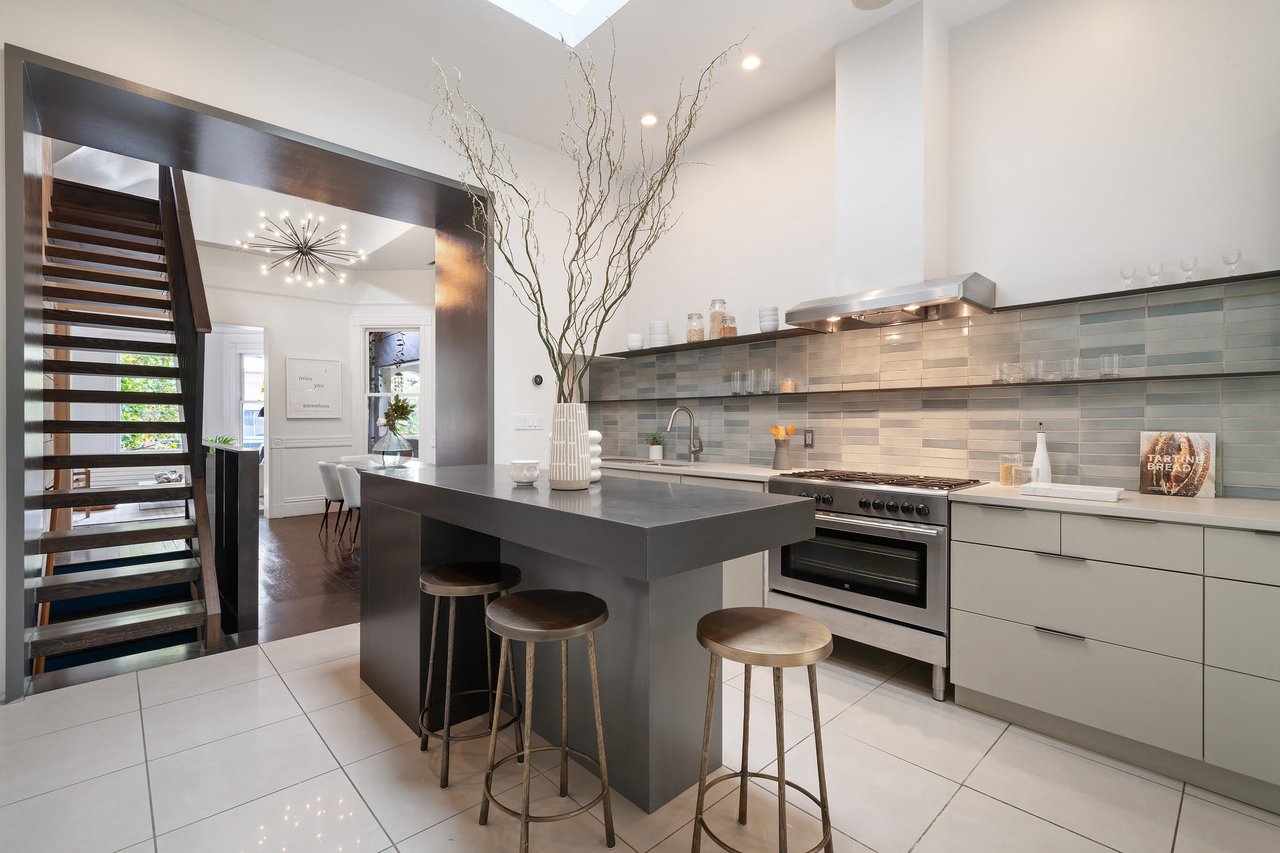
The Hills offer period homes, Craftsman and Edwardian styles, mid-century modern, post‑war builds, and newer contemporary remodels. Original character paired with modern systems often outperforms similar homes without upgrades. Seismic retrofits, updated kitchens and baths, and efficient heating and electrical reduce friction for move‑in buyers.
If you plan to remodel, lot and view can keep a project viable, but offers will reflect anticipated upgrade costs. If you want turnkey living, you may prefer a smaller lot or modest view in exchange for a fully updated interior. ADU potential or multi‑unit options, where allowed, can add value, but timelines and rules vary. Local permitting knowledge matters.
Lot, topography, and access
Steep parcels are common in the Berkeley Hills. They create drama and views, but they can reduce usable yard space and raise construction costs for retaining walls and terracing. Shallow, flat terraces are scarce and can trade at a premium because they support outdoor living.
Access can swing buyer interest. Narrow or steep driveways, limited garage space, and long stair runs can reduce appeal, even on homes with excellent views. Privacy is a plus, yet dense tree cover can also block sightlines. Many buyers balance privacy and view differently, which is why nearby sales can diverge.
UC and amenities proximity
Walkability to UC Berkeley on the southwestern slopes draws faculty, staff, and graduate students who value short commutes and campus events. Access to College Avenue, the Claremont District, Solano Avenue, and downtown Berkeley adds daily convenience and supports resale.
Transit in the Hills is less direct than in the flats. Homes near bus routes to BART, or with quick access to key corridors, are attractive to commuters. Shorter travel times reduce friction and can widen the buyer pool.
Hazards, insurance, and regulation
Much of the Berkeley Hills sits within very high wildfire risk zones. Buyers will ask about defensible space and mitigation like ember‑resistant vents and fire‑smart landscaping. Insurance availability and premiums affect decisions and can shape negotiation.
Steep slopes add landslide considerations and can complicate foundations or expansions. Geotechnical reports are common for significant projects. Older homes also prompt questions about earthquake exposure and retrofits. City rules, permit timelines, and historic overlays can influence scope, cost, and schedule.
How features translate into price
Premiums are contextual
There is no fixed percentage for a view or lot premium in the Berkeley Hills. A modest home with a wide Bay panorama may sell well above similar non‑view homes nearby. Yet a very steep lot with tricky access can trade at a discount, even with a strong view. Rarity and quality rule.
Liquidity and offer dynamics
Homes with high‑demand features like exceptional views, turnkey renovations, and easy access tend to draw more showings and multiple offers. They close closer to or above list price more often. Houses with major access or slope issues can sit longer and see larger discounts.
Who pays for what
Different buyers weigh priorities differently. Commuters may prioritize corridors and garage access. UC‑affiliated buyers often value walkability to campus. Downsizers might prefer single‑level living or minimal stairs. View‑driven buyers will pay more for light, windows, and terraces, while value‑add buyers sharpen pencils on rehab and permit risk.
Micro‑market snapshot
Grizzly Peak and ridge roads
Panoramic Bay and city views, plus quick access to open space, tend to lead the conversation here. View quality and outdoor orientation often dominate pricing.
Claremont Hills corridor
Hillside privacy with relatively convenient access to shops and restaurants near the Claremont District. Buyers who want seclusion plus services look here.
Panoramic Hill
Dramatic topography and one‑of‑a‑kind homes. Access and parking constraints are common, so the best‑prepared listings set clear expectations with photos and approach details.
La Loma Park and west slopes
Historic homes and proximity to North Berkeley amenities. Character, walkability, and condition often weigh more heavily than extreme ridge views.
Thousand Oaks and northwestern slopes
Residential streets with some hilltop lots and good access to Solano Avenue. Convenience and neighborhood feel pair with select outlooks.
Seasonality and strategy
When to list
Spring usually brings the most inventory and the largest buyer pool, helped by clearer weather that shows off landscapes and views. Autumn can be quieter with fewer listings and fewer buyers, which can still work for a standout property. Winter can succeed when inventory is low and the home has unique features or a motivated timeline.
Seasonal leaf cover can change a view. Sellers should highlight permanent view lines and note any seasonal shifts. Buyers should visit at different times of day to check light and exposure.
Presentation that sells
Great visuals matter more in the Hills. High‑quality exterior photography, twilight shots, and aerial imagery help buyers understand view lines, orientation, and approach. Clear maps or captions that show walk times to campus, retail nodes, and transit improve confidence.
Disclose fire risk and recent mitigation. Document driveway slope, number of stairs, and parking. Staging decks and terraces promotes the view lifestyle that buyers imagine paying for.
Practical checklists
Buyer due diligence
- Verify view permanence. Check tree growth, nearby lots, and potential building that could block sightlines.
- Test access. Walk the stairs, drive the driveway, and confirm garage clearance and guest parking.
- Review hazard mitigation. Ask about defensible space, roof and vent details, and any retrofit work.
- Confirm insurance options early. Understand premiums and coverage types available for the address.
- Evaluate remodel plans. If you plan work, obtain prior reports, and consider a geotechnical review for major changes.
- Check zoning and ADU potential. Confirm what is allowed and realistic permit timelines.
Seller preparation
- Create defensible space and document mitigation. List recent work clearly in disclosures.
- Stage outdoor living. Dress decks and terraces to showcase how the view is used daily.
- Lead with view lines. Capture wide window shots, daytime and twilight, and note orientation.
- Clarify access. Photograph driveways, stairs, and parking so buyers understand the approach.
- Gather records. Compile permit history, retrofit documents, and service receipts to reduce friction.
- Tackle high‑impact updates. Cosmetic refreshes and systems upgrades often outperform additions for move‑in buyers.
Pricing and negotiation
Pricing slightly under local expectations can spark competition for well‑positioned view homes. Unique properties benefit from careful narrative framing that explains upgrades, view quality, and access. Expect buyer contingencies that reflect slope, utilities, and insurance questions, and plan timelines accordingly.
What this means for you
In the Berkeley Hills, price is the sum of view, design, access, convenience, and risk. When you understand how these pieces fit together, you can justify your list price, tell a stronger property story, or craft a winning offer with clear tradeoffs.
If you want help preparing or targeting a Hills home, Hope Broderick & Co blends design transformation with disciplined marketing and negotiation. From pre‑sale renovation and staging to full‑service buyer guidance, our team is built for the East Bay hills. Ready to make your move with confidence? Connect with Hope Broderick.
FAQs
What adds the most value to a Berkeley Hills home?
- Wide, unobstructed Bay or skyline views paired with well‑oriented windows and outdoor spaces, plus modernized systems and easy access, tend to draw the strongest buyer response.
How do views affect price in the Berkeley Hills?
- View premiums vary by quality, angle, permanence, and street rarity, so a panoramic outlook can command a noticeable premium while a partial or vulnerable view may not.
How important is proximity to UC Berkeley for value?
- Homes within comfortable walking distance to campus often see stronger interest from UC‑affiliated buyers who value short commutes and access to events and services.
Do steep lots and long stair runs hurt resale?
- They can, since access and usability matter to many buyers, so steep driveways or many stairs often reduce demand even when views are strong.
How do wildfire and earthquake risks affect buying and selling?
- Fire‑risk zones influence insurance availability and premiums, and older homes prompt questions about seismic retrofits, so mitigation and documentation help protect value and ease negotiations.
When is the best time to list in the Berkeley Hills?
- Spring typically brings more buyers and clearer weather for showcasing views and landscapes, while winter and autumn can still work for standout or time‑sensitive listings.