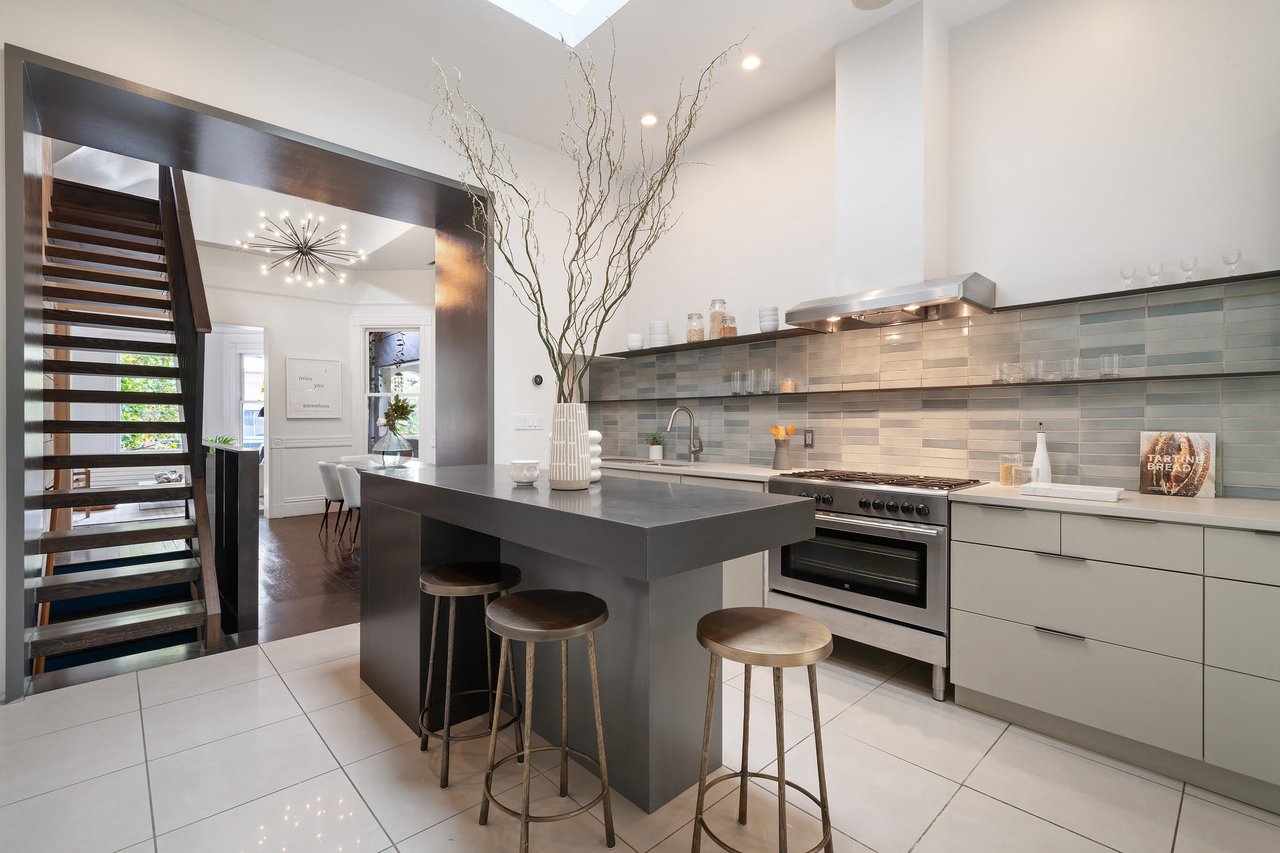
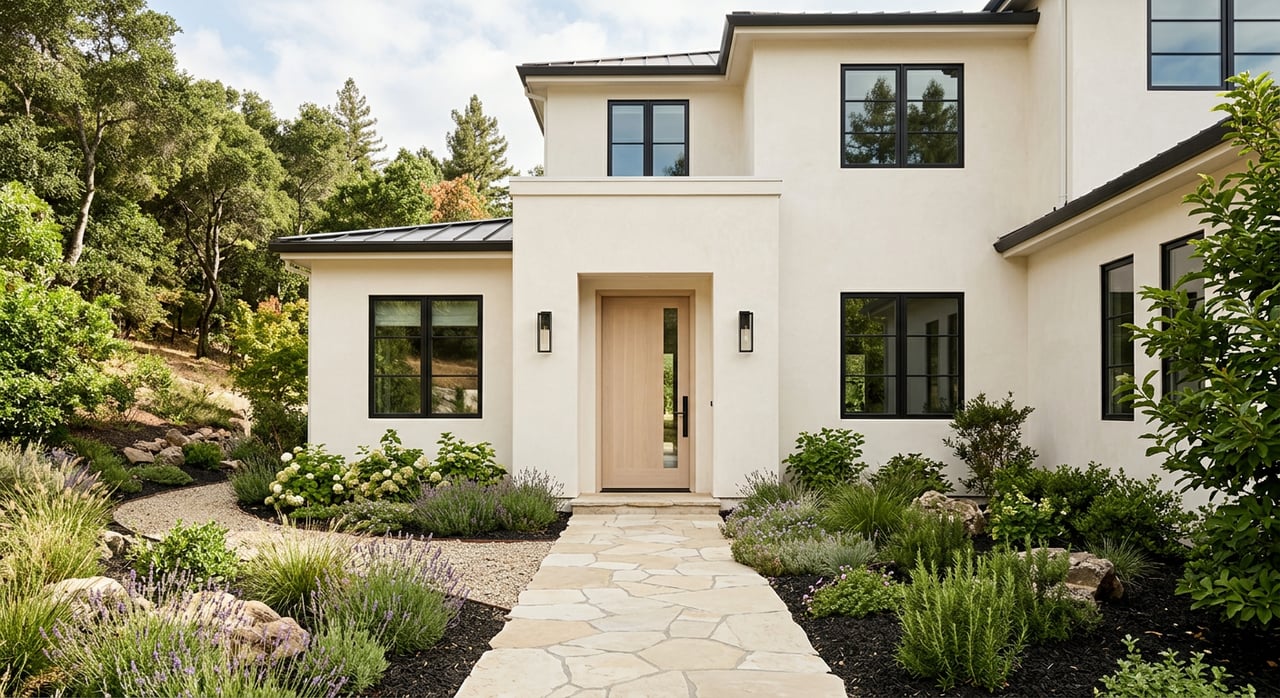
Torn between Orinda and Lafayette for your East Bay Hills home? You’re not alone. Both offer top-tier schools, easy BART access, stylish homes, and a relaxed, outdoorsy lifestyle just over the Caldecott. This guide breaks down the differences by price, schools, commute, downtown vibe, trails, and wildfire planning so you can choose with confidence. Let’s dive in.
Orinda vs. Lafayette at a glance
If you want a quick market snapshot, start here. In city housing snapshots for January 2026, Redfin reported a median sale price of about $1.91M in Orinda and $1.69M in Lafayette. Median price per square foot trended lower in Orinda and higher in Lafayette in that same period, and typical days on market can swing month to month.
Treat any single-month number with care. Both cities have small sales counts, which makes monthly medians volatile. Use a 12‑month view for a truer read, then compare by neighborhood, lot type, and school boundary as you narrow your search.
Schools and pathways
Both cities feed into respected public school systems. Orinda’s K–8 students attend the Orinda Union School District, which publishes detailed School Accountability Report Cards and provides address-specific enrollment information on its site. You can review district data and reports on the Orinda Union School District SARC page.
For high school, both communities connect to the Acalanes Union High School District, which operates Acalanes, Miramonte, Campolindo, and Las Lomas. Learn more about programs, boundaries, and resources on the Acalanes Union High School District site. School quality is a key value driver in Lamorinda. Always verify an address against current boundaries before you make an offer.
Commute and transit
BART is a major advantage for both towns. Typical rides to downtown San Francisco fall in the mid 20 to low 30 minutes, with Orinda often about 26 minutes and Lafayette about 31 minutes depending on line and timing. For reference, you can explore sample trip durations using tools like Moovit’s route planner.
Parking and first‑mile options matter. Lafayette’s station has seen construction and active permit programs, which can tighten peak-hour parking. BART periodically updates station access, parking, and bike facilities, so check BART’s station news for the latest. If you drive, Highway 24 through the Caldecott Tunnel is the main route west. Travel time varies widely by hour, so test your commute at your actual departure time.
Downtown character and daily convenience
If being able to walk to dinner, errands, and library events sits high on your list, Lafayette is likely to stand out. Its Mt. Diablo Boulevard corridor is longer and more continuous, with a busy main street feel and a highly used library and community programming. Explore city resources and recreation highlights on Love Lafayette’s site.
Orinda’s downtown reads quieter and more village‑scale, split between the Village District and Theatre District. The historic Orinda Theatre and Theatre Square create a strong cultural anchor and a distinctive sense of place. Learn more about the area’s character and events at Downtown Orinda. If you want lively restaurant rows and frequent foot traffic, Lafayette has the edge. If you prefer a smaller, charming center with classic cinema and community events, Orinda fits the brief.
Home types and neighborhood feel
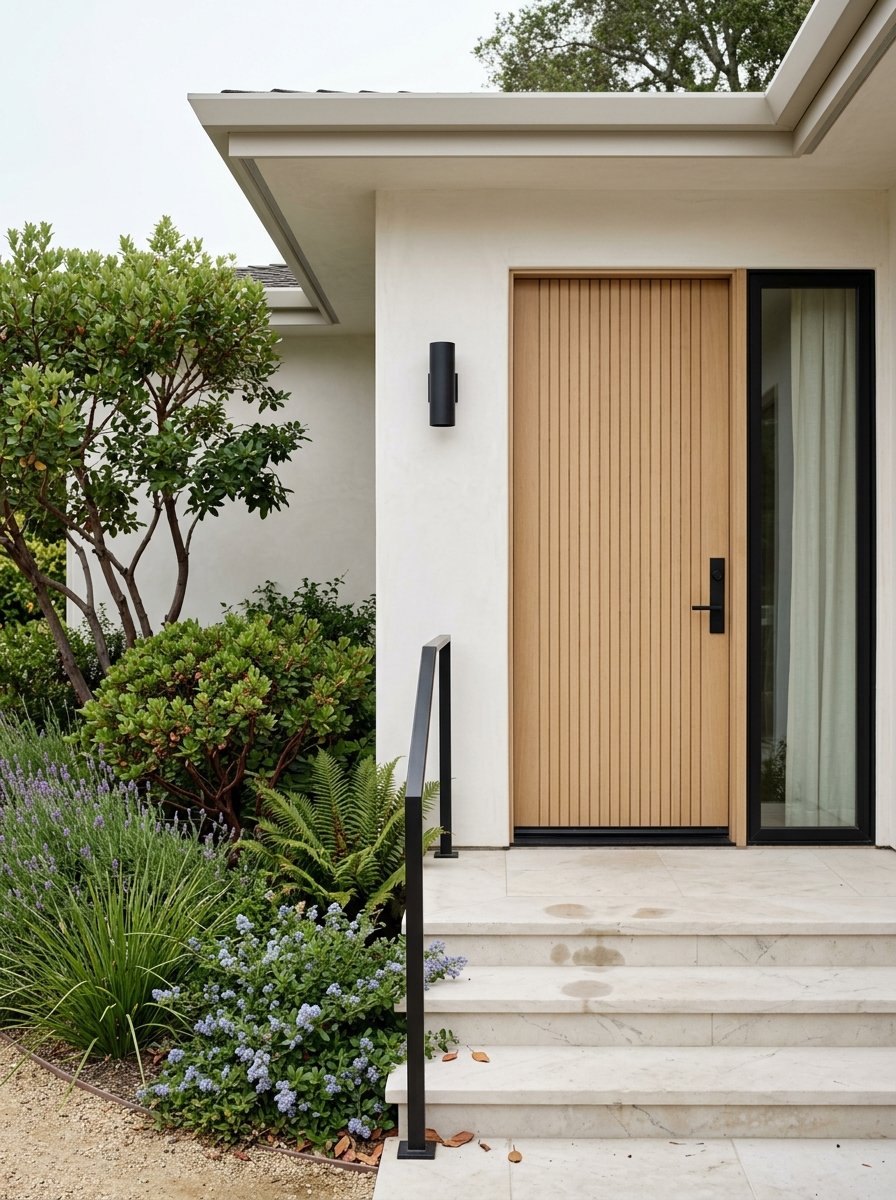
Both cities offer a range of single‑family homes, but the feel shifts across neighborhoods. In Orinda you’ll find many mid‑century and ranch homes, often on larger, wooded or hillside parcels that deliver privacy and a “country club” calm. Notable areas often discussed by buyers include Sleepy Hollow, Orinda Village, Country Club, and El Toyonal.
Lafayette blends flatter valley neighborhoods like Happy Valley and Springhill with hillside areas that offer space and views. Closer to downtown, you will see more townhomes and smaller-footprint options that reduce yard work and put you near restaurants and services.
Price bands vary by lot size, slope, condition, and proximity to downtown. As a practical planning range, entry segments for smaller homes or condos can begin near the low seven figures, many updated 3 to 4 bedroom homes fall in the mid to high ones and low twos, and larger or newly rebuilt estates reach well above that. Expect overlap between the two cities and verify live numbers for your target address set.
Outdoors, trails, and microclimate
East of the Berkeley Hills, Orinda and Lafayette enjoy a warmer, sunnier summer pattern than neighborhoods on the bay side. Microclimate still varies by block due to slope and elevation, so visit homes at different times of day to gauge morning fog, afternoon sun, and evening breezes.
If a paved loop and lakeside picnics are on your wish list, the Lafayette Reservoir is a standout. Families love its accessible trails, boating, and quick proximity to downtown. For longer hikes, Briones Regional Park offers rolling ridgelines and big-sky views. Get an overview of trail networks on Briones Regional Park’s page.
Orinda often feels especially trail-rich, with immediate neighborhood trailheads and quick access to both Tilden and Briones. A simple rule of thumb: if you want daily, stroller‑friendly reservoir loops, Lafayette is a fit. If you want varied hillside routes right out your door, Orinda is an excellent match.
Safety, wildfire, and insurance planning
Both cities report low violent and property crime relative to national averages and are widely considered quiet residential communities. That said, wildfire exposure is a meaningful factor in the hills. California’s 2025 map updates show large areas in Orinda and substantial acreage in Lafayette designated as high or very high fire hazard severity zones. See regional coverage of the update in this CBS Bay Area report.
If you buy in a mapped zone, plan for defensible space upkeep, ember-resistant vents, Class A roofing, and other hardening measures. Insurance availability and cost can vary by carrier and address. Smart steps include requesting quotes early in your search, budgeting for vegetation management, and reviewing local requirements before you close.
Which city fits your lifestyle?
Country‑club commuter
You value privacy, larger lots, and quiet evenings, but still want a fast BART ride. Orinda often fits best, especially neighborhoods around Orinda Country Club and Sleepy Hollow.
Walkable‑downtown lifestyle
You want errands, dining, and library events on foot. Lafayette’s Mt. Diablo Boulevard corridor delivers the most continuous main street feel and restaurant choice.
Trail‑centric family
Daily family loops and weekend ridgeline hikes are non‑negotiable. Lafayette shines for the paved reservoir loop and quick park access, while Orinda offers varied hillside trailheads right from many neighborhoods.
School‑first buyer
Public school pathways are a high priority. Both cities feed into the Acalanes Union High School District and have strong K–8 districts. Verify boundaries for any specific address before you write an offer.
Investor or downsizer seeking lower maintenance
You want a smaller footprint and minimal yard work near services. Lafayette typically offers more townhomes and near‑downtown options. Orinda’s inventory leans more single‑family on larger lots.
How to choose for your specific address
Use this short checklist as you narrow homes:
- Commute reality check: Test BART and drive times during your actual commute window. Review BART station updates for parking or bike access.
- School pathway: Confirm K–8 and high school boundaries with the district. Cross‑check on the Orinda Union SARC page and Acalanes Union HSD.
- Lot and lifestyle: Decide if you prefer wooded privacy and hillside views or flatter, walkable streets closer to downtown.
- Wildfire readiness: Determine if the property sits in a mapped high or very high hazard zone. Budget for defensible space and any retrofits.
- Price band and condition: Compare updated vs. value‑add homes. Look at 12‑month medians and neighborhood comps, not just a single-month snapshot.
- Maintenance profile: Choose between larger yards with more landscaping and smaller lots or townhomes with lower upkeep.
Both Orinda and Lafayette are special corners of the East Bay Hills. The right fit comes down to the streets you will walk, the commute you will make, and the outdoor routines that matter to you. If you want a guided, design‑savvy search that matches lifestyle with architecture and neighborhood character, we are here to help.
Ready to compare homes on the ground and see how each city feels in person? Reach out to Hope Broderick to tour, refine your brief, and craft a winning plan.
FAQs
What are current home prices in Orinda vs. Lafayette?
- In January 2026 snapshots, Redfin reported a median sale price near $1.91M in Orinda and $1.69M in Lafayette; use 12‑month trends and neighborhood comps for decisions.
Is Orinda or Lafayette better for BART commuting to San Francisco?
- Both are strong. Typical rides often run about 26 minutes from Orinda and about 31 minutes from Lafayette, schedule dependent, and station parking can be tighter in Lafayette during peak times.
How do public schools compare in Lamorinda?
- Both cities feed into the Acalanes Union High School District and have strong K–8 districts; verify any address with district resources and review program details on official sites.
Which town offers more walkable dining and errands?
- Lafayette has the most continuous main street corridor along Mt. Diablo Boulevard, while Orinda offers a quieter village center anchored by the historic Orinda Theatre.
How does wildfire risk affect buying in Orinda and Lafayette?
- Large hillside areas in both cities appear on state high or very high hazard maps, so plan for defensible space, home‑hardening upgrades, and early insurance quotes before closing.