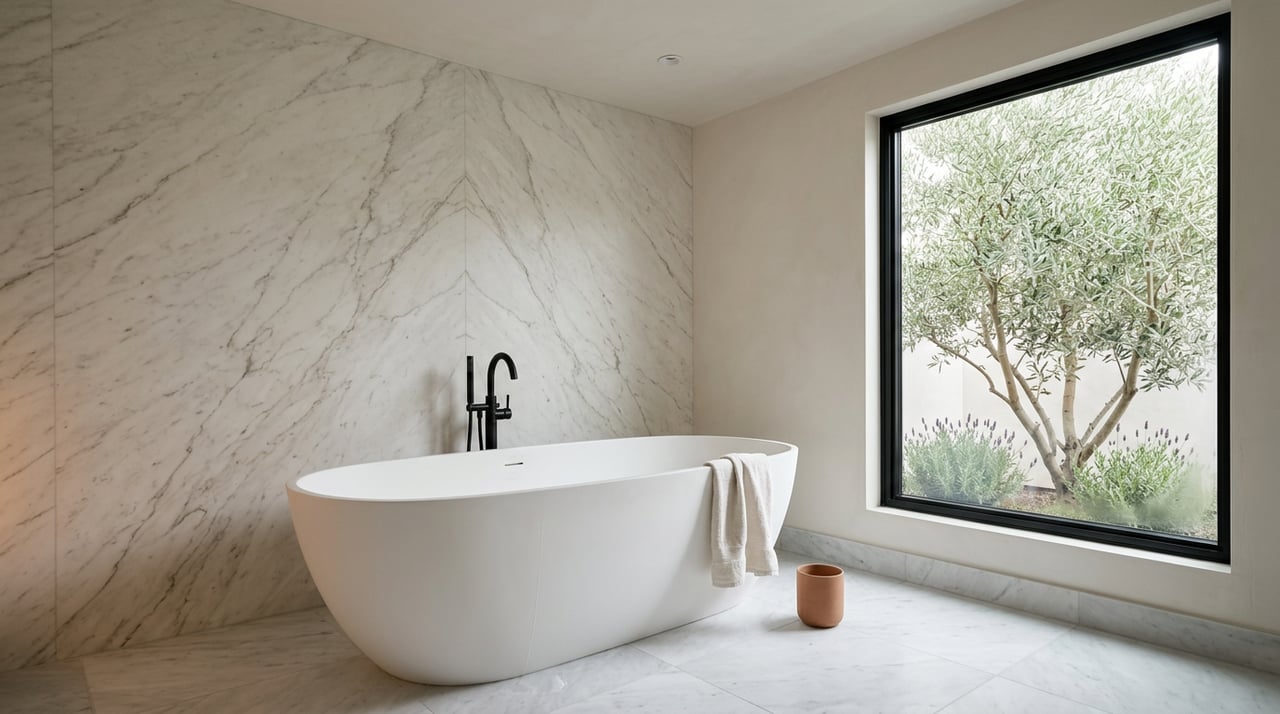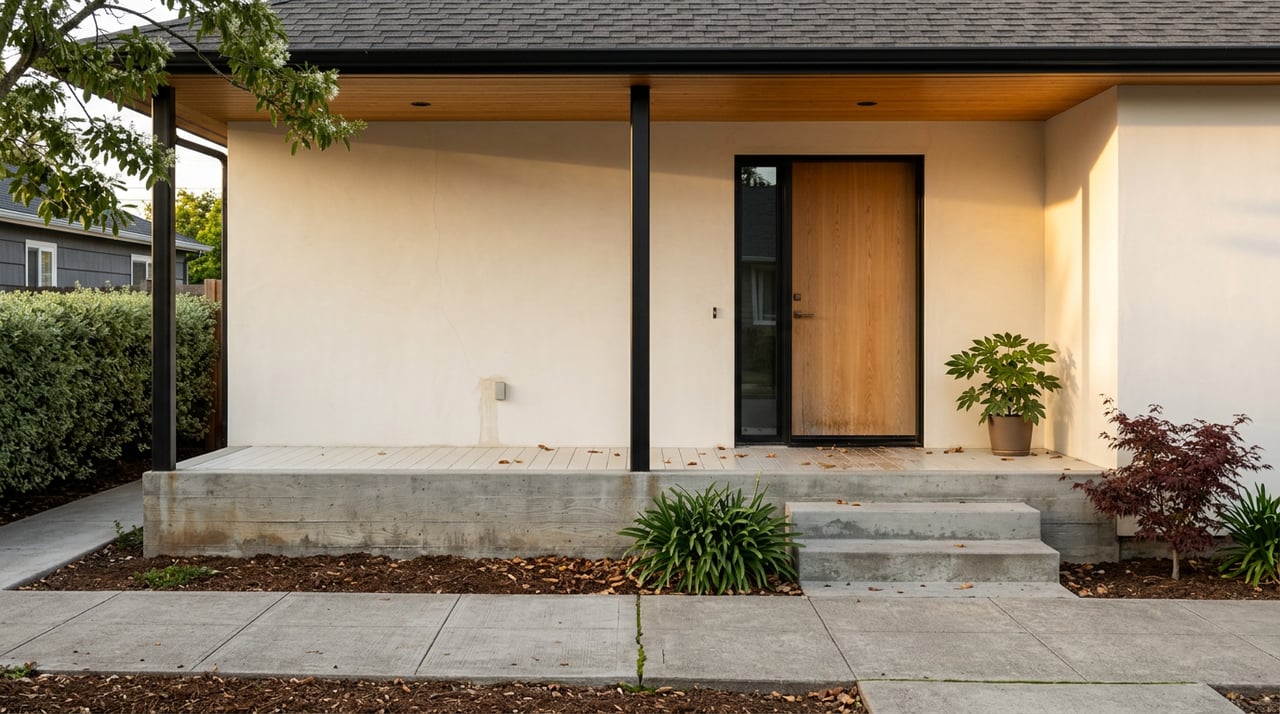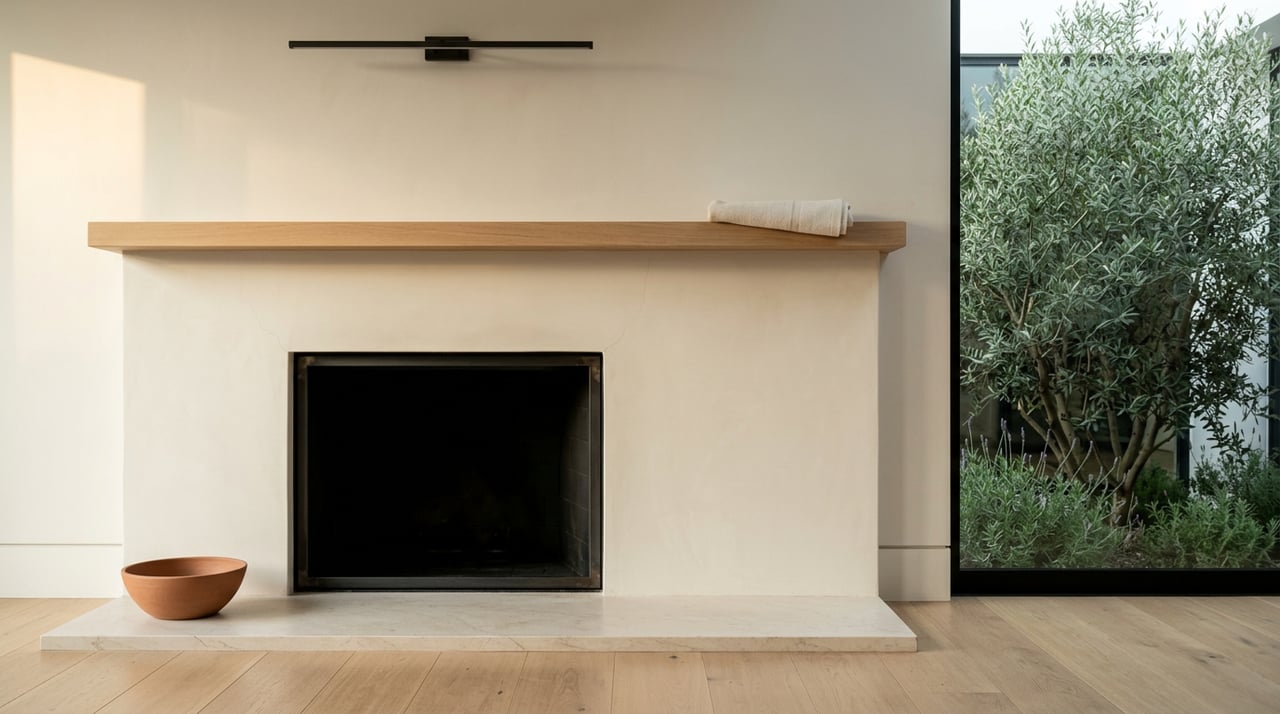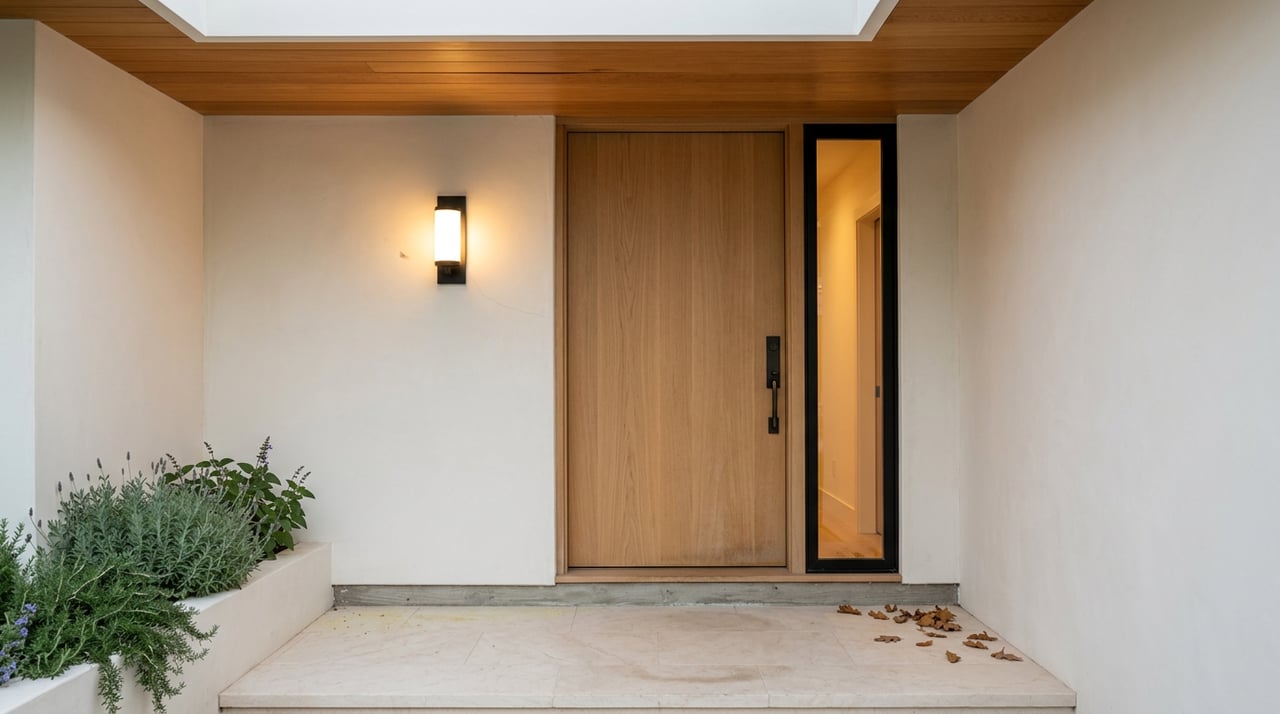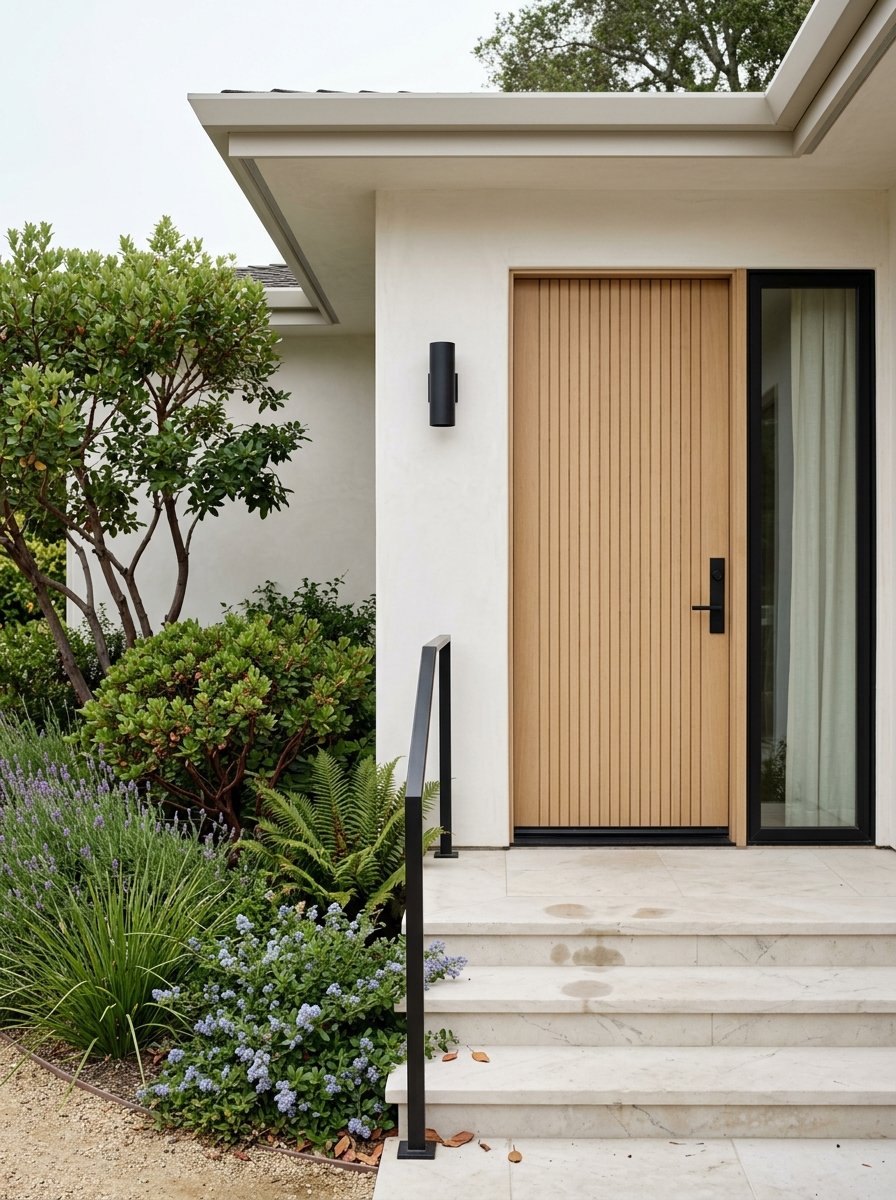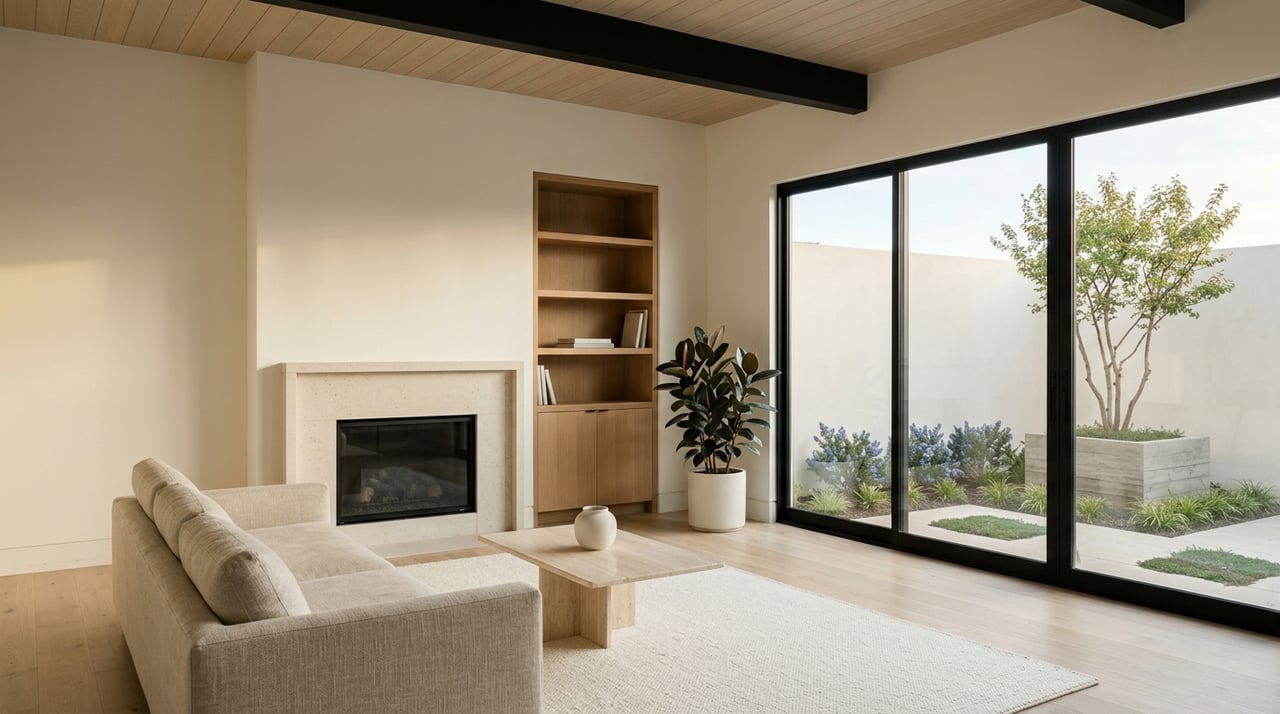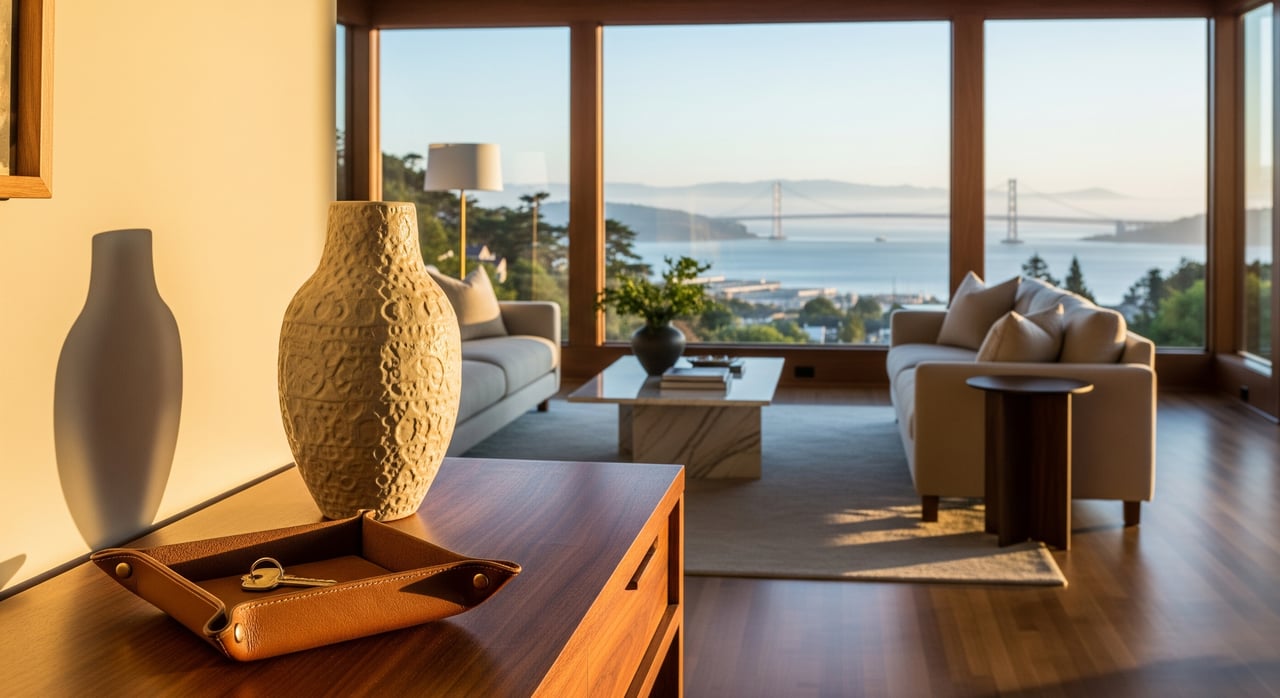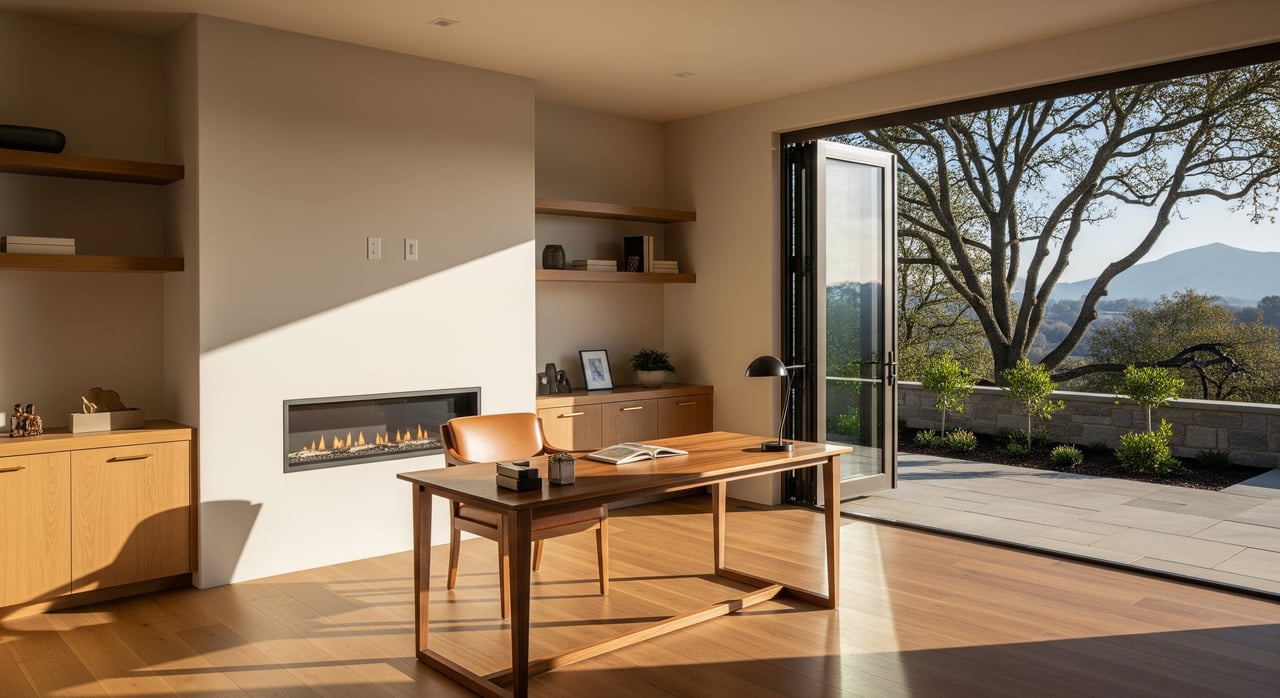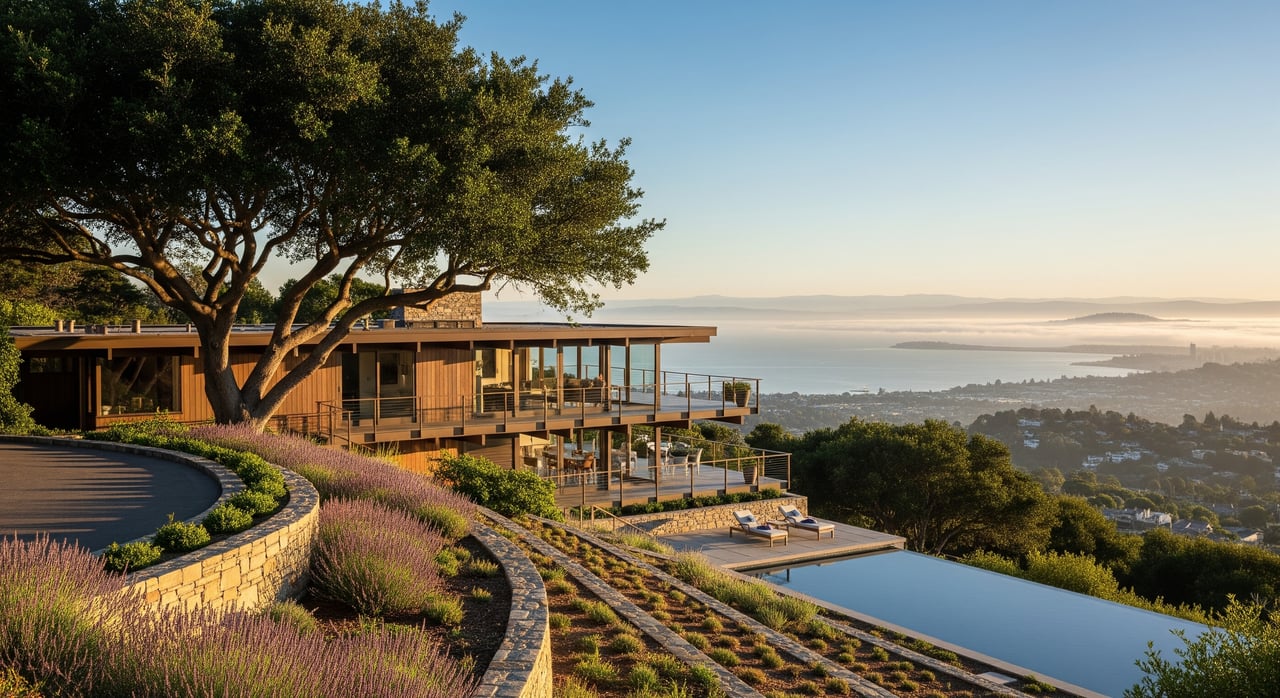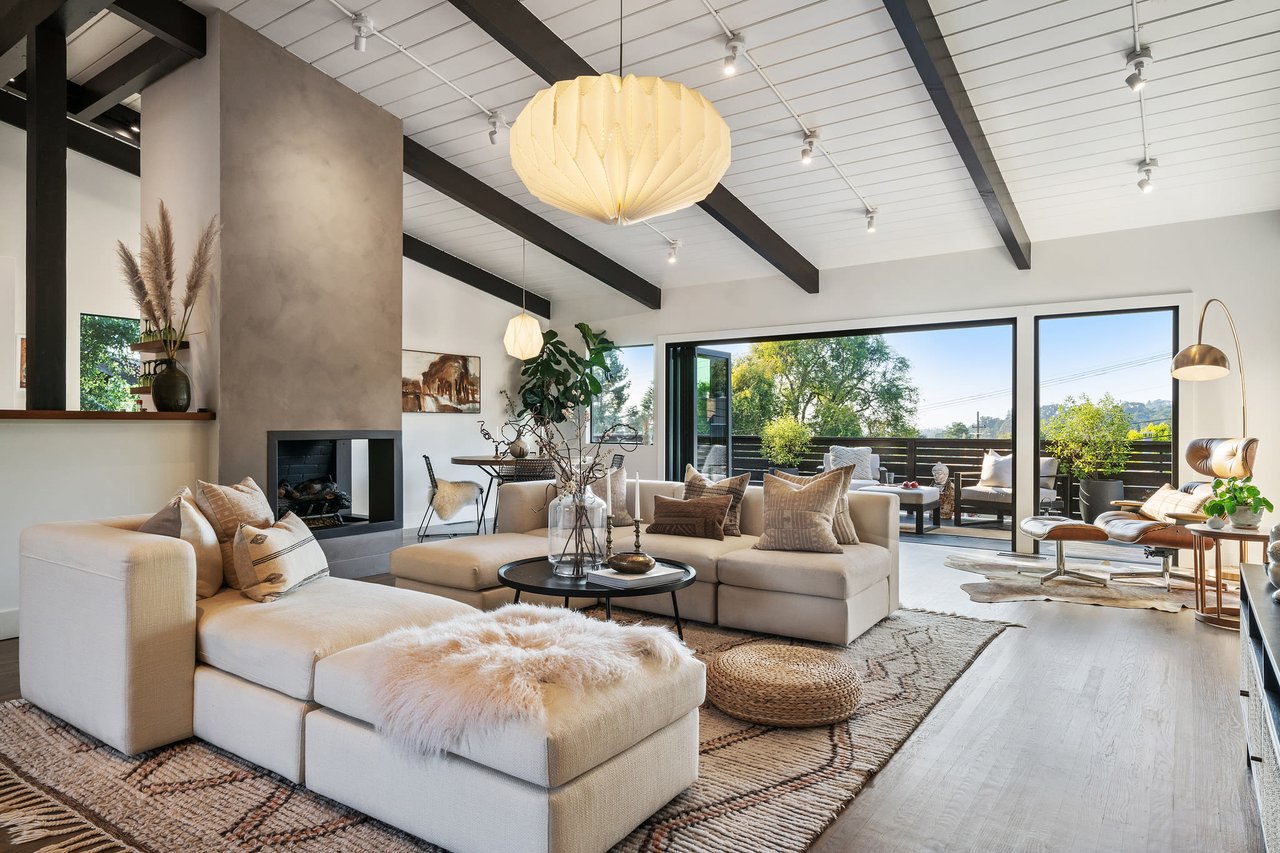
If you want a second home that feels easy from day one, "turnkey" can sound like the perfect answer. But in Lafayette and Orinda, turnkey means more than fresh finishes and good photos. It means understanding condition, ownership costs, rental limits, and wildfire readiness so you can buy with confidence. Let’s dive in.
What turnkey means here
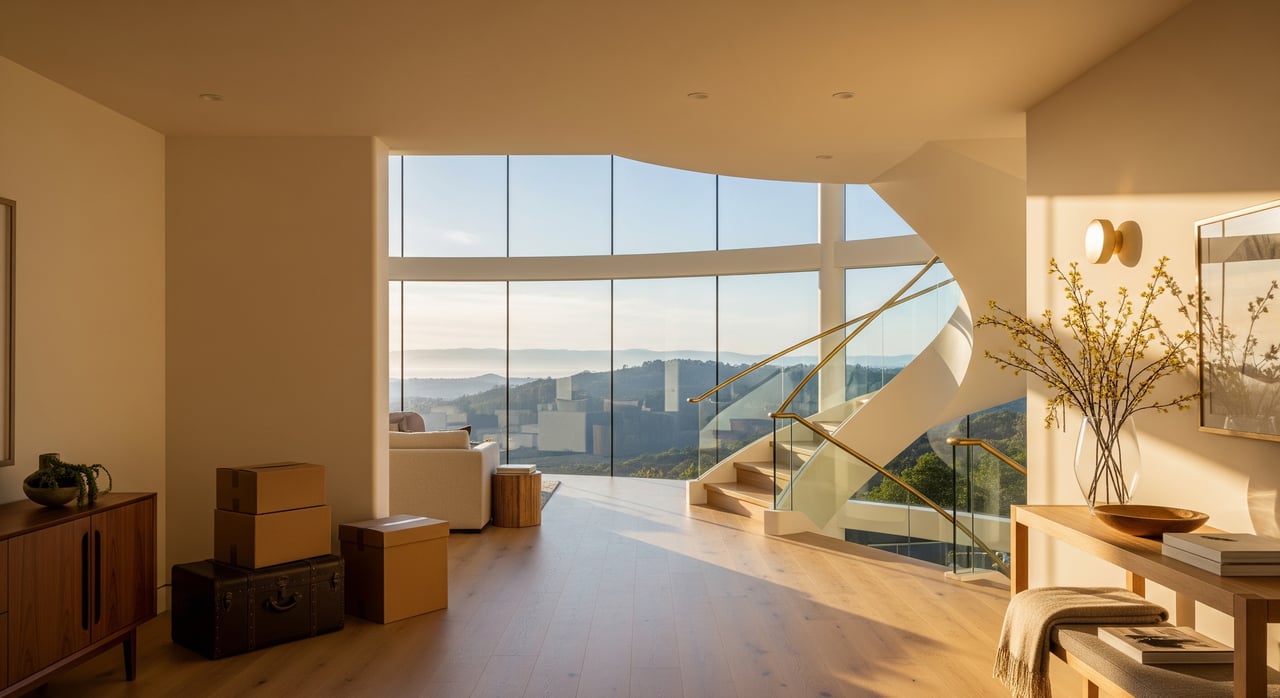
In Lafayette and Orinda, turnkey is best understood as move-in ready and low-friction, not as a formal legal category. The National Association of Realtors describes turnkey homes as homes that are easy to move into, often with polished presentation and minimal immediate work required. In second-home markets, that convenience can be a major draw, especially when you want to enjoy the property instead of managing projects right away.
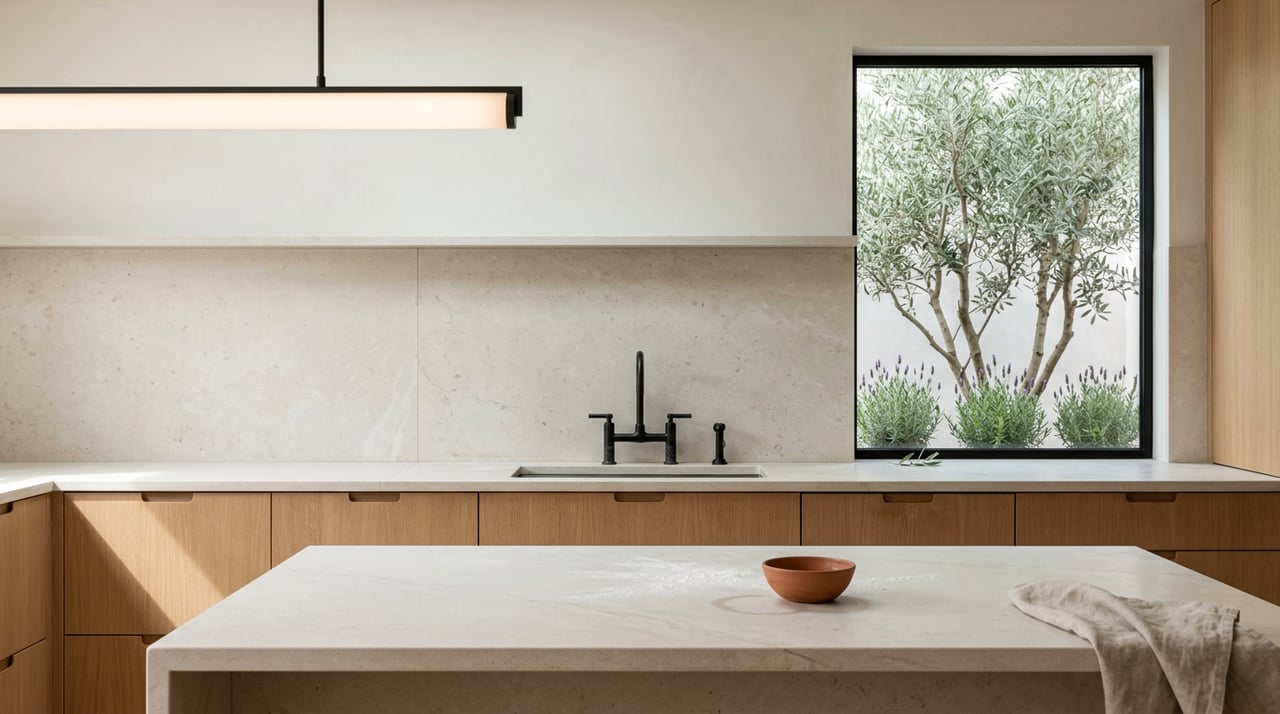
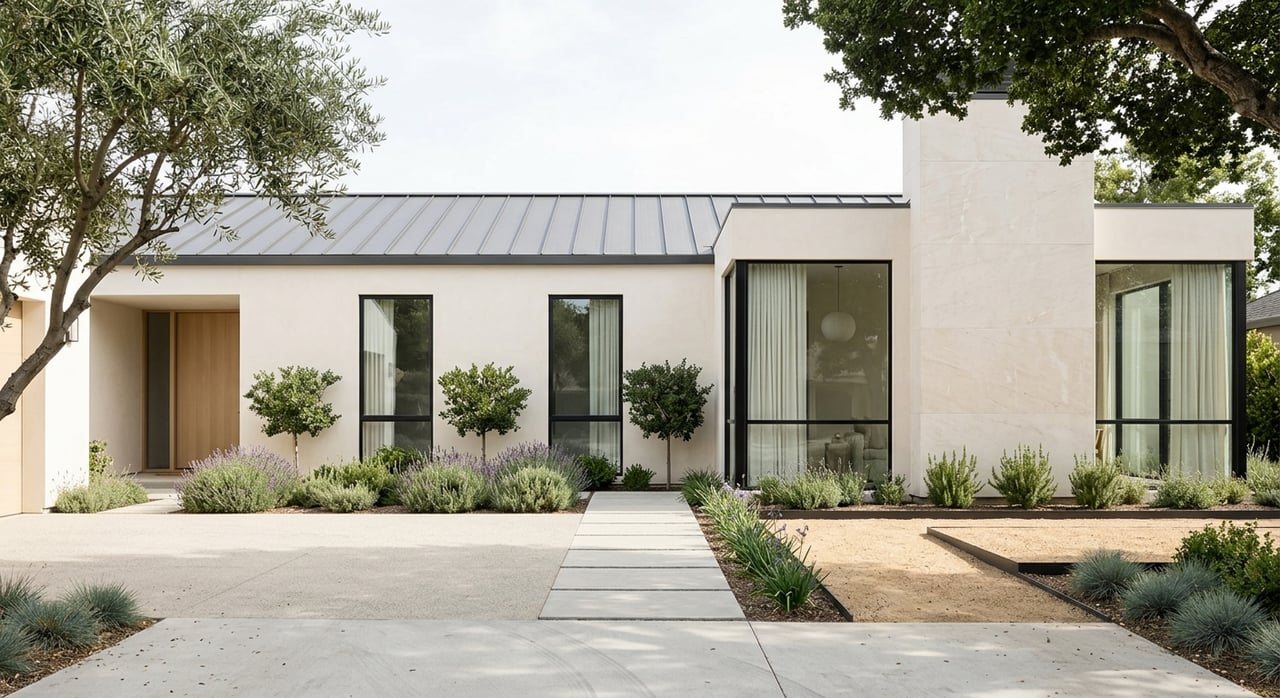
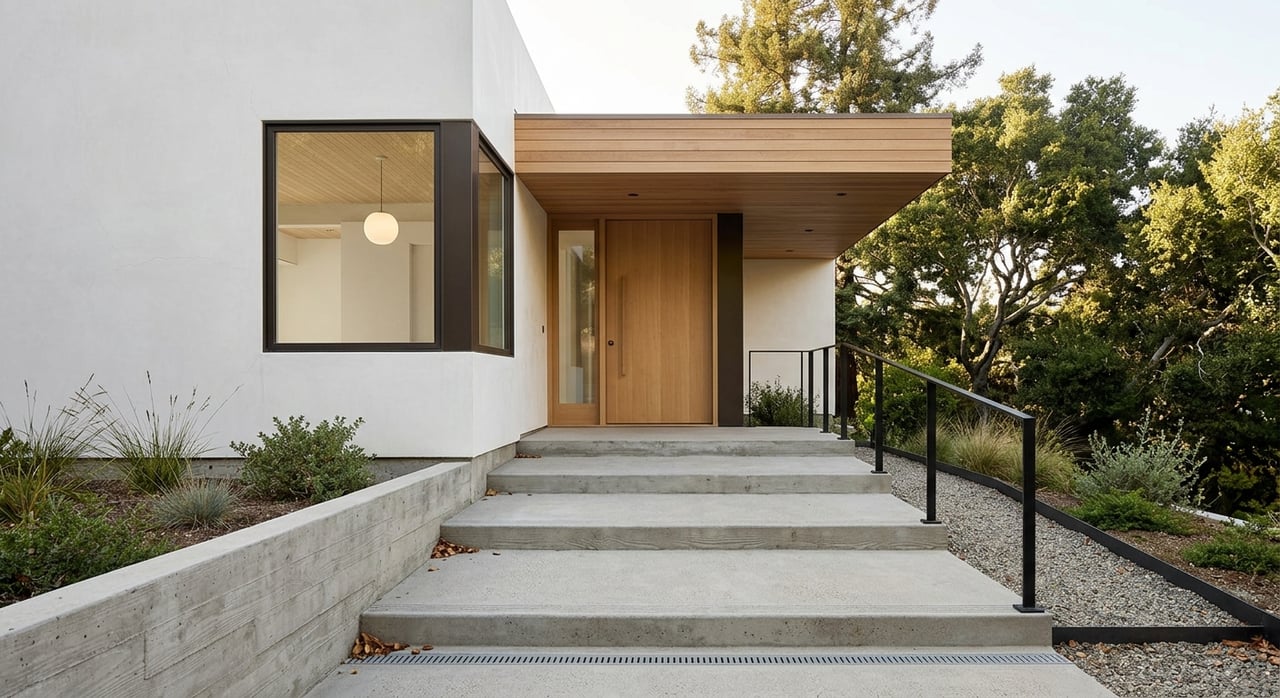
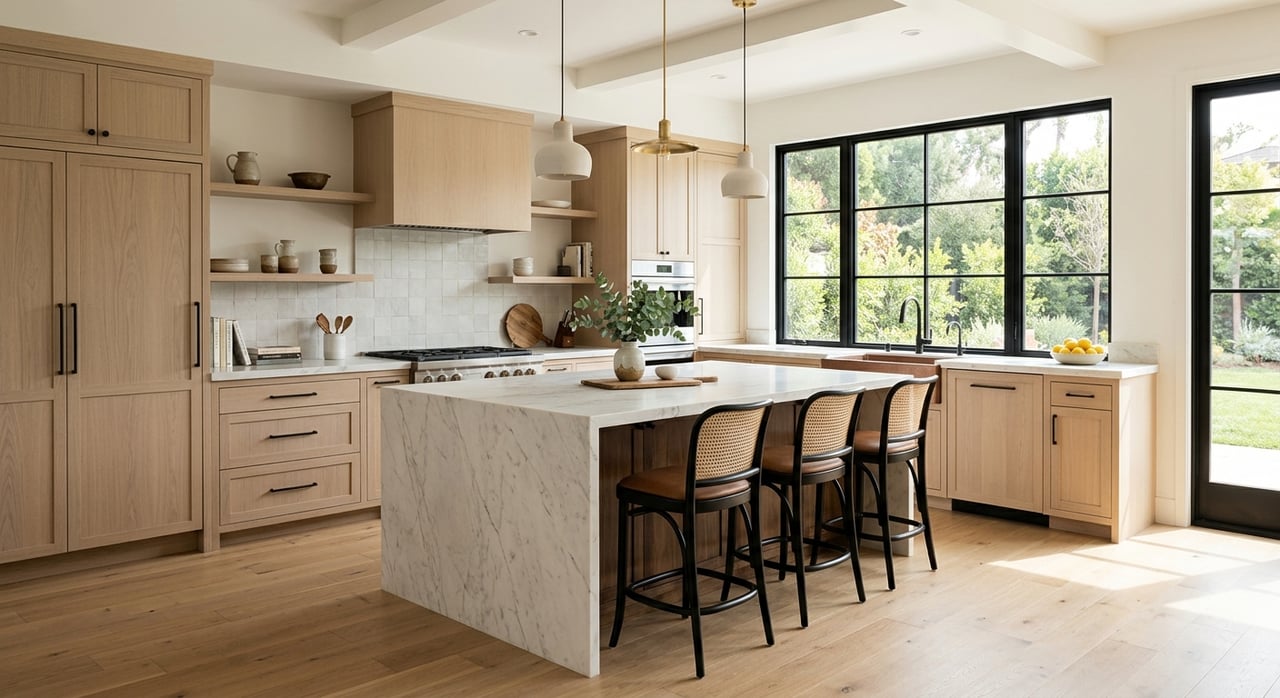
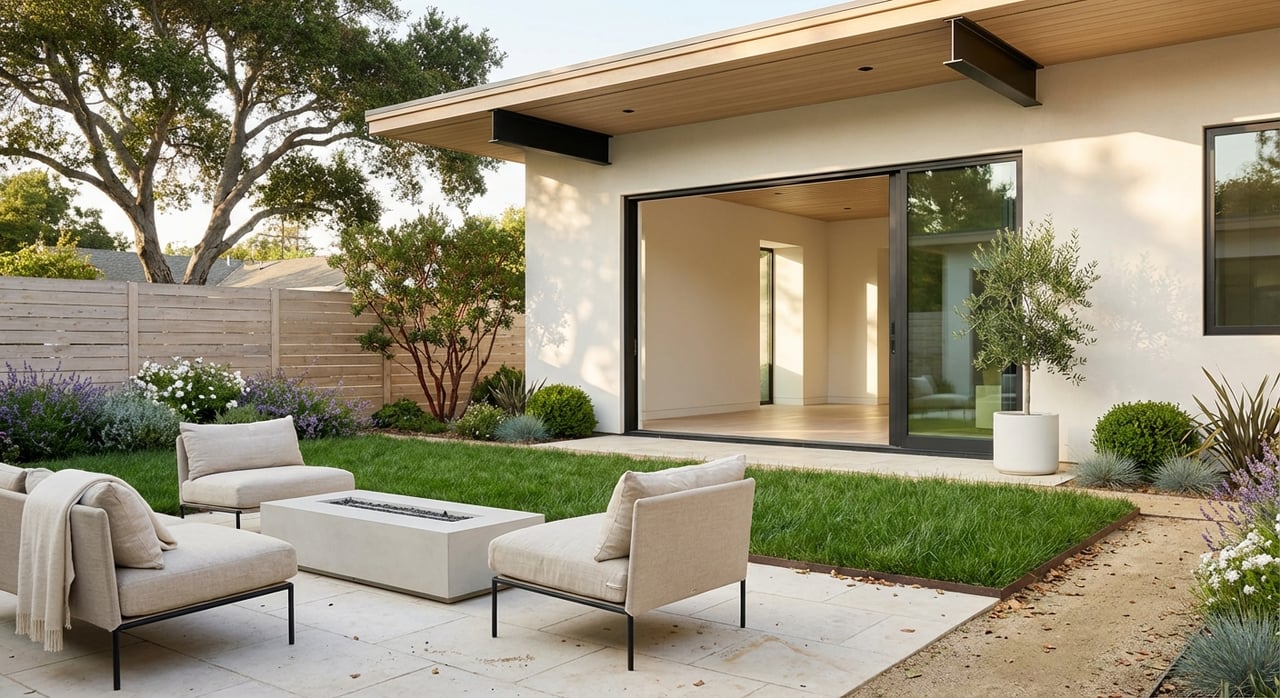
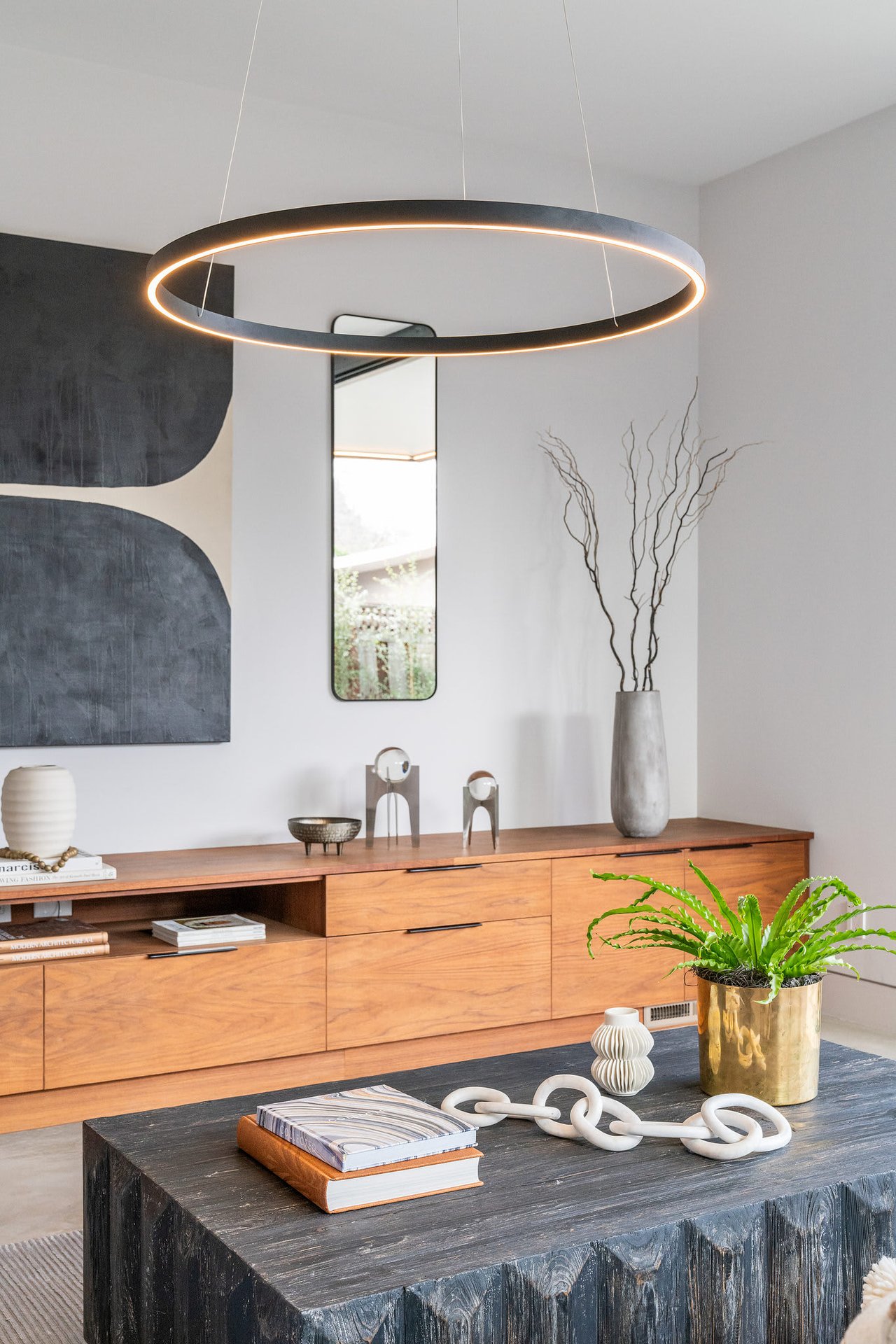
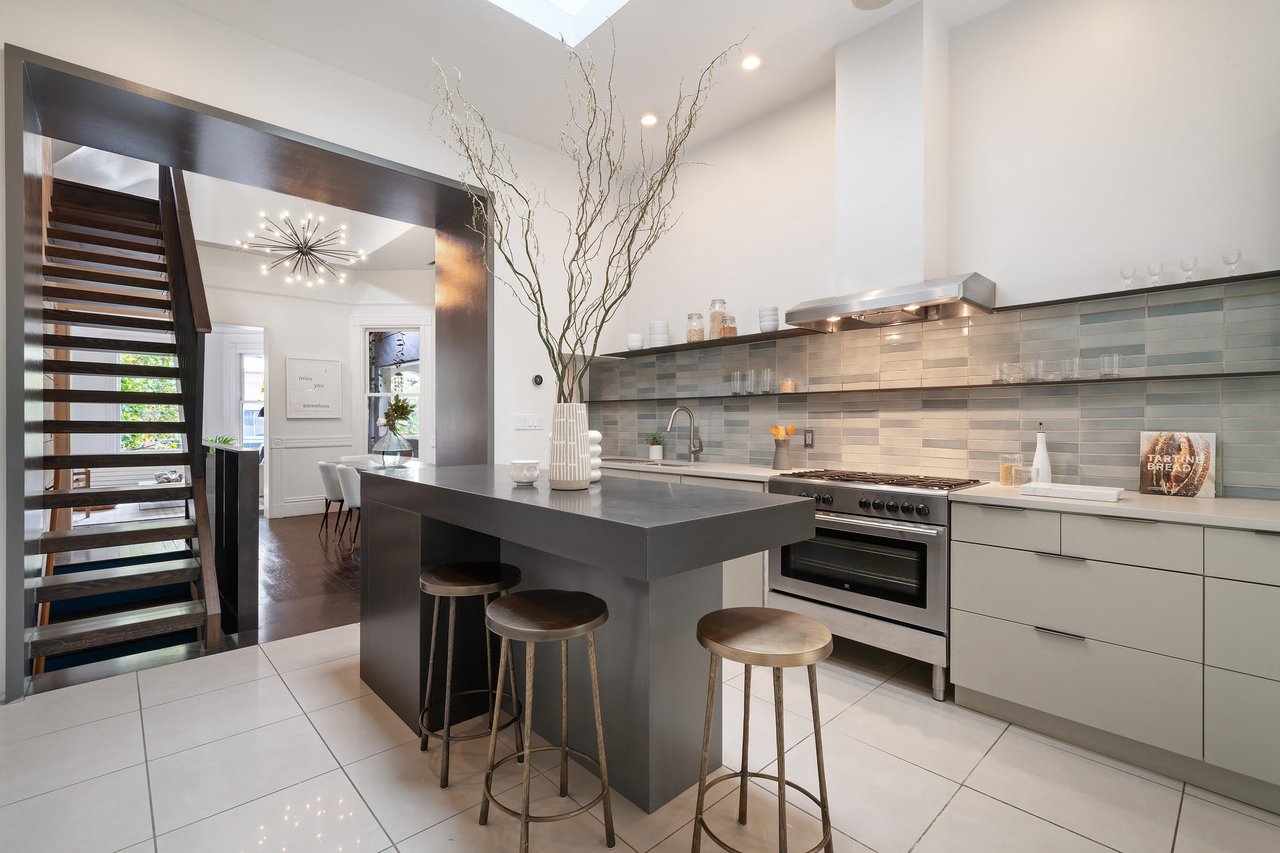
For you as a buyer, that usually means updated major systems, a cleaner inspection profile, and fewer near-term capital expenses. It can also mean simple exterior upkeep, practical landscaping, and a layout that works well without constant maintenance. In other words, the most appealing turnkey homes often combine design appeal with day-to-day ease.
Why Lafayette and Orinda appeal
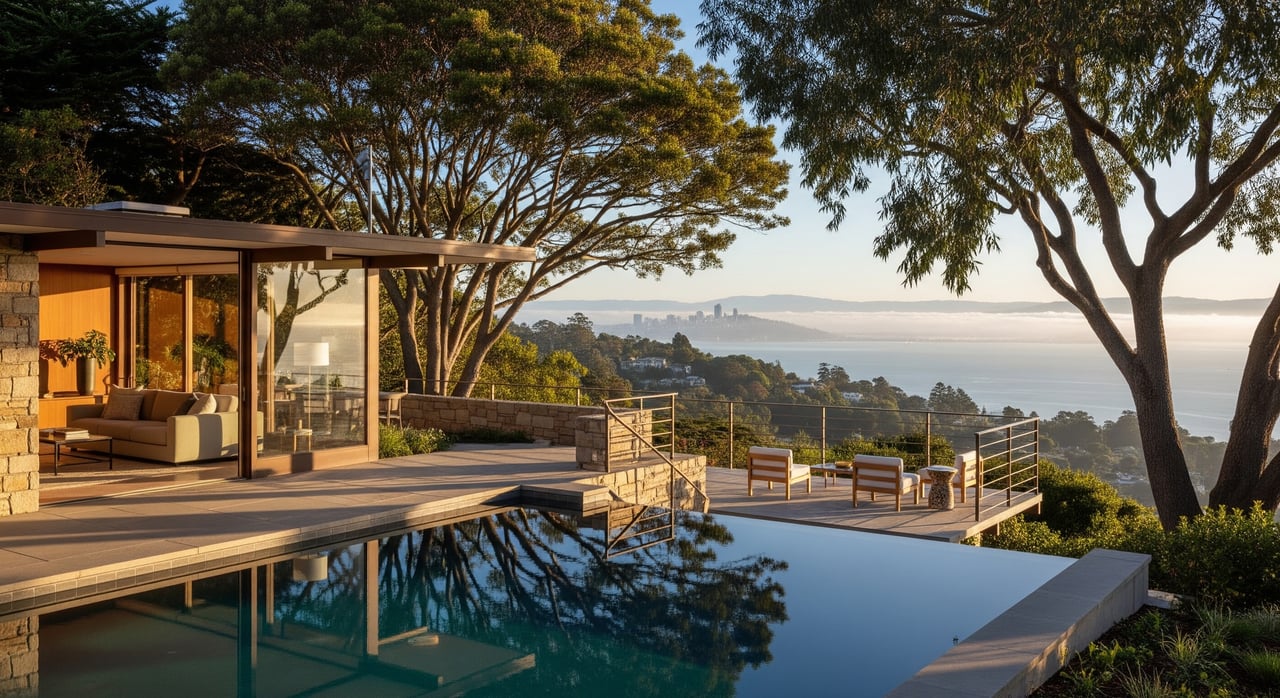
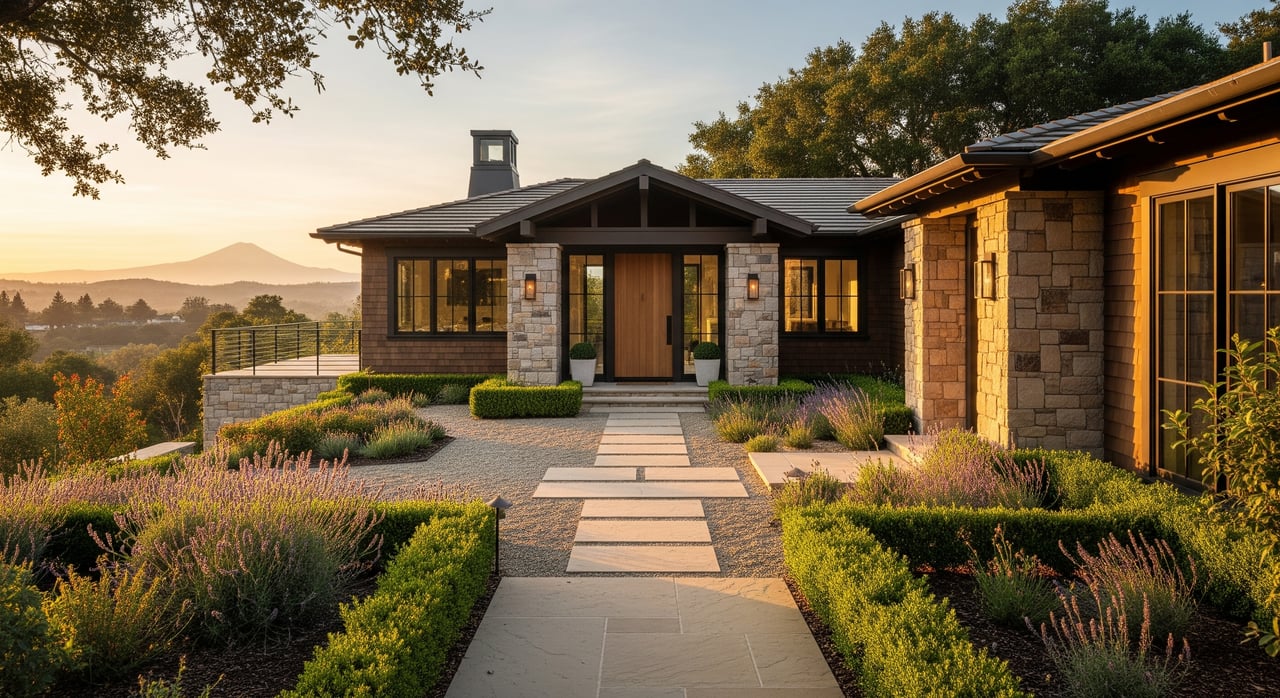
Lafayette and Orinda both attract buyers who want a refined East Bay home base with a more residential feel. They also remain competitive markets, which matters if you are looking for a polished second home that is ready to use soon after closing.
According to Redfin market data for Lafayette, Lafayette’s median sale price in February 2026 was $2.06M, with homes averaging 10 days on market and about 5 offers per home. The same source reports Orinda’s median sale price at $2.091M, with homes averaging 25 days on market and a 100.1% sale-to-list ratio. That tells you well-prepared homes can still move quickly, even at higher price points.
What to look for in a turnkey second home
A beautiful kitchen is great, but true turnkey value runs deeper. If you are buying a second home, you want a property that reduces surprises, limits deferred maintenance, and supports your long-term plans.
Focus on major systems first
Start with the systems and components that can affect cost and convenience the most. A home can look updated on the surface while still needing expensive work in the near future.
Pay close attention to:
- Roof age and condition
- Drainage and grading
- Siding and exterior materials
- HVAC, plumbing, and electrical updates
- Windows and insulation
- Signs of deferred maintenance
A turnkey second home should feel manageable, not like a hidden renovation timeline.
Look for low-upkeep design choices
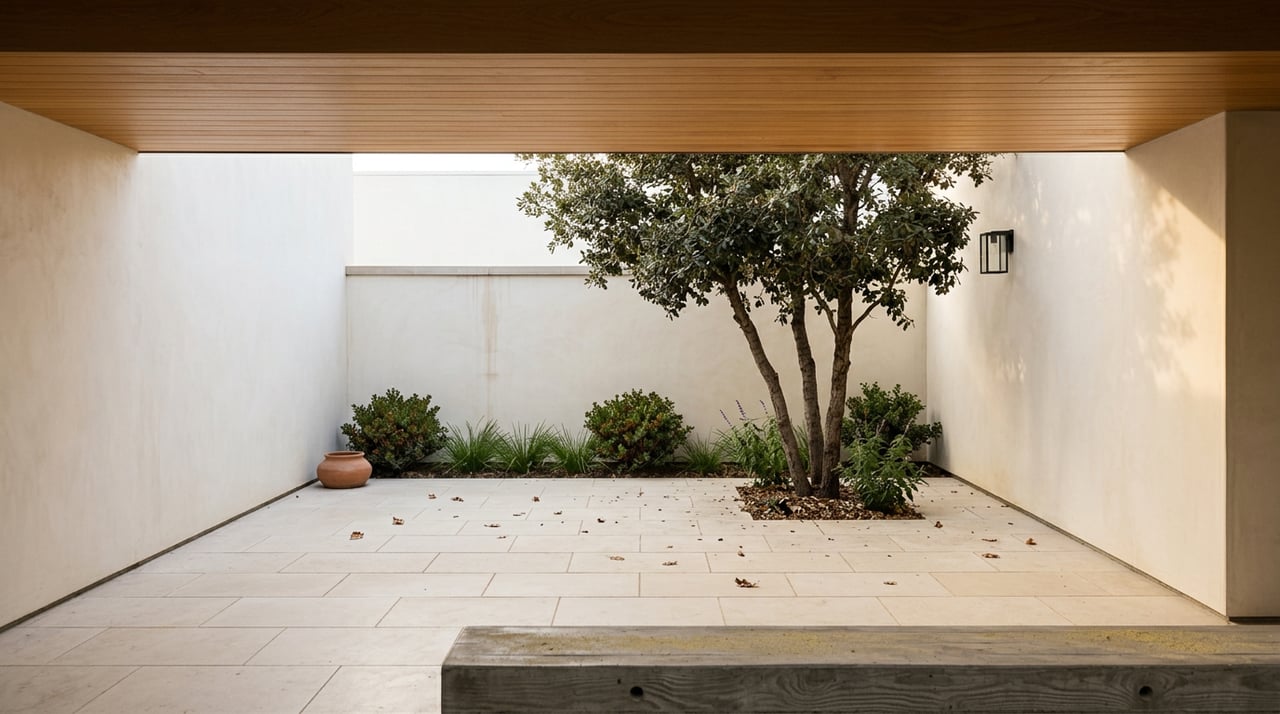
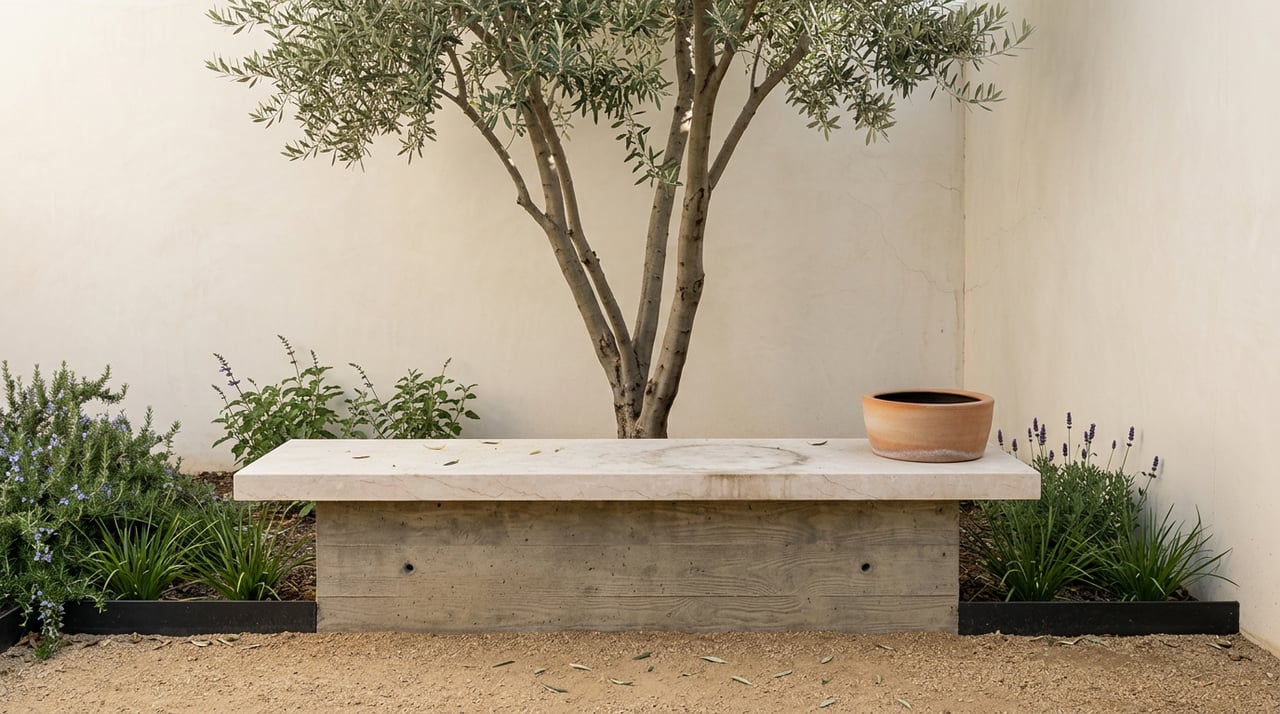
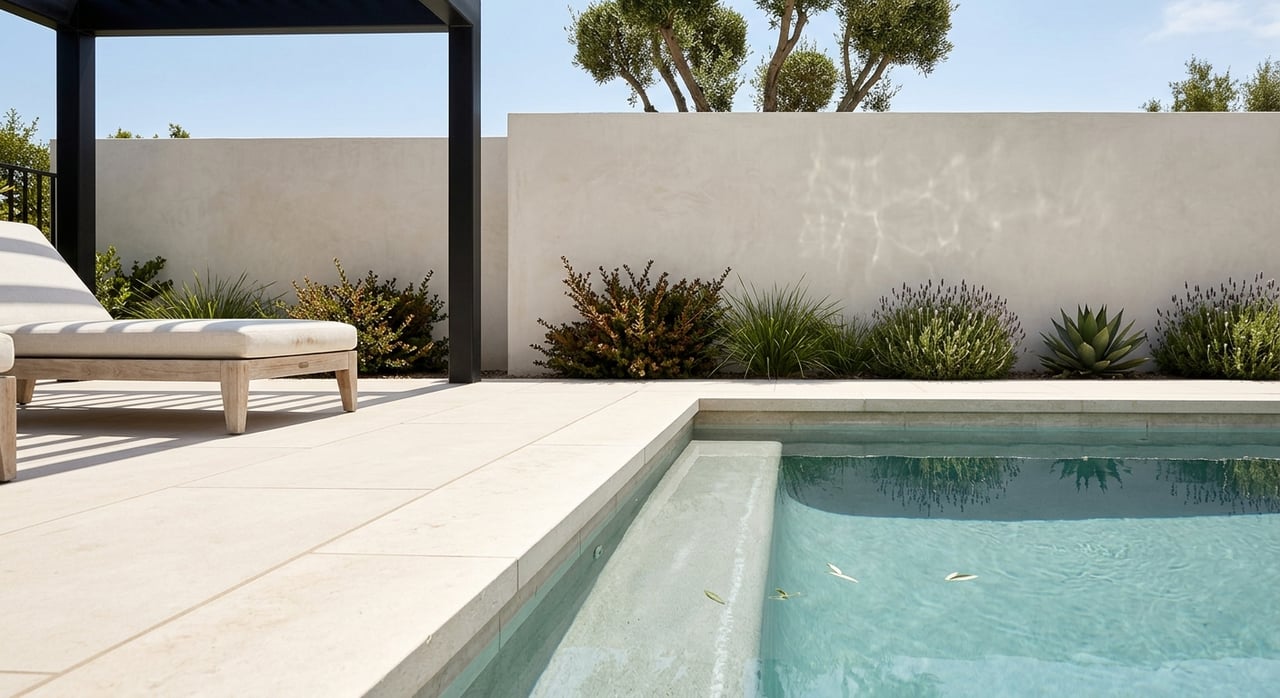
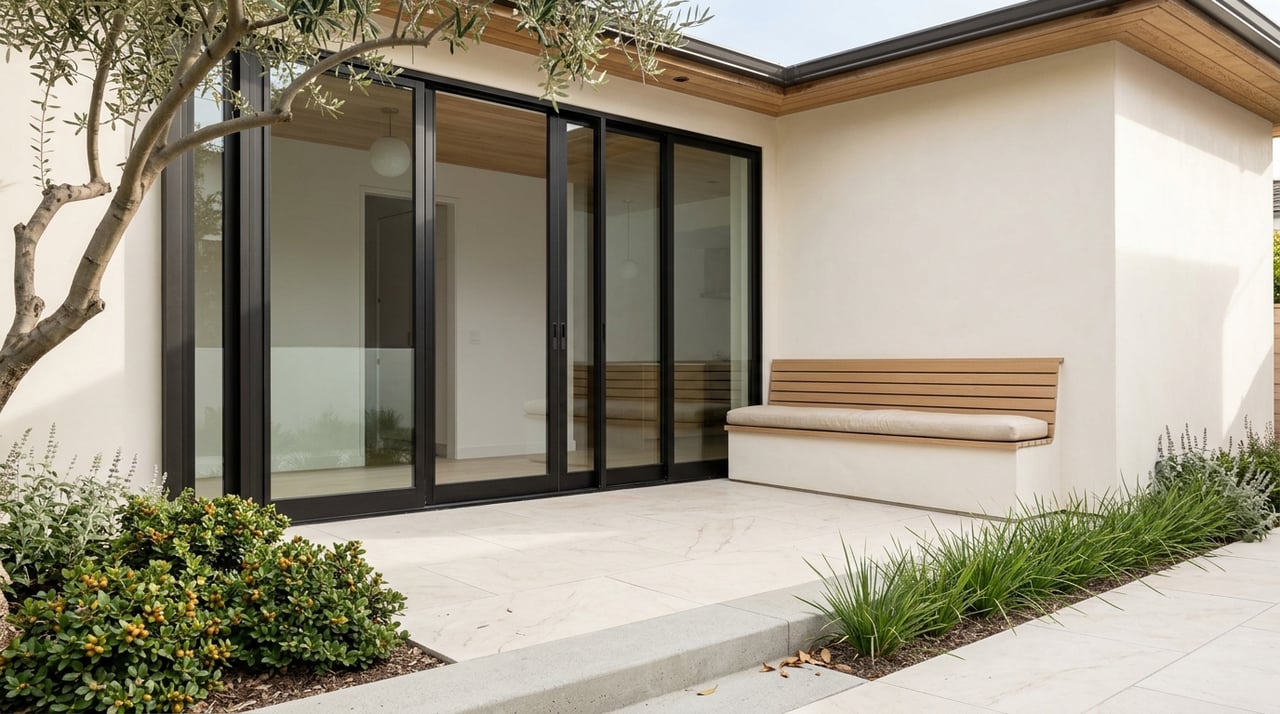
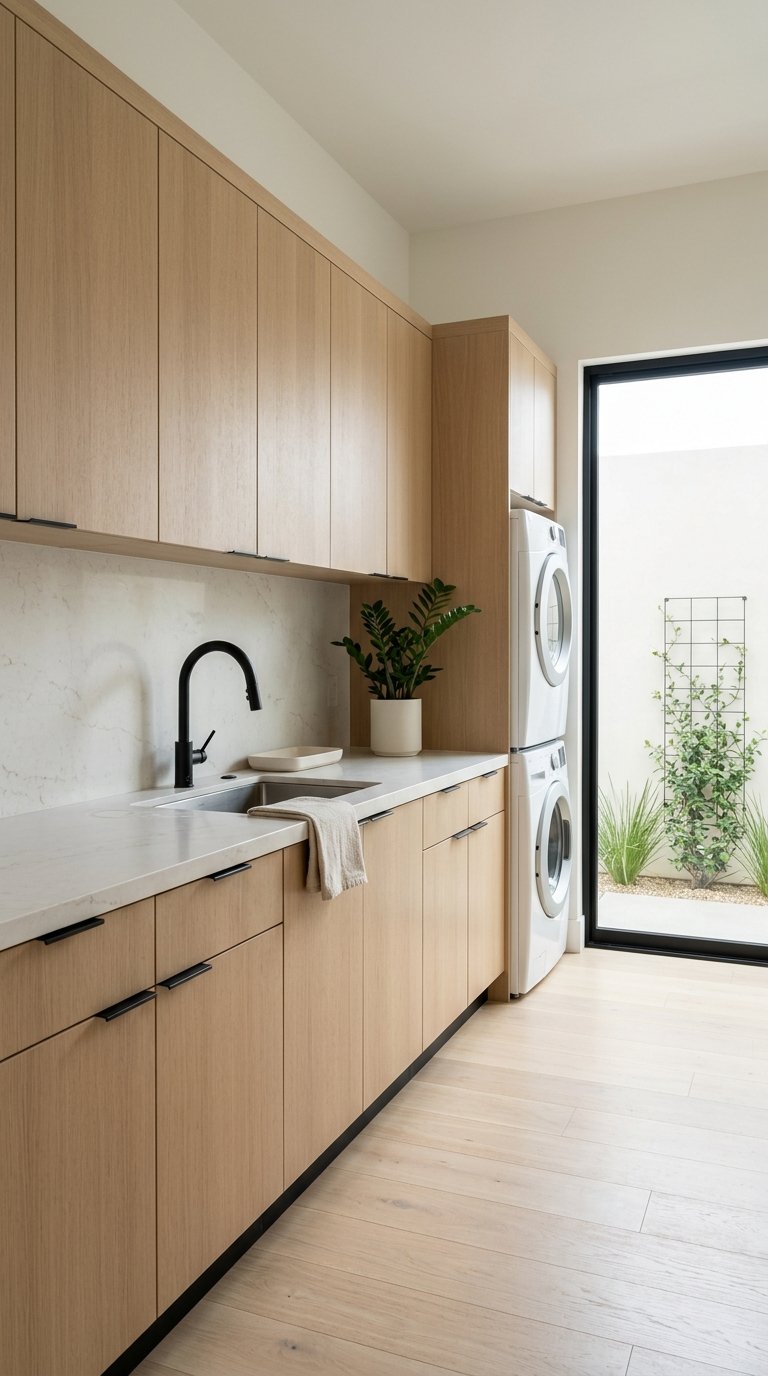
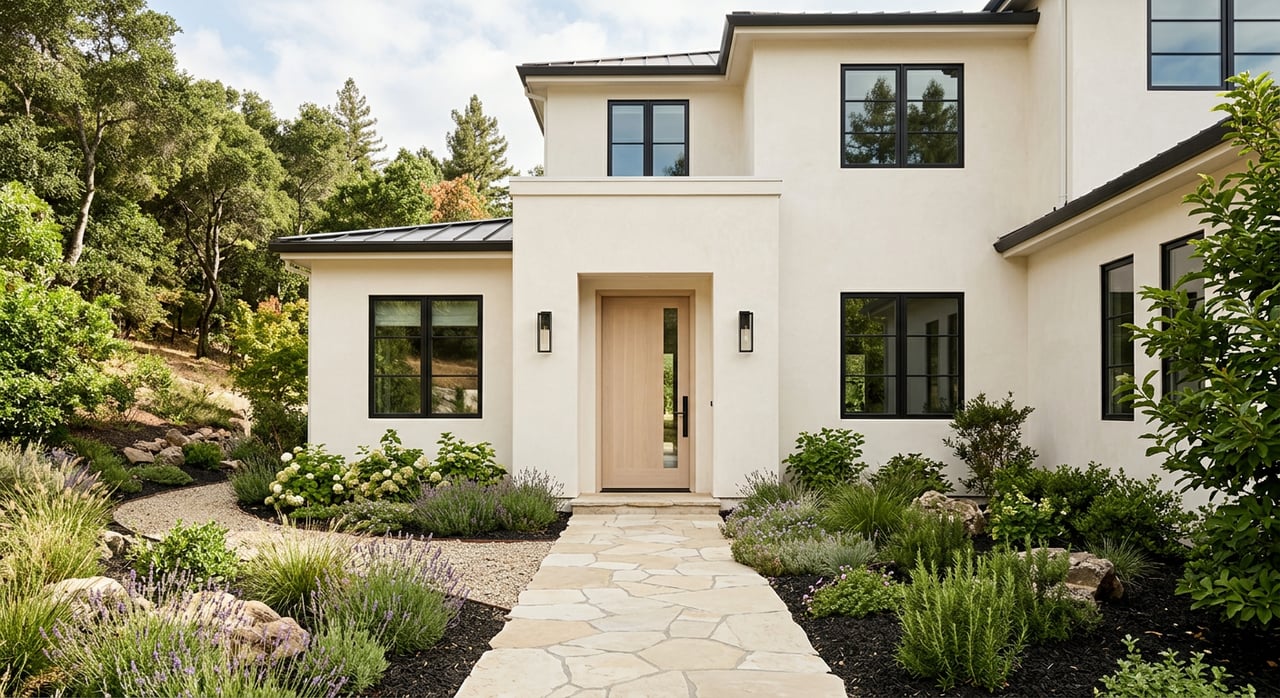
Some design decisions are not just attractive. They are practical. Durable materials, simplified landscaping, and well-planned indoor-outdoor spaces can make ownership easier when you are not at the property full time.
Research from the National Association of Realtors on home staging also supports the idea that polished, functional presentation matters to buyers. In Orinda’s Winter 2025 Redfin trend data cited in the research, features such as one-story layouts, contemporary style, driveway, spa, gas cooktop, and tile showed stronger sale-to-list performance. While no single feature guarantees value, the market appears to reward homes that feel finished, functional, and easy to live in.
HOA and condo due diligence matters
If your second home is in a condo, townhome, or planned development, turnkey living may depend as much on the HOA as the home itself. In California common-interest developments, HOA membership transfers with the property, and the rules, assessments, and maintenance obligations come with it.
The California Department of Real Estate’s Residential Subdivision Buyer’s Guide advises buyers to review budget and assessment information before purchase. That matters because a home can appear low-maintenance while the association may be facing major repair costs in the background.
Review reserves carefully
California reserve disclosures are a key part of this review. The annual HOA budget must summarize reserve information, including estimated replacement costs, remaining useful life of major components, reserve cash on hand, reserve deficiency per unit, and deferred repairs or anticipated special assessments.
The DRE’s reserve study guidelines also state that boards must visually inspect major components at least once every three years. For you, the practical questions are simple:
- Are reserves healthy?
- Are roofs, paving, siding, or drainage nearing replacement?
- Has the board delayed important work?
- Is there a realistic risk of a special assessment?
Those answers can significantly affect whether a home truly feels turnkey.
Understand the documents before you commit
If the property is in a newer subdivision, California’s public report process is designed to disclose CC&Rs, assessments, costs, and other material issues before you become obligated. That paperwork may not feel glamorous, but it can reveal whether your easy second-home plan is actually supported by the community structure.
Know the rental rules before you buy
Many second-home buyers want flexibility, even if rental income is not the main goal. If that is part of your thinking, you should confirm city rules, HOA restrictions, and the specific dwelling type before you assume the property can be rented the way you want.
Orinda short-term rental rules
Orinda has a detailed short-term rental framework. According to the city’s short-term rental rules, a short-term rental is a stay of fewer than 30 consecutive days, and registration is required.
The city also limits occupancy, allows only one short-term rental per property at a time, requires the host to own and personally occupy the primary residence during the rental, requires the host to be physically present, sets a minimum two-night stay, and requires transient occupancy tax payments. Registration is also non-transferable. For many second-home buyers, that means an Orinda property may be a wonderful personal retreat but not a straightforward nightly-rental opportunity.
Orinda also states that streamlined ADUs may not be used for short-term rentals, as explained on the city’s Accessory Dwelling Units page. If you are counting on an ADU for flexible guest or rental use, that detail matters.
Lafayette ADU rental rules
Lafayette’s current ADU materials state that ADUs and JADUs may be rented, but not for periods of less than 30 days. The city’s 2024 ordinance also says an ADU or JADU may not be conveyed separately from the primary residence or lot, and JADUs remain subject to the state owner-occupancy rule, according to Lafayette’s ADU ordinance materials.
So if your second-home strategy includes any income component, the key takeaway is simple: do not assume flexibility. Confirm the property type, local regulations, and any HOA rules early in the process.
Wildfire readiness is part of turnkey
In Lafayette and Orinda, wildfire preparedness is part of normal ownership planning. For a second-home buyer, that affects not only safety but also maintenance expectations, insurability, and long-term costs.
Lafayette encourages residents to sign up for the Contra Costa County Community Warning System and local preparedness resources, including Nixle alerts, emergency radio information, and Firewise efforts. Orinda also offers fire-preparedness support, including a fuels-reduction incentive program with a matching grant of up to $1,000 for qualifying vegetation removal and regular fire-fuels pickup, as noted in the research provided.
You can also check a property’s wildfire hazard by address using CAL FIRE’s Fire Hazard Severity Zone viewer, referenced in the research report. For a second home, this step can help you understand whether the property matches your comfort level for maintenance and preparedness.
Insurance can change the math
Insurance is another part of the turnkey equation in wildfire-prone areas. If you are buying in Lafayette or Orinda, it is smart to explore insurability early, not after you are already emotionally committed.
The California Department of Insurance explains that if you are turned down or non-renewed by a standard carrier, you may be able to apply for the FAIR Plan through an insurance agent. The department also notes that the FAIR Plan does not cover all perils included in a traditional homeowners policy, so a separate Difference in Conditions policy may be needed.
That does not mean a property is a bad purchase. It simply means your ownership costs and coverage structure may be more layered than expected.
Think about resale from day one
A second home is personal, but it is still an asset. The strongest turnkey purchases usually balance your immediate lifestyle goals with design and maintenance choices that also support future resale.
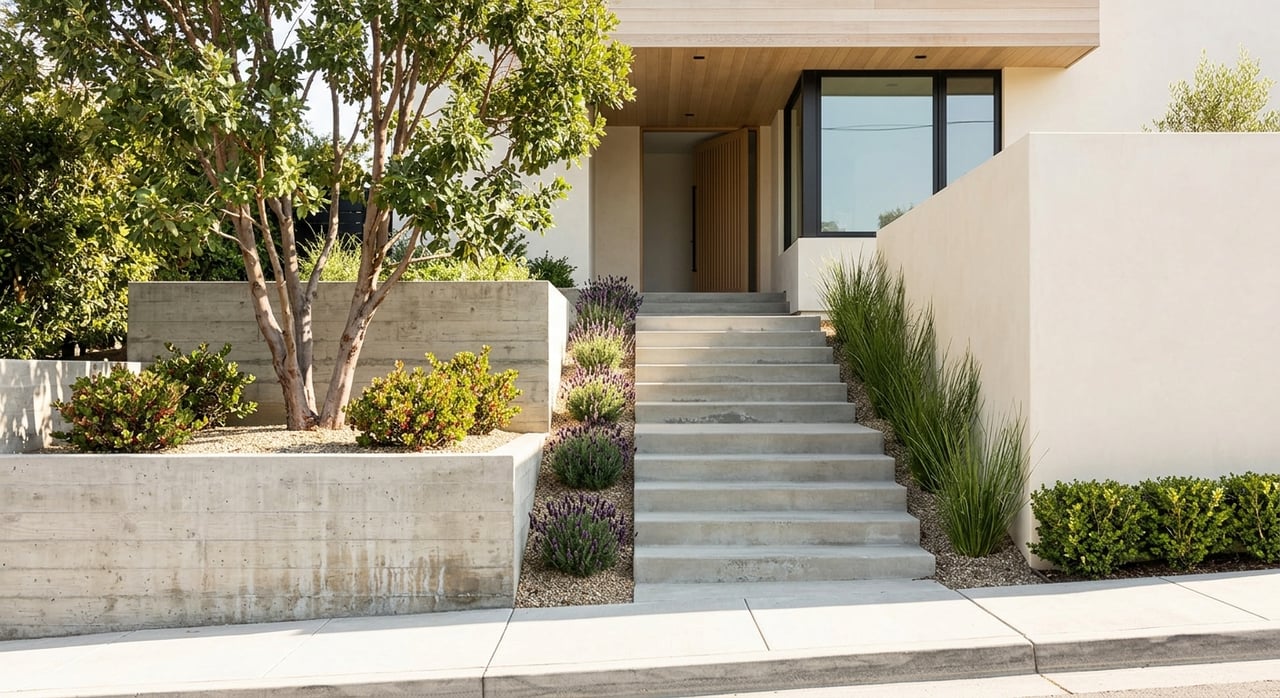
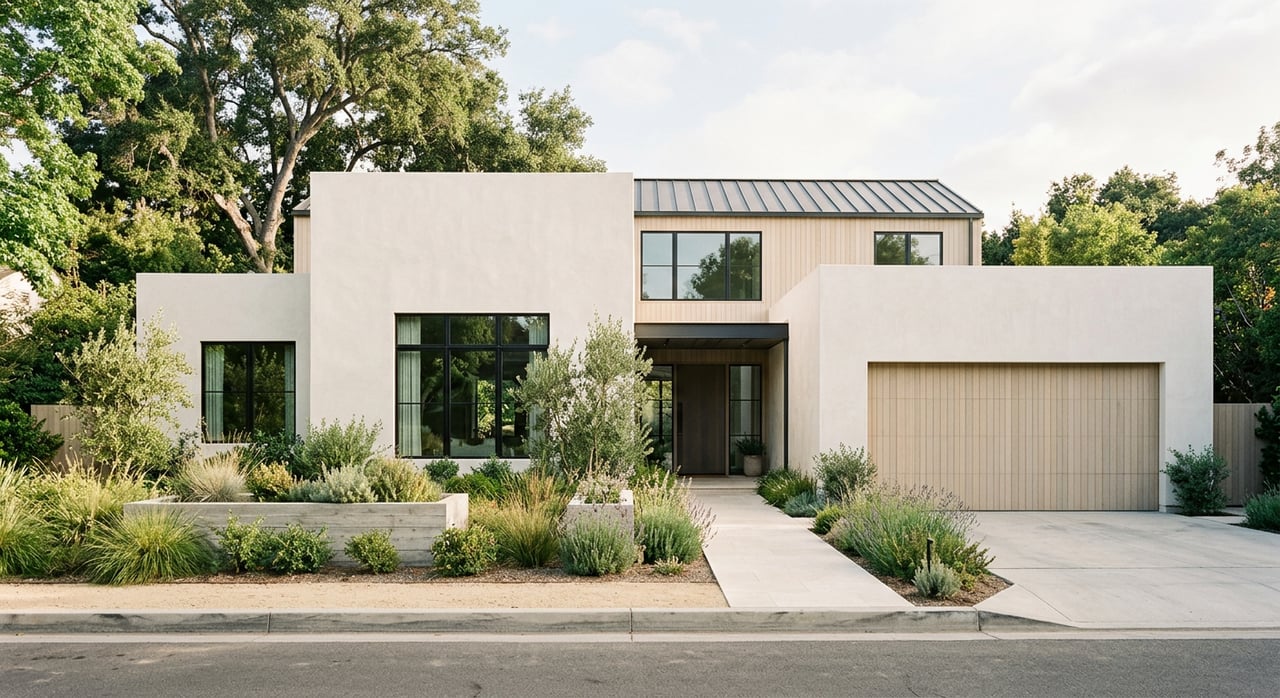
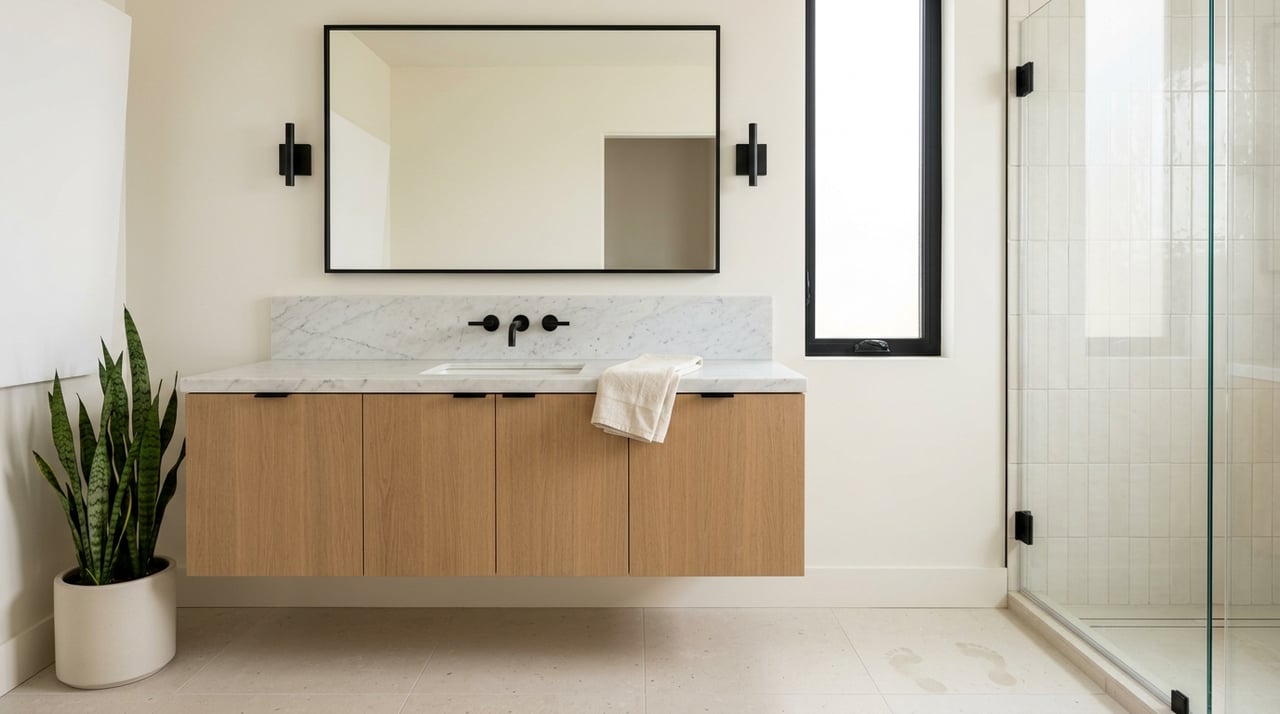
In these markets, buyers often respond well to homes that feel composed, current, and easy to manage. Updated kitchens and baths, durable exterior materials, simplified landscaping, and practical layouts can all help a home feel more usable now and more marketable later.
That is especially true if your second home may eventually become a primary residence. Design-forward choices tend to age best when they are paired with real function and lower upkeep.
A smart buying approach
If you are considering a turnkey second home in Lafayette or Orinda, a measured process can help you avoid expensive assumptions.
A strong approach often includes:
- Defining what turnkey means for your lifestyle
- Reviewing condition and likely near-term repair needs
- Checking HOA finances and reserve disclosures if applicable
- Confirming rental and ADU rules before writing an offer
- Evaluating wildfire hazard and ongoing vegetation needs
- Exploring insurance options early
- Considering how the home may perform at resale
That kind of diligence can make the difference between a home that simply looks polished and one that truly supports a low-friction ownership experience.
The right second home should feel like an upgrade to your life, not a new list of unknowns. If you want a design-savvy, practical lens on buying in Lafayette or Orinda, Hope Broderick can help you evaluate condition, presentation, and long-term fit with the kind of thoughtful guidance that makes a complex purchase feel clear.
FAQs
What does turnkey mean for a second home in Lafayette or Orinda?
- It generally means move-in ready and low-friction, with updated systems, limited near-term repairs, and easier day-to-day upkeep rather than a formal legal classification.
What should you review in an HOA before buying a turnkey home in Lafayette or Orinda?
- You should review the HOA budget, reserve disclosures, deferred maintenance, major component life spans, and any risk of special assessments.
Can you use an Orinda second home as a short-term rental?
- Orinda has strict short-term rental rules, including host-occupancy and primary-residence requirements, so many second homes will not function as simple nightly rentals.
Can an ADU in Lafayette be rented with a second home?
- In Lafayette, ADUs and JADUs may be rented, but not for terms shorter than 30 days, and additional ownership and occupancy rules may apply.
Why does wildfire readiness matter when buying in Lafayette or Orinda?
- Wildfire readiness can affect maintenance, safety planning, insurance options, and the overall cost and ease of owning a second home in these areas.