Trying to choose between Lafayette and Walnut Creek? You’re not alone. Both sit in Contra Costa County on the sunny side of the Oakland–Berkeley hills, and both offer strong transit access, outdoor beauty, and a relaxed East Bay pace. Still, the day-to-day feel is different. This guide breaks down commute options, downtown vibe, outdoor access, typical lot sizes, and housing types so you can see which city matches your lifestyle. Let’s dive in.
Quick snapshot: Lafayette vs. Walnut Creek
Lafayette feels like a small, tree-lined village with a calm downtown and many single-family homes on larger lots. The terrain is hillier, and the overall pace is quieter. Population is roughly 25,000.
Walnut Creek is larger and more urban-suburban with a busy, walkable core anchored by Broadway Plaza, dining, and entertainment. You’ll find more condos and townhomes mixed with single-family neighborhoods. Population is roughly 70,000.
- If you want yard space and a quieter residential feel, Lafayette often fits well.
- If you want walkability, nightlife, and product variety (including condos), Walnut Creek stands out.
Commute and transit options
BART access
Both cities have BART stations with direct service to Oakland and San Francisco. Walnut Creek’s station functions as a larger regional hub with more bus connections and bigger park-and-ride facilities. Lafayette’s station is smaller but close to the village core, which makes walking to shops or dinner easy before or after a commute.
Train frequency, parking availability, and schedules change by time and season. Plan door-to-door times at your typical commute hours rather than relying on averages.
Driving routes
State Route 24 connects both cities west to Oakland through the Caldecott Tunnel. Walnut Creek has quicker access to Interstate 680 for north–south commutes to San Ramon, Dublin, and further toward Silicon Valley via I‑680 south. Traffic in the Bay Area is peak-sensitive, so travel times can vary widely. Test your route during the hours you plan to commute.
Buses, shuttles, and bikes
County Connection buses serve both cities, with Walnut Creek offering more lines tied to its hub status. You’ll find more bike lanes and shared-use corridors near Walnut Creek’s downtown. Lafayette has local bike and pedestrian routes as well, but the residential terrain tends to be hillier overall. If biking or a last-mile shuttle matters, check local schedules and maps before deciding.
Downtown vibe and daily life
Walnut Creek scene
Downtown Walnut Creek brings a lively, walkable center with Broadway Plaza, restaurants, cafes, and evening activity. You’ll find movie theaters, performance venues, and frequent new dining options. If you prefer to park once and spend a Saturday walking between coffee, shopping, and dinner, Walnut Creek delivers that compact experience.
Lafayette village feel
Lafayette’s Mt. Diablo Boulevard reads like a classic main street with boutique shops, cafes, and a weekend farmers’ market feel. The scale is low-rise and relaxed. Community events are common, and public spaces are set up for lingering. If you want a quieter morning at your local café or easy errands without the bustle, this downtown fits.
Parks, trails, and outdoor access
Lafayette outdoors
Lafayette’s landscape leans toward oak-dotted hills with winding residential streets and valley views in places. Favorite local spots include the Lafayette Reservoir for walking, running, and fishing, as well as the Lafayette–Moraga Regional Trail. Briones Regional Park is a short drive for bigger open-space adventures.
Walnut Creek outdoors
Walnut Creek fans enjoy quick access to Shell Ridge and Lime Ridge Open Space, plus the vast trail network on and around Mount Diablo State Park to the east. The Iron Horse Regional Trail runs through the city, offering a long, paved route for walking and biking. Areas east of downtown move into rolling hills, while neighborhoods near the core are flatter and more walkable.
Lot sizes and terrain
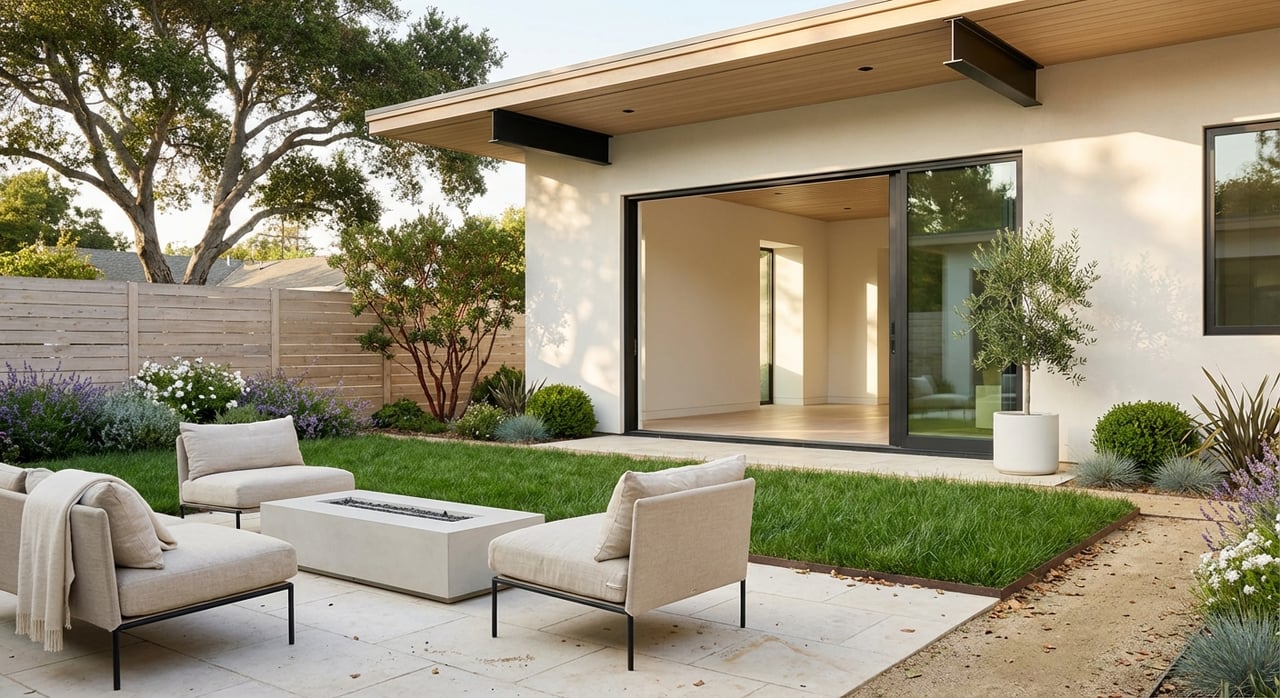
- Lafayette: Larger lots are common, with many detached single-family homes and mature trees. Some hillside parcels capture views.
- Walnut Creek: A broader mix of condos, townhomes, and smaller-lot single-family homes near downtown, with larger lots available as you move east toward the hills.
Housing types and who they fit
Entry-level, low-maintenance living
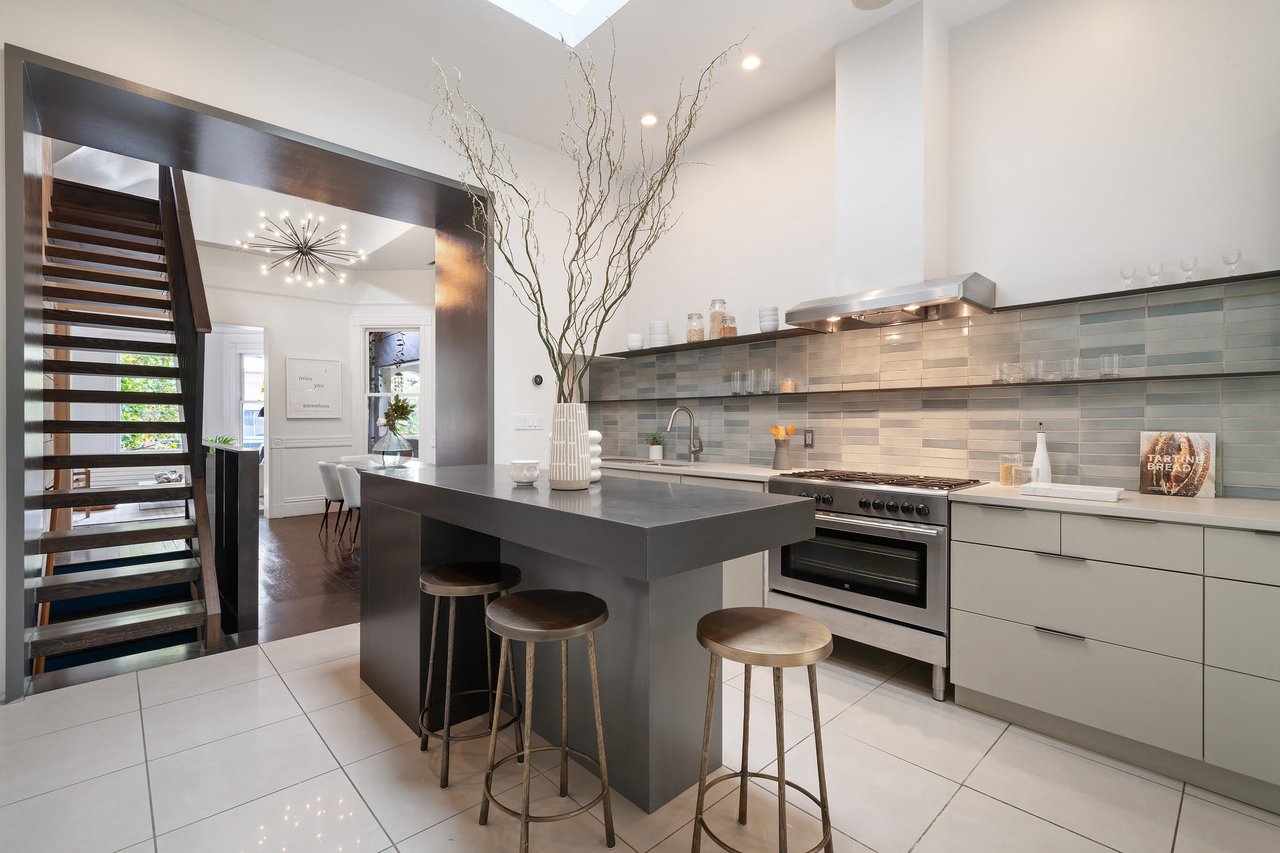
If you want a condo or townhome as a lower-maintenance entry to the area, Walnut Creek offers more options and more frequent new listings. HOAs typically cover exterior maintenance, common-area landscaping, and amenities, which can simplify ownership. Review HOA rules, reserves, and fees during due diligence.
Starter single-family homes
Walnut Creek tends to have more turnover and smaller-lot starter houses across several neighborhoods, which can create more choice for first-time single-family buyers. Lafayette typically has lower inventory and fewer small-lot options, so the search can be more selective.
Upscale and view homes
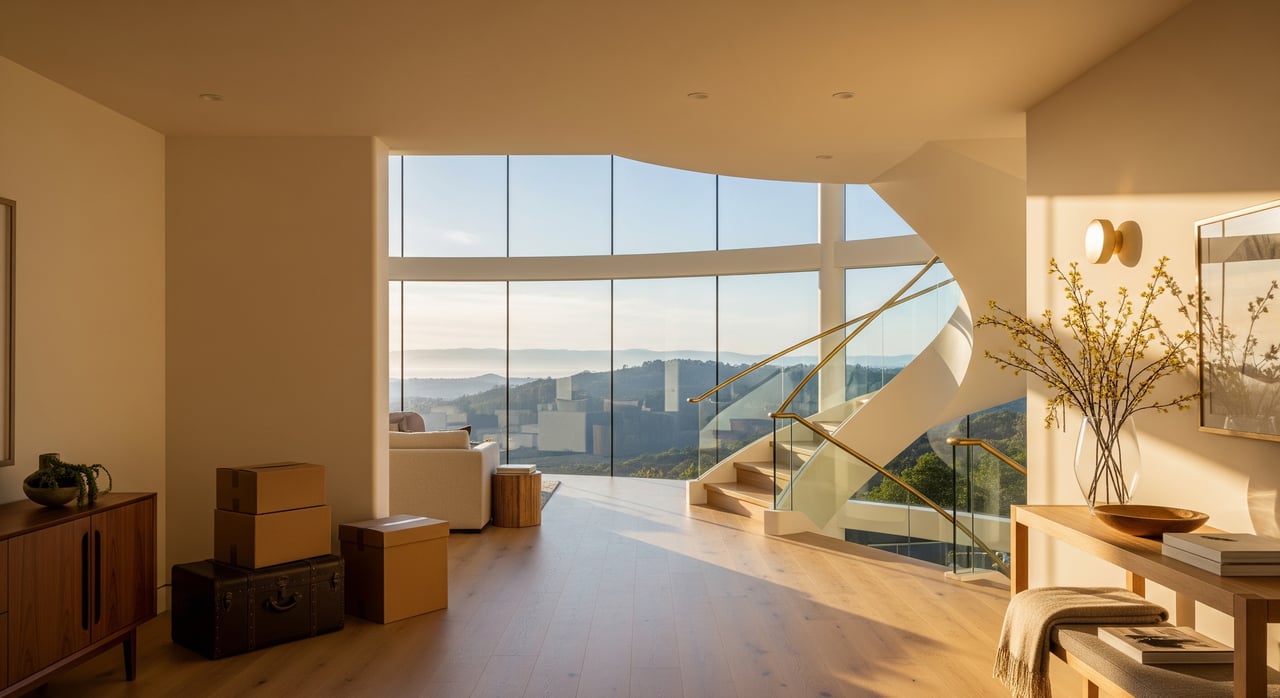
Lafayette is known for larger lots and custom or semi-custom homes tucked into hillsides, along with ranch, Craftsman, and mid-century styles. Walnut Creek also offers high-end pockets, including hillside homes near open space and newer luxury buildings close to downtown. In both cities, pricing varies by micro-neighborhood, lot characteristics, and condition. The Bay Area market shifts quickly, so consult current MLS data and an experienced local advisor for live ranges.
Schools and education context
Lafayette is frequently cited locally for strong elementary and secondary options, with high school students served by the Acalanes Union High School District. Walnut Creek is served by multiple districts, including areas within Mt. Diablo Unified and portions that overlap with Acalanes. Because boundaries and performance can change, verify district maps, enrollment policies, and school dashboards before you buy. Use neutral, data-based sources and confirm any open enrollment or transfer rules directly with the districts.
Who thrives where? Real-life fits
- You prioritize walkability, dining variety, and transit access within a compact downtown: Walnut Creek, especially near BART and Broadway Plaza.
- You want more yard, a quieter street feel, and a classic suburban rhythm: Lafayette, particularly in established single-family neighborhoods.
- You’re a young professional focused on commute convenience and a vibrant evening scene: Walnut Creek condo or townhome near downtown.
- You’re planning for a yard, outdoor play space, or room to garden: Lafayette single-family home with a larger lot.
- You’re an empty nester who wants low maintenance and easy access to amenities: Walnut Creek condo near the core.
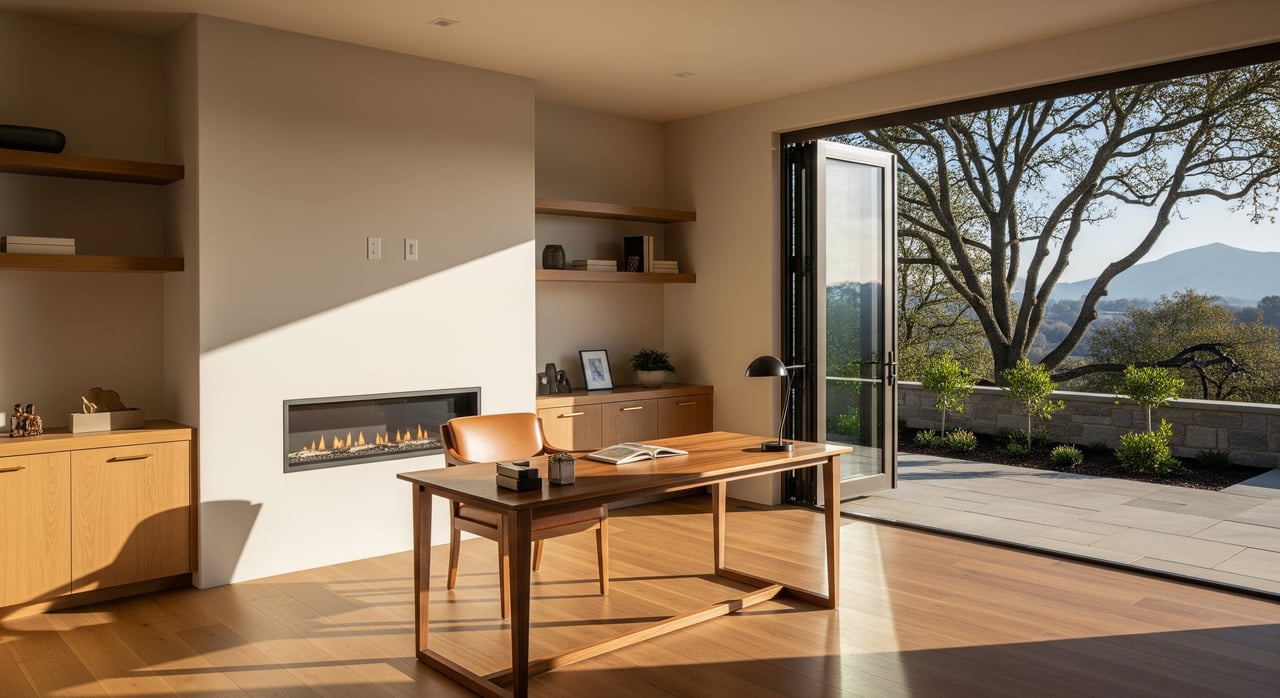
- You’re seeking hillside views or privacy: East Lafayette or Walnut Creek’s eastern hills toward Mount Diablo.
Commute comparisons at a glance
- San Francisco or Oakland offices: Both cities work well via BART. Lafayette’s station is walkable to its village, while Walnut Creek’s is a larger hub with more parking and bus connections.
- Tri‑Valley or I‑680 corridor roles: Walnut Creek’s direct tie to I‑680 often simplifies the drive south.
- Variable travel times: Bay Area traffic is time-sensitive. Test door-to-door trips at your actual commute hours for an accurate picture.
Practical checklist before you decide
Use this list to stress-test your top neighborhoods in each city:
- Commute: Check door-to-door times during your typical morning and evening windows, both by car and by BART.
- BART details: Confirm station parking, permits, bike parking, and train schedules.
- School boundaries: Verify district maps, enrollment policies, and recent performance dashboards for your target address.
- Property taxes and assessments: Review county assessor data and your title report for any Mello‑Roos or community facility district fees.
- HOA rules and reserves: For condos and townhomes, confirm monthly dues, what’s covered, and reserve fund health.
- Risk and insurance: Review local fire and flood maps, vegetation management, and insurance availability.
- Lot and hillside considerations: Check for easements, slope stability, tree protections, and feasibility for future remodeling or ADUs under local zoning.
- Future development: Scan city planning documents for upcoming projects that might affect traffic, density, or downtown character.
- Neighborhood data: Review multi-year police department crime trends and any available open data portals for context.
How we help you decide, then win the home
Choosing between Lafayette and Walnut Creek is about your daily rhythm: commute, coffee, trails, and how you like to spend weekends. Our team pairs neighborhood expertise with a design-forward eye, so you can evaluate both a home’s location fit and its potential. We help you compare micro-neighborhoods, decode HOA rules, and understand lot and hillside nuances. Then we craft winning strategies in competitive moments, from targeted pre-approval to timing, contingencies, and post-inspection value plays.
Ready to find the right East Bay fit and feel confident in your decision? Connect with Hope Broderick for tailored guidance and on-the-ground market insight.
FAQs
Which city is better for families with school-age children?
- Both have well-regarded options. Lafayette is frequently noted for strong public schools, while Walnut Creek spans multiple districts. Verify current boundaries, enrollment policies, and performance dashboards for your target address.
How do commutes compare to San Francisco and Oakland?
- Both cities offer BART access to SF and Oakland. Lafayette’s station is walkable to the village; Walnut Creek’s is a larger hub with more parking and bus connections. Plan door-to-door times at your commute hours.
Which is best for a Silicon Valley or Tri‑Valley commute?
- Walnut Creek has more direct access to I‑680 for north–south travel to the Tri‑Valley and connections toward Silicon Valley. Test the route during peak hours to confirm fit.
Where will I typically find more yard space?
- Lafayette generally offers larger lots and more detached single-family homes. Walnut Creek has a broader mix, including condos and townhomes, with larger lots as you move east toward the hills.
Which downtown is better for dining and nightlife?
- Walnut Creek has a denser, more walkable core with a wider range of restaurants and entertainment. Lafayette offers a calmer main street with boutiques, cafes, and community events.
Are there good bike and trail options in both cities?
- Yes. Lafayette features the Lafayette Reservoir and the Lafayette–Moraga Regional Trail. Walnut Creek connects to Shell Ridge, Lime Ridge, Mount Diablo State Park, and the Iron Horse Regional Trail. Confirm current trail conditions before you go.