Wondering why Piedmont feels so different from the cities around it, and why buyers are willing to pay a premium to live there? If you are exploring the East Bay and want a place that blends residential calm, architectural character, and close access to urban amenities, Piedmont often rises to the top of the list. Understanding its appeal can help you decide whether this small, distinctive market fits your lifestyle and your long-term goals. Let’s dive in.
What makes Piedmont unique?
Piedmont is a small charter city of about 11,000 residents, covering just 1.7 square miles in the Oakland Hills. The city describes itself as primarily residential, with parks, gardens, schools, and civic participation shaping daily life.
That small scale is a big part of the story. Piedmont does not have a traditional retail downtown, and its border with Oakland is often seamless. In practice, that means you get a quiet residential setting while staying closely connected to nearby Oakland business districts for shopping, dining, and everyday conveniences.
Why people call it small-town luxury
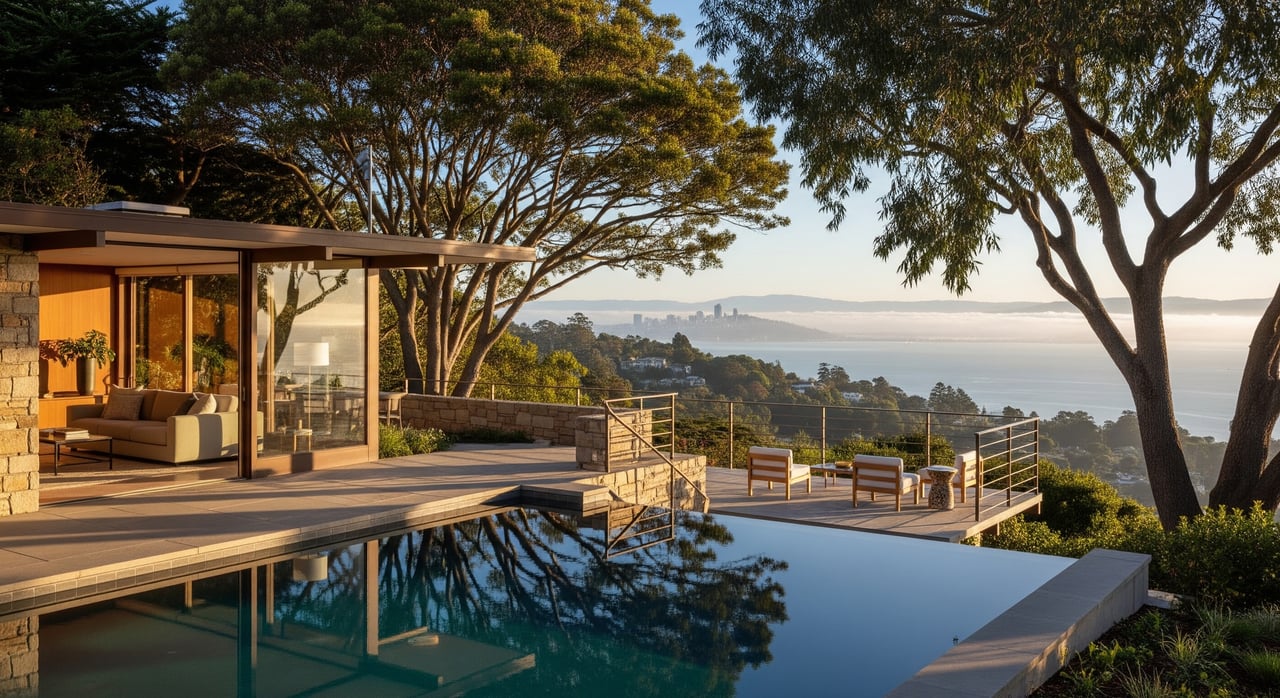
Piedmont’s version of luxury is not built around flashy storefronts or resort-style living. Instead, it comes from a combination of limited housing supply, established residential streets, mature landscaping, and homes with lasting architectural presence.
The city’s design and preservation planning points to topography, views, tree canopy, street pattern, architecture, and residential land use as key parts of Piedmont’s identity. In some areas, lots exceed half an acre and are heavily wooded, creating a semi-rural feel that can be hard to find so close to the core of the East Bay.
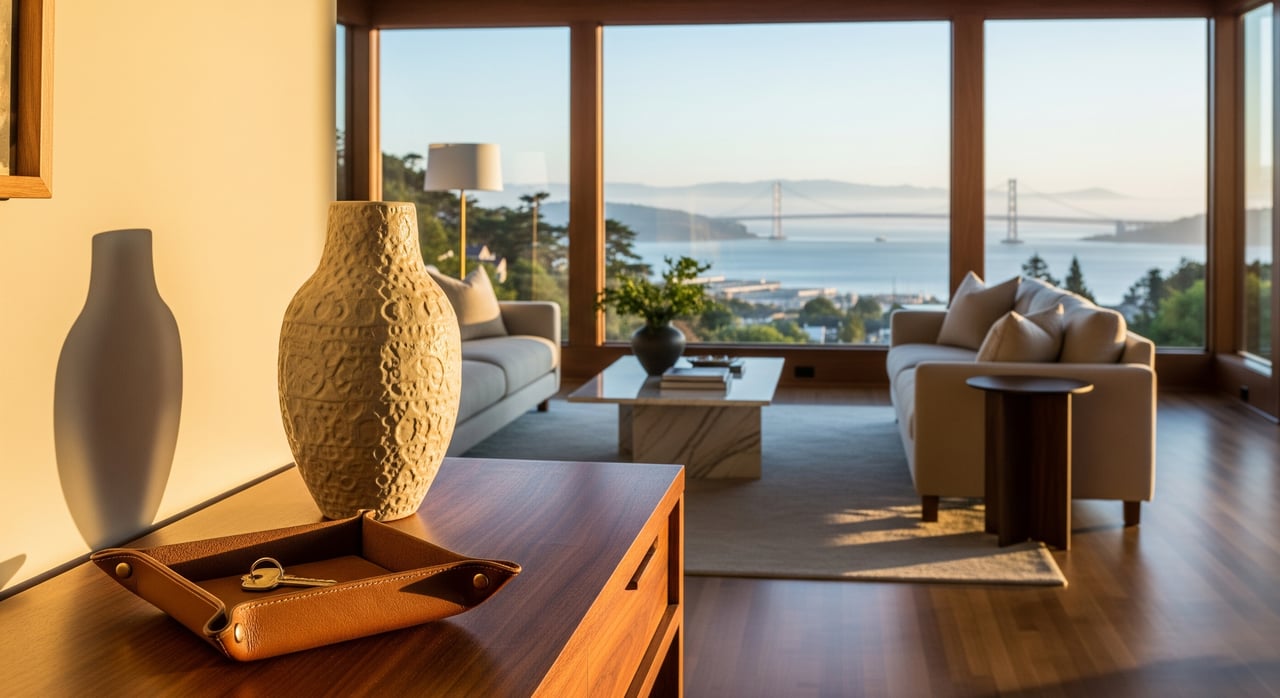
That setting creates a lifestyle many buyers want but few neighborhoods can offer. You can feel tucked away without feeling cut off, which is a rare balance in a close-in Bay Area location.
Schools shape the lifestyle
For many buyers, Piedmont’s school system is central to the city’s appeal. Piedmont Unified School District serves about 2,450 students across three elementary schools, one middle school, one traditional high school, one alternative high school, plus preschool and adult school.
The district reports that 95% of graduates pursue college, and students have access to 31 AP and Honors courses in the 2025-26 school year. It also notes 14 varsity sports and that three schools were named California Distinguished Schools in 2023.
Just as important, the district describes parent participation as very high. The local parcel tax contributes about $9.0 million each year, nearly one-third of the district budget, which reflects how deeply the community invests in local schools.
When you combine a small district footprint with broad academic and extracurricular offerings, you get a school ecosystem that plays a meaningful role in how people experience Piedmont day to day.
Parks and outdoor spaces feel woven in
Piedmont’s outdoor spaces are not an afterthought. Within city limits, there are six city parks and numerous landscaped areas, with amenities that include green lawns, wooded paths, tennis courts, playgrounds, picnic areas, and dog-friendly open space.
Piedmont Park & Exedra Plaza is the city’s central gathering place. Spanning about 15 acres, it includes Community Hall, Exedra Plaza, a Japanese Tea House, playgrounds, tennis courts, a creek trail, and views toward San Francisco Bay and Mt. Tamalpais.
This park also anchors many community events, including Movies in the Park, Harvest Festival, the Fourth of July Band Concert, and the Christmas Tree Lighting Ceremony. These public spaces help create a rhythm to local life that feels connected and active without feeling crowded.
Other parks add to that sense of place. Dracena Quarry Park is described by the city as a hidden neighborhood gem with shaded paths, a playground, redwoods, and a secret-garden atmosphere, while Crocker Park offers a more intimate landscaped setting with rhododendrons, camellias, ferns, and a public sculpture.
The city’s Heritage Tree Program adds another layer to Piedmont’s identity. Since the program began in 2018, 28 trees or tree groups have been designated, reinforcing the importance of canopy, landscape, and long-term stewardship.
Community traditions add staying power
A lot of neighborhoods have amenities. Fewer have traditions that residents return to year after year and pass along across generations.
Piedmont is known for that kind of continuity. The city continues its annual Fourth of July Parade and Picnic, and Lights Up, which began in 1969 as a tree-lighting ceremony, has grown into Piedmont’s annual winter celebration of light.
The recreation mix also expanded with the opening of the new community pool in April 2026. The facility includes a competition pool, a warm-water activity pool, a community room, and a rooftop pavilion.
These details matter because they shape more than a weekend calendar. They help explain why Piedmont often feels not just desirable, but deeply rooted.
Architecture carries real value
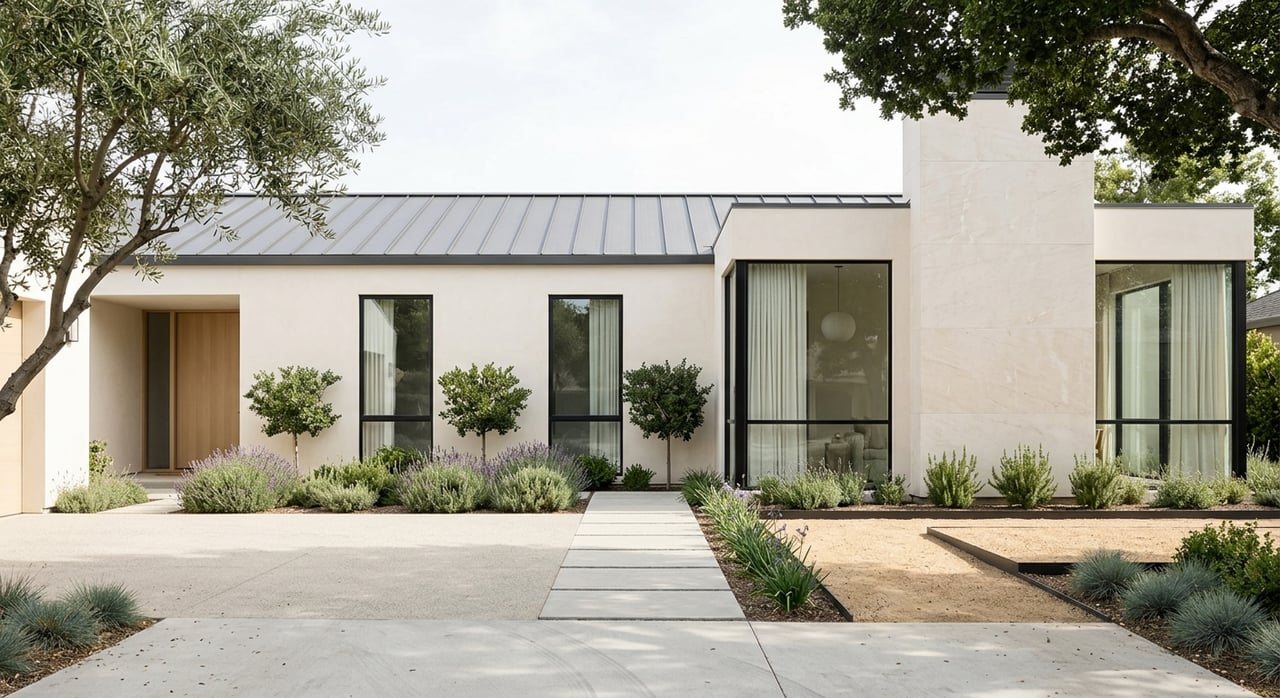
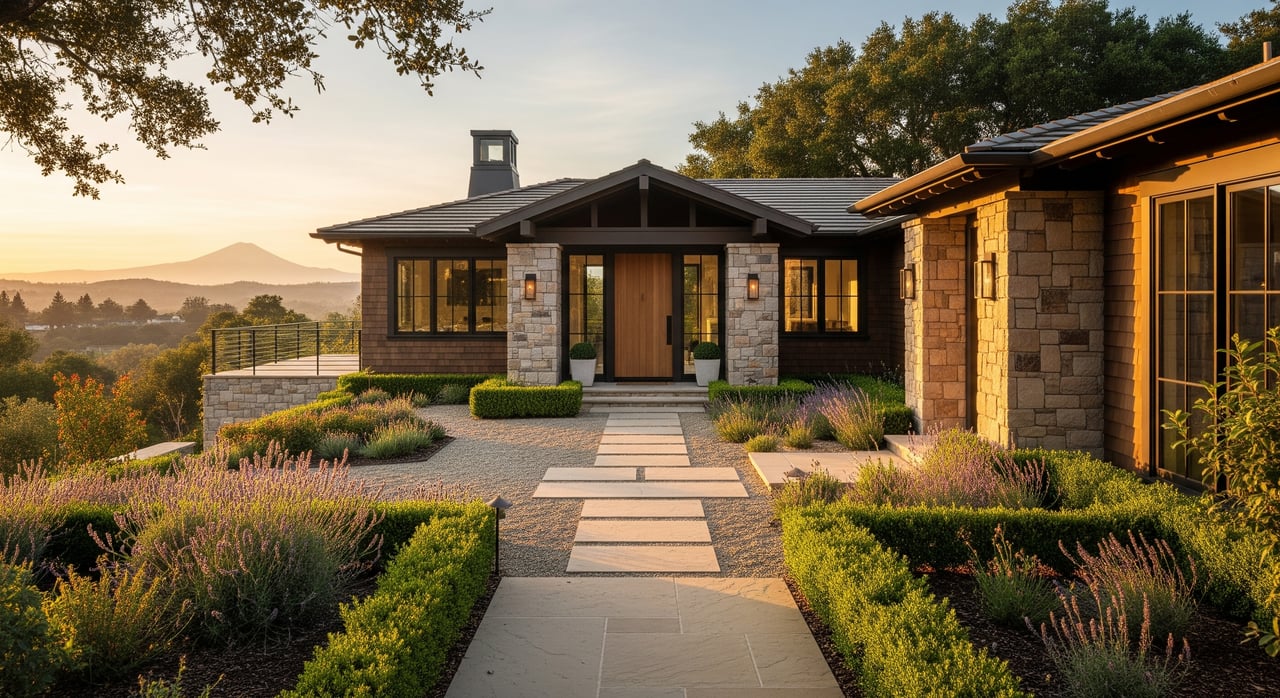
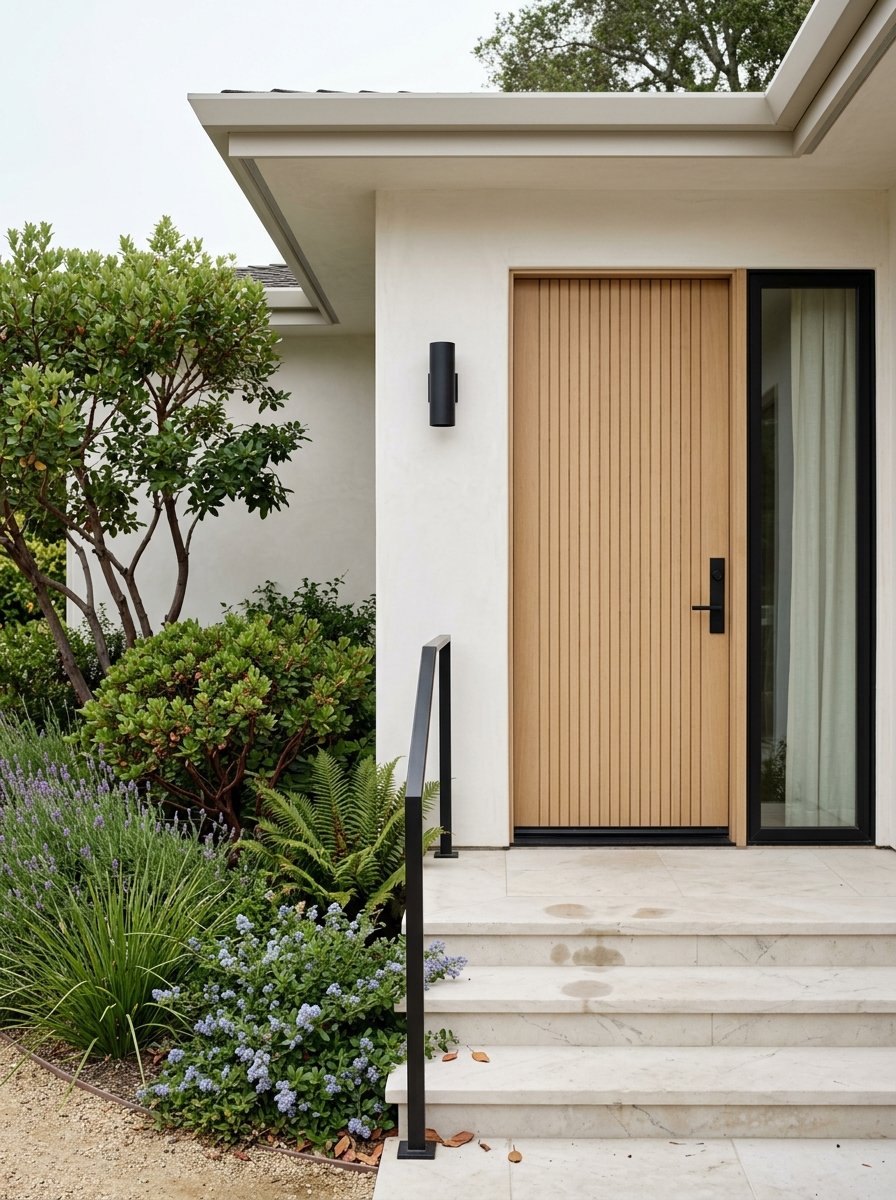
Piedmont is especially appealing if you care about homes with character. The city’s early housing stock includes Victorian, Bungalow, American Foursquare, Craftsman, Colonial Revival, and English or Tudor styles, many built in the early 20th century.
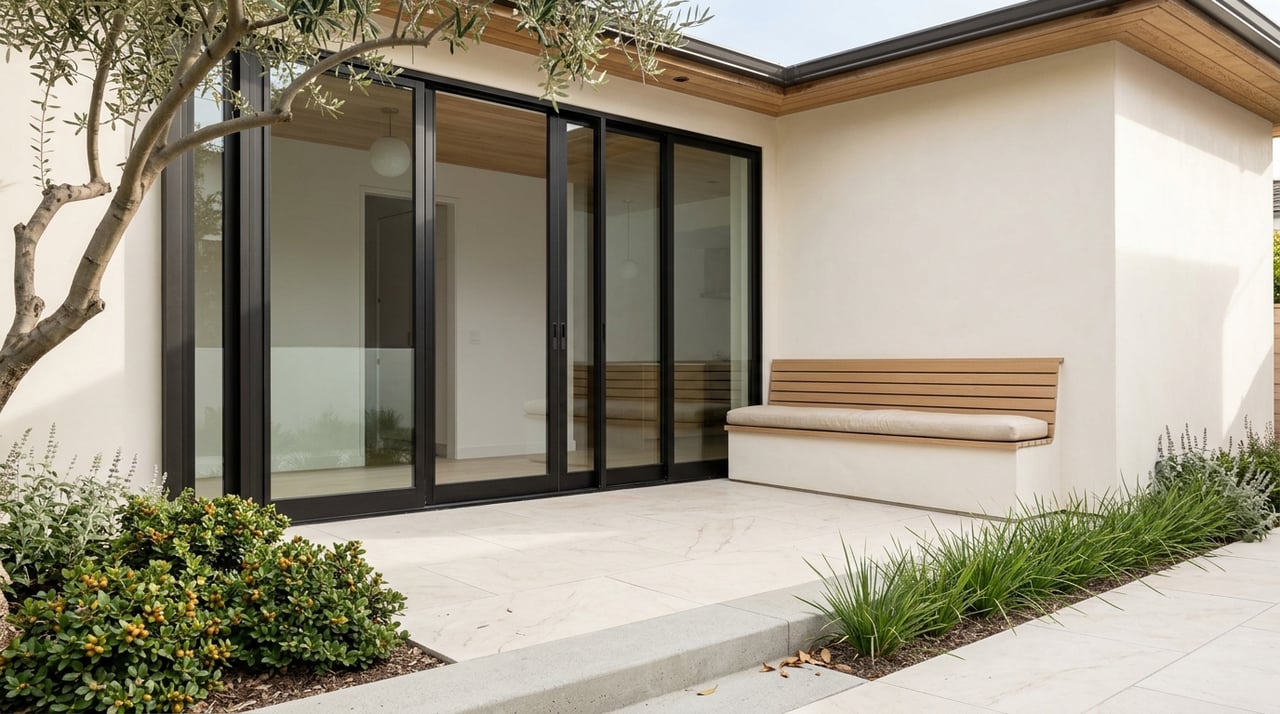
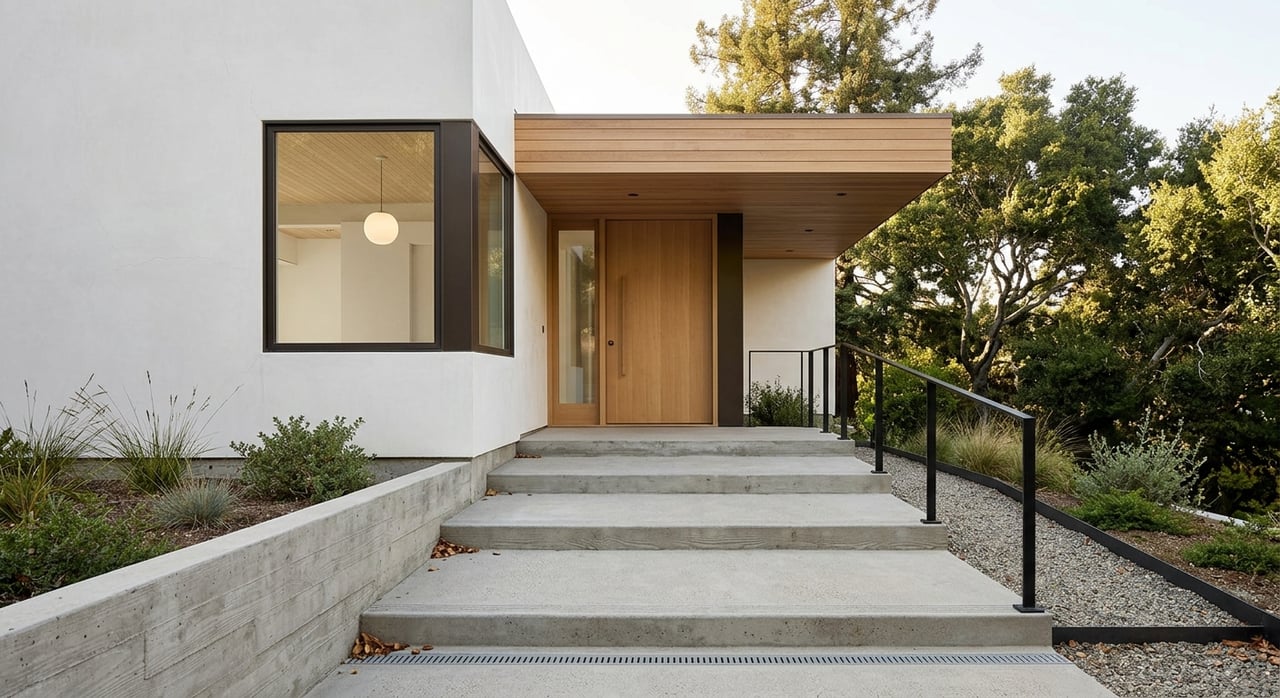
This architectural variety gives the city a layered, established feel. Instead of large areas of uniform development, you find streets shaped by topography, mature planting, and homes with distinct forms and materials.
That visual richness is not accidental. Piedmont uses formal design review and design guidelines to help new construction and remodels stay compatible with surrounding homes and neighborhoods.
The guidelines address context, architectural character, building form, landscape, site amenities, and the relationship to the street and neighboring properties. For buyers and owners, that level of review helps preserve the qualities that make the city feel cohesive over time.
Why home prices run higher here
Piedmont’s pricing is driven by more than prestige. The city is tiny, primarily residential, and inherently limited in supply, which creates consistent pressure in the market.
At the same time, buyers are paying for a combination of factors that are difficult to replicate elsewhere: a compact school system, a strong park network, established architecture, mature landscape, and immediate access to nearby Oakland amenities.
In March 2026, Redfin reported a median sale price of $3.0 million in Piedmont. In the same period, Oakland overall was at $870,000, while nearby Oakland neighborhoods such as Montclair and Rockridge were reported at $1.5 million and $1.3 million, respectively.
That same report said Piedmont homes were receiving about six offers on average and selling in around 12 days. Even allowing for normal market shifts over time, those numbers underline how competitive the city remains.
Piedmont feels secluded, not isolated
One of Piedmont’s biggest strengths is that it can feel private without becoming inconvenient. Because the border with Oakland is so seamless, many daily needs are met just outside city limits.
Transit access also supports that flexibility. The city’s housing element notes that western Piedmont can reach the 19th Street or MacArthur BART stations via AC Transit Lines 11 or 12, while Line 41 connects eastern Piedmont to the Piedmont Civic Center, where riders can transfer to Line 11 for Downtown Oakland and BART.
For many households, that means you can enjoy a residential environment with a sense of retreat while staying connected to larger employment, shopping, dining, and transportation networks.
What buyers should know before shopping in Piedmont
If you are considering a move to Piedmont, it helps to understand that this is a small market with strong competition and highly specific housing stock. Homes often stand out because of architecture, lot placement, landscaping, views, or proximity to parks and civic spaces.
That means your search should go beyond bedroom count and square footage. It is worth paying attention to design integrity, site orientation, remodeling quality, and how a home relates to its street and setting.
Because design standards matter in Piedmont, updates and additions can involve a more careful review process than buyers expect in other places. If you are looking at a home with expansion potential or considering future improvements, that context is important from the start.
What sellers can learn from Piedmont’s market
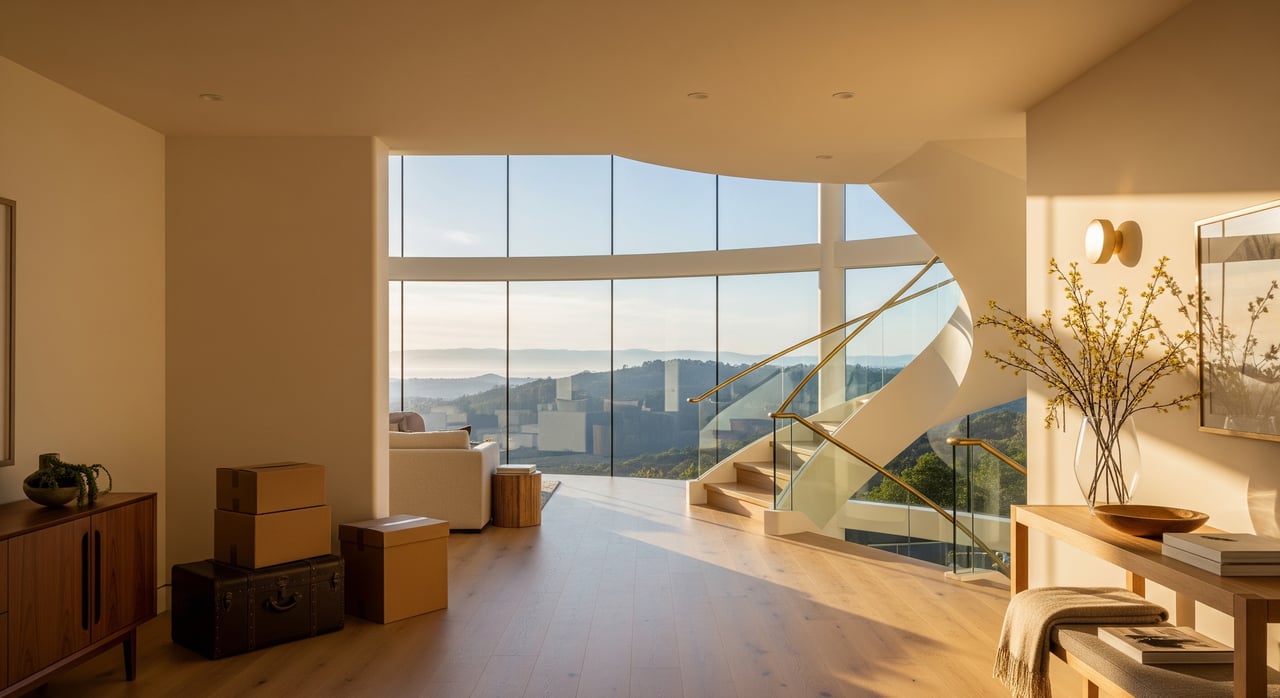
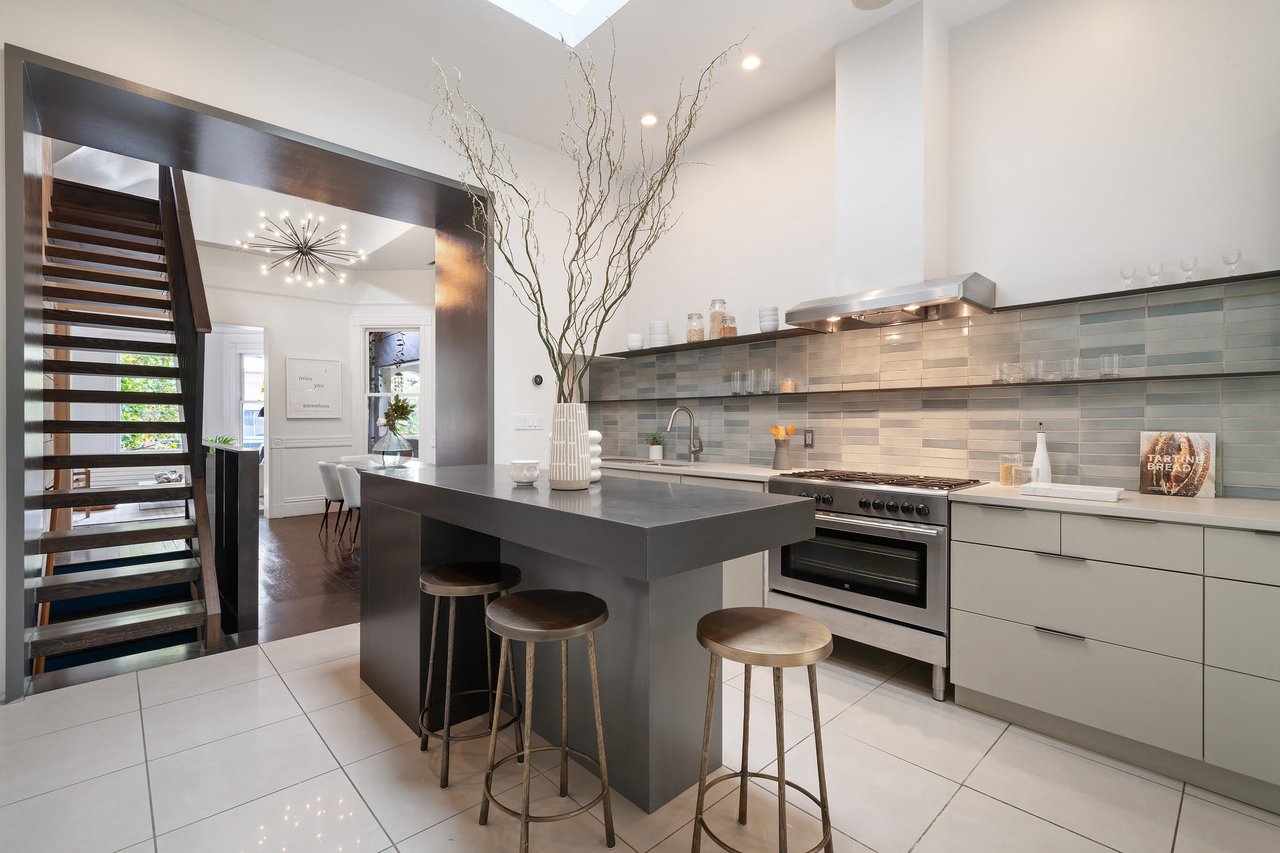
If you own a home in Piedmont, presentation matters because buyers here tend to notice design, landscaping, and architectural coherence. In a market where character and setting carry real value, thoughtful preparation can sharpen buyer response.
That does not always mean a full overhaul. It often means identifying the updates, repairs, staging choices, and landscape improvements that best support the home’s style and help it feel aligned with what buyers expect in this market.
For design-forward properties and period homes alike, the goal is usually the same: show the home’s story clearly, reduce visual friction, and highlight the details that make it feel distinctly Piedmont.
Why Piedmont keeps its appeal
Piedmont’s small-town luxury lifestyle comes from a very specific mix of qualities. It is compact, residential, architecturally rich, park-filled, civically engaged, and closely tied to nearby Oakland.
That combination helps explain why demand remains strong and why the city holds such a distinct place in the East Bay. If you want a neighborhood experience that feels calm, curated, and deeply established, Piedmont continues to offer something few places can match.
If you are thinking about buying or selling in Piedmont, working with a team that understands design, presentation, and the nuances of East Bay hill markets can make a real difference. Hope Broderick brings a boutique, high-touch approach to Piedmont homes, with local insight and design-savvy guidance tailored to this uniquely competitive market.
FAQs
What is daily life like in Piedmont, CA?
- Daily life in Piedmont is shaped by its primarily residential setting, local parks, community traditions, and close connection to nearby Oakland for shopping, dining, and other conveniences.
Why are home prices so high in Piedmont, CA?
- Piedmont home prices reflect limited housing supply, established architecture, formal design standards, strong demand, a compact school system, and access to parks and nearby Oakland amenities.
Does Piedmont, CA have a downtown area?
- Piedmont does not have a traditional retail-oriented downtown, and many residents rely on adjacent Oakland business districts for everyday services and entertainment.
What kinds of homes are common in Piedmont, CA?
- Piedmont includes many early 20th-century homes, with styles such as Victorian, Bungalow, American Foursquare, Craftsman, Colonial Revival, and English or Tudor.
What should buyers expect in the Piedmont, CA housing market?
- Buyers should expect a small, competitive market where architectural character, lot setting, landscaping, and design quality can strongly influence demand and value.