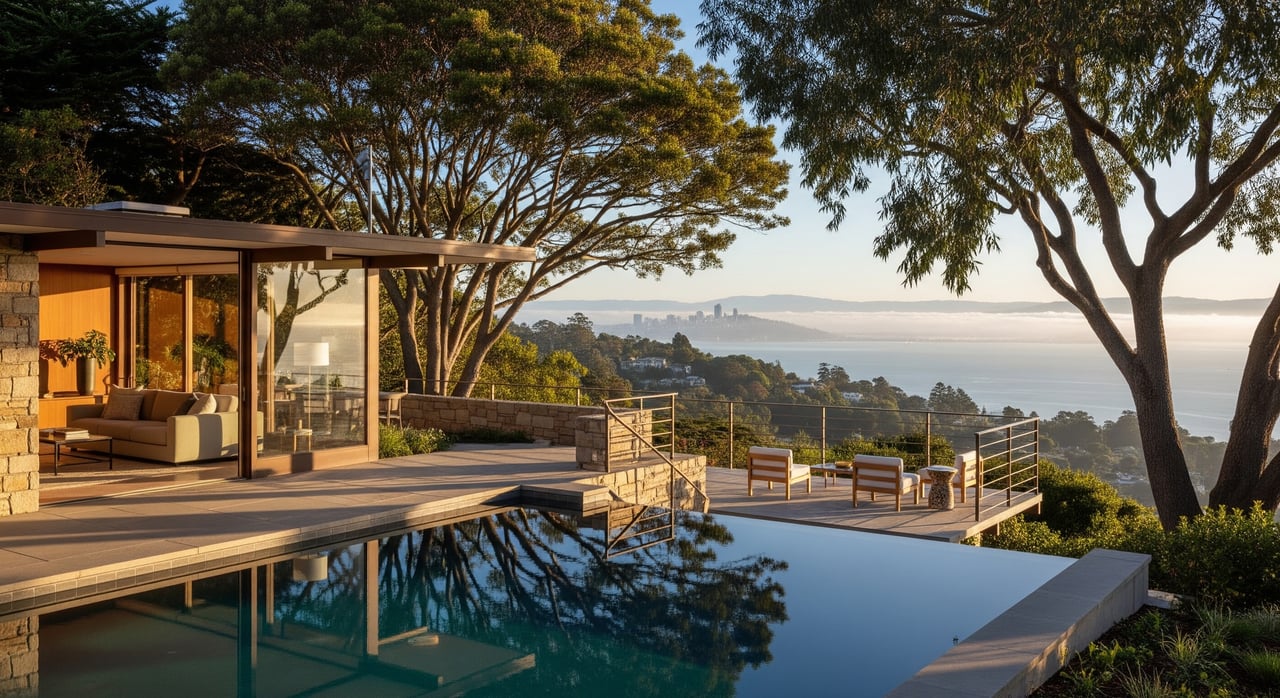
You want the views, the greenery, and a comfortable daily rhythm without losing touch with the city. Berkeley Hills and the Claremont area offer that balance with character homes, trailheads at your doorstep, and quick access to UC Berkeley and vibrant dining corridors. In this guide, you will learn what life feels like day to day, how the microclimate works, what to expect from the housing stock, and the practical considerations that matter before you buy. Let’s dive in.
Berkeley Hills and Claremont basics
The Berkeley Hills encompass the steep, eastern neighborhoods above the city’s flatlands, stretching toward the ridgeline with canyons, winding streets, and wide Bay views. The Claremont area centers on the Claremont Avenue corridor and Claremont Canyon, adjacent to Tilden Regional Park and near the historic Claremont Club & Spa. Parts of Claremont straddle the Berkeley–Oakland boundary, so city services and details can vary by block.
These neighborhoods are primarily residential and quieter than downtown Berkeley. You will find tree-lined streets, architecturally distinctive homes, and a strong connection to parks and trail systems. Everyday errands typically happen in nearby Elmwood, North and Central Berkeley, Solano Avenue, or along College Avenue in Oakland.
Daily life and nearby amenities
You are minutes from UC Berkeley’s cultural scene, theaters, museums, and farmers’ markets. Dining hot spots along Shattuck, Telegraph, and the College Avenue corridor are easy to reach. In the hills themselves, retail is limited, so plan to drop down to the flatland corridors for groceries, cafes, and services.
Outdoor recreation is a major part of life here. Tilden Regional Park, Claremont Canyon Regional Preserve, and other nearby open spaces offer hiking, mountain biking, picnic areas, botanical gardens, a golf course, and off-leash dog areas. Many residents build daily routines around morning trail loops or sunset viewpoints.
Microclimate and seasons
East Bay microclimates are real. The hills often get more sun and warmer daytime temperatures than the western flatlands, especially in summer. On some days, temperatures can differ by several degrees or more than 10°F across short distances.
Wind and exposure vary by elevation and orientation. Ridge and hilltop homes can feel windier and see bigger day-to-night swings, while east-facing slopes often enjoy bright mornings. Visit any home at different times of day and in multiple seasons to understand sun, shade, and heating or cooling needs.
Homes and architecture
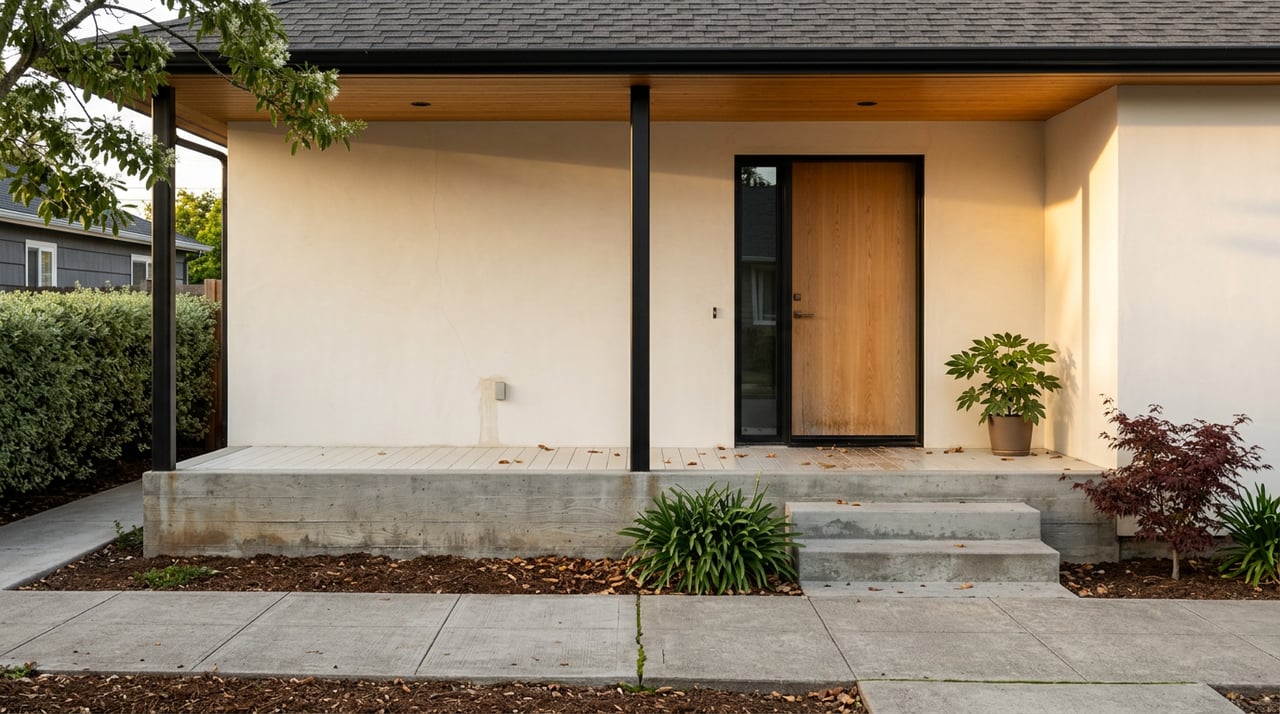
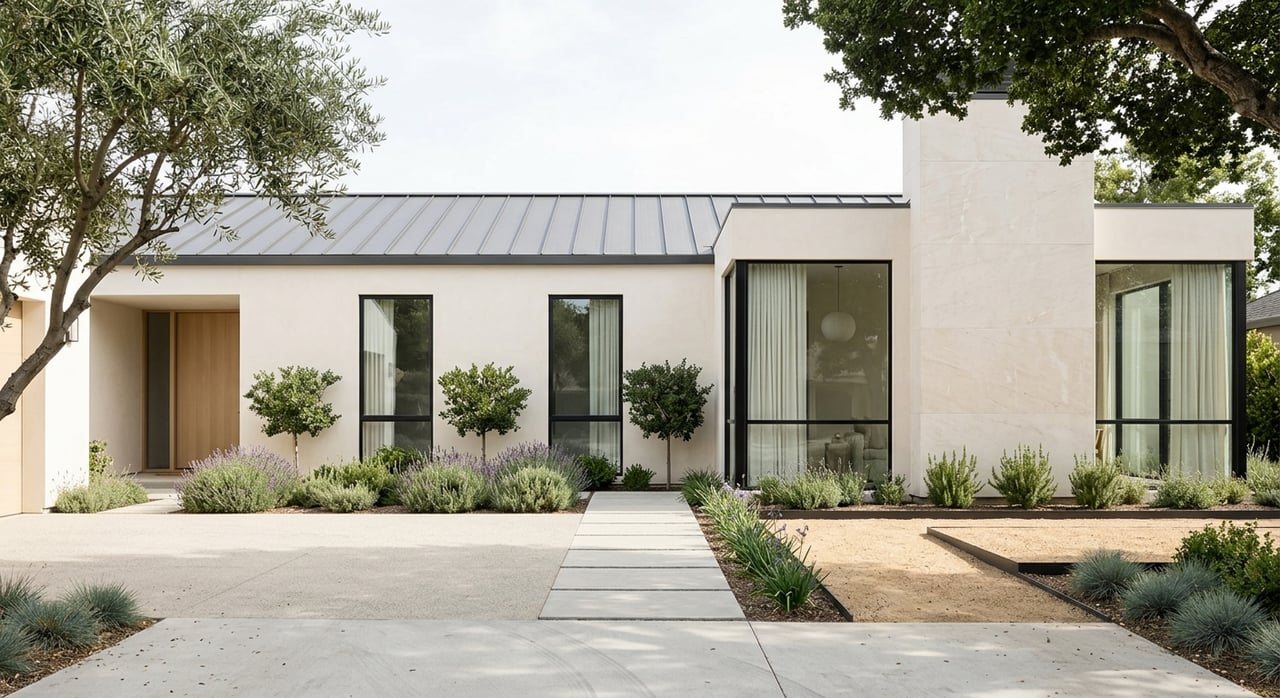
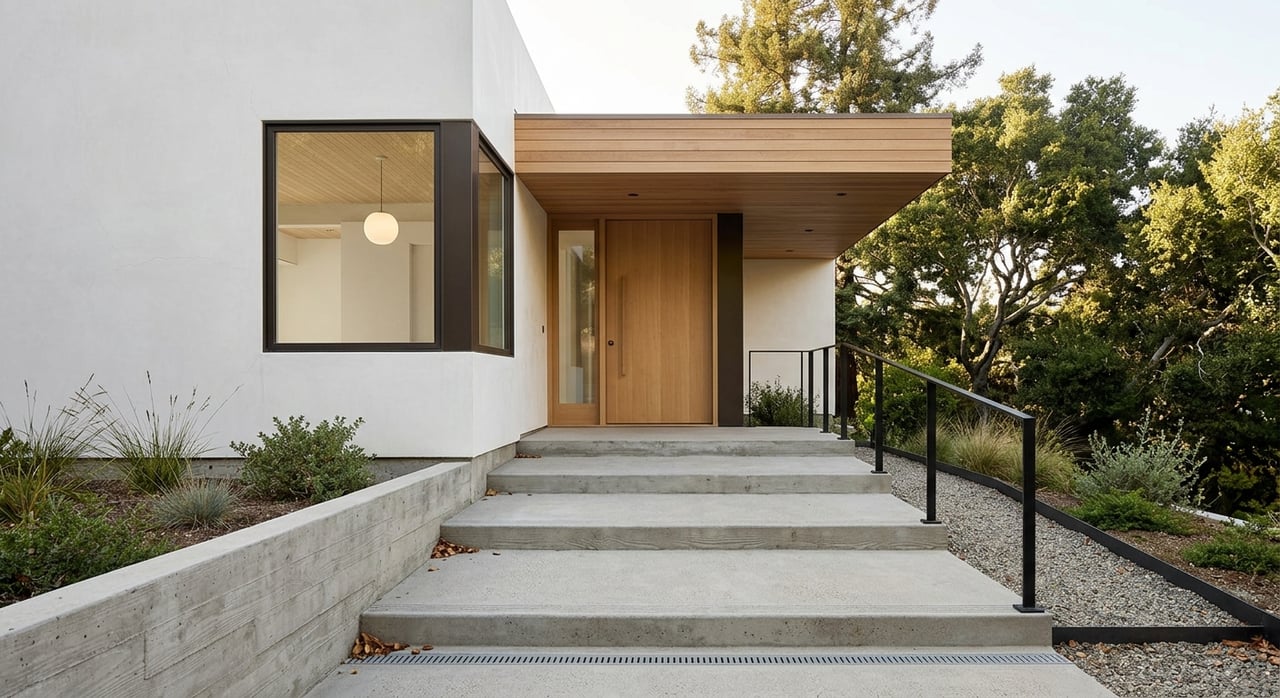
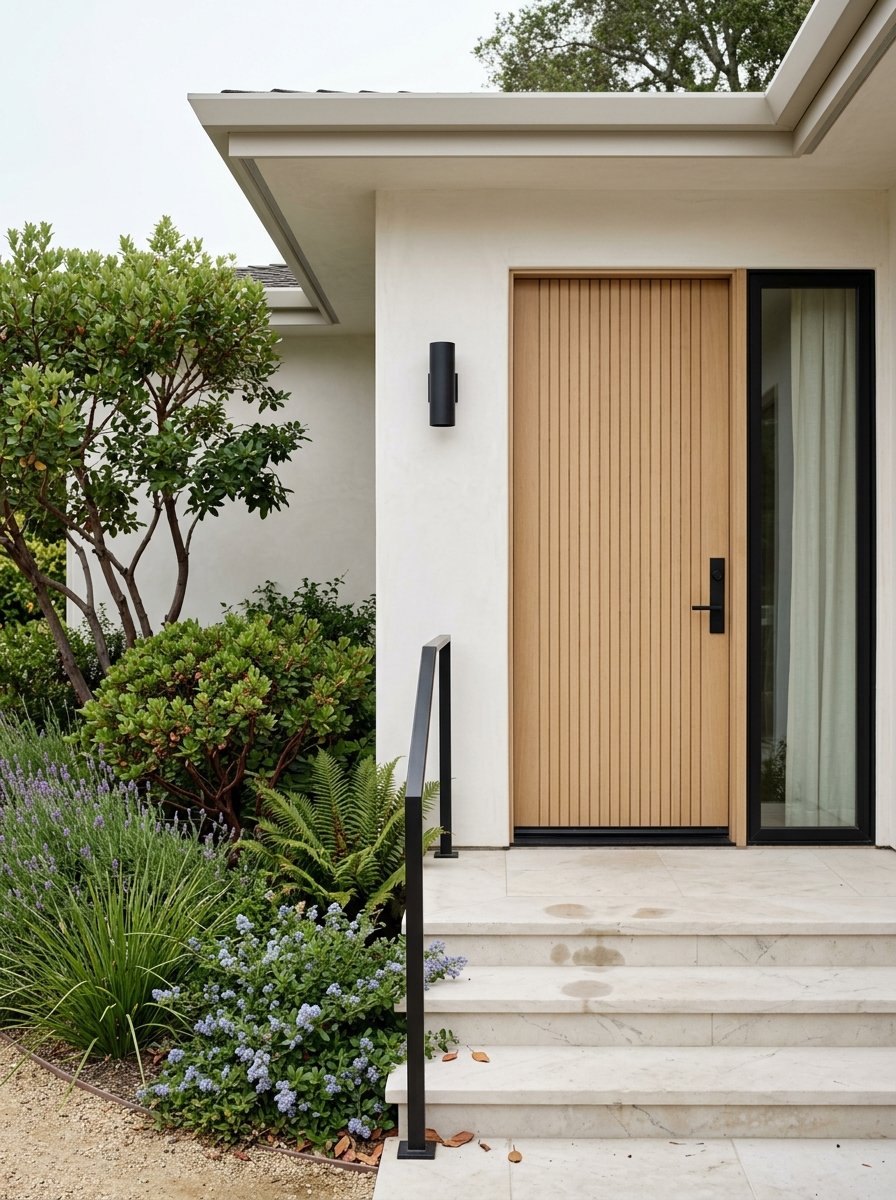
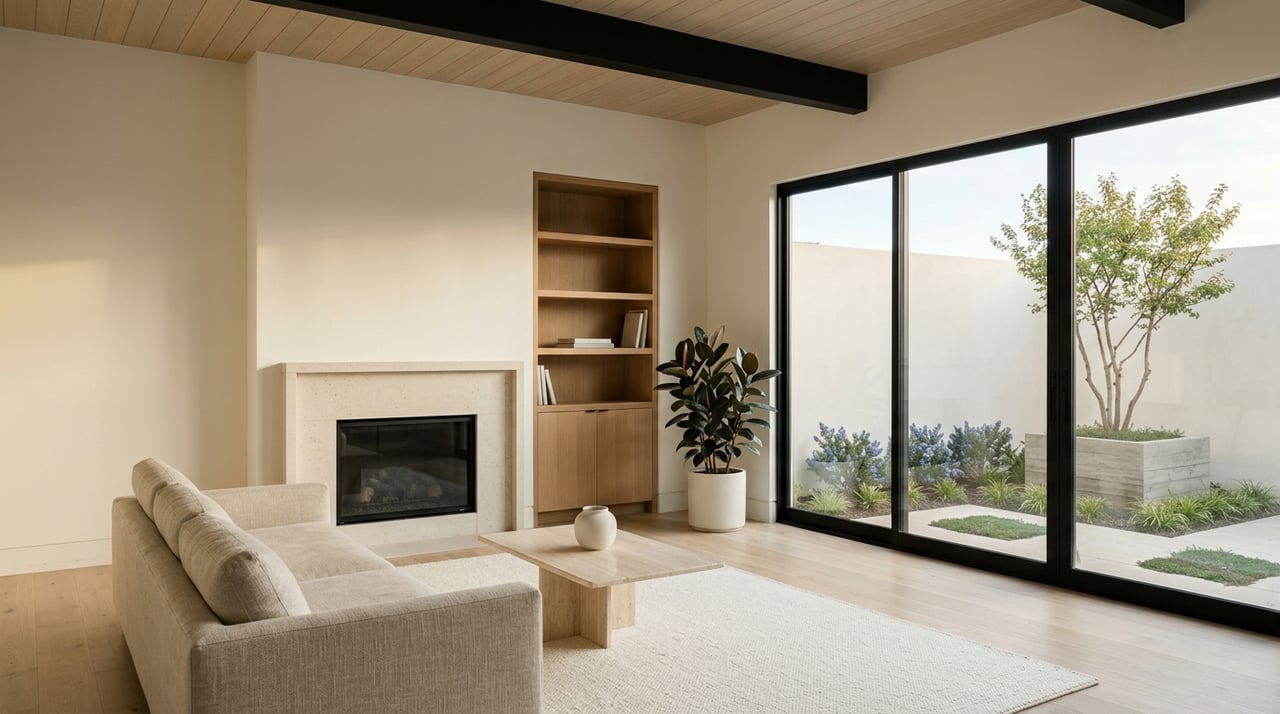
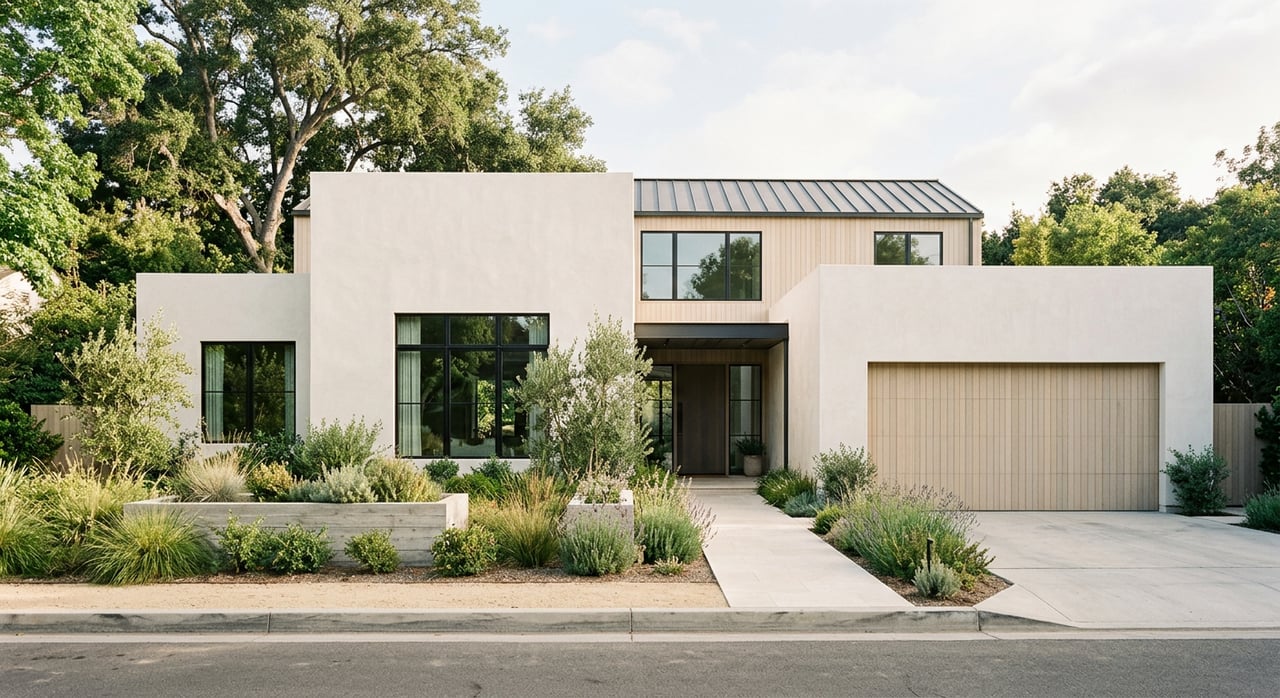
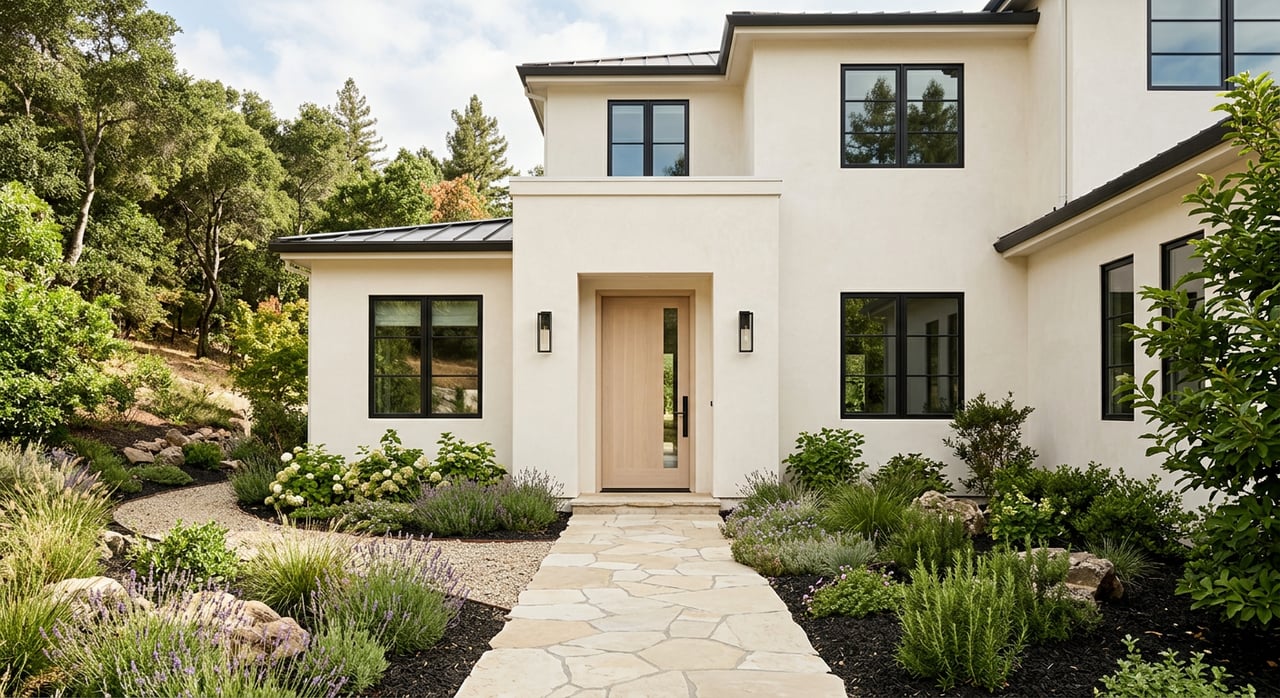
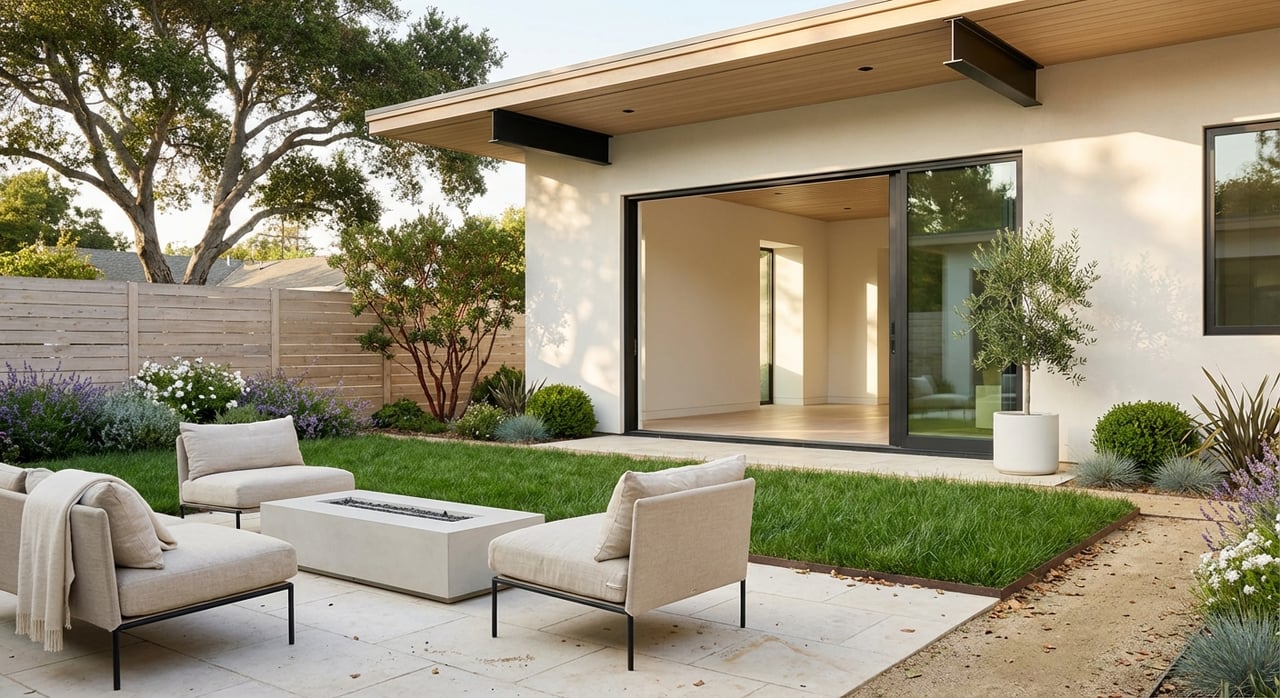
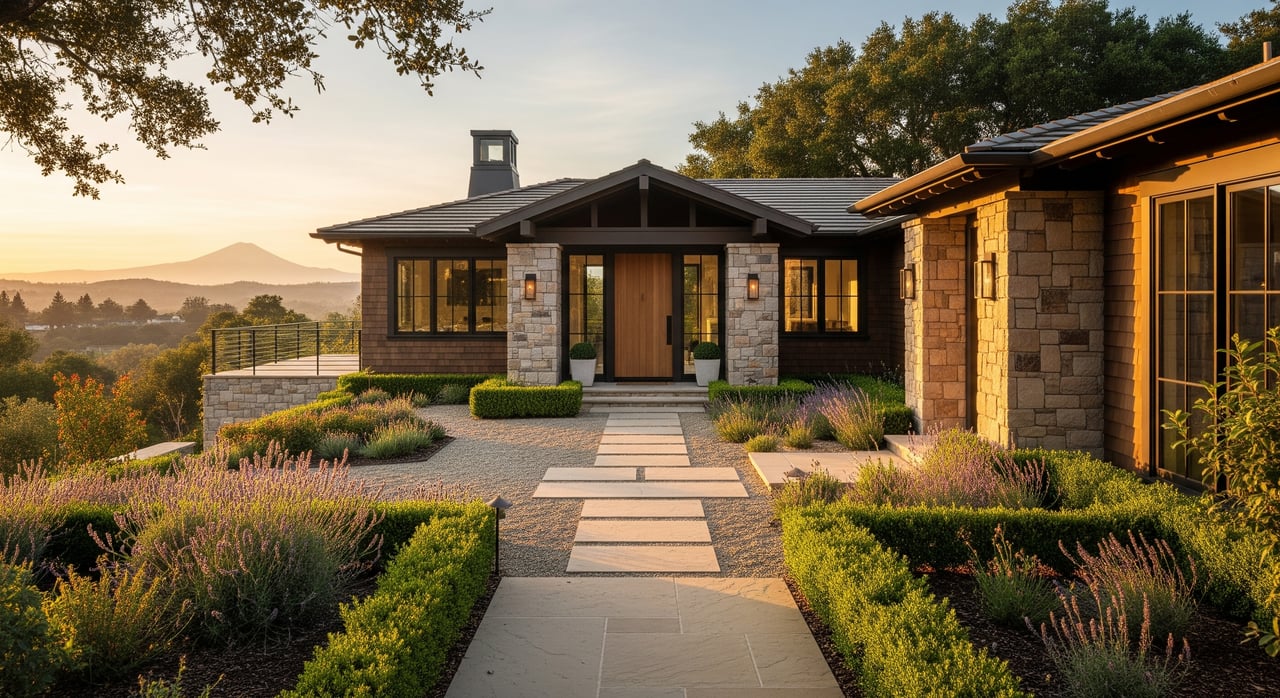
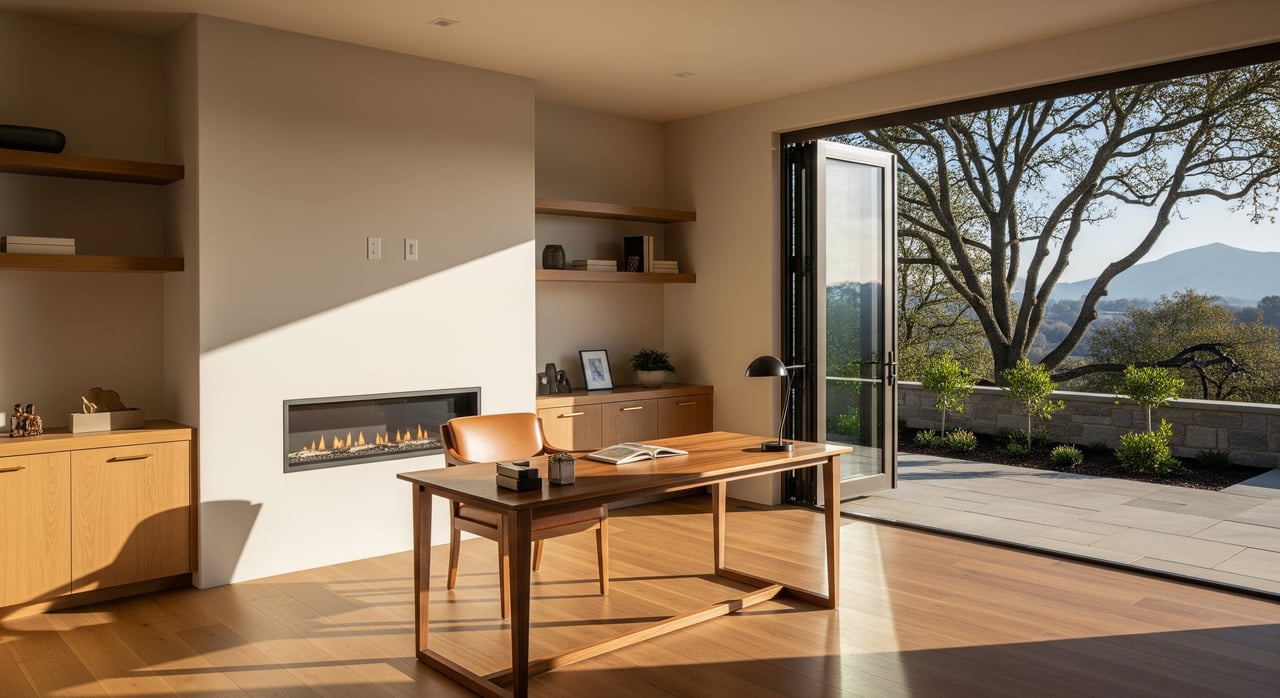
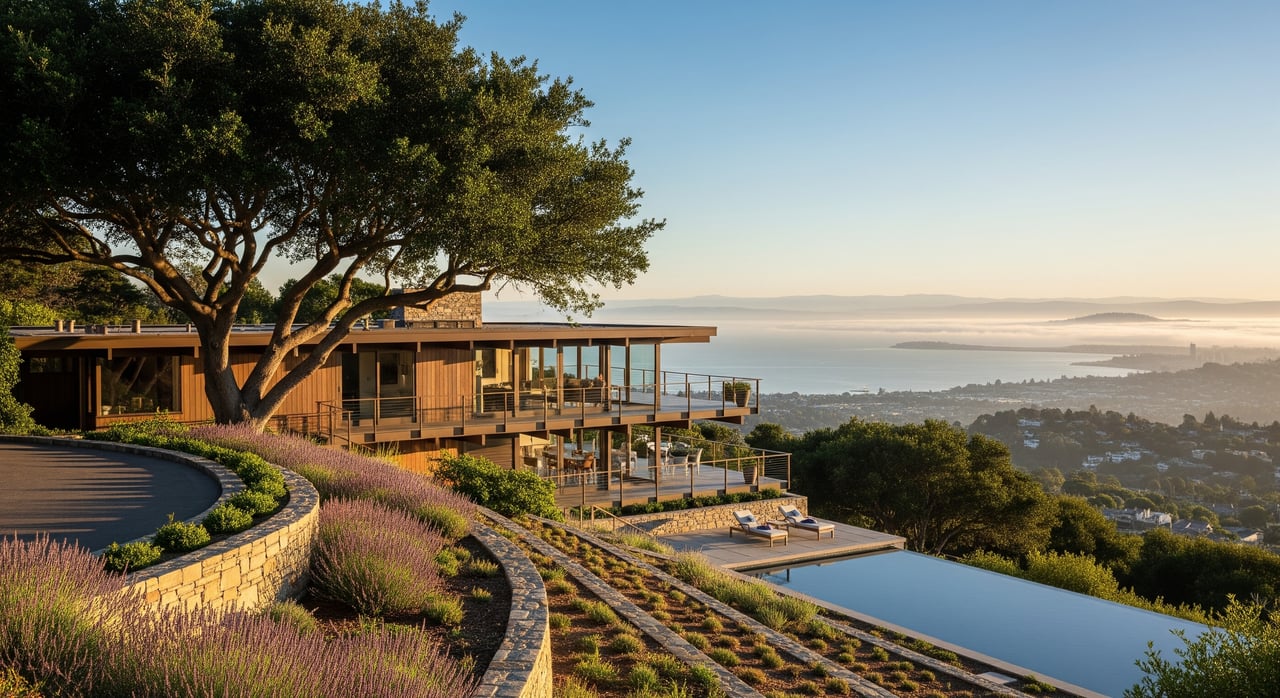
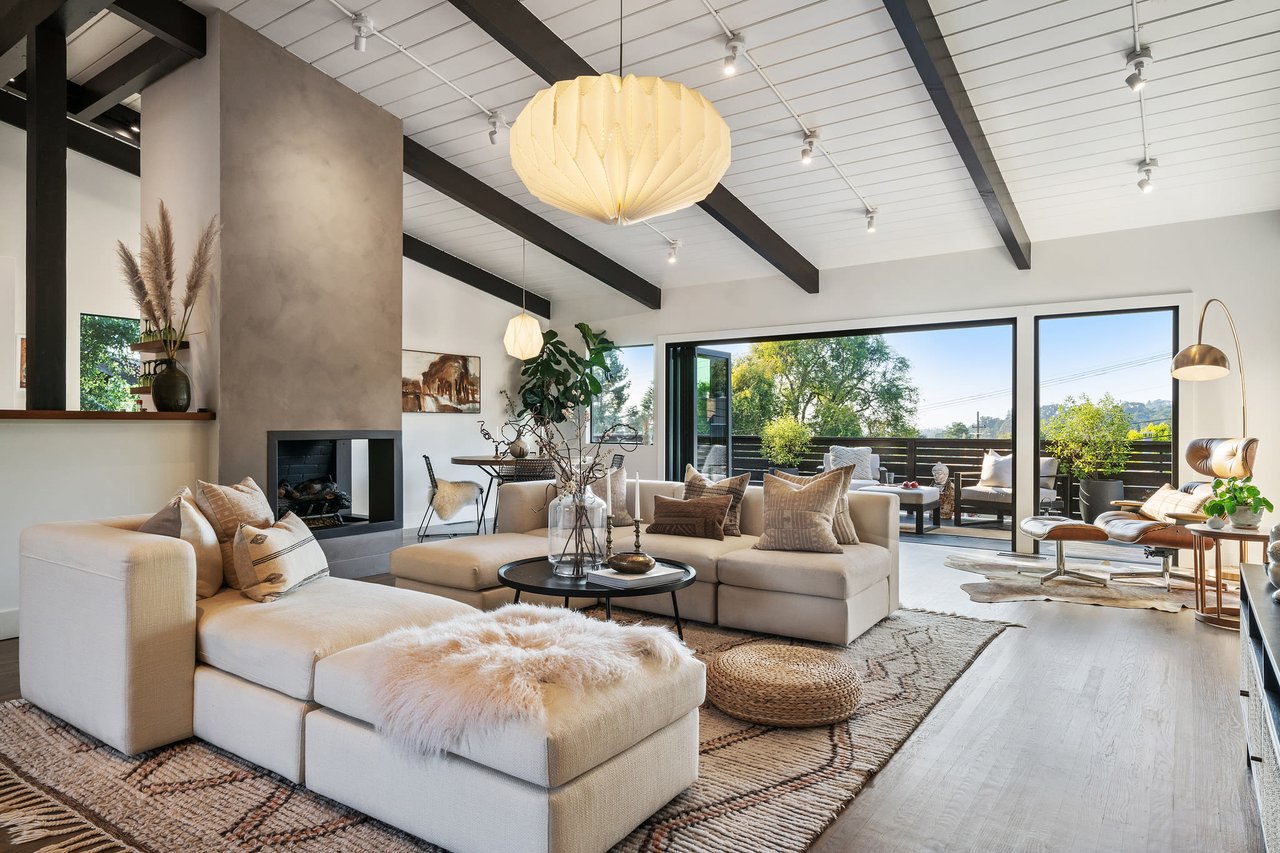
Most properties are single-family homes on sloped lots, with a mix of townhouse clusters and a few low-density multifamily buildings near the foothills. You will see Craftsman and Arts-and-Crafts era houses, Mediterranean and Tudor styles from the 1920s–1940s, mid-century moderns designed for views, and contemporary hillside builds with expansive glazing and decks.
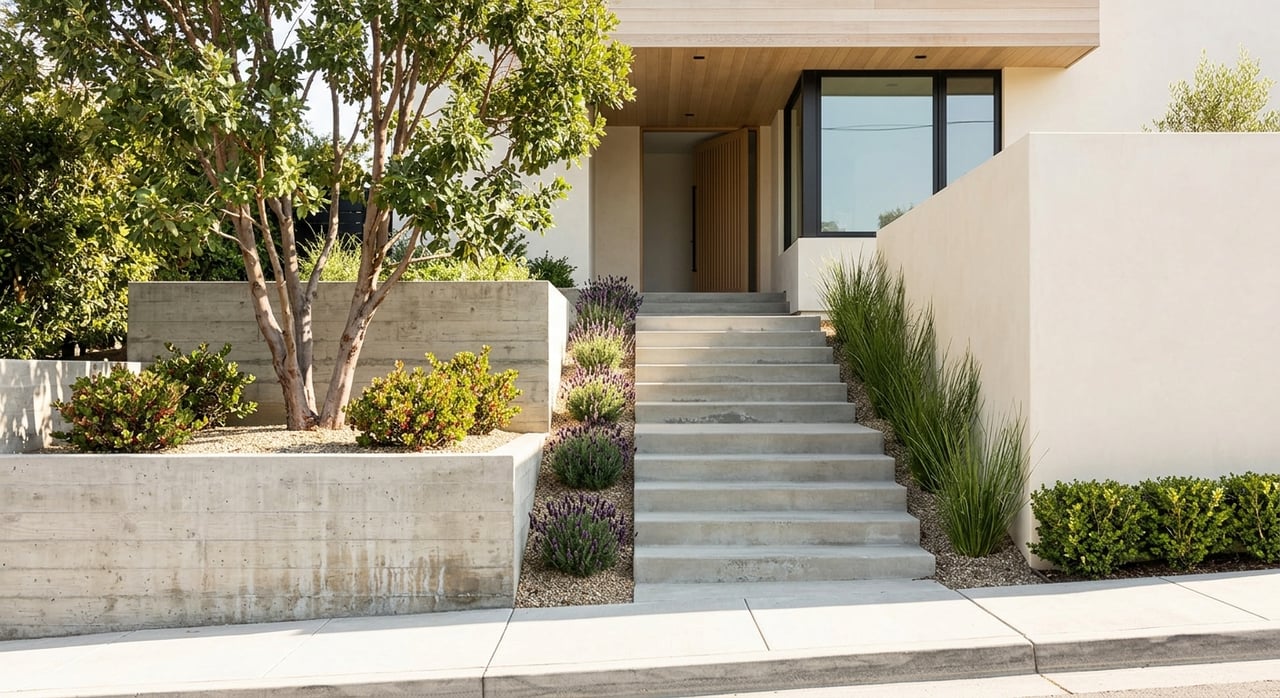
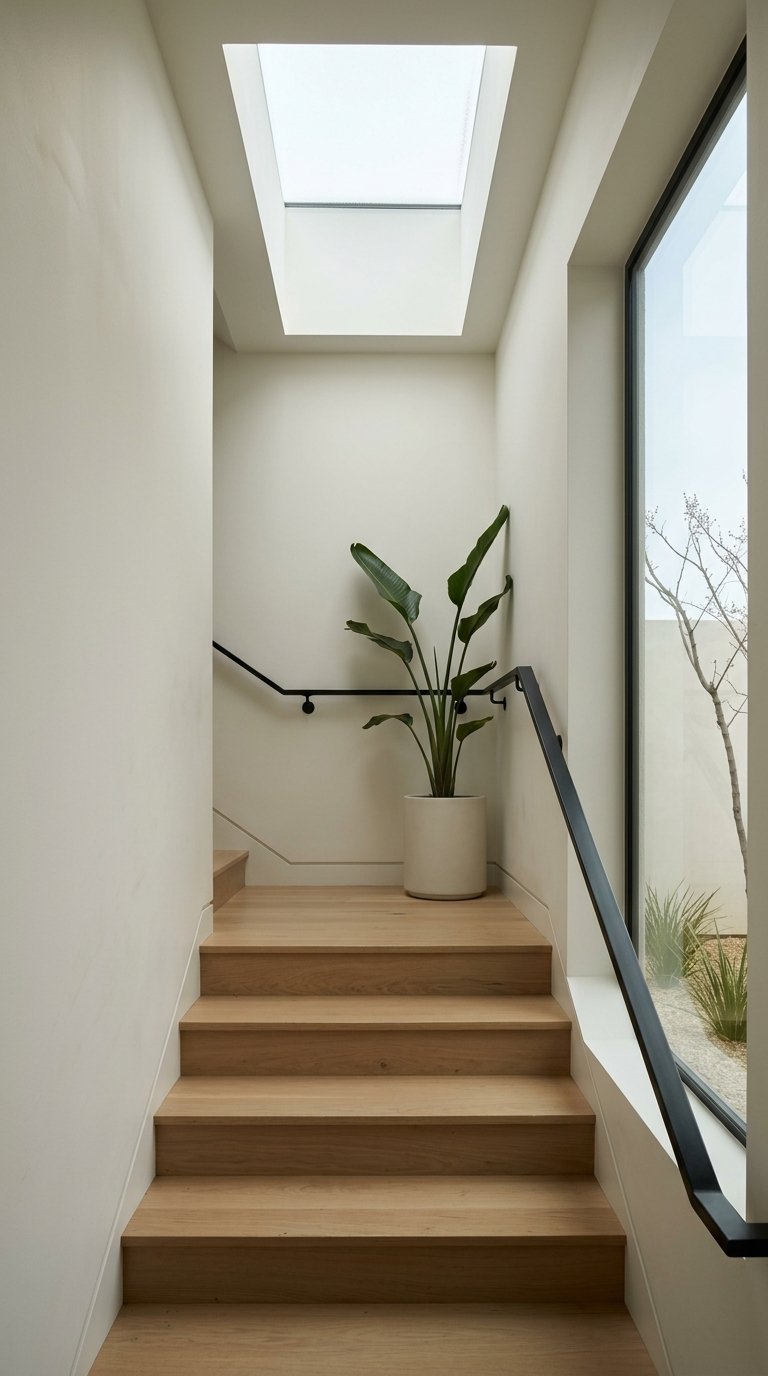
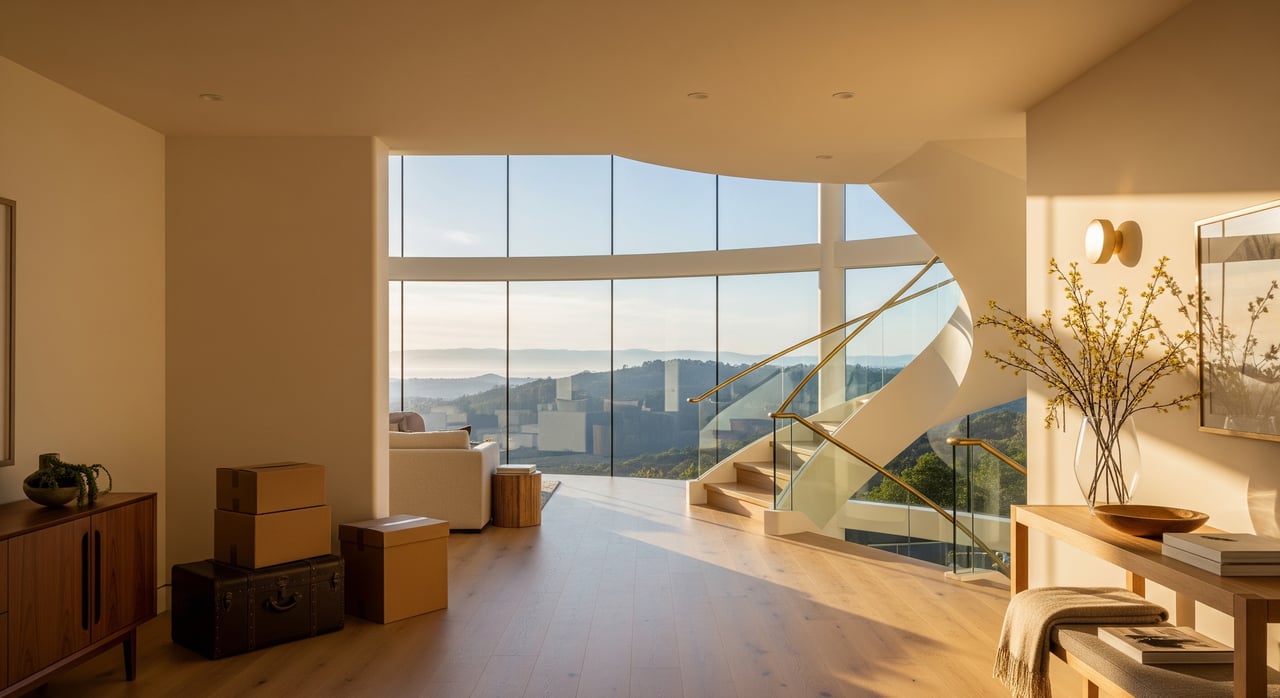
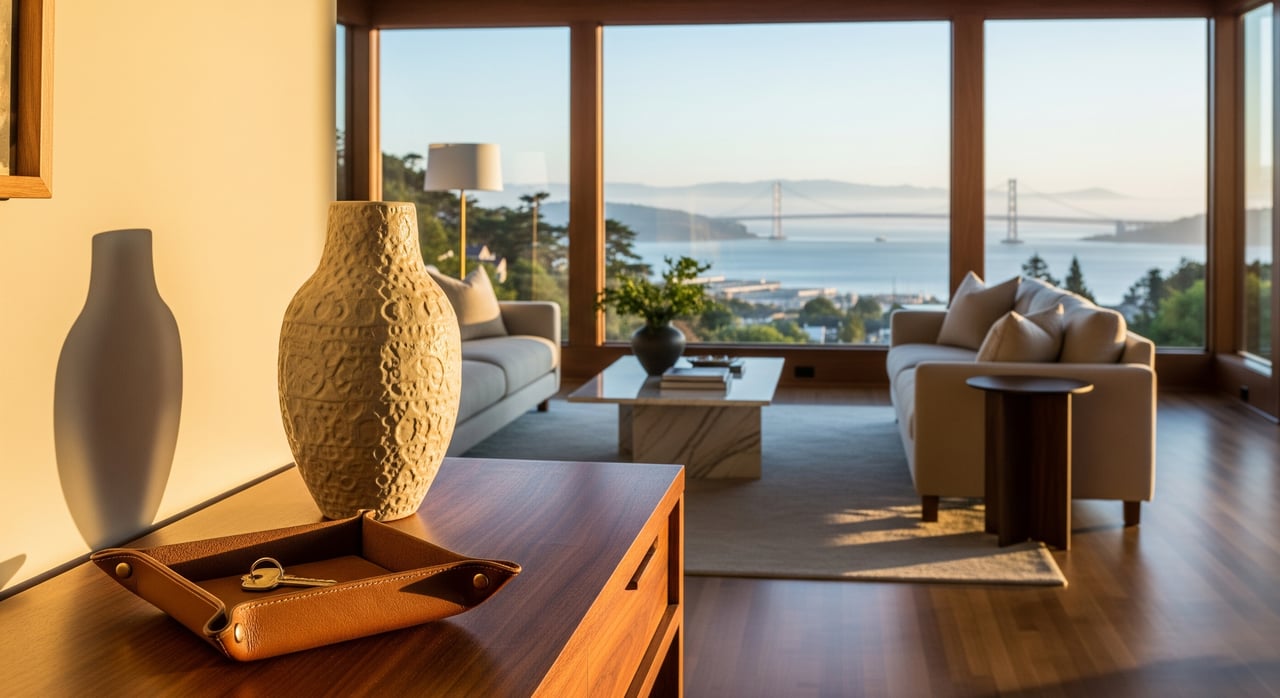
Steep topography shapes how homes live. Expect terraced yards, retaining walls, steps, and driveways that may be long or narrow. Many homes prioritize view corridors with clerestory windows and wide decks that frame the Bay and San Francisco skyline.
Market context and value signals
Hills addresses, especially along the Claremont corridor, are often pricier than Berkeley’s flatland neighborhoods due to views, lot sizes, and proximity to parkland. Market conditions across the Bay Area can shift with interest rates, inventory, and regional hiring cycles. Focus on fundamentals that hold value over time, such as view quality, lot usability, architectural integrity, and access to parks and transit.
Schools and education overview
Berkeley Unified School District serves the city, with Berkeley High School as the comprehensive public high school. Elementary and middle school assignments depend on address, and the district offers programs that may be choice or magnet based. Families also consider private and alternative options across Berkeley and Oakland.
Always confirm attendance boundaries and program availability directly with Berkeley Unified School District for a specific address. Policies and programs can change over time.
Getting around and commute patterns
Many hill residents use a mix of car and transit. The closest BART stations often include Downtown Berkeley and North Berkeley, with Ashby and Rockridge in nearby Oakland. Depending on your exact location, you may drive or bike to a station to catch a train.
AC Transit offers routes along major corridors like Shattuck, Telegraph, and College. Direct bus coverage on steep, winding hill streets is limited, so expect to walk to arterial stops. Drivers connect to Highway 24 through the Caldecott corridor, and to I‑80/580 via main arterials. Travel times vary widely by time of day and weather.
Biking in the hills is a workout. Many residents use electric bikes to manage elevation or combine biking with BART to reach regional job centers.
Risks, safety, and practical planning
Wildfire risk is a reality across East Bay hill zones, including Claremont Canyon and areas bordering Tilden. Many properties sit within the wildland‑urban interface. Local fire agencies encourage defensible space and vegetation management, and some insurers consider hazard ratings when underwriting.
Seismic risk is part of Bay Area homeownership. Older hillside homes often benefit from seismic retrofits such as foundation bolting and bracing. Drainage and slope stability are also essential. Well-designed systems help prevent water intrusion and movement on steep sites.
Insurance availability and cost can vary based on location and mitigation measures. Obtain quotes early in your purchase process. For any plan to remodel or expand, expect design review, permits, and potential geotechnical or structural assessments.
Buyer checklist for the hills
- Visit properties morning, afternoon, and evening in multiple seasons to test microclimate, light, and wind.
- Request geotechnical, drainage, and foundation reports, and order a structural inspection.
- Review wildfire hazard mapping and local defensible-space guidance; get insurance quotes early.
- Confirm school assignment details with Berkeley Unified for the specific address.
- Map your commute and test drive to BART, bus routes, and your workplace at peak times.
- Scope renovation logistics on steep lots, including access, permits, hauling, and staging.
Outdoor highlights to explore
- Tilden Regional Park: sprawling trails, picnic areas, a golf course, and a botanical garden.
- Claremont Canyon Regional Preserve: hiking with ridge views and quick trail access from the neighborhood.
- Neighborhood trailheads and overlooks: many streets end near greenbelts and ridge spurs for short daily walks.
Selling in the hills: presentation matters
Hills homes reward thoughtful presentation. Architecture, light, and views can shine with strategic updates to landscape, color, lighting, and staging. Targeted pre‑sale improvements, professional photography, and narrative marketing help buyers feel the setting and flow.
If you are preparing to sell, plan for the details that matter in hillside properties, such as exterior maintenance, drainage tune-ups, and garden clean‑ups for curb appeal. A coordinated approach can reduce friction and elevate results.
Ready to explore homes or prepare yours for market with design-forward guidance and concierge project management? Connect with Hope Broderick for local insight and a smooth, high‑touch experience.
FAQs
What is the difference between Berkeley Hills and Claremont?
- Berkeley Hills refers broadly to the eastern ridgelines above the city, while Claremont centers on the Claremont Avenue corridor and canyon at the Berkeley–Oakland edge.
How does the Berkeley Hills microclimate feel in summer?
- The hills often see more sun and warmer daytime temperatures than the western flatlands, with noticeable afternoon breezes on ridges.
What are common home styles in Berkeley Hills and Claremont?
- You will see Craftsman, Mediterranean, Tudor, mid‑century moderns, and contemporary hillside designs with decks and large windows.
How do commutes work from the hills to job centers?
- Many residents drive or bike to BART stations like Downtown Berkeley, North Berkeley, Ashby, or Rockridge, and use AC Transit on major corridors.
What should buyers inspect in hillside homes?
- Prioritize foundation and structural reviews, drainage and slope stability, and consider seismic retrofit needs and access logistics.
How does wildfire risk affect these neighborhoods?
- Many areas near Claremont Canyon and park edges sit in wildland‑urban interface zones, so defensible space and early insurance quotes are wise.
How are school assignments handled in Berkeley?
- Berkeley Unified assigns based on address with district programs available; always verify the specific property’s assignment with the district.