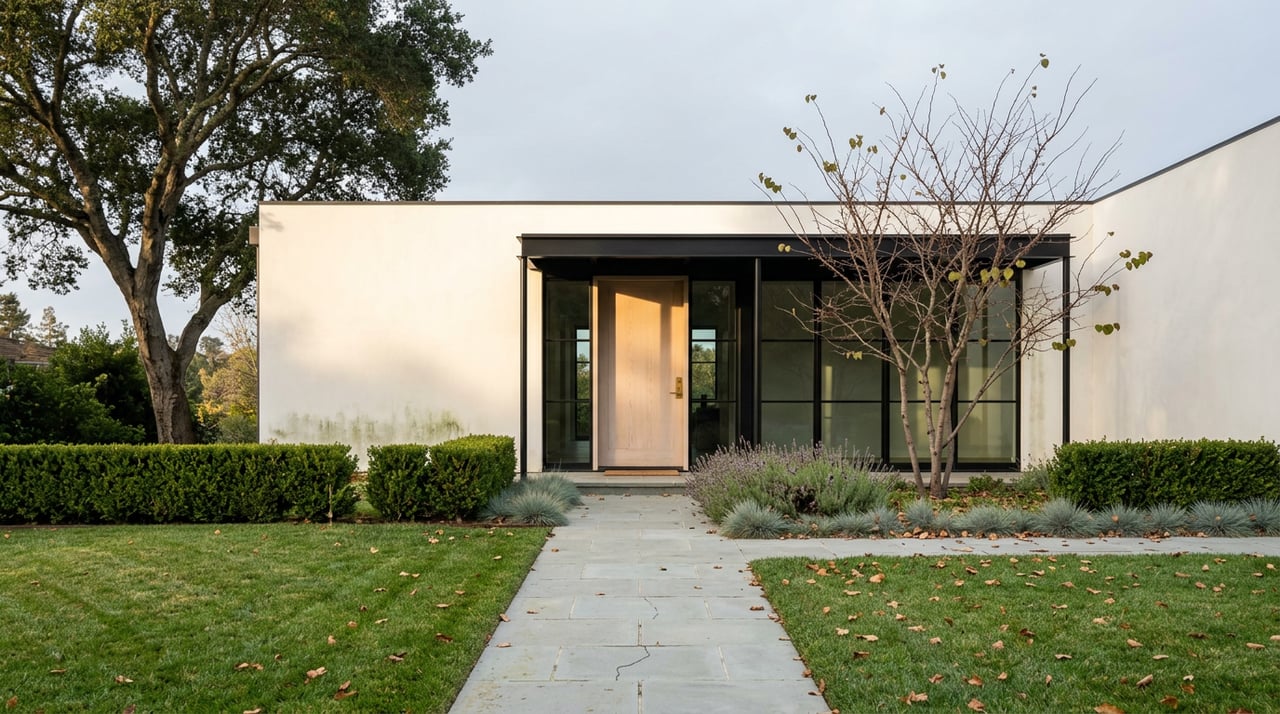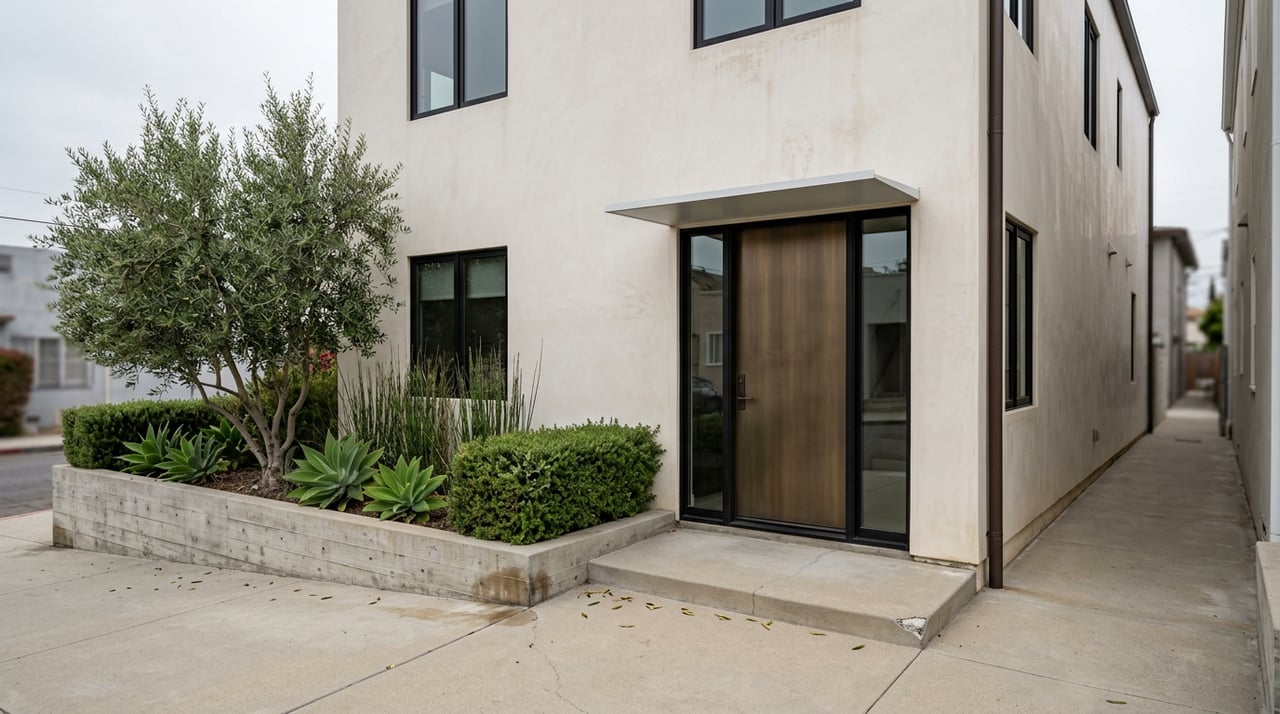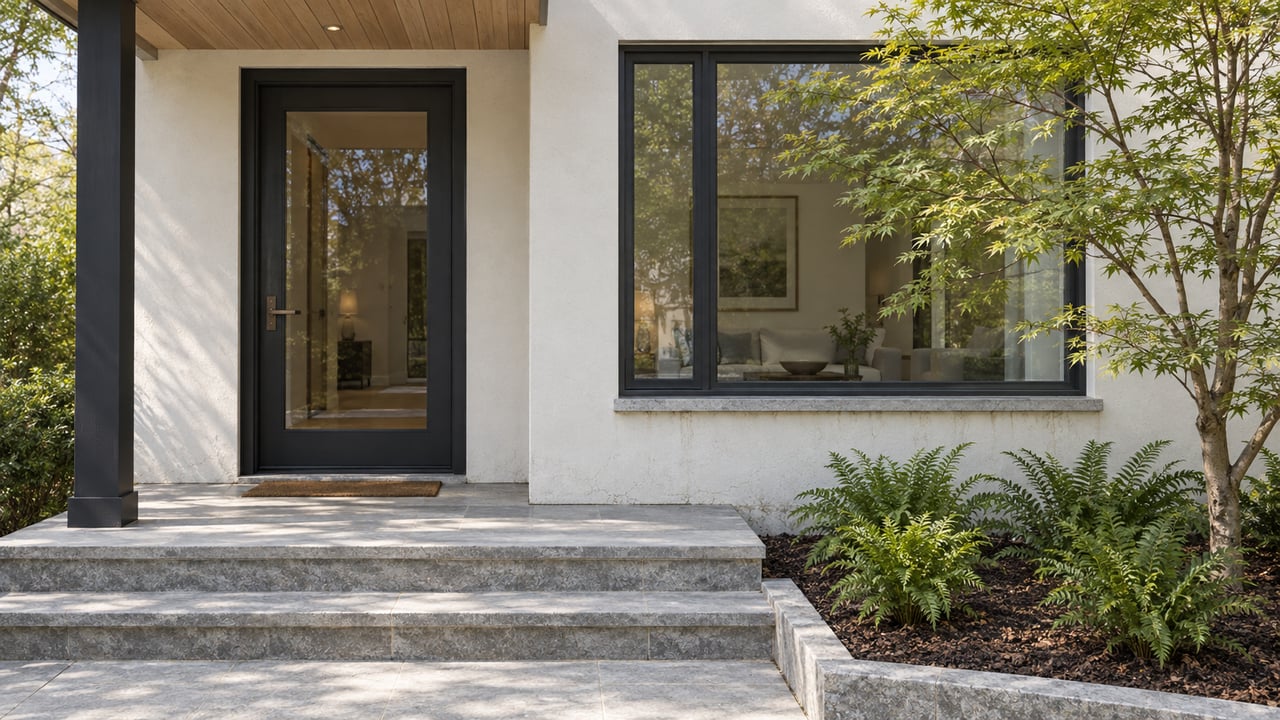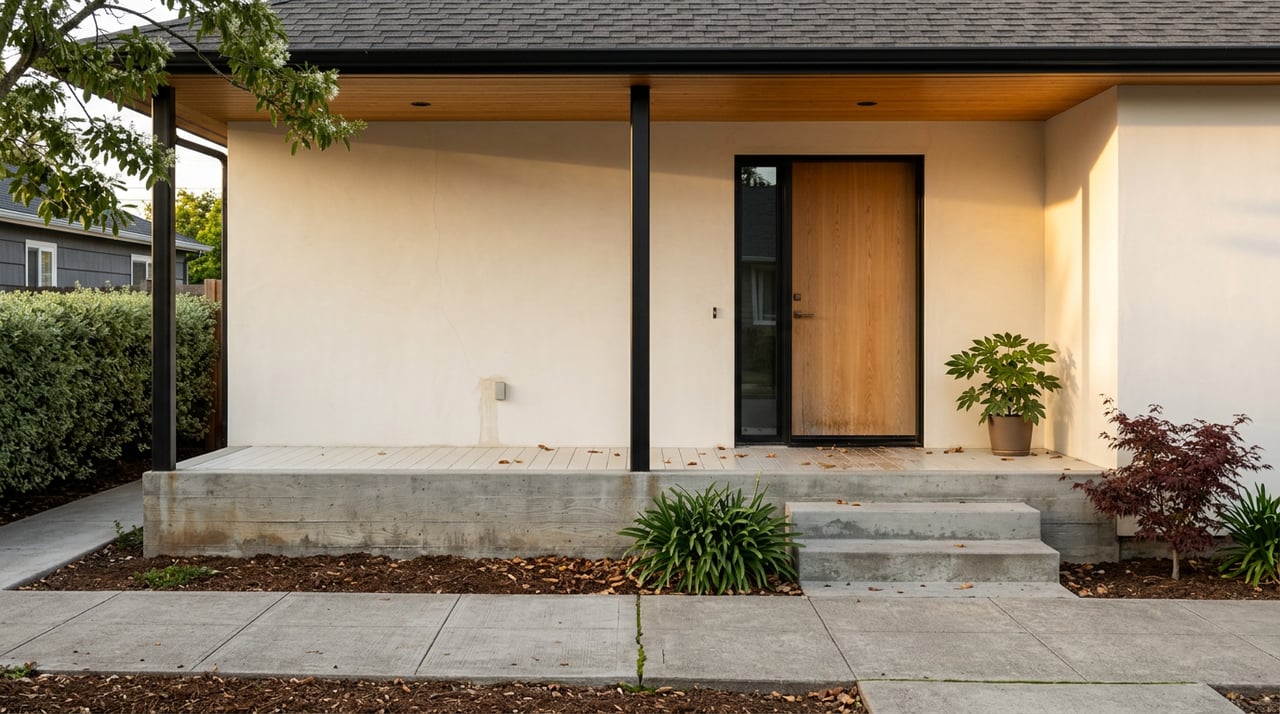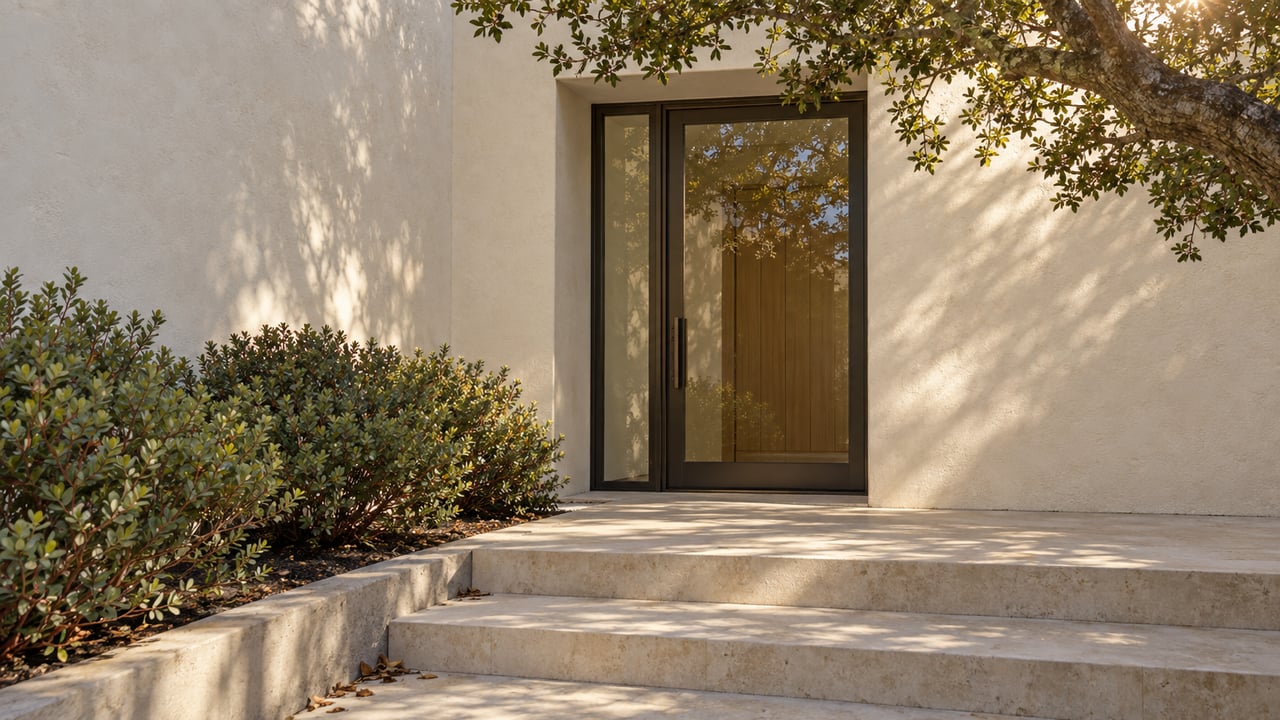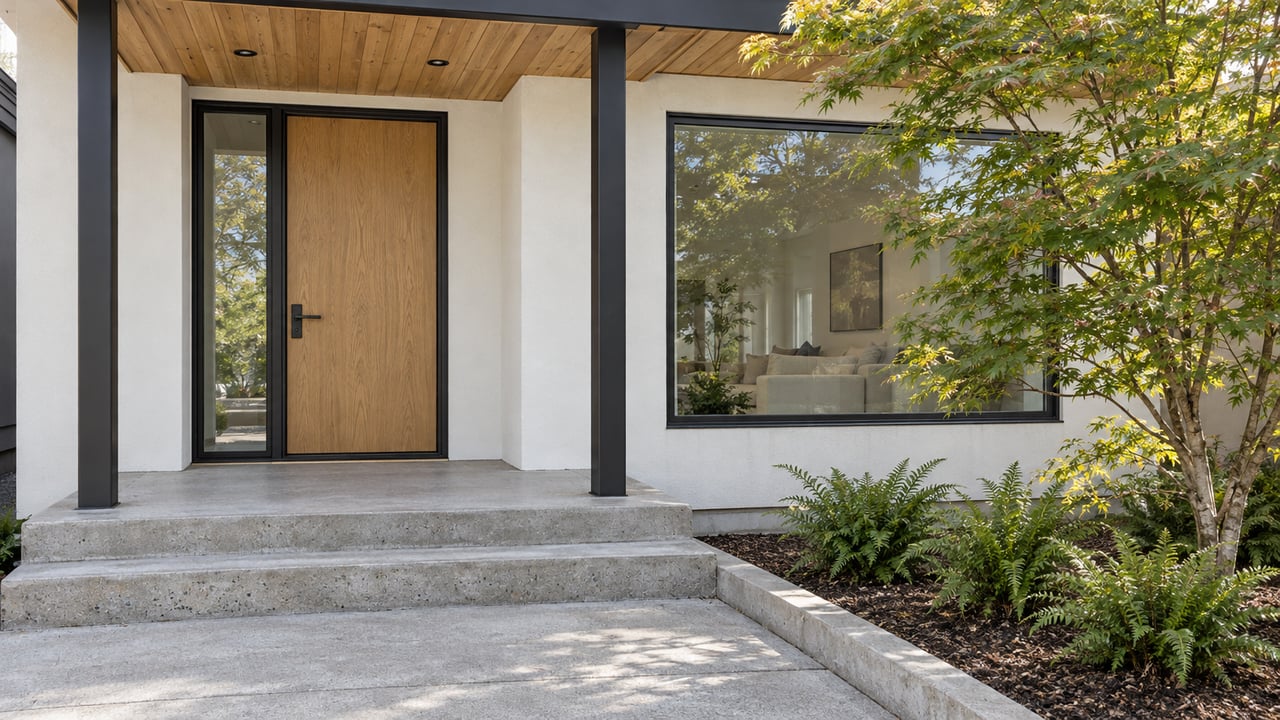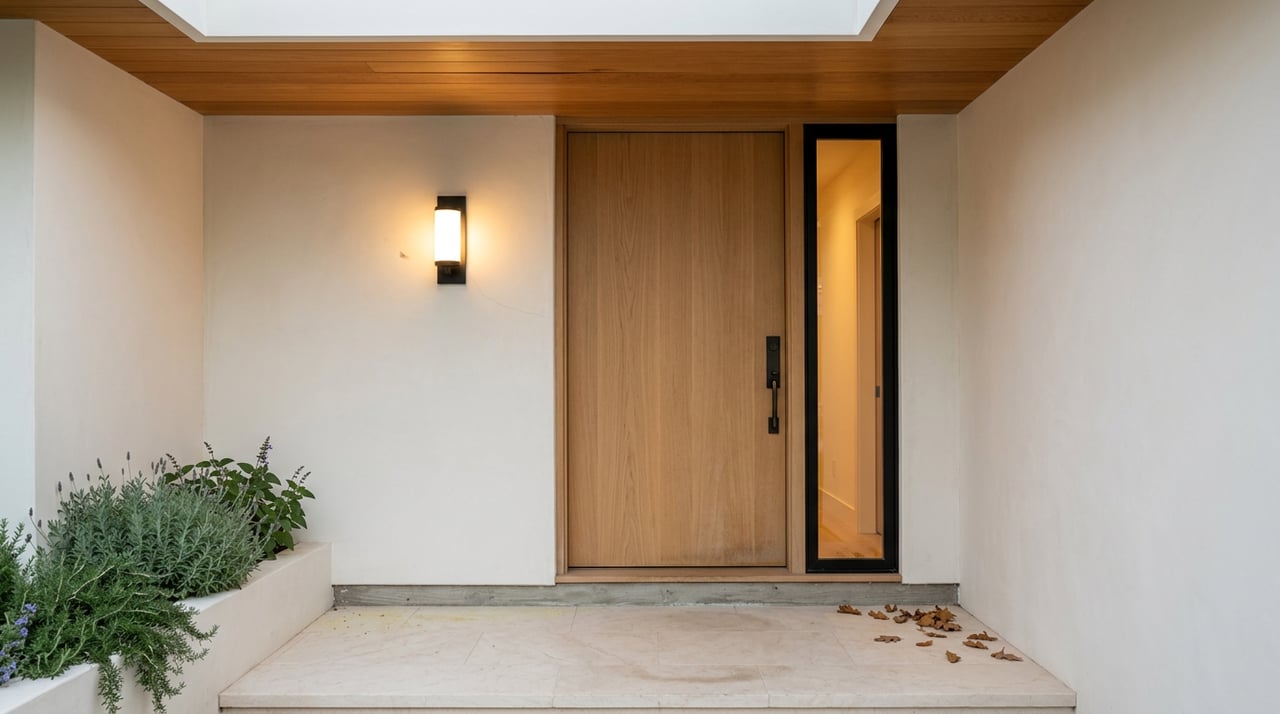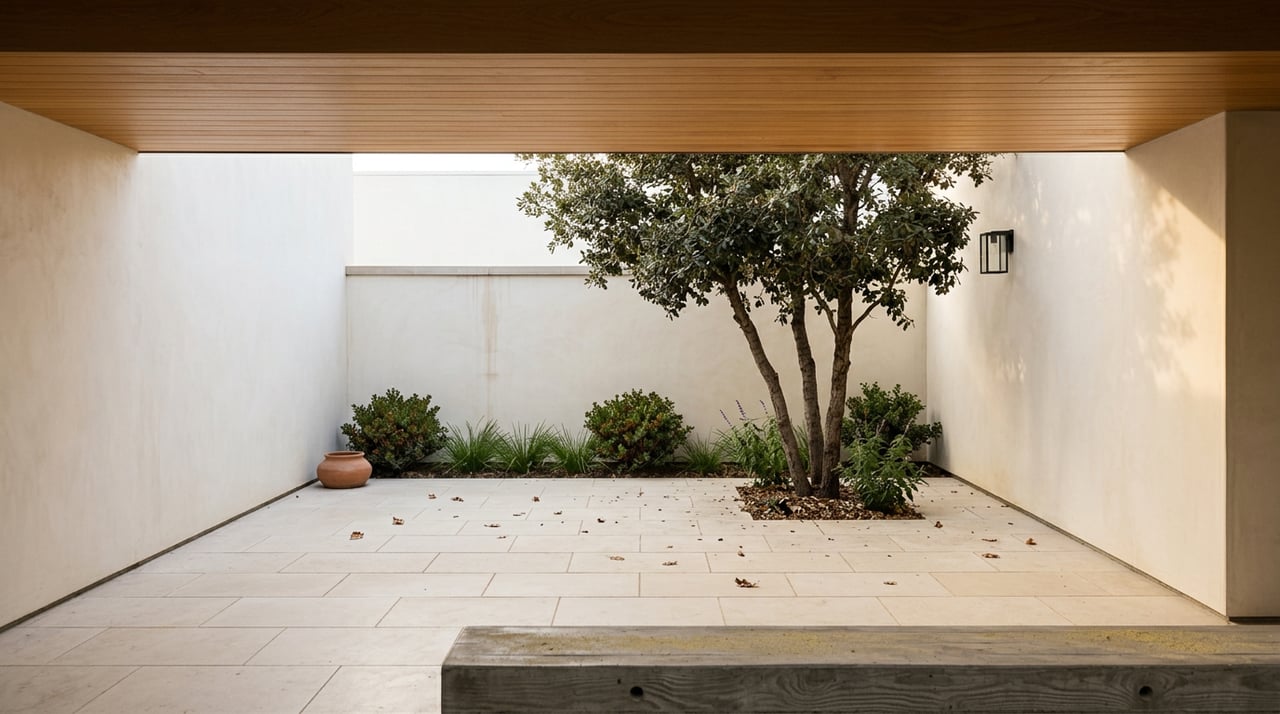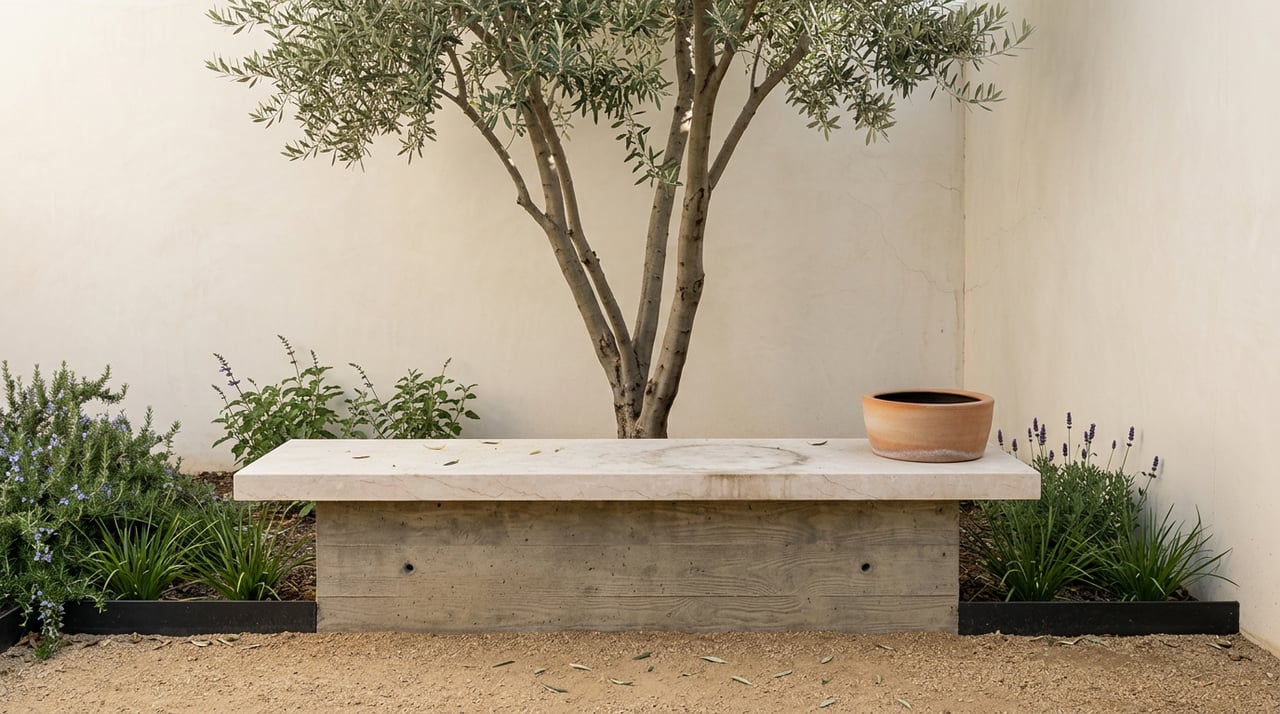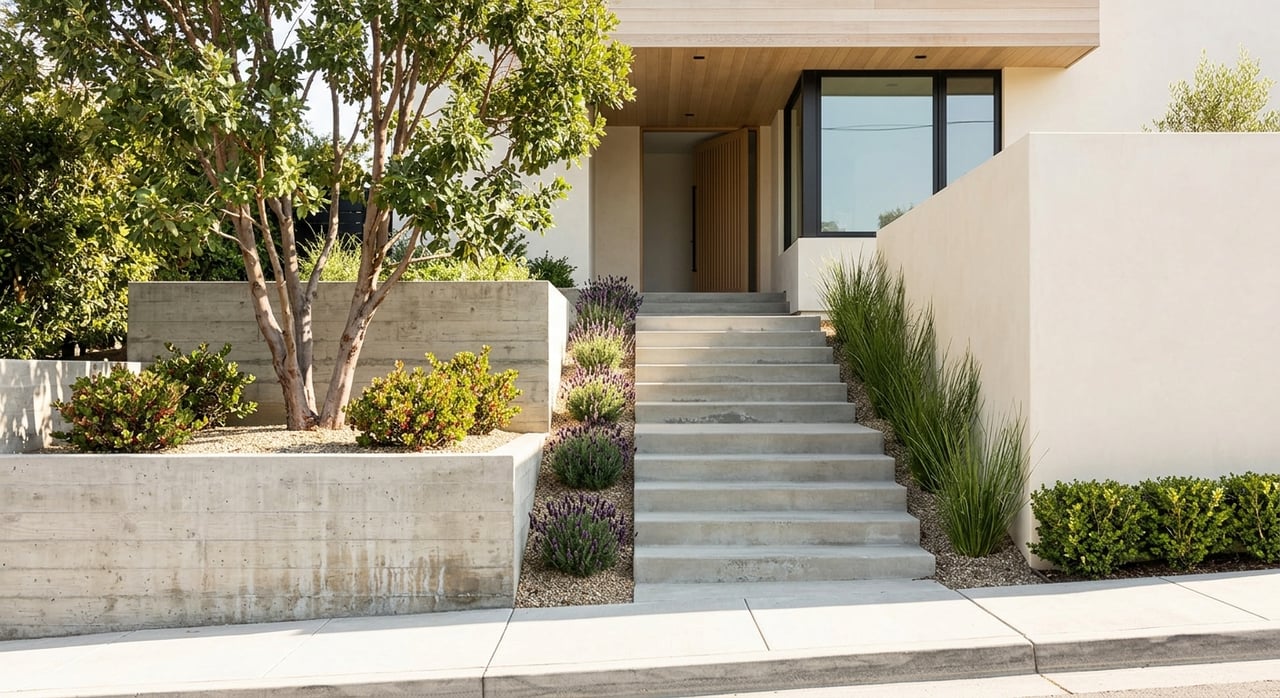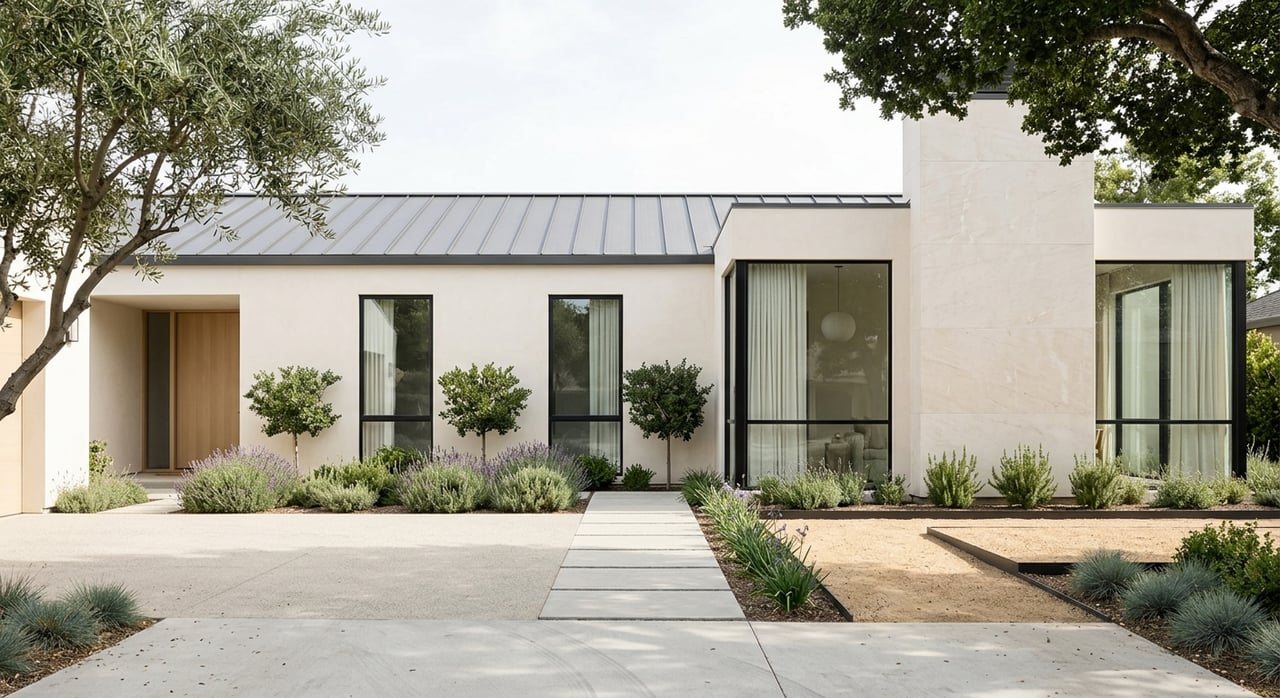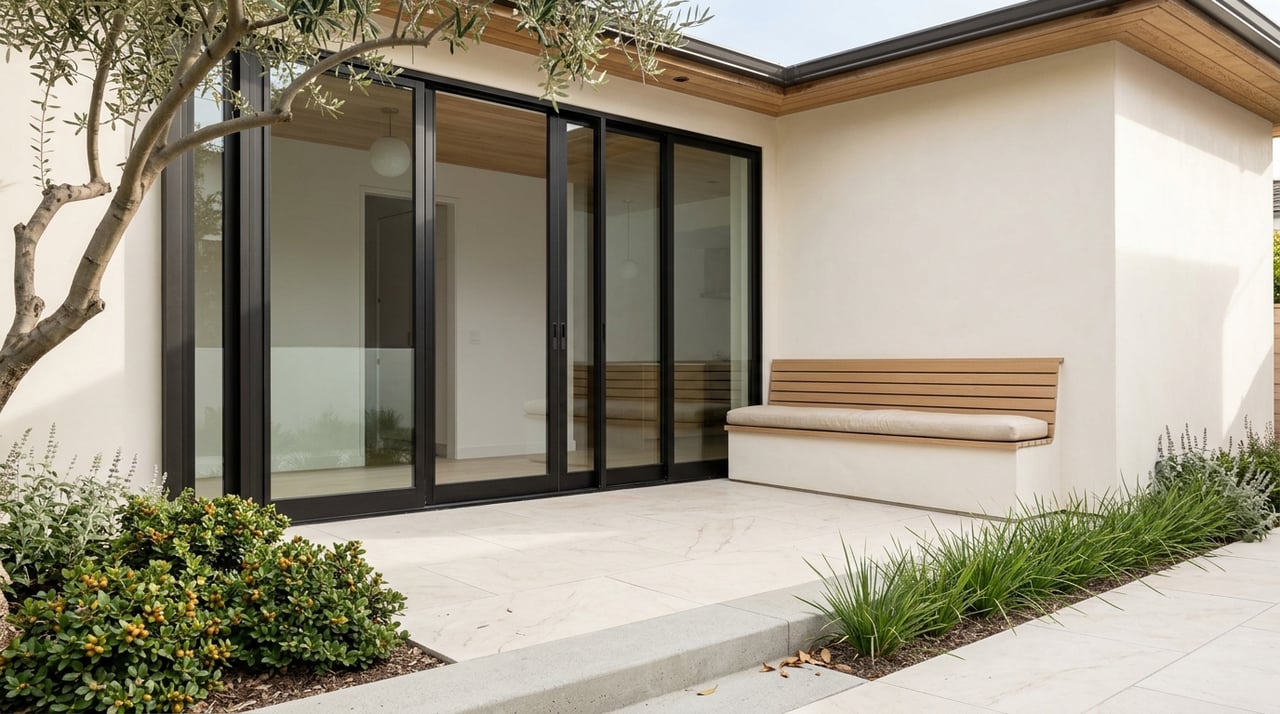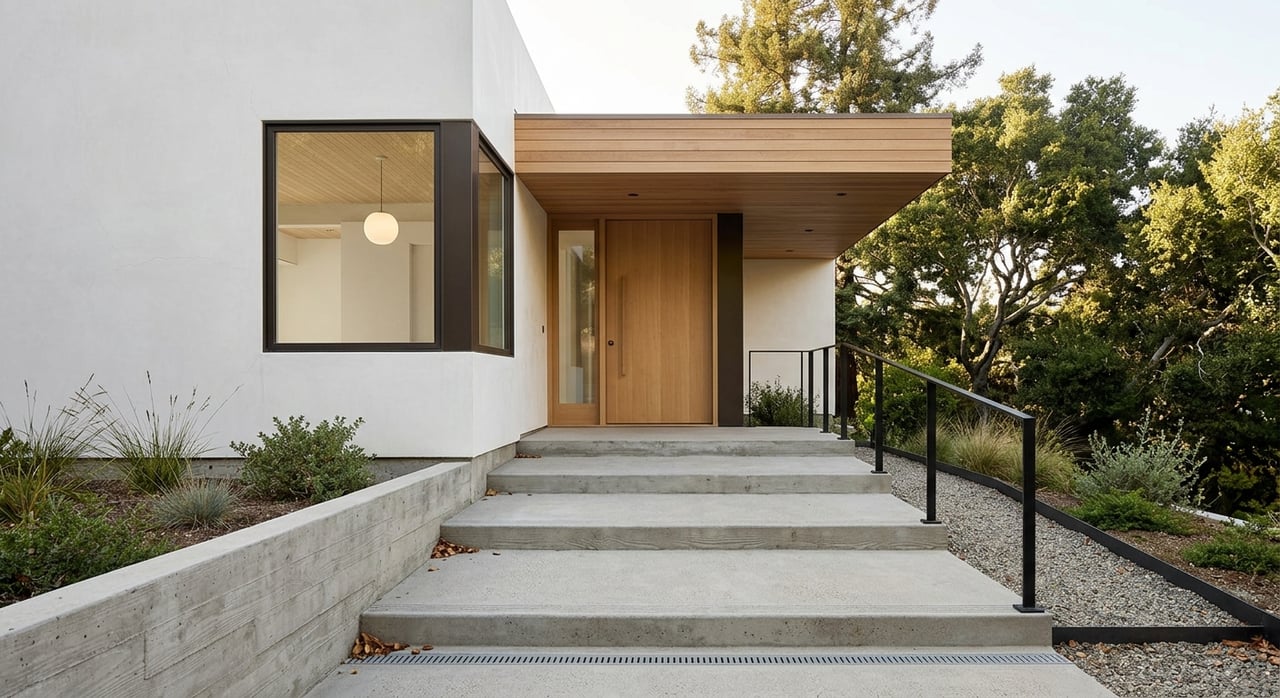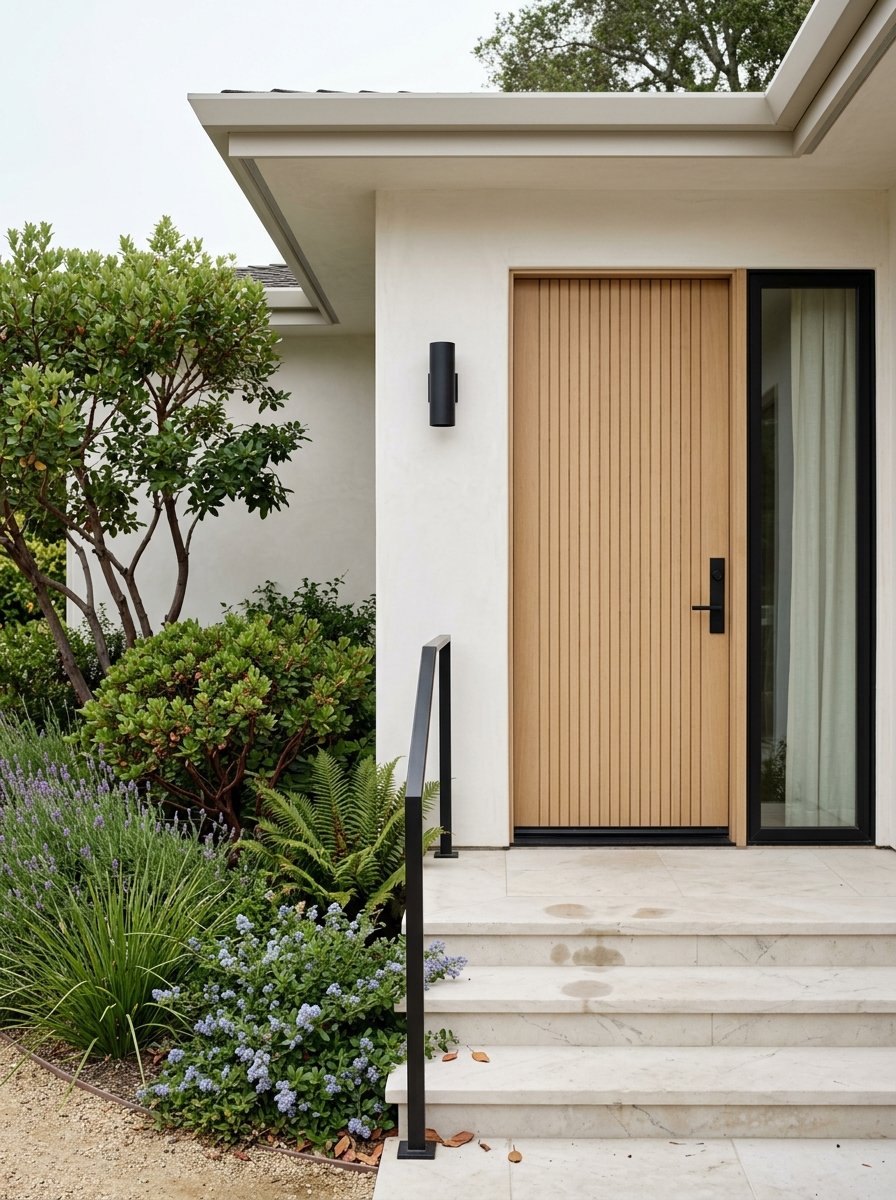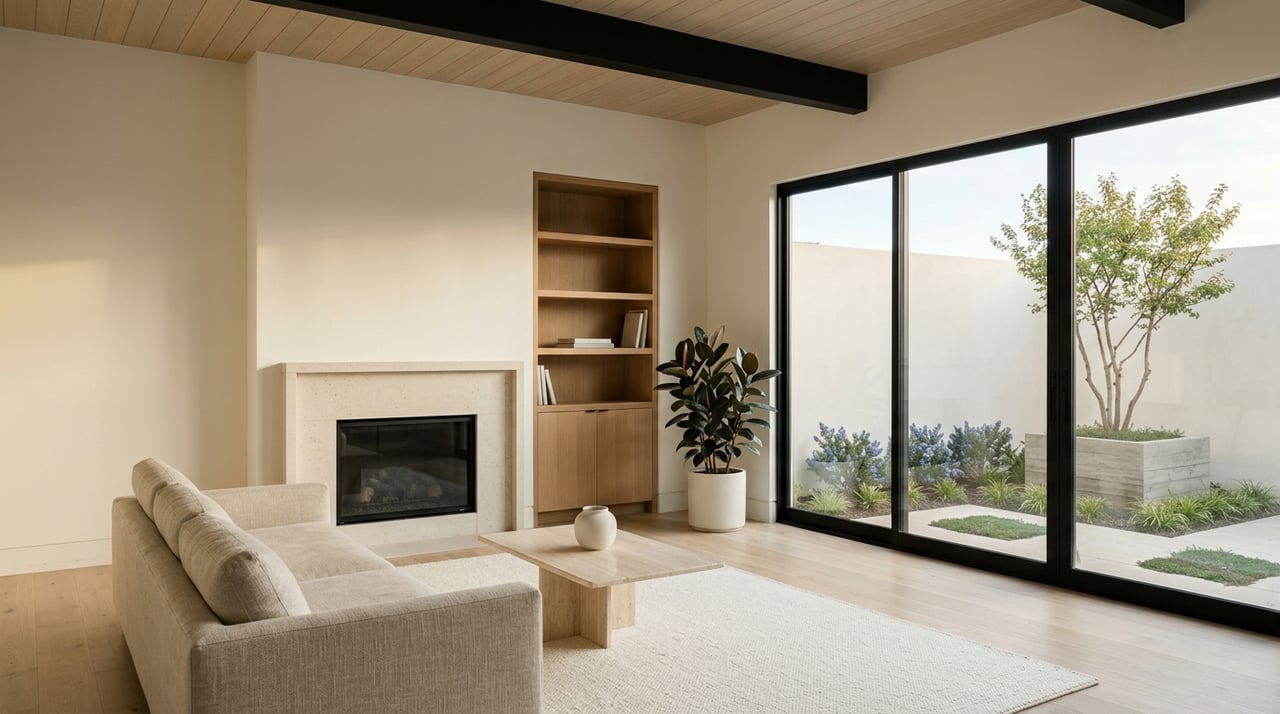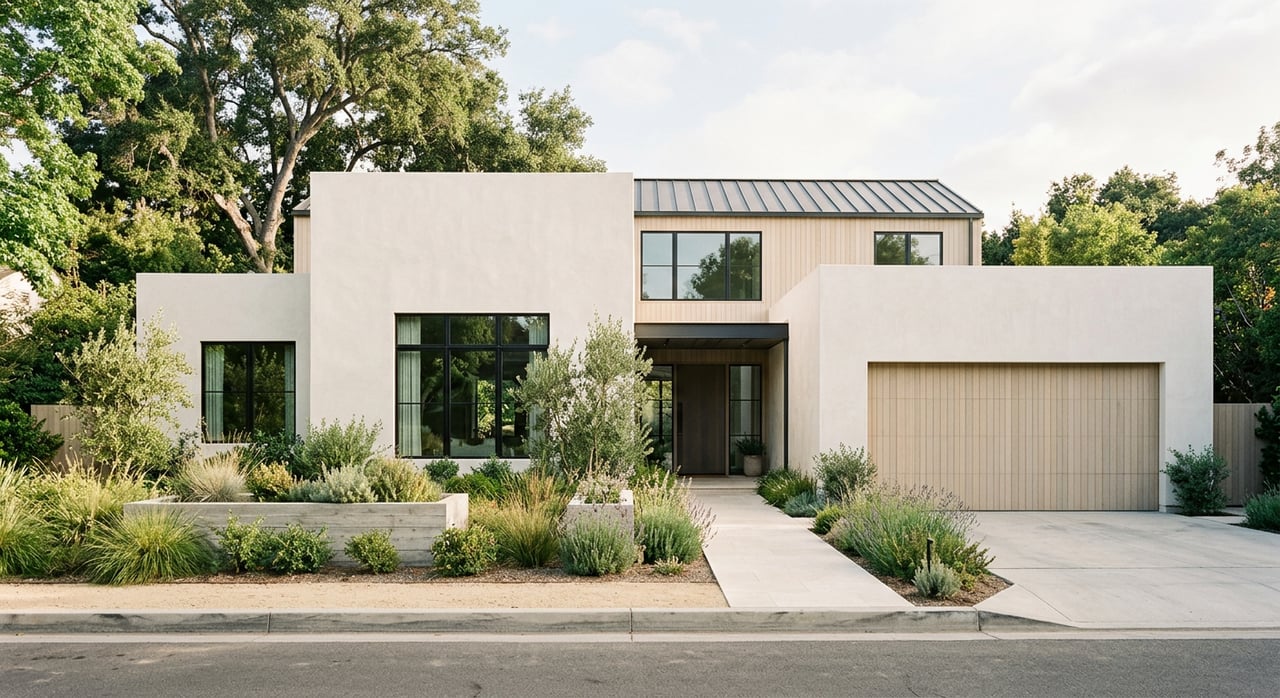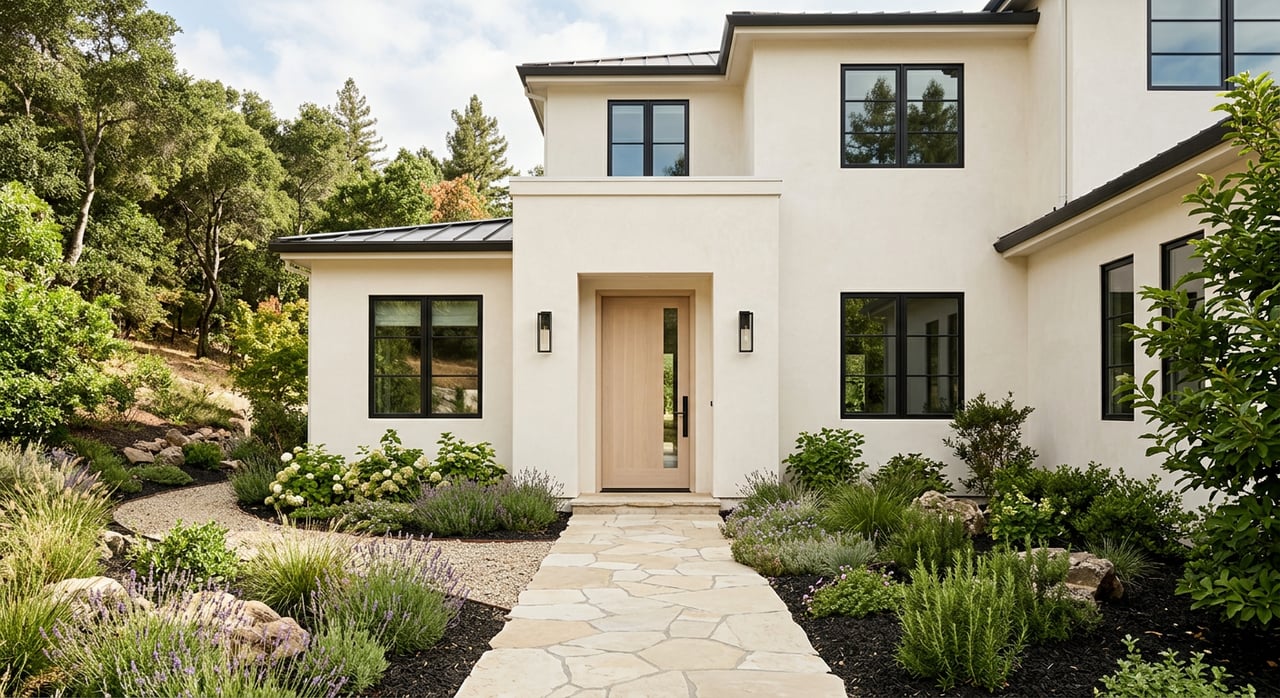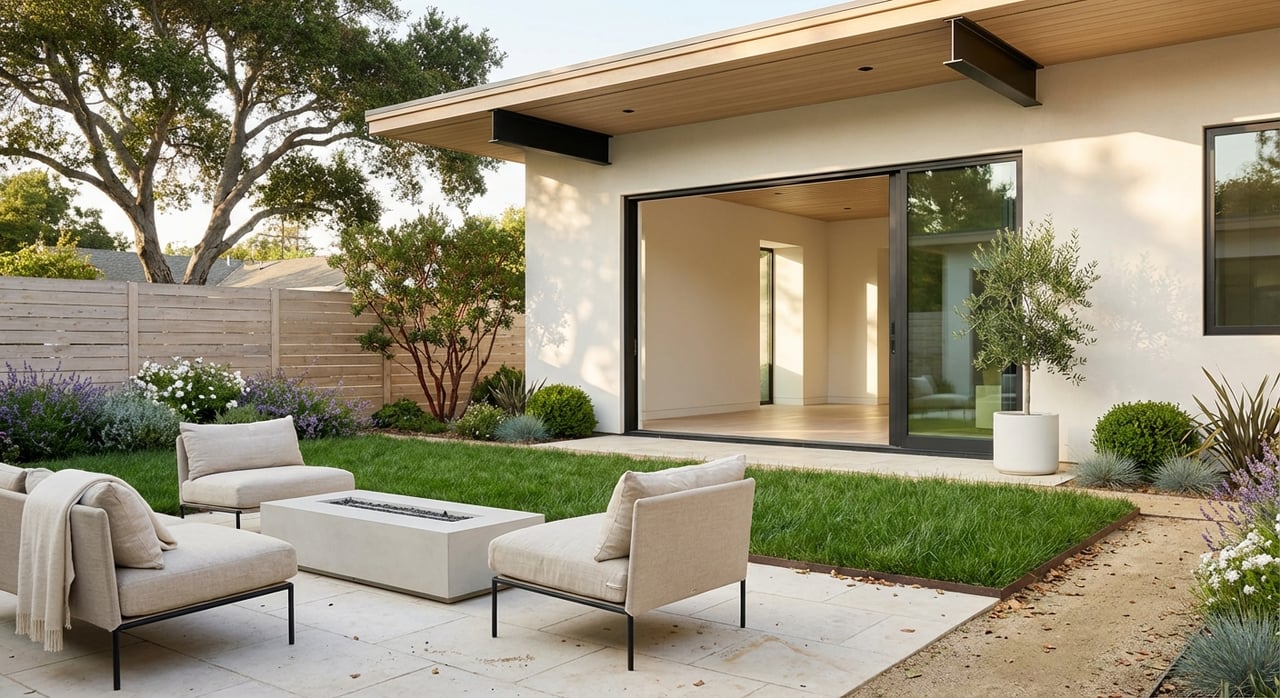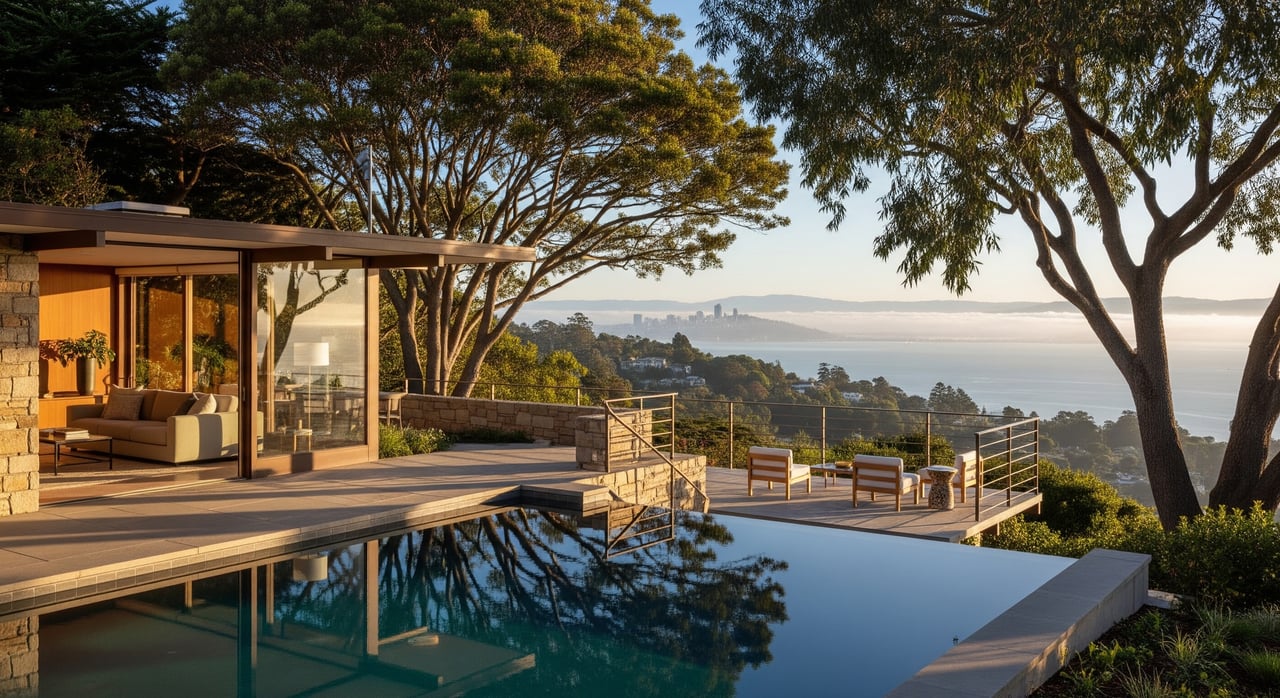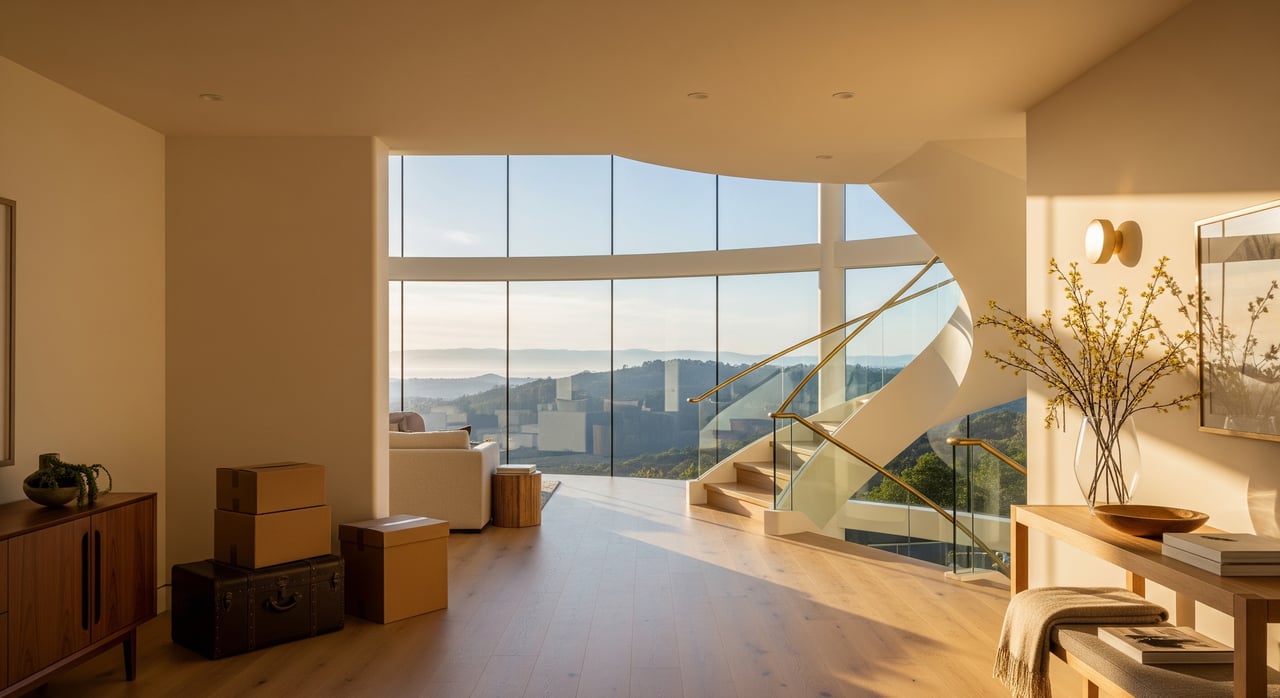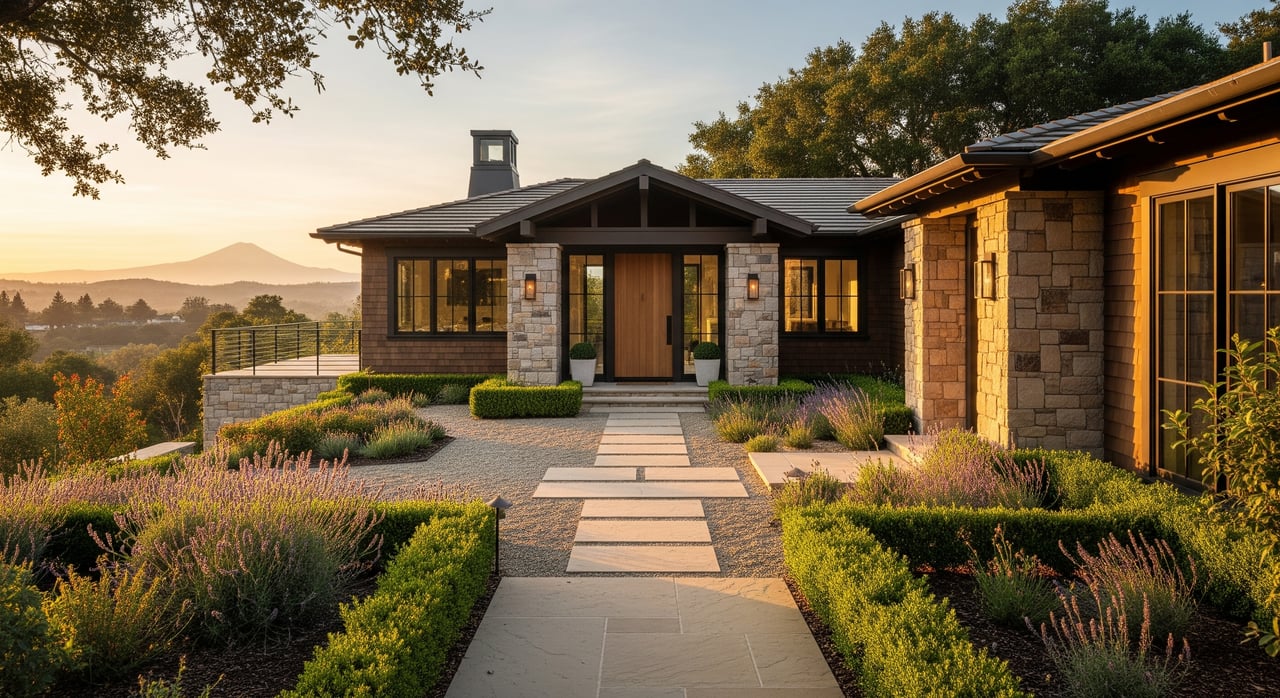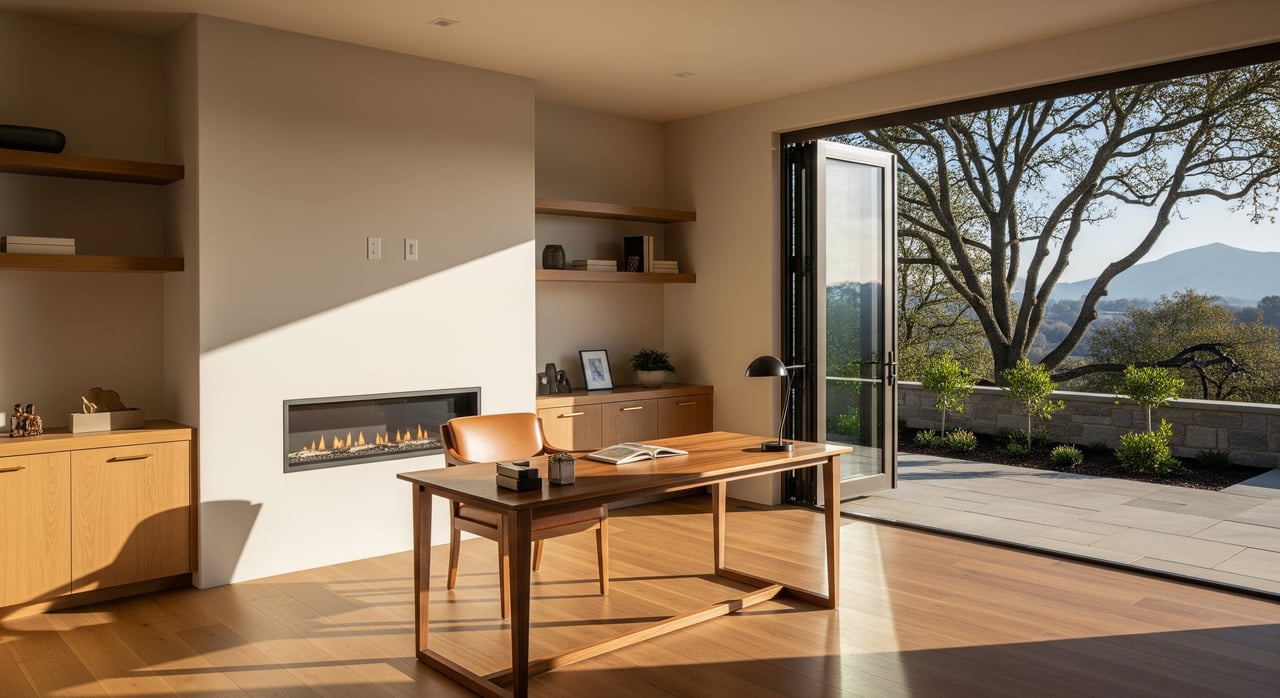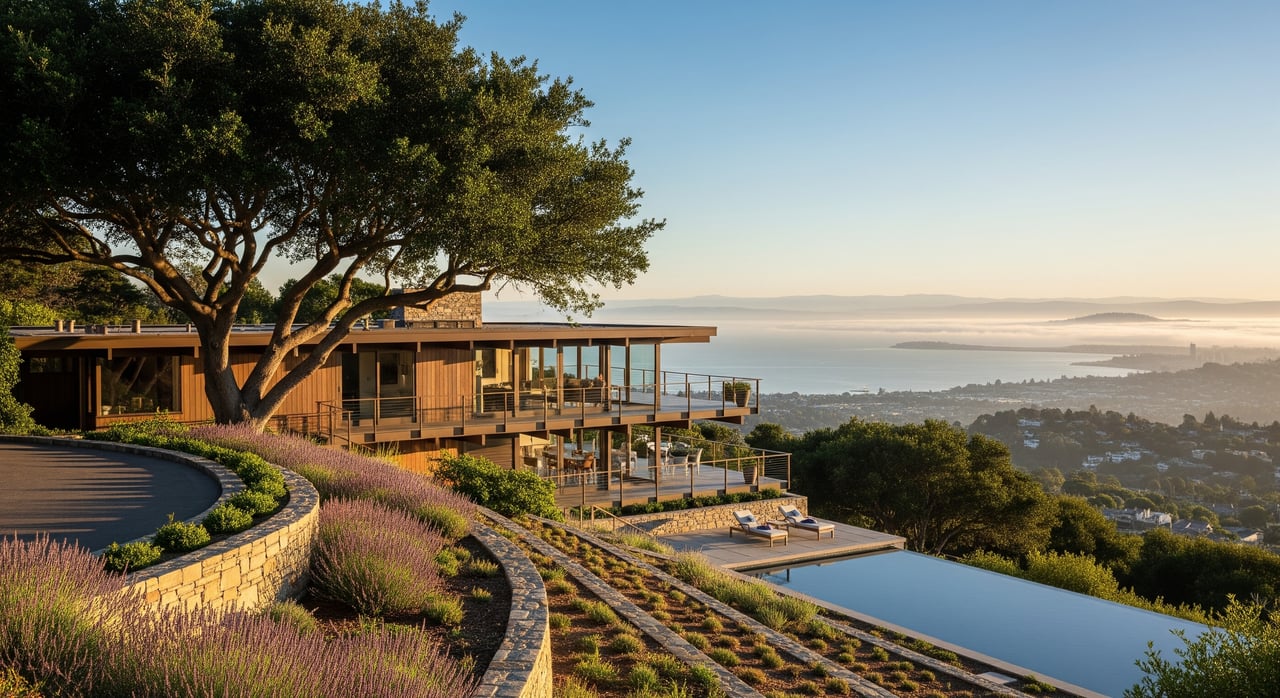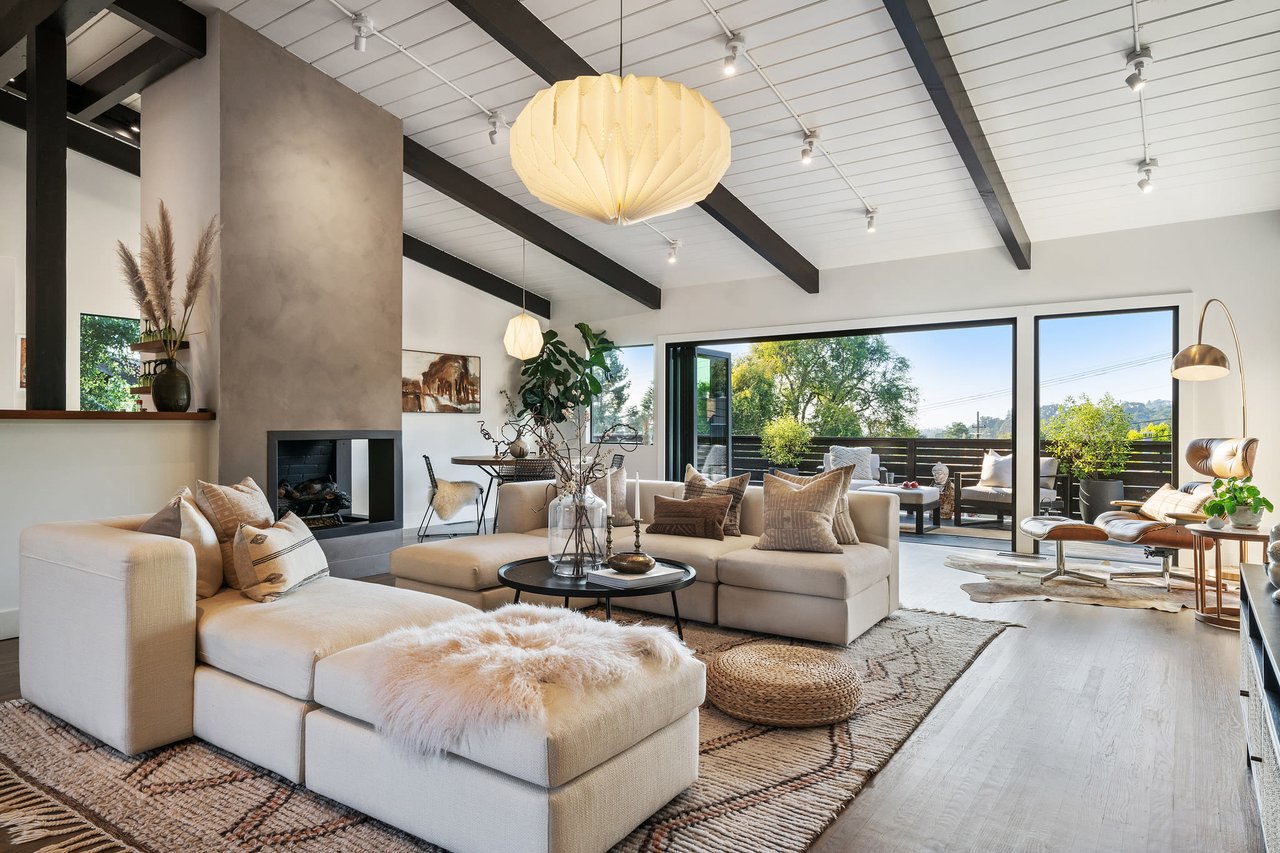

If you are getting ready to list in Walnut Creek, your backyard may be doing more work than you think. In a city with more than 3,000 acres of open space and more than seven miles of neighborhood trails, buyers often respond to outdoor areas as part of the home’s everyday lifestyle, not just bonus square footage. The good news is that you do not need a major rebuild to make that story land. With the right updates, you can create a more polished, market-ready outdoor setting that feels inviting, low-maintenance, and aligned with local expectations. Let’s dive in.
Why outdoor living matters in Walnut Creek
Walnut Creek has a strong outdoor identity, and that shapes how buyers experience a property. Patios, gardens, shade trees, and view-oriented seating areas often feel like natural extensions of the home.
That matters even more in a fast-moving market. Recent data from May 2026 showed Walnut Creek homes selling with about three offers on average and going pending in roughly 14 to 15 days, depending on the source. When buyers are making decisions quickly, presentation can carry real weight.
Focus on polish, not overbuilding
Before you spend heavily, it helps to know which outdoor improvements tend to support resale and which ones can drift into overbuilding. The clearest guidance in the research points to maintenance and restrained upgrades over brand-new luxury additions.
The strongest directional return numbers came from basic exterior care. Standard lawn care showed a 217% cost recovery, landscape maintenance 104%, overall landscape upgrades 100%, tree care 87%, and irrigation system installation 83%.
Modest hardscape improvements can also make sense when existing surfaces look worn. A new patio showed 95% cost recovery, and a new wood deck showed 89%.
By contrast, lower-return specialty features should be approached carefully. Landscape lighting recovered 59% of cost, and an in-ground pool addition recovered 56%. Those projects may still have a role in select homes, but they are usually not the first place to invest before listing.
Start with the highest-impact outdoor updates
In most Walnut Creek listings, the smartest first move is to improve what is already there. Buyers tend to respond to spaces that feel cared for, easy to use, and visually calm.
Here are the updates most likely to help without making the property feel overworked:
- Fresh lawn and planting bed maintenance
- Clean mulch and tidy plant edges
- Repaired or adjusted irrigation
- Healthy, professionally maintained trees
- Power-washed patios, paths, and drive areas
- Simple outdoor staging with clear seating moments
- Minor deck or patio refresh if surfaces look visibly tired
These improvements support the home’s presentation while staying grounded in practical value. They also fit the brand of outdoor living buyers often expect in this part of the East Bay.
Design for a camera-ready outdoor story
A beautiful yard is not just for open houses. It also needs to read clearly in photos and video, where many buyers first form their impression.
That means simplicity usually works better than too many features competing for attention. Clean lines, defined entertaining areas, healthy greenery, and open circulation help the space feel more spacious and easier to imagine using.
If you have a patio or deck, stage it to show purpose. A small dining setup, a pair of lounge chairs, or a quiet coffee corner can help buyers understand how the outdoor area lives day to day.
For larger yards, think in zones rather than additions. A seating area, a tidy lawn or planted area, and a clear path through the yard often tell a stronger story than trying to introduce a new specialty feature right before market.
Keep water-wise choices front and center
In Walnut Creek, water-smart landscaping is not just a style preference. It is closely tied to local rules and utility guidance, which makes it especially relevant when preparing a home for sale.
The city’s landscaping rules apply to new projects over 500 square feet and replacement projects over 2,500 square feet. The rules also reference hydrozones, minimum-water irrigation schedules, and limits on overhead spray between 10 a.m. and 8 p.m.
The city also says sprinklers should not be used within 24 inches of a sidewalk, patio, or driveway unless the water drains back into the planting area. On hill lots, lawns should not be planted on slopes greater than 25%.
Contra Costa Water District also prohibits runoff, watering during and up to 48 hours after measurable rainfall, watering between 9 a.m. and 5 p.m., and using potable water for non-recirculating fountains or decorative water features.
Put simply, a low-water, well-maintained landscape is a safer and more market-aligned choice than a thirsty lawn expansion or a decorative water feature. In many cases, mulch, healthy plant groupings, and properly functioning irrigation create the right visual impact with less upkeep.
Use local rebates as a planning clue
Walnut Creek’s water-conservation guidance notes that outdoor household water use is the biggest opportunity for reduction. Both EBMUD and Contra Costa Water District offer lawn-to-garden rebates of up to $2,000.
Even if you are not planning a full conversion before listing, that rebate context is still useful. It reinforces the broader local preference for efficient, lower-maintenance yards that feel intentional rather than water-intensive.
For sellers, that can help shape the pre-list conversation. If your outdoor space currently leans heavily on tired turf, a more edited garden approach may support both presentation and practicality.
Be careful with trees and view work
Trees can add shade, structure, and beauty, but they should be handled with care before listing. Walnut Creek specifically notes that pruning large trees can be dangerous and recommends using certified arborists.
The city also warns that topping is harmful and not an acceptable pruning technique. If you are considering cleanup to improve light or open a view corridor, selective pruning is the safer and more defensible path.
If the work goes beyond pruning, pause before moving forward. Walnut Creek requires a tree-removal permit to remove a tree within city limits, with a small-tree exception, and a city arborist evaluates factors such as health, structure, disease, and utility interference before approval.
For sellers, the takeaway is simple: do not make major canopy changes on impulse. Start with a qualified arborist, confirm whether a permit is needed, and focus on work that improves presentation without creating compliance issues.
Outdoor projects to skip before listing
When time and budget matter, restraint is often the winning strategy. Some projects may sound appealing but can be difficult to justify right before market.
In many cases, it makes sense to avoid:
- Adding a new in-ground pool
- Installing decorative water features
- Taking on major landscape expansion
- Over-customizing with niche features
- Doing drastic tree cutting without arborist guidance
- Starting large projects that may trigger more complex city requirements
These kinds of upgrades can add cost, delay, and uncertainty. They also may not return enough value to outperform a well-executed cleanup, refresh, and staging plan.
A practical pre-list outdoor checklist
If you want a strong result without overcomplicating the process, focus on the basics first. A disciplined outdoor plan often creates the best balance of beauty, speed, and resale logic.
Use this checklist as a starting point:
- Mow, edge, prune, and remove debris
- Refresh mulch and define planting beds
- Check irrigation coverage and leaks
- Correct overspray near hardscape
- Clean patios, decks, and walkways
- Repair visibly worn exterior surfaces
- Stage one or two clear outdoor living areas
- Review any larger tree work with an arborist
- Skip major specialty additions unless there is a very specific reason
This kind of preparation helps your home feel intentional and easy to care for. That combination can be especially powerful in a market where buyers move quickly.
The right goal for Walnut Creek sellers
The best outdoor upgrades before listing in Walnut Creek usually do not come from adding more. They come from editing, refining, and presenting the space you already have in a way that feels calm, functional, and connected to the local lifestyle.
That means healthy landscaping, clean hardscape, water-wise choices, and thoughtful staging often outperform expensive distractions. When your exterior feels polished and believable, buyers can picture themselves enjoying it right away.
If you are preparing to sell and want a design-forward plan that improves buyer appeal without overbuilding, Hope Broderick can help you shape the right transformation before your home goes live.
FAQs
What outdoor upgrades add the most value before listing a home in Walnut Creek?
- The research points first to lawn care, landscape maintenance, overall landscape upgrades, tree care, irrigation repair, and modest patio or deck improvements rather than major new amenities.
Should you add a pool before selling a home in Walnut Creek?
- The research suggests caution, since an in-ground pool addition showed a lower cost recovery than more basic outdoor improvements.
Are water-wise landscapes important for Walnut Creek home sellers?
- Yes. Local city and water district rules make efficient irrigation, low-runoff design, and lower-water landscaping especially relevant for pre-list preparation.
Can you remove or heavily prune trees before listing a Walnut Creek property?
- Large tree work should start with a certified arborist, and tree removal within city limits may require a permit depending on the situation.
What should you avoid when improving outdoor living before listing in Walnut Creek?
- It is usually wise to avoid costly specialty additions, decorative water features, major landscape overhauls, and drastic tree work that could create delay or compliance issues.